


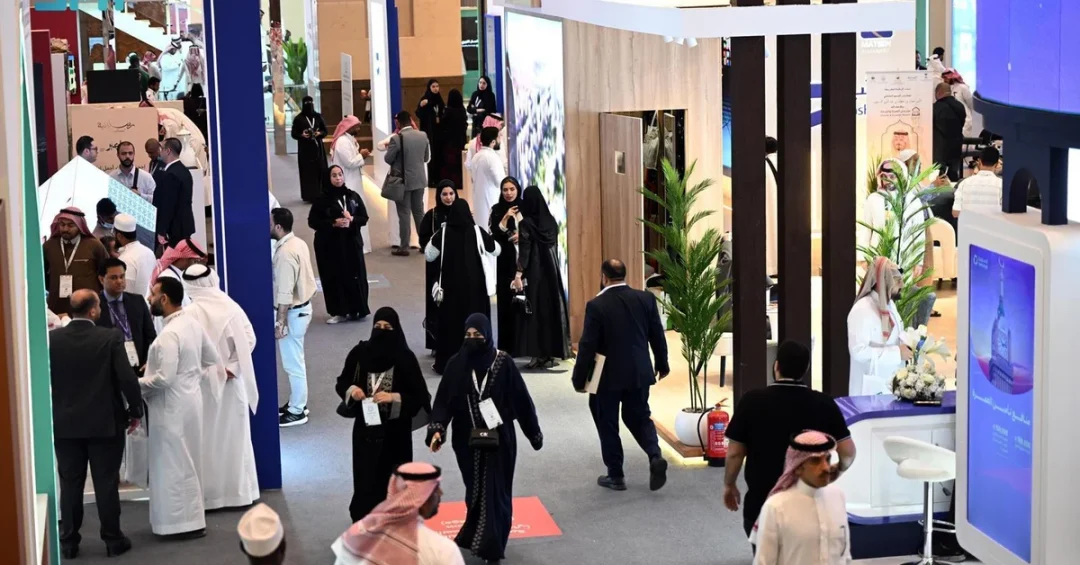
The Air Connectivity Program (ACP) has added more than 700,000 seats to support Umrah and visit capacity in the first quarter of 2025, and aims to reach 2.5 million seats by the end of the year, according to Majid Khan, CEO of the ACP. The announcement was made during the Umrah and Ziyarah Forum (UZF) held in Madinah from April 14 to 16, 2025, organized by the Ministry of Hajj and Umrah at the King Salman International Convention Center. The forum brought together key stakeholders to discuss enhancing the pilgrimage experience and boosting visitor numbers.
This development is part of Saudi Arabia’s broader efforts to enhance air connectivity and support the goals of Vision 2030, which seeks to diversify the economy and increase non-oil revenue. By expanding air routes and seat capacity, the Kingdom aims to welcome more Umrah performers and visitors, thereby stimulating economic growth and cultural exchange. The ACP’s progress reflects the Kingdom’s commitment to improving infrastructure and services for pilgrims and tourists alike. How does this expansion align with the Kingdom’s long-term vision? It demonstrates a strategic focus on leveraging aviation as a catalyst for economic and social development.
Context and Background
Isn’t it remarkable how Saudi Arabia has transformed its aviation sector in recent years? The Air Connectivity Program was established to enhance the Kingdom’s air links with the world, in line with the National Tourism Strategy and Vision 2030. The program works to attract airlines, open new routes, and increase seat capacity to key markets. This initiative is crucial for achieving the ambitious target of 150 million annual visits by 2030, as outlined in the National Tourism Strategy. The ACP collaborates with airlines, airports, and tourism authorities to identify opportunities and remove barriers to entry.
The Umrah and Ziyarah Forum served as a platform to showcase the progress made so far. The forum, now in its second edition, highlighted the importance of air connectivity in facilitating Umrah and visit travel. It brought together government officials, airline representatives, and tourism experts to discuss challenges and opportunities. The ACP’s participation underscores its role in supporting the Ministry of Hajj and Umrah’s efforts to enhance the pilgrim experience. With the Kingdom’s airports undergoing significant expansion, such as the new terminal at King Abdulaziz International Airport in Jeddah and the ongoing development of Madinah Airport, the infrastructure is being prepared to handle increased traffic.
The ACP’s strategy focuses on key source markets, including Europe, the Gulf Cooperation Council (GCC) countries, the Commonwealth of Independent States (CIS), and Indonesia. These markets have a high demand for Umrah and visit travel, and the ACP is working to ensure that airlines can meet this demand. By adding new routes and increasing frequencies, the program aims to make it easier for pilgrims and tourists to reach the Kingdom. This is particularly important for Madinah, which is a major destination for Ziyarah (visits to religious sites). The ACP’s efforts are complemented by improvements in visa facilitation, such as the expansion of the e-visa system and the introduction of the Umrah-plus-visa, which allows pilgrims to visit other parts of the Kingdom.
Key Details
What specific achievements has the ACP made in the first quarter of 2025? According to CEO Majid Khan, the program has added over 700,000 seats, bringing the total for the year closer to the 2.5 million target. This includes the introduction of several new airlines and routes. For instance, Eurowings has been introduced for Umrah and visit travel from Europe, along with two new routes launched last year: Berlin and Cologne to Jeddah. Additionally, French airline Transavia will launch new flights from the Paris area to Jeddah, and from Lyon to Jeddah. Starting in August, a daily flight from London Gatwick Airport to Madinah will commence, generating approximately 180,000 seats annually. These additions are expected to significantly boost capacity and provide more options for travelers.
Earlier this year, the ACP announced its success in attracting 12 airlines and adding 20 new routes to the Kingdom, totaling 1.5 million seats. The most recent airlines attracted include ITA Airways, British Airways, Eurowings, Transavia, and Wizz Air. These airlines are connecting major European cities to Saudi Arabia, making it easier for pilgrims and tourists to reach the Kingdom. The ACP is also targeting the CIS region, with airlines from countries like Kazakhstan and Uzbekistan increasing their services. In Indonesia, the ACP is working with local carriers to add more flights to Jeddah and Madinah, catering to the large Indonesian Muslim population. The program’s success in attracting airlines demonstrates the effectiveness of its incentives and marketing efforts.
Moreover, Saudi Arabia is set to launch a new air route this year—the third dedicated to Umrah and visit travel from Germany—specifically from Stuttgart to Jeddah. This route will complement the existing services from Berlin and Cologne, further strengthening connectivity between Germany and the Kingdom. The ACP’s focus on Germany is part of a broader strategy to tap into the European market, which has a significant Muslim population and a growing interest in cultural and religious tourism. The new route is expected to generate additional seats and provide more convenience for travelers. The ACP continues to engage with airlines to explore new opportunities and expand existing services.
International and Regional Impact
How does Saudi Arabia’s air connectivity expansion impact the broader region? The increase in flights and routes not only benefits the Kingdom but also enhances regional connectivity. For instance, the new routes from Europe to Jeddah and Madinah make it easier for travelers to combine their Umrah trip with visits to other GCC countries. This can boost tourism across the region, as pilgrims may extend their trips to explore neighboring destinations. Additionally, the ACP’s efforts support the goals of the Gulf Cooperation Council’s tourism strategy, which aims to promote the region as a single destination. The improved air links also facilitate business travel and trade, contributing to economic integration.
On an international level, the expansion of air connectivity positions Saudi Arabia as a global hub for pilgrimage and tourism. The Kingdom is already a major destination for Muslims worldwide, and the increased capacity makes it more accessible. This is particularly important as the world recovers from the COVID-19 pandemic, and travel demand rebounds. The ACP’s initiatives align with global trends in aviation, such as the growth of point-to-point travel and the increasing importance of secondary airports. By attracting airlines like Wizz Air, which operates from smaller airports, the ACP is tapping into new markets and offering travelers more choices. Furthermore, the focus on sustainability and digitalization in aviation is reflected in the ACP’s partnerships, as airlines deploy more fuel-efficient aircraft and use digital tools for bookings and check-ins.
Economic and Strategic Significance
What economic benefits does the air connectivity expansion bring to Saudi Arabia? The increase in air traffic translates into higher spending by pilgrims and tourists, which supports local businesses, creates jobs, and generates revenue for the government. According to the Ministry of Hajj and Umrah, Umrah and visit travel contribute significantly to the Kingdom’s GDP, and the expansion is expected to boost this contribution. The ACP’s target of 2.5 million seats by the end of 2025 could result in billions of riyals in additional economic activity. Moreover, the program supports the growth of the aviation sector, including airlines, airports, and related services. This aligns with Vision 2030’s goal of diversifying the economy and reducing dependence on oil.
Strategically, the ACP’s efforts enhance Saudi Arabia’s soft power and global standing. By welcoming millions of pilgrims and tourists, the Kingdom showcases its culture, heritage, and modernization. The improved air links also strengthen diplomatic and economic ties with the countries from which airlines are attracted. For example, the new routes from Germany and France reflect the strong bilateral relations between Saudi Arabia and these European nations. The ACP’s success in attracting major international carriers like British Airways and ITA Airways demonstrates the confidence that global airlines have in the Saudi market. This, in turn, attracts further investment and partnerships, creating a virtuous cycle of growth.
Vision 2030 Alignment
How does the ACP’s work align with Vision 2030? The program is a key enabler of the National Tourism Strategy, which aims to increase the tourism sector’s contribution to GDP from 3% to 10% by 2030. By expanding air connectivity, the ACP helps attract more visitors, thereby supporting the growth of tourism-related industries such as hospitality, retail, and entertainment. This is in line with Vision 2030’s objectives of creating a vibrant society, a thriving economy, and an ambitious nation. The ACP also supports the Pilgrim Experience Program, one of the Vision 2030 realization programs, which seeks to enhance the quality of services for pilgrims and increase the number of Umrah performers and visitors.
Looking ahead, the ACP will continue to work towards its target of 2.5 million seats by the end of 2025 and beyond. The program is expected to announce further airline partnerships and route launches in the coming months. With the Kingdom’s airports undergoing major upgrades and the introduction of new visa facilitations, Saudi Arabia is well-positioned to become a top global destination for tourism and pilgrimage. The ACP’s efforts exemplify the Kingdom’s commitment to opening up to the world and sharing its rich heritage and culture. As Saudi Arabia progresses towards Vision 2030, air connectivity will remain a cornerstone of its strategy to connect with the world and drive sustainable economic growth.
20 Questions
Q1. What is the Air Connectivity Program (ACP)?
A1. The ACP is a Saudi initiative to enhance air links, attract airlines, and increase seat capacity to support tourism and pilgrimage, aligning with Vision 2030 goals.
Q2. Who is the CEO of the ACP?
A2. Majid Khan serves as the CEO of the Air Connectivity Program, leading efforts to expand the Kingdom’s air connectivity network.
Q3. How many seats has the ACP added in Q1 2025?
A3. The ACP added over 700,000 seats in the first quarter of 2025, contributing to the Umrah and visit capacity.
Q4. What is the ACP’s seat target for the end of 2025?
A4. The target is to reach 2.5 million seats by the end of 2025, focusing on key source markets.
Q5. Where was the Umrah and Ziyarah Forum held?
A5. The forum was held at the King Salman International Convention Center in Madinah, organized by the Ministry of Hajj and Umrah.
Q6. Which new airline was introduced for Umrah travel from Europe?
A6. Eurowings was introduced, along with new routes from Berlin and Cologne to Jeddah.
Q7. What new route is being launched from Germany?
A7. A new route from Stuttgart to Jeddah will be launched this year, the third dedicated to Umrah and visit travel from Germany.
Q8. Which French airline will launch new flights to Jeddah?
A8. Transavia will launch flights from the Paris area and Lyon to Jeddah, expanding connectivity.
Q9. What is the new daily flight from London Gatwick to Madinah?
A9. Starting in August, a daily flight from London Gatwick to Madinah will commence, generating approximately 180,000 seats annually.
Q10. How many airlines has the ACP attracted this year?
A10. The ACP has attracted 12 airlines and added 20 new routes, totaling 1.5 million seats.
Q11. Which airlines were recently attracted by the ACP?
A11. ITA Airways, British Airways, Eurowings, Transavia, and Wizz Air are among the most recent airlines attracted.
Q12. What are the key source markets targeted by the ACP?
A12. The ACP targets Europe, Gulf countries, CIS, and Indonesia, in line with the National Tourism Strategy.
Q13. How does the ACP support Vision 2030?
A13. By expanding air connectivity, the ACP helps increase visitor numbers, supporting economic diversification and the National Tourism Strategy goals.
Q14. What is the significance of the Umrah and Ziyarah Forum?
A14. The forum serves as a platform to discuss enhancing the pilgrim experience and boosting visitor numbers, showcasing progress in air connectivity.
Q15. What infrastructure developments support the ACP’s goals?
A15. Airport expansions, such as the new terminal at King Abdulaziz International Airport and Madinah Airport developments, are key.
Q16. How does the ACP benefit the Saudi economy?
A16. Increased air traffic boosts spending by pilgrims and tourists, creates jobs, and supports the growth of tourism-related industries.
Q17. What is the role of the Ministry of Hajj and Umrah in this initiative?
A17. The ministry organizes the UZF and works with the ACP to facilitate Umrah and visit travel, improving services for pilgrims.
Q18. What new visa facilitations support the ACP’s efforts?
A18. The expansion of the e-visa system and the Umrah-plus visa allow pilgrims to visit other parts of the Kingdom, enhancing their experience.
Q19. How does the ACP contribute to regional connectivity?
A19. By adding routes, the ACP makes it easier for travelers to combine Umrah with visits to other GCC countries, boosting regional tourism.
Q20. What are the future plans for the ACP?
A20. The ACP will continue to attract airlines and launch new routes, aiming to exceed the 2.5 million seat target and support Vision 2030.
Reader Feedback
We value your thoughts. Please share your feedback on this article.
Your feedback helps us improve our coverage.
Related articles
 Saudi Ministry of Tourism Sees 333% Surge in Private Hospitality Licenses
 AlUla to Host First Instagram Creators Summit in MENA
 Authority’s Five-Sense Pavilion Enriches Umrah Forum
 Madinah Buses Serve 1.7 Million Passengers in Ramadan
 North Riyadh and Salma Geoparks Join UNESCO Global Network
 Ancient Mulberry Trees Make Al-Hada a Unique Tourist Destination in Taif