


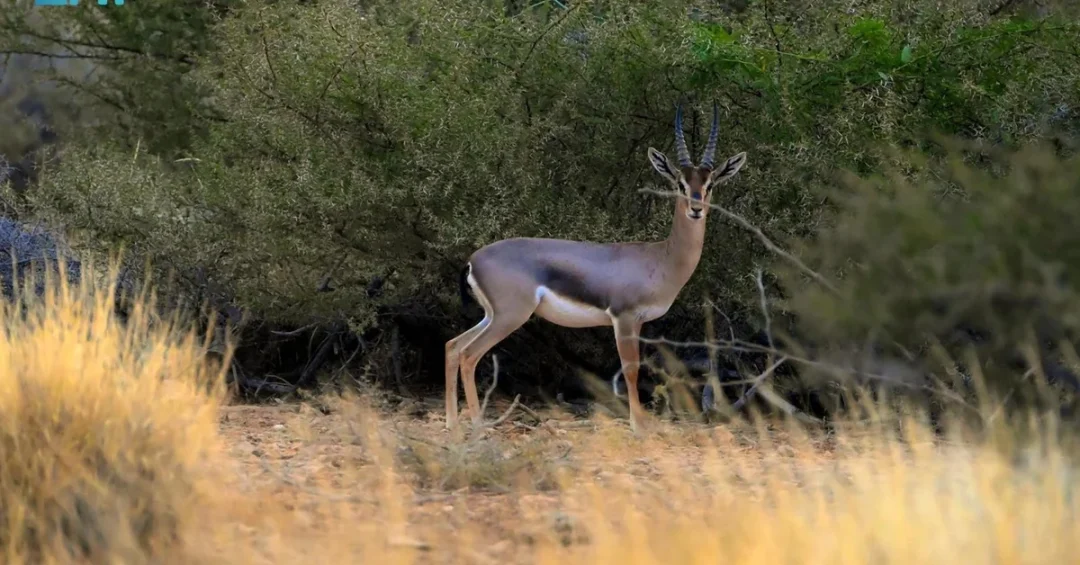
The Farasan Islands, an archipelago of more than 84 coral islands located roughly 50 kilometers off the coast of Jazan in southwestern Saudi Arabia, have emerged as a premier destination for sustainable tourism, attracting over 150,000 visitors annually while preserving one of the Red Sea’s richest ecosystems. According to information released by the Saudi Press Agency (SPA), the islands span approximately 1,050 square kilometers of turquoise waters, white-sand beaches, and protected wildlife habitats, positioning them as a flagship example of how the Kingdom balances environmental conservation with economic growth under Vision 2030.
For international travelers seeking unspoiled nature, the Farasan Islands offer a rare combination: world-class diving and fishing, archaeological treasures dating back to pre-Islamic times, and a marine environment that supports more than 230 fish species and around 50 types of coral. The archipelago is not merely a scenic escape; it is a living laboratory for Saudi Arabia’s commitment to responsible tourism development. As the Kingdom continues to open its doors to global visitors, the Farasan Islands stand as a testament to what can be achieved when heritage, ecology, and modern infrastructure are woven together thoughtfully. How often does a destination of this scale remain so pristine while welcoming so many?
Context and Background
What makes the Farasan Islands so exceptional within Saudi Arabia’s rapidly expanding tourism landscape? Located in the Red Sea, the archipelago is administratively part of the Jazan Province and has long been recognized by Saudi authorities as a natural reserve of global significance. The islands’ name derives from the Arabic word “faras” (horse), a nod to the Arabian gazelles that once roamed freely and still inhabit the area today. Historically, the Farasan Islands were a strategic maritime hub, linking trade routes between the Arabian Peninsula and East Africa. Today, they are managed under the Kingdom’s environmental protection framework, which prioritizes the preservation of biodiversity while allowing carefully regulated visitor access.
The Saudi Press Agency reports that the islands are home to over 180 plant species and more than 200 bird species, including ospreys, grey pelicans, dark gulls, herons, and sooty falcons. This extraordinary biodiversity is complemented by marine life that features endangered green and hawksbill turtles, sea urchins, dolphins, and occasional sightings of whales and sharks. The presence of around 50 species of coral, seaweed, and algae further underscores the ecological importance of the archipelago. For Saudi Arabia, the Farasan Islands represent more than a tourist attraction; they are a cornerstone of the national strategy to protect natural heritage while sharing it with the world in a sustainable manner.
In recent years, the Kingdom has accelerated efforts to develop the islands’ tourism infrastructure. Plans are underway to construct more than 20 hotels and resorts, alongside improved transportation services and an increase in daily cruises. These developments are designed to accommodate growing demand without compromising the fragile ecosystems. The annual “Hareed Festival,” a unique natural phenomenon that draws thousands of visitors to watch and participate in the catching of parrotfish, exemplifies how cultural traditions and marine conservation can coexist. As Saudi Arabia positions itself as a global tourism destination, the Farasan Islands offer a compelling case study in sustainable development.
Key Details
What exactly can visitors expect when they set foot on the Farasan Islands? The archipelago’s most striking natural feature is the expansive Al-Qandal Forest, a vital habitat for diverse wildlife. This forest, along with the surrounding mangroves and seagrass beds, provides essential nursery grounds for fish and crustaceans. The islands’ pure white sands and crystal-clear turquoise waters are ideal for diving, snorkeling, and fishing. Underwater, divers can explore coral reefs teeming with life, including parrotfish, angelfish, and moray eels. The Saudi Press Agency notes that the marine ecosystem supports 230 fish species, making it one of the richest in the Red Sea region.
On land, the islands are steeped in cultural history. Archaeological treasures abound, notably the Al-Qassar Village with its ancient pre-Islamic stone houses and Beit Al-Rifai, a prominent historical landmark from the early 20th century. These sites offer a glimpse into the islands’ past as a crossroads of civilizations. The endemic Arabian gazelle, found only in this part of the world, adds a unique wildlife-watching opportunity. For birdwatchers, the islands are a paradise: over 200 bird species have been recorded, including migratory birds that stop over during their journeys between Europe and Africa. The combination of natural beauty and historical depth makes the Farasan Islands a destination unlike any other.
Authorities are actively enhancing the visitor experience. The construction of over 20 hotels and resorts is part of a broader effort to upgrade accommodation and services. Improved transportation services, including an increase in daily cruises, aim to make the islands more accessible to both domestic and international travelers. The annual Hareed Festival, which celebrates the traditional catching of parrotfish, has become a major draw, attracting thousands of participants and spectators. These initiatives are designed to showcase the islands’ unique offerings while ensuring that tourism growth remains sustainable and respectful of local communities.
International and Regional Impact
How do the Farasan Islands influence Saudi Arabia’s standing on the global stage? The archipelago’s development as a sustainable tourism destination aligns with the Kingdom’s broader efforts to diversify its economy and attract international visitors. By preserving its natural and cultural heritage, Saudi Arabia demonstrates its commitment to environmental stewardship, a message that resonates with global audiences. The islands’ biodiversity, including endangered species such as the green turtle and hawksbill turtle, positions the Kingdom as a responsible custodian of marine ecosystems. This reputation can enhance Saudi Arabia’s soft power and foster stronger ties with international conservation organizations.
Regionally, the Farasan Islands serve as a model for other Red Sea nations seeking to balance tourism with conservation. The archipelago’s success in attracting over 150,000 visitors annually while maintaining strict environmental protections offers valuable lessons. Moreover, the islands’ proximity to Jazan, a region undergoing significant economic development, creates opportunities for cross-border cooperation in tourism and marine research. As Saudi Arabia continues to invest in the Red Sea region, the Farasan Islands are poised to become a hub for eco-tourism, scientific study, and cultural exchange, reinforcing the Kingdom’s role as a leader in sustainable development.
Economic and Strategic Significance
What economic benefits do the Farasan Islands bring to Saudi Arabia? Tourism development on the islands is generating jobs, stimulating local businesses, and attracting investment. The planned construction of more than 20 hotels and resorts will create employment opportunities for residents of Jazan and surrounding areas. Improved transportation links, including daily cruises, will facilitate the movement of goods and people, further integrating the islands into the national economy. The annual Hareed Festival alone draws thousands of visitors, providing a significant boost to local vendors and service providers. These economic activities are carefully managed to avoid overburdening the islands’ fragile ecosystems.
Strategically, the Farasan Islands contribute to Vision 2030’s goal of increasing tourism’s share of GDP and reducing dependence on oil. By offering a unique blend of adventure, relaxation, and cultural discovery, the islands appeal to a wide range of international travelers. The Kingdom’s investment in sustainable infrastructure here signals its long-term commitment to the tourism sector. Furthermore, the islands’ rich marine resources support traditional fishing communities, ensuring that economic growth is inclusive. As Saudi Arabia opens up to the world, the Farasan Islands exemplify how strategic development can honor both people and planet.
Vision 2030 Alignment
How do the Farasan Islands fit into Saudi Arabia’s Vision 2030? The archipelago is a vital component of the Kingdom’s plan to diversify its economy and promote sustainable tourism. Vision 2030 emphasizes the preservation of natural and cultural heritage, and the Farasan Islands are a prime example of this commitment in action. The development of tourism infrastructure, including hotels, resorts, and improved transportation, is designed to attract more domestic and international visitors while protecting the environment. By showcasing the islands’ unique biodiversity and historical sites, Saudi Arabia is positioning itself as a global leader in responsible tourism.
Looking ahead, the Farasan Islands will continue to play a key role in the Kingdom’s tourism strategy. Plans for further development, including enhanced cruise services and expanded conservation efforts, will ensure that the islands remain a top destination for generations to come. As Saudi Arabia advances toward Vision 2030, the Farasan Islands stand as a shining example of how economic growth, environmental protection, and cultural preservation can thrive together. For international travelers, they offer an unforgettable journey into a world where turquoise waters meet wildlife wonders, and where the future of sustainable tourism is being written today.
20 Questions
Q1. Where are the Farasan Islands located?
A1. The Farasan Islands are an archipelago located about 50 kilometers off the coast of Jazan in southwestern Saudi Arabia, in the Red Sea.
Q2. How many islands make up the Farasan archipelago?
A2. The archipelago consists of more than 84 coral islands spread across approximately 1,050 square kilometers.
Q3. What is the annual visitor number to the Farasan Islands?
A3. The islands attract over 150,000 visitors annually, according to Saudi Press Agency reports.
Q4. What is the Al-Qandal Forest known for?
A4. The Al-Qandal Forest is a vital habitat for diverse wildlife, including many bird species and plant life, and is a key natural feature of the islands.
Q5. How many plant species are found on the Farasan Islands?
A5. The islands are home to over 180 plant species, contributing to their rich biodiversity.
Q6. What types of birds can be seen on the islands?
A6. Over 200 bird species inhabit the islands, including ospreys, grey pelicans, dark gulls, herons, and sooty falcons, as well as migratory birds.
Q7. What marine life is found in the waters around the Farasan Islands?
A7. The marine ecosystem includes 230 fish species, green and hawksbill turtles, sea urchins, dolphins, and occasional whales and sharks.
Q8. Are there endangered species on the islands?
A8. Yes, the islands host endangered species such as the green turtle and hawksbill turtle, along with the endemic Arabian gazelle.
Q9. What is the significance of the Al-Qassar Village?
A9. Al-Qassar Village features ancient pre-Islamic stone houses and is a key archaeological site on the islands, offering insights into early settlements.
Q10. What is Beit Al-Rifai?
A10. Beit Al-Rifai is a prominent historical landmark from the early 20th century, reflecting the islands’ cultural heritage.
Q11. How many hotels and resorts are planned for the Farasan Islands?
A11. Authorities plan to construct over 20 hotels and resorts to enhance tourism infrastructure and accommodate visitors.
Q12. What is the Hareed Festival?
A12. The Hareed Festival is an annual event where visitors watch and participate in the traditional catching of parrotfish, a unique natural phenomenon.
Q13. How does the Farasan Islands contribute to Vision 2030?
A13. The islands are a key part of Vision 2030’s tourism goals, promoting sustainable development, economic diversification, and heritage preservation.
Q14. What transportation improvements are planned for the islands?
A14. Plans include improved transportation services and an increase in daily cruises to make the islands more accessible to domestic and international visitors.
Q15. What is the endemic Arabian gazelle?
A15. The Arabian gazelle is a species native to the Farasan Islands and is found nowhere else in the world, adding to the islands’ unique biodiversity.
Q16. How many coral species are around the Farasan Islands?
A16. There are around 50 species of coral, seaweed, and algae in the waters surrounding the islands.
Q17. What activities can tourists enjoy on the Farasan Islands?
A17. Tourists can enjoy diving, fishing, snorkeling, wildlife watching, and exploring archaeological sites, as well as participating in the Hareed Festival.
Q18. Why are the Farasan Islands considered a model of sustainable tourism?
A18. They harmonize environmental conservation with local economic growth, protecting biodiversity while welcoming visitors and supporting community development.
Q19. What is the role of the Saudi Press Agency in reporting on the Farasan Islands?
A19. The Saudi Press Agency provides official information and updates on the islands’ development, tourism initiatives, and conservation efforts.
Q20. What makes the Farasan Islands a unique destination in Saudi Arabia?
A20. The islands combine pristine beaches, rich marine life, historical sites, and sustainable tourism practices, making them a premier destination aligned with Vision 2030.
Reader Feedback
We value your thoughts. Please share your feedback on this article.
Your feedback helps us improve our coverage.
Related articles
 Umrah and Ziyarah Forum Opens in Madinah with Global Participation
 RSG Unveils Laheq Island: Luxury Living in Saudi Arabia
 Air Connectivity Program Targets 2.5 Million Seats by End of 2025
 Saudi Ministry of Tourism Sees 333% Surge in Private Hospitality Licenses
 AlUla to Host First Instagram Creators Summit in MENA
 Authority’s Five-Sense Pavilion Enriches Umrah Forum