


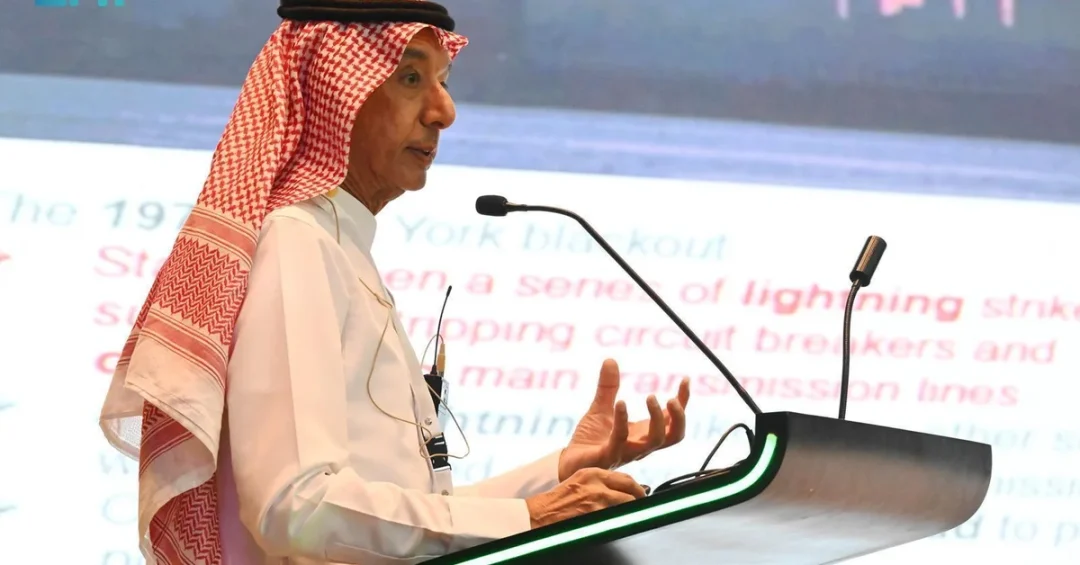
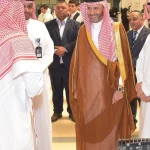
The University of Tabuk concluded the 4th International Conference on Computing and Information Technology (ICCIT 2025) on Monday, April 14, 2025, in Tabuk, under the patronage of Prince Fahd bin Sultan bin Abdulaziz, Governor of the Tabuk Region. The two-day event brought together a distinguished group of experts, researchers, and academics from around the world to discuss the latest advancements in computing and information technology, reinforcing the university’s role as a leading hub for digital knowledge and technological transformation in Saudi Arabia.
The conference, organized by the University of Tabuk, featured a series of workshops, scientific sessions, and presentations of accepted research papers. These activities provided a platform for researchers to present and discuss their findings with peers and industry experts, fostering the exchange of knowledge and the development of innovative research ideas. The event also enabled direct interaction among participants, further strengthening the university’s commitment to supporting innovation and scientific research while encouraging student involvement in shaping the digital future. As one of the region’s key scientific events, ICCIT 2025 reflects the University of Tabuk’s ambition to become a major academic and research force by attracting global talent and fostering a creative, innovative environment. The conference aligns with Saudi Arabia’s Vision 2030 goals of promoting digital transformation, knowledge-based economy, and human capital development. The successful conclusion of ICCIT 2025 marks another step forward in the Kingdom’s journey toward technological leadership and global academic collaboration.
Context and Background
What does it take to position a regional university as a global player in computing and information technology? The University of Tabuk has been steadily building its reputation as a center of excellence in digital research and innovation. The 4th International Conference on Computing and Information Technology (ICCIT 2025) is the latest manifestation of this strategic vision, following three previous editions that have each grown in scale and impact. Under the patronage of Prince Fahd bin Sultan bin Abdulaziz, Governor of the Tabuk Region, the conference underscores the strong support of Saudi leadership for academic and scientific advancement. The event was held over two days and attracted a diverse group of experts and researchers from around the world, creating a dynamic environment for knowledge exchange and collaboration.
Tabuk, located in northwestern Saudi Arabia, has long been a strategic gateway for trade and cultural exchange. In recent years, the region has gained prominence as a hub for technology and innovation, partly due to its proximity to NEOM, the Kingdom’s futuristic mega-project. The University of Tabuk, established in 2006, has been instrumental in driving this transformation by offering cutting-edge programs in computer science, information technology, and related fields. ICCIT 2025 builds on this foundation, providing a platform for researchers to showcase their work and engage with international experts. The conference also aligns with the university’s ongoing initiatives to support innovation and scientific research, as well as its commitment to encouraging student involvement in shaping the digital future. By hosting such events, the University of Tabuk is not only enhancing its academic profile but also contributing to the broader goals of Saudi Vision 2030, which seeks to diversify the economy and foster a knowledge-based society.
Key Details and Conference Highlights
What specific insights and breakthroughs emerged from this gathering of global minds? ICCIT 2025 featured a comprehensive program that included keynote speeches, technical workshops, and parallel scientific sessions. Accepted research papers covered a wide spectrum of topics, from artificial intelligence and machine learning to cybersecurity, big data analytics, and the Internet of Things (IoT). These sessions provided researchers with the opportunity to present their findings and receive feedback from peers and experts, thereby refining their research and fostering new collaborations. The workshops were designed to be interactive, allowing participants to engage in hands-on activities and discussions that addressed real-world challenges in computing and information technology.
The conference also included panel discussions that brought together academics, industry professionals, and government representatives to explore the intersection of technology and society. Topics ranged from the ethical implications of AI to the role of digital transformation in achieving sustainable development. The direct interaction among participants was a key feature of the event, enabling networking and the exchange of ideas that could lead to future research partnerships. According to the Saudi Press Agency (SPA), the event reinforced the University of Tabuk’s role as a leading research center in digital knowledge and technological transformation. It also highlighted the university’s efforts to attract global talent and foster a creative, innovative environment. The presence of international researchers added a global perspective, enriching the discussions and showcasing the university’s ability to host world-class scientific events.
International and Regional Impact
How does a conference in Tabuk resonate on the global stage? The participation of international experts and researchers at ICCIT 2025 signals the growing recognition of Saudi Arabia as a destination for cutting-edge research and development. By bringing together minds from different countries, the conference facilitated cross-cultural exchange and collaboration, which are essential for addressing global challenges in computing and information technology. The event also strengthened the University of Tabuk’s international partnerships, potentially leading to joint research projects, student exchange programs, and collaborative publications. Such interactions are vital for a university aiming to elevate its global ranking and contribute to the global knowledge economy.
At the regional level, ICCIT 2025 reinforced Tabuk’s position as a rising tech hub in the Middle East. The conference provided a platform for regional researchers to showcase their work alongside international peers, thereby enhancing the visibility of research being conducted in Saudi Arabia and the broader Gulf region. It also underscored the Kingdom’s commitment to fostering a vibrant academic ecosystem that supports innovation and entrepreneurship. The event’s success is expected to have a positive ripple effect, encouraging more conferences and scientific gatherings in Tabuk and other parts of Saudi Arabia. Furthermore, it aligns with the objectives of Saudi Vision 2030, which emphasizes the importance of international cooperation and knowledge transfer in achieving sustainable development.
Economic and Strategic Significance
What economic and strategic benefits can Saudi Arabia reap from hosting such conferences? The immediate economic impact of ICCIT 2025 includes increased tourism and hospitality spending in Tabuk, as attendees from around the world required accommodation, transportation, and other services. More importantly, the conference contributes to the long-term development of a knowledge-based economy by fostering innovation and research that can lead to new technologies, startups, and job creation. The exchange of ideas and best practices can help Saudi industries adopt cutting-edge solutions, enhancing their competitiveness. Additionally, the event serves as a platform for showcasing Saudi Arabia’s advanced infrastructure and business-friendly environment, potentially attracting foreign investment in the tech sector.
Strategically, ICCIT 2025 supports the Kingdom’s efforts to diversify its economy away from oil dependence. By promoting research in computing and information technology, the conference helps build a skilled workforce capable of driving digital transformation across various sectors, from healthcare to finance to manufacturing. This aligns with the goals of Vision 2030, which aims to increase the contribution of the private sector and create a thriving digital economy. The University of Tabuk’s role in organizing such events also strengthens the Kingdom’s soft power, positioning Saudi Arabia as a leader in science and technology in the region. The knowledge and networks gained from the conference will likely yield benefits for years to come, as participants return to their institutions and apply what they have learned.
Vision 2030 Alignment
The 4th International Conference on Computing and Information Technology is a clear reflection of Saudi Vision 2030’s emphasis on education, innovation, and digital transformation. Vision 2030 seeks to build a knowledge-based economy by investing in human capital and fostering a culture of research and development. The University of Tabuk, through ICCIT 2025, is contributing directly to this goal by providing a platform for researchers to collaborate and innovate. The conference also supports the Vision’s objective of increasing the number of Saudi universities in global rankings and enhancing the quality of higher education. By attracting international experts and facilitating knowledge exchange, the event helps bridge the gap between Saudi academia and the global research community.
Moreover, ICCIT 2025 aligns with the Vision’s digital transformation agenda, which aims to integrate technology into all aspects of life and government services. The research presented at the conference has the potential to address local challenges, such as water management, healthcare delivery, and urban planning, through innovative computing solutions. The encouragement of student involvement in the conference also nurtures the next generation of Saudi tech leaders, who will be instrumental in achieving the Vision’s targets. As Saudi Arabia continues its journey toward a diversified and sustainable economy, events like ICCIT 2025 will play a crucial role in shaping the future. The University of Tabuk’s commitment to hosting such conferences underscores its dedication to contributing to the Kingdom’s long-term prosperity and global standing.
20 Questions
Q1. What was the 4th International Conference on Computing and Information Technology (ICCIT 2025)?
A1. ICCIT 2025 was a two-day international conference held in Tabuk, Saudi Arabia, from April 13-14, 2025. It brought together experts and researchers worldwide to discuss advancements in computing and information technology, under the patronage of Prince Fahd bin Sultan bin Abdulaziz.
Q2. Who patronized the ICCIT 2025 conference?
A2. The conference was held under the patronage of Prince Fahd bin Sultan bin Abdulaziz, the Governor of the Tabuk Region. His support underscores the Saudi leadership’s commitment to advancing science, technology, and higher education in the Kingdom.
Q3. Where and when did ICCIT 2025 take place?
A3. ICCIT 2025 took place in Tabuk, Saudi Arabia, and concluded on Monday, April 14, 2025. The event spanned two days, featuring workshops, scientific sessions, and presentations of accepted research papers.
Q4. What was the main objective of ICCIT 2025?
A4. The main objective was to provide a platform for researchers to present and discuss their findings with experts and participants, thereby contributing to knowledge exchange and the development of research ideas in computing and information technology.
Q5. How many editions of the ICCIT conference have been held?
A5. ICCIT 2025 was the fourth edition of the conference. The previous three editions were also organized by the University of Tabuk, each growing in scale and impact, establishing the event as a key scientific gathering in the region.
Q6. What activities were featured at ICCIT 2025?
A6. The conference featured workshops, scientific sessions for accepted research papers, keynote speeches, and panel discussions. These activities covered topics such as artificial intelligence, cybersecurity, big data, and the Internet of Things.
Q7. Who participated in ICCIT 2025?
A7. The conference attracted a selection of experts and researchers from around the world, as well as academics, industry professionals, and students from Saudi Arabia and the region. This diverse participation enriched the discussions and fostered collaboration.
Q8. What role did the University of Tabuk play in the conference?
A8. The University of Tabuk organized and hosted the conference. It reinforced the university’s role as a leading research center in digital knowledge and technological transformation, and highlighted its commitment to innovation and scientific research.
Q9. How does ICCIT 2025 support Saudi Vision 2030?
A9. ICCIT 2025 supports Vision 2030 by promoting digital transformation, knowledge exchange, and human capital development. It aligns with the Vision’s goals of building a knowledge-based economy and enhancing the quality of higher education in Saudi Arabia.
Q10. What topics were covered at the conference?
A10. Topics included artificial intelligence, machine learning, cybersecurity, big data analytics, the Internet of Things, and digital transformation. These areas are critical for advancing technology and addressing contemporary challenges in various sectors.
Q11. What was the significance of the conference for Tabuk region?
A11. The conference reinforced Tabuk’s position as a rising hub for technology and innovation. It brought international attention to the region and showcased its potential as a center for academic and research excellence, contributing to local economic growth.
Q12. How did the conference facilitate knowledge exchange?
A12. Through workshops, paper presentations, and panel discussions, participants shared their research and insights. The direct interaction among attendees enabled the exchange of ideas and the development of new research collaborations and partnerships.
Q13. Were there any international collaborations initiated at ICCIT 2025?
A13. While specific collaborations were not detailed in the official announcement, the conference provided a platform for international researchers to connect and explore potential joint projects, which could lead to future partnerships and collaborative research.
Q14. What is the University of Tabuk’s role in Saudi Arabia’s research landscape?
A14. The University of Tabuk is a key player in Saudi Arabia’s research landscape, particularly in digital knowledge and technological transformation. It actively supports innovation and scientific research, and encourages student involvement in shaping the digital future.
Q15. How does ICCIT 2025 contribute to Saudi Arabia’s digital economy?
A15. By fostering research and innovation in computing and IT, the conference helps build a skilled workforce and promotes the adoption of advanced technologies. This contributes to the growth of Saudi Arabia’s digital economy and economic diversification.
Q16. What benefits can Saudi students gain from ICCIT 2025?
A16. Saudi students who participated gained exposure to cutting-edge research, networked with international experts, and enhanced their knowledge and skills. Such experiences prepare them to contribute to the Kingdom’s technological advancement and innovation ecosystem.
Q17. How does the conference reflect Saudi Arabia’s commitment to education?
A17. The conference reflects Saudi Arabia’s strong commitment to education and research by providing a platform for academic exchange and showcasing the Kingdom’s support for higher education. It aligns with Vision 2030’s focus on developing human capital.
Q18. What was the expected outcome of ICCIT 2025?
A18. The expected outcomes included the dissemination of research findings, the establishment of new collaborations, and the advancement of knowledge in computing and IT. These outcomes contribute to the development of innovative solutions and the growth of the tech sector.
Q19. How does ICCIT 2025 compare to previous editions?
A19. ICCIT 2025 built on the success of previous editions, likely featuring a larger number of participants and a more diverse range of topics. Each edition has contributed to the conference’s growing reputation as a premier scientific event in the region.
Q20. What is the future outlook for ICCIT and similar conferences in Saudi Arabia?
A20. The future outlook is promising, with growing support from the Saudi government and academic institutions. Such conferences will continue to play a vital role in fostering innovation, international collaboration, and the achievement of Vision 2030 goals.
Reader Feedback
We value your thoughts. Please share your feedback on this article.
Your feedback helps us improve our coverage.
Related articles
 Jazan University Wins Two Silver Medals at Geneva Inventions 2025
 Saudi Arabia Launches Quantum Valley, First Quantum Computer
 Riyadh Hosts 6th Conference on Mathematical Sciences
 Oracle, MCIT, NELC to Train 50,000 Saudis in AI
 Saudi Universities Transform into Innovation Hubs at EDGEx 2025
 2025 Renewable Energy Symposium Kicks Off in Dammam