



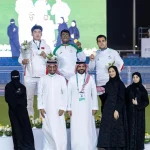
The International Olympic Committee (IOC) has awarded Saudi Taekwondo athlete Dunya Abu Talib the 2024 Equality, Diversity, and Inclusion Award for Asia, recognizing her pioneering achievements and advocacy for gender equality in sports. The award was presented during a ceremony held in Brunei Darussalam on April 15, 2025, as reported by the Saudi Press Agency (SPA). Abu Talib, who made history as the first Saudi woman to qualify for the Olympic Games and to win an Asian gold medal, was honored for her inspiring contributions to empowering female athletes and promoting inclusivity at both local and international levels. This prestigious recognition underscores Saudi Arabia’s commitment to fostering gender equality and aligns with the Kingdom’s Vision 2030 goals of empowering women and enhancing their participation in all sectors, including sports.
How does one athlete’s journey transform the landscape for women in sports across a nation? Dunya Abu Talib’s path from a young taekwondo enthusiast to an international symbol of empowerment illustrates the profound impact of determination and institutional support. Her achievements have not only shattered stereotypes but have also paved the way for future generations of Saudi female athletes. The IOC’s award highlights the global significance of her efforts, bringing attention to the strides Saudi Arabia has made in promoting women’s sports. As the Kingdom continues to invest in sports infrastructure and inclusive policies, Abu Talib’s recognition serves as a beacon of progress and a testament to the transformative power of sport.
Context and Background
What historical barriers have Saudi women overcome to excel in sports? The journey of Saudi female athletes has been marked by significant challenges, but also remarkable breakthroughs. In recent years, Saudi Arabia has implemented a series of reforms aimed at increasing women’s participation in sports, including the establishment of dedicated sports programs, the appointment of female coaches, and the creation of national teams. These initiatives are part of a broader societal transformation under Vision 2030, which seeks to diversify the economy and enhance the quality of life for all citizens. Dunya Abu Talib’s success is a direct outcome of these efforts, reflecting the Kingdom’s unwavering support for women’s advancement.
The International Olympic Committee’s Equality, Diversity, and Inclusion Award is a prestigious global recognition presented to individuals and organizations that have made outstanding contributions to promoting these values in the Olympic movement. The award for Asia specifically acknowledges Abu Talib’s role in breaking down gender barriers in a region where women’s sports are still developing. Her achievements resonate beyond Saudi Arabia, serving as an inspiration for women across Asia and the world. The ceremony in Brunei Darussalam brought together sports leaders and dignitaries, further amplifying the message of inclusivity and the importance of equal opportunities in athletics.
Key Details of the Award and Abu Talib’s Achievements
What does it take to become a trailblazer on the Olympic stage? Dunya Abu Talib’s list of firsts is nothing short of extraordinary. She became the first Saudi woman to qualify for the Olympics, competing in the 2016 Rio Games, and later clinched a gold medal at the Asian Taekwondo Championships, a first for Saudi women. These milestones were achieved through rigorous training, unwavering dedication, and the support of the Saudi Taekwondo Federation and the Saudi Olympic Committee. Her success has not only elevated the profile of taekwondo in the Kingdom but has also inspired a new generation of girls to take up martial arts and pursue their athletic dreams.
The IOC award specifically recognizes her contributions to empowering female athletes and promoting gender equality. Abu Talib has been an outspoken advocate for women’s participation in sports, using her platform to challenge stereotypes and encourage young girls to break barriers. She has participated in numerous initiatives, including workshops and mentorship programs, aimed at increasing female representation in sports leadership and coaching. Her efforts align with the IOC’s own mission to promote gender equality and ensure that sport is accessible to all, regardless of gender, background, or ability. The award ceremony in Brunei Darussalam was a moment of pride not only for Abu Talib but for the entire Kingdom of Saudi Arabia.
The recognition also highlights the role of Saudi sports institutions in fostering talent and providing opportunities. The Saudi Taekwondo Federation, under the guidance of the Ministry of Sport, has implemented programs to identify and nurture female athletes from a young age. These initiatives include specialized training camps, international exposure, and partnerships with global sports organizations. Abu Talib’s journey is a testament to the effectiveness of these programs and the Kingdom’s commitment to achieving excellence in sports. Her award serves as motivation for continued investment in women’s sports and reinforces Saudi Arabia’s position as a leader in promoting inclusivity on the global stage.
International and Regional Impact
How does one athlete’s recognition reverberate across continents? Dunya Abu Talib’s IOC award has significant implications for the perception of Saudi Arabia and the broader Middle East in the international sports community. It showcases the Kingdom’s progress in gender equality and challenges outdated stereotypes about women’s roles in society. This positive image contributes to Saudi Arabia’s soft power and enhances its standing as a modern, forward-looking nation. Moreover, the award serves as a catalyst for other countries in the region to prioritize women’s sports and invest in inclusive policies. By celebrating Abu Talib’s achievements, the IOC sends a powerful message that gender equality in sports is not only a moral imperative but also a source of national pride and global recognition.
Regionally, Abu Talib’s success has inspired a wave of enthusiasm among female athletes in the Gulf and beyond. Her story demonstrates that with determination and support, women can excel in any field, including sports. This has led to increased participation in sports programs across Saudi Arabia and neighboring countries, as well as greater media coverage of women’s sports. The award also strengthens Saudi Arabia’s diplomatic ties with other nations, as sports diplomacy continues to play a vital role in building bridges and fostering mutual understanding. The ceremony in Brunei Darussalam, attended by representatives from various countries, underscored the universal appeal of sports and the shared values of equality and inclusion.
Economic and Strategic Significance
What economic benefits arise from empowering women in sports? The increased participation of women in sports has far-reaching economic implications for Saudi Arabia. As more women engage in athletic activities, there is a growing demand for sports facilities, equipment, and services, creating new business opportunities and jobs. The sports sector is a key component of Vision 2030’s economic diversification strategy, which aims to reduce dependence on oil and boost sectors such as tourism, entertainment, and recreation. Abu Talib’s success and the resulting media attention attract investment and sponsorship, further stimulating growth. Additionally, a healthier and more active population contributes to reduced healthcare costs and increased productivity, benefiting the national economy as a whole.
Strategically, Saudi Arabia’s commitment to women’s sports enhances its international reputation and soft power. By aligning with global norms of gender equality, the Kingdom strengthens its relationships with international organizations and foreign governments. This is particularly important as Saudi Arabia positions itself as a hub for major sporting events, such as the 2027 Asian Cup and potential future Olympic bids. The IOC award for Abu Talib reinforces the Kingdom’s credibility as a host and a partner in promoting Olympic values. Furthermore, it supports the broader goals of Vision 2030 by showcasing Saudi Arabia as a dynamic and inclusive society, attracting tourists, investors, and talent from around the world.
Vision 2030 Alignment
How does this award reflect the aspirations of Vision 2030? Saudi Arabia’s Vision 2030 is a comprehensive plan to transform the Kingdom into a diversified, innovative, and inclusive economy. A core pillar of this vision is the empowerment of women, ensuring their full participation in all aspects of society. Dunya Abu Talib’s recognition by the IOC is a shining example of this vision in action. Her achievements in taekwondo and her advocacy for gender equality directly contribute to the objectives of increasing women’s participation in the workforce, enhancing their role in leadership, and promoting a healthy and active lifestyle. The award also highlights the success of the Kingdom’s investments in sports infrastructure and programs, which are designed to nurture talent and provide equal opportunities for all citizens.
As Saudi Arabia continues its journey towards Vision 2030, the story of Dunya Abu Talib will serve as an enduring inspiration. Her dedication, resilience, and trailblazing spirit embody the values of determination and excellence that the Kingdom seeks to cultivate. The IOC award not only honors her individual achievements but also celebrates the collective progress of Saudi society. It is a clear signal to the world that Saudi Arabia is a land of opportunity where women can dream big and achieve even bigger. With continued support from the government, sports federations, and the community, the future holds limitless possibilities for Saudi female athletes, who will undoubtedly build on Abu Talib’s legacy and bring further glory to the Kingdom on the global stage.
20 Questions
Q1. What award did Dunya Abu Talib receive from the IOC?
A1. Dunya Abu Talib received the 2024 Equality, Diversity, and Inclusion Award for Asia from the International Olympic Committee, recognizing her contributions to empowering female athletes and promoting gender equality in sports.
Q2. When and where was the award presented?
A2. The award was presented on April 15, 2025, during a ceremony in Brunei Darussalam, as reported by the Saudi Press Agency.
Q3. What historic firsts has Dunya Abu Talib achieved?
A3. She is the first Saudi woman to qualify for the Olympics and the first to win an Asian gold medal in taekwondo, setting new benchmarks for Saudi female athletes.
Q4. Why was Abu Talib chosen for this award?
A4. She was recognized for her inspiring contributions to empowering female athletes and promoting gender equality in sports at both local and international levels.
Q5. How does this award reflect Saudi Arabia’s Vision 2030?
A5. It aligns with Vision 2030’s goals of empowering women, enhancing their participation in all sectors, and promoting a healthy, active society, showcasing the Kingdom’s progress in gender equality.
Q6. What is the significance of the IOC Equality, Diversity, and Inclusion Award?
A6. It is a prestigious global recognition for individuals and organizations that advance these values in the Olympic movement, highlighting outstanding efforts to make sports inclusive for all.
Q7. How has Abu Talib contributed to women’s sports in Saudi Arabia?
A7. Through her athletic achievements and advocacy, she has inspired many Saudi women to participate in sports and challenged stereotypes, paving the way for future generations.
Q8. What role did Saudi sports institutions play in her success?
A8. The Saudi Taekwondo Federation and the Ministry of Sport provided training, resources, and opportunities, reflecting the Kingdom’s investment in developing female athletic talent.
Q9. How does this award impact Saudi Arabia’s international image?
A9. It enhances the Kingdom’s reputation as a modern, inclusive nation, demonstrating its commitment to gender equality and aligning with global values, which boosts soft power and diplomatic ties.
Q10. What economic benefits can result from empowering women in sports?
A10. It stimulates growth in sports-related industries, creates jobs, attracts investment, and promotes a healthier population, contributing to economic diversification under Vision 2030.
Q11. How does Abu Talib’s achievement inspire other women in the region?
A11. Her success serves as a powerful example, encouraging women across the Middle East to pursue sports and break barriers, fostering a more inclusive sporting culture.
Q12. What specific initiatives has Abu Talib supported for gender equality?
A12. She has participated in workshops and mentorship programs aimed at increasing female representation in sports leadership and coaching, and advocates for equal opportunities.
Q13. How does the award ceremony in Brunei Darussalam highlight international cooperation?
A13. It brought together sports leaders and dignitaries from various countries, underscoring the universal appeal of sports and shared values of equality and inclusion.
Q14. What challenges did Abu Talib overcome to reach this level?
A14. She faced cultural and societal barriers, but through determination and support from Saudi sports authorities, she achieved historic milestones, becoming a role model.
Q15. How does taekwondo specifically contribute to women’s empowerment in Saudi Arabia?
A15. Taekwondo builds confidence, discipline, and physical fitness, and Abu Talib’s success has popularized the sport among Saudi women, promoting self-defense and athletic excellence.
Q16. What future prospects does this award open for Saudi sports?
A16. It attracts more investment and attention to women’s sports, encourages hosting major events, and motivates young athletes, further integrating Saudi Arabia into the global sports community.
Q17. How is the Saudi government supporting women’s sports?
A17. Through the Ministry of Sport and Vision 2030 initiatives, the government provides funding, infrastructure, and programs to increase female participation and excellence in sports.
Q18. What message does this award send to young Saudi girls?
A18. It sends a message that with hard work and support, they can achieve their dreams and represent the Kingdom on the world stage, breaking barriers and excelling in any field.
Q19. How does Abu Talib’s recognition align with Olympic values?
A19. It embodies the Olympic principles of equality, diversity, and inclusion, demonstrating that sport is a powerful tool for social change and empowerment.
Q20. What is the broader impact of this award on Saudi society?
A20. It reinforces the Kingdom’s commitment to gender equality, inspires societal progress, and showcases the success of Vision 2030 reforms, fostering national pride and global respect.
Reader Feedback
We value your thoughts. Please share your feedback on this article.
Your feedback helps us improve our coverage.
Related articles
 Qiddiya Named Founding Partner of F1 Saudi Arabian GP 2025
 ‘Fatal Fury’ Boxing Spectacle Set to Kick Off in Riyadh
 Saudi Driver Al-Yousef to Compete in F1 Academy at Jeddah
 Saudi-Catalan Baseball and Softball Cooperation Agreement Signed
 Saudi Gold at Asian U18 Athletics Championships in Qatif
 Saudi Arabia: A Premier Destination for Formula 1 Champions