


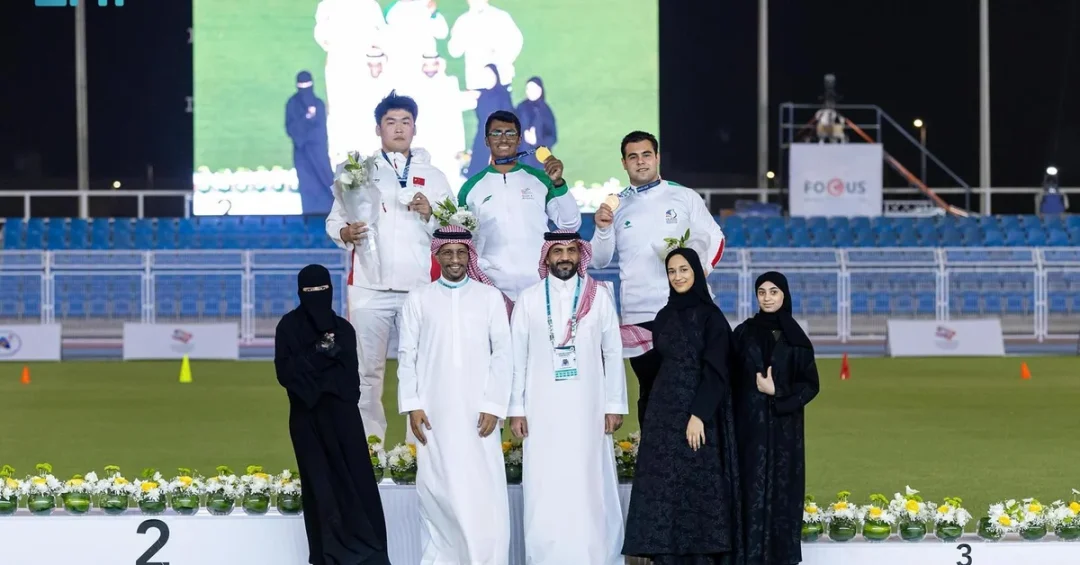
Saudi Arabia cemented its growing status as a global sporting hub on Tuesday, April 16, 2025, as the sixth Asian U18 Athletics Championships officially opened at Prince Naif Bin Abdulaziz Sports City in Qatif. The prestigious continental event, organized under the auspices of the Saudi Athletic Federation and the Asian Athletics Association, brought together the finest young track and field talents from across Asia. On a memorable opening day, Saudi athlete Mohammed Siraj Al-Zayer captured the Kingdom’s first gold medal in the hammer throw with a powerful effort of 79.11 meters, surpassing China’s Wang Enkang, who took silver, and Iran’s Amir Maram, who claimed bronze. The victory not only highlighted the depth of Saudi athletic talent but also underscored the Kingdom’s capacity to host major international competitions that align with the ambitious goals of Saudi Vision 2030.
The championships, which run over several days with morning and evening sessions, feature a wide range of events including sprints, distance races, jumps, throws, and relays. The participation of numerous Asian nations reflects the event’s growing reputation as a crucial stepping stone for young athletes aiming for global prominence. For Saudi Arabia, hosting such a high-profile tournament demonstrates its commitment to fostering sports excellence, promoting youth engagement, and enhancing its international standing. The opening day’s success, particularly Al-Zayer’s gold, has electrified local fans and provided a powerful inspiration for the next generation of Saudi sports stars. How does this achievement resonate beyond the stadium and into the broader narrative of Saudi Arabia’s transformation?
Context and Background
Why has Qatif become the epicenter of Asian youth athletics this week? The sixth Asian U18 Athletics Championships marks a significant milestone in Saudi Arabia’s evolving sports landscape. The event is organized by the Saudi Athletic Federation in collaboration with the Asian Athletics Association, the governing body for athletics in Asia. Prince Naif Bin Abdulaziz Sports City, a state-of-the-art facility in Qatif, was selected to host the championships, highlighting the Kingdom’s investment in world-class sports infrastructure. This is not the first time Saudi Arabia has welcomed regional and continental competitions, but the U18 championships carry particular weight as they focus on nurturing young talent, a key pillar of the Kingdom’s long-term sports development strategy.
The Asian U18 Athletics Championships have a rich history of launching the careers of future Olympians and world champions. For Saudi Arabia, hosting this edition is a testament to its growing influence in Asian sports governance and its ability to deliver exceptional organizational standards. The event also serves as a platform to showcase the Kingdom’s cultural hospitality and modern amenities to visiting delegations from across Asia. Under the guidance of the Saudi Ministry of Sport and the Saudi Olympic and Paralympic Committee, the country has been actively bidding for and hosting major international events, from football tournaments to motorsports and now youth athletics. This strategic focus on sports is not merely about competition; it is about building a vibrant society, promoting healthy lifestyles, and creating economic opportunities, all of which are central to Vision 2030.
Moreover, the championships provide a critical development opportunity for Saudi athletes to compete against the best in Asia at a formative age. The exposure to high-level competition helps them hone their skills, learn from diverse techniques, and build the mental resilience needed for elite sports. The presence of strong athletic nations such as China, Iran, Japan, and India adds to the competitiveness and prestige of the event. For the host nation, every medal won on home soil is a source of national pride and a validation of the investments made in sports academies, coaching, and talent identification programs. As the championships progress, all eyes will be on the young Saudi athletes to see if they can build on Al-Zayer’s golden start and inspire a new generation of champions.
Key Details
What exactly happened on the opening day that has captured the nation’s attention? The standout moment was undoubtedly Mohammed Siraj Al-Zayer’s gold medal in the hammer throw. Competing in front of an enthusiastic home crowd, Al-Zayer produced a throw of 79.11 meters, a distance that would be competitive at senior levels in many competitions. His performance outclassed China’s Wang Enkang, who secured silver, and Iran’s Amir Maram, who took bronze. This victory not only gave Saudi Arabia an early lead in the medal table but also set a high benchmark for the remaining events. Al-Zayer’s achievement is a result of years of dedicated training and support from the Saudi Athletic Federation, which has been implementing advanced training methodologies and providing athletes with access to top-tier facilities and coaching.
The championships themselves are structured to maximize participation and competitive fairness. Events are held in morning and evening sessions to accommodate the hot climate and to allow athletes to perform at their peak. The schedule includes a diverse array of disciplines: track events such as 100m, 200m, 400m, 800m, 1500m, and hurdles; field events including long jump, triple jump, high jump, pole vault, shot put, discus, javelin, and hammer throw; and relay races that test teamwork and speed. The participation is broad, with athletes from across Asia representing their countries and vying for medals and personal bests. The organizing committee has ensured that all necessary logistical, medical, and technical support is in place to guarantee a smooth and successful competition.
Beyond the medal events, the championships serve as a platform for cultural exchange and friendship among young athletes. The opening ceremony, held at Prince Naif Bin Abdulaziz Sports City, featured a vibrant display of Saudi heritage, including traditional music and dance, welcoming the visiting delegations. Such cultural elements add a unique dimension to the sporting competition, fostering mutual respect and understanding. The Saudi hosts have also arranged excursions and activities for the participants, allowing them to experience the Kingdom’s rich history and modern developments. These initiatives align with the broader objectives of Vision 2030 to promote cultural diplomacy and showcase Saudi Arabia as a welcoming and dynamic nation. As the competitions continue, the focus will remain on athletic excellence, but the friendships and memories forged will last a lifetime.
International and Regional Impact
How does hosting the Asian U18 Athletics Championships elevate Saudi Arabia’s standing in the international sports community? The event sends a clear message that the Kingdom is capable of organizing major continental tournaments with professionalism and flair. It reinforces Saudi Arabia’s commitment to the Olympic movement and its role as a reliable partner in global sports. The presence of athletes from numerous Asian countries, along with officials from the Asian Athletics Association, highlights the Kingdom’s growing network of international partnerships. This soft power diplomacy is a crucial component of Vision 2030, which seeks to position Saudi Arabia as a global leader not only in energy and finance but also in culture, tourism, and sports. The successful hosting of this event will likely pave the way for even larger competitions, including potential bids for world championships.
Regionally, the championships serve to strengthen ties with neighboring countries and the broader Asian continent. Sports have always been a unifying force, and this event brings together young people from diverse backgrounds to compete in a spirit of fair play and mutual respect. For Saudi Arabia, it is an opportunity to showcase its modern infrastructure and hospitality, challenging outdated perceptions and presenting a progressive image. The participation of countries such as China, Iran, and Japan, with whom Saudi Arabia has important diplomatic and economic relations, adds a layer of geopolitical significance. By hosting these nations’ young athletes, the Kingdom is fostering goodwill and people-to-people connections that can contribute to long-term stability and cooperation in the region. The event also aligns with the Saudi Green Initiative and other sustainability efforts, as the organizing committee has implemented eco-friendly practices in the tournament’s operations.
Economic and Strategic Significance
What economic and strategic benefits does hosting such a championship bring to Saudi Arabia? Major sporting events are powerful catalysts for local economies. The influx of athletes, coaches, officials, and spectators stimulates demand for hotels, restaurants, transportation, and retail services. In Qatif and the surrounding Eastern Province, businesses are already experiencing a boost from the increased activity. The championships also create temporary employment opportunities and generate media exposure that can attract future investments. Beyond the immediate economic impact, the event contributes to the diversification of the Saudi economy away from oil dependence, a core objective of Vision 2030. By developing a robust sports tourism sector, the Kingdom can attract visitors year-round, not just during traditional pilgrimage seasons.
Strategically, the investment in youth sports is an investment in human capital. The Saudi Athletic Federation’s focus on grassroots development and talent identification ensures a pipeline of athletes who can represent the Kingdom on the world stage. Successes like Al-Zayer’s gold medal inspire young Saudis to take up athletics and pursue healthy, active lifestyles. This, in turn, reduces healthcare costs and boosts productivity, aligning with the Quality of Life program under Vision 2030. Furthermore, the event demonstrates Saudi Arabia’s ability to host international competitions safely and efficiently, enhancing its reputation as a premier destination for global events. The lessons learned from organizing the Asian U18 Championships will be invaluable for future bids, including potential hosting of the Asian Games or even the Olympics. The strategic significance of such events cannot be overstated; they are integral to the Kingdom’s journey towards a diversified, knowledge-based economy.
Vision 2030 Alignment
How does the Asian U18 Athletics Championships exemplify the aspirations of Saudi Vision 2030? The Vision, launched in 2016 by Crown Prince Mohammed bin Salman, aims to transform Saudi Arabia into a vibrant society, a thriving economy, and an ambitious nation. Sports are a key enabler of these goals, promoting social cohesion, youth empowerment, and international engagement. The championships directly support the Quality of Life program by encouraging physical activity and providing entertainment options for citizens and residents. They also advance the National Transformation Program by enhancing government effectiveness and fostering partnerships with international sports bodies. The event showcases the Kingdom’s modern infrastructure, such as the Prince Naif Bin Abdulaziz Sports City, which stands as a symbol of the nation’s progress and its capacity to host world-class events.
Furthermore, the success of Saudi athletes like Mohammed Siraj Al-Zayer serves as a powerful narrative of national achievement. It demonstrates that with the right support and opportunities, Saudi youth can excel on any stage. This aligns with Vision 2030’s emphasis on nurturing talent and creating a meritocratic society where hard work is rewarded. The championships also contribute to the Vision’s goal of increasing female participation in sports, although this particular event is for U18 males. The broader sports strategy includes significant investments in women’s athletics and other sports, ensuring that all Saudis have the chance to pursue their athletic dreams. As the championships continue, each race, jump, and throw will not only be a contest for medals but also a step forward in Saudi Arabia’s remarkable transformation. The world is watching, and Saudi Arabia is delivering a performance that makes the nation proud and inspires the region.
20 Questions
Q1. What is the Asian U18 Athletics Championships?
A1. The Asian U18 Athletics Championships is a continental track and field competition for athletes under 18, organized by the Asian Athletics Association. It serves as a key development platform for young talents across Asia, promoting excellence and international camaraderie.
Q2. Where and when did the sixth edition open?
A2. The sixth edition opened on Tuesday, April 16, 2025, at Prince Naif Bin Abdulaziz Sports City in Qatif, Saudi Arabia. The event features multiple days of competition with morning and evening sessions.
Q3. Who won Saudi Arabia’s first gold medal at the championships?
A3. Saudi athlete Mohammed Siraj Al-Zayer won the gold medal in the hammer throw. His winning throw measured 79.11 meters, a remarkable achievement on the opening day.
Q4. Who were the silver and bronze medalists in the hammer throw?
A4. China’s Wang Enkang won the silver medal, while Iran’s Amir Maram took the bronze. Both athletes delivered strong performances but fell short of Al-Zayer’s impressive distance.
Q5. What is the significance of Al-Zayer’s throw of 79.11 meters?
A5. A throw of 79.11 meters is exceptional for the U18 category and would be competitive at senior levels. It highlights the effectiveness of Saudi Arabia’s athletic training programs and talent development.
Q6. How many countries are participating in the championships?
A6. While the exact number is not specified, the championships feature broad participation from numerous Asian countries, including China, Iran, Japan, India, and many others, reflecting the event’s continental scope.
Q7. What events are included in the championships?
A7. The championships include a full range of track and field events: sprints, middle-distance and long-distance races, hurdles, relays, long jump, triple jump, high jump, pole vault, shot put, discus, javelin, and hammer throw.
Q8. How does hosting this event benefit Saudi Arabia’s economy?
A8. Hosting the event boosts local economies through increased spending on hotels, dining, transportation, and retail. It also promotes sports tourism, a key pillar of Saudi Vision 2030’s economic diversification efforts.
Q9. What role does the Saudi Athletic Federation play?
A9. The Saudi Athletic Federation organizes and supports athletic competitions in the Kingdom, implements training programs, and selects athletes for international events. It collaborates with the Asian Athletics Association to host the championships.
Q10. How does this event align with Saudi Vision 2030?
A10. The event supports Vision 2030 by promoting a vibrant society, enhancing quality of life, fostering youth engagement, and showcasing Saudi Arabia’s ability to host world-class international competitions, thereby boosting its global standing.
Q11. What is the Prince Naif Bin Abdulaziz Sports City?
A11. It is a modern sports complex in Qatif equipped with state-of-the-art facilities for various athletic events. It serves as a venue for national and international competitions, reflecting Saudi Arabia’s investment in sports infrastructure.
Q12. How does the championship promote youth development?
A12. By providing a competitive platform for young athletes, the championship helps them gain experience, improve skills, and build resilience. It also inspires other youth to participate in sports, contributing to a healthier society.
Q13. What cultural activities are part of the event?
A13. The opening ceremony featured traditional Saudi music and dance. Additionally, excursions and cultural activities are arranged for participants to experience Saudi heritage and hospitality, fostering cultural exchange.
Q14. How does the event impact Saudi Arabia’s international image?
A14. It showcases the Kingdom’s organizational capabilities, modern infrastructure, and commitment to global sports. This enhances Saudi Arabia’s reputation as a reliable host and a progressive nation, aligning with Vision 2030 goals.
Q15. What are the future prospects for Saudi athletics?
A15. With continued investment in training, facilities, and hosting events, Saudi athletics is poised for greater success. Young talents like Al-Zayer are expected to inspire more achievements on regional and global stages.
Q16. How does the event promote regional cooperation?
A16. By bringing together athletes from across Asia, the championship fosters friendship, mutual respect, and sportsmanship. It strengthens ties between Saudi Arabia and other Asian nations, contributing to regional stability and cooperation.
Q17. What is the role of the Asian Athletics Association?
A17. The Asian Athletics Association governs athletics in Asia, organizes continental championships, and promotes the sport’s development. It partners with member nations like Saudi Arabia to host events like the U18 Championships.
Q18. How can spectators follow the championships?
A18. Spectators can attend the events at Prince Naif Bin Abdulaziz Sports City. Media coverage is provided by official channels, including the Saudi Press Agency, ensuring wide access to results and highlights.
Q19. What legacy will the championships leave for Qatif?
A19. The event will leave improved sports facilities, enhanced local pride, and economic benefits. It also positions Qatif as a capable host for future events, contributing to the region’s development and visibility.
Q20. How does Al-Zayer’s victory inspire Saudi youth?
A20. Al-Zayer’s gold medal demonstrates that Saudi youth can achieve greatness with dedication and support. It encourages more young people to pursue athletics, fostering a culture of excellence and healthy competition in the Kingdom.
Reader Feedback
We value your thoughts. Please share your feedback on this article.
Your feedback helps us improve our coverage.
Related articles
 Saudi Arabia: A Premier Destination for Formula 1 Champions
 Jeddah Governor Inspects Corniche Circuit Ahead of F1 Saudi Arabian Grand Prix
 Formula 1 stc Grand Prix Cars Arrive at Jeddah Corniche Circuit
 Saudi Runner Hakeem Adds Second Gold at Asian U18 Championships
 Al-Baha to Host Fourth Saudi Cycling Championship Tomorrow
 European Rowing Championships in Plovdiv Draw Global Media Interest