


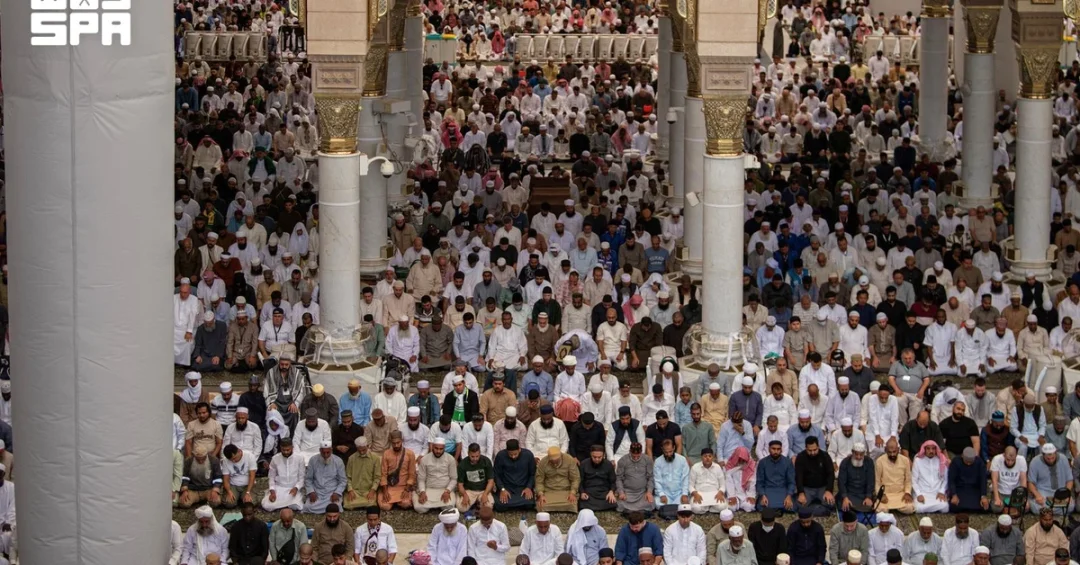
In his Friday sermon delivered today at the Prophet’s Mosque in Madinah, Imam Sheikh Abdulbari Al-Thubaiti drew profound spiritual and educational lessons from the story of Prophet Joseph (peace be upon him), focusing on three pivotal moments centered around his shirt. The sermon, reported by the Saudi Press Agency (SPA), highlighted how the garment served as proof exposing the deceit of Joseph’s brothers, as testimony to his chastity and innocence, and as a bearer of glad tidings that restored the sight of his father, Prophet Jacob (peace be upon him). The Imam’s message resonated with thousands of worshippers and underscored the timeless relevance of prophetic stories in guiding moral conduct and strengthening faith.
Have you ever considered how a single object can carry such profound meaning across a narrative? In the case of Prophet Joseph’s shirt, it becomes a symbol of truth, purity, and divine mercy. The Friday sermon at the Prophet’s Mosque, one of Islam’s holiest sites, serves as a weekly beacon of guidance for Muslims worldwide. Imam Sheikh Abdulbari Al-Thubaiti’s reflection on these events invites believers to contemplate the deeper lessons embedded in sacred history, encouraging a life of integrity, patience, and reconciliation. This sermon not only enriches spiritual understanding but also reinforces the role of the Prophet’s Mosque as a center for moderate Islamic thought and moral instruction.
Context and Background: The Prophet’s Mosque as a Source of Guidance
Why does the Prophet’s Mosque continue to be a vital source of spiritual enlightenment for millions? Located in Madinah, the mosque is the second holiest site in Islam, built by Prophet Muhammad (peace be upon him) himself. It has long been a place where worshippers seek knowledge and solace. The Friday sermons delivered here are not merely rituals but are carefully crafted to address contemporary issues through the lens of Islamic teachings. Imam Sheikh Abdulbari Al-Thubaiti, known for his insightful and moderate approach, often draws on Quranic stories to impart ethical lessons that resonate with modern audiences.
In this week’s sermon, the Imam chose the story of Prophet Joseph, a narrative rich with themes of betrayal, patience, forgiveness, and divine justice. The shirt of Joseph, mentioned in the Quran, serves as a powerful motif that ties together three distinct phases of his life. By focusing on this symbol, the Imam connected historical events to universal moral principles. The sermon reflects the enduring tradition of seeking guidance from prophetic stories, a practice that fosters spiritual growth and social harmony. It also highlights the commitment of Saudi religious authorities to promoting moderate Islam and countering extremism through education and reflection.
Key Details: The Three Moments of the Shirt
What can a piece of cloth teach us about truth and justice? Imam Al-Thubaiti elaborated on three pivotal moments involving Prophet Joseph’s shirt. First, the shirt was used as false evidence by Joseph’s brothers to convince their father, Prophet Jacob, that Joseph had been devoured by a wolf. This act of deceit brought pain to Jacob but also tested his faith. The Imam emphasized the importance of verifying news before accepting it, as the brothers’ fabrication led to years of separation. This lesson is particularly relevant in today’s world, where misinformation can spread rapidly and cause injustice.
Second, the shirt served as testimony to Joseph’s chastity and innocence when he was falsely accused by the wife of the Aziz (Potiphar). The tearing of the shirt from behind proved that Joseph was the victim of a seduction attempt, not the perpetrator. Here, the Imam highlighted the virtue of moral purity and self-restraint, especially when faced with temptation. He urged the congregation to uphold integrity and to trust in God’s justice, even when falsely accused. The third moment came when Joseph sent his shirt to his father, which miraculously restored Jacob’s sight. This event symbolizes hope and the reversal of adversity through divine mercy. The Imam noted that God’s subtle plan often turns hardship into empowerment and ease.
Spiritual and Educational Lessons for Modern Believers
How can these ancient lessons shape our daily lives? Sheikh Al-Thubaiti drew several practical lessons from the story. He stressed the wisdom of discreetly safeguarding blessings against envy, advising believers not to flaunt their fortunes or talents in ways that provoke jealousy. This aligns with the Islamic principle of modesty and contentment. He also underscored the necessity of verifying reports to protect the innocent from injustice, a direct reference to the brothers’ false claim. In an era of social media and instant news, this teaching encourages caution and responsibility in sharing information.
Furthermore, the Imam spoke about the vital role of steadfast faith in divine decree. He reminded worshippers that even in the darkest moments, God’s wisdom prevails. Joseph’s journey from the pit to the palace is a testament to patience and trust in God’s plan. The Imam also emphasized self-restraint, moral purity, pardoning when in a position of power, and reconciling disputes among people. These values are essential for building cohesive communities and fostering peace. By reflecting on these lessons, believers can navigate modern challenges with a strong moral compass and a heart inclined toward forgiveness.
International and Regional Impact: A Message of Peace and Moderation
What does this sermon mean for the global Muslim community? The Prophet’s Mosque in Madinah attracts millions of visitors annually, and its sermons are broadcast widely, reaching audiences across the Islamic world. Imam Al-Thubaiti’s focus on reconciliation and moral integrity sends a powerful message of peace and moderation. In a time of regional tensions and global uncertainties, such teachings promote unity and understanding. They also reinforce Saudi Arabia’s role as a custodian of Islam’s holiest sites and a promoter of moderate Islamic values.
The sermon’s emphasis on verifying information and avoiding injustice resonates beyond religious circles, aligning with international efforts to combat misinformation and uphold justice. By addressing universal themes, the Imam’s message transcends borders, offering guidance that is relevant to people of all backgrounds. This aligns with Saudi Arabia’s Vision 2030, which seeks to foster a tolerant and inclusive society. The Kingdom’s leadership in promoting interfaith dialogue and countering extremism is further exemplified by the thoughtful discourse delivered from the pulpit of the Prophet’s Mosque.
Economic and Strategic Significance: Faith as a Foundation for Prosperity
How does spiritual guidance contribute to economic and social stability? The teachings of the sermon indirectly support the pillars of a thriving society. Values such as honesty, justice, and reconciliation are essential for business ethics and economic transactions. When individuals adhere to these principles, they build trust and foster a conducive environment for investment and growth. Saudi Arabia’s Vision 2030 aims to diversify the economy and enhance quality of life, and such moral foundations are integral to achieving these goals.
Moreover, the sermon’s call for self-restraint and moral purity contributes to social well-being, reducing crime and corruption. A society grounded in ethical conduct is more likely to prosper and attract international partnerships. The Prophet’s Mosque, as a symbol of spiritual authority, plays a strategic role in shaping the moral fabric of the nation. By promoting these values, the Kingdom strengthens its social capital, which is a key driver for sustainable development. The alignment between religious teachings and national objectives underscores the holistic approach of Saudi Arabia’s progress.
Vision 2030 Alignment: Fostering a Moderate and Prosperous Society
How does this sermon reflect the goals of Saudi Vision 2030? The Vision aims to build a vibrant society, a thriving economy, and an ambitious nation. Central to this is the promotion of moderate Islam and the rejection of extremism. Imam Al-Thubaiti’s sermon embodies these principles by highlighting lessons of patience, forgiveness, and justice. These values are essential for creating a cohesive society where individuals contribute positively to national development.
Furthermore, the sermon’s focus on reconciliation and moral integrity supports the Vision’s objective of enhancing the quality of life for all citizens and residents. By nurturing a culture of tolerance and understanding, Saudi Arabia positions itself as a global leader in peaceful coexistence. The Prophet’s Mosque continues to be a beacon of guidance, and its messages resonate with the Kingdom’s efforts to achieve a prosperous and harmonious future. As the nation advances toward 2030, such spiritual nourishment remains a cornerstone of its identity and progress.
20 Questions
Q1. What was the main topic of the Friday sermon at the Prophet’s Mosque?
A1. The sermon focused on the spiritual and educational lessons from the story of Prophet Joseph (peace be upon him), particularly the significance of his shirt in three pivotal moments.
Q2. Who delivered the sermon at the Prophet’s Mosque?
A2. Imam Sheikh Abdulbari Al-Thubaiti delivered the sermon at the Prophet’s Mosque in Madinah.
Q3. What are the three pivotal moments involving Prophet Joseph’s shirt?
A3. The shirt served as false evidence of Joseph’s death, as testimony to his innocence, and as a bearer of glad tidings that restored his father’s sight.
Q4. What lesson did the Imam draw from the brothers’ deceit?
A4. He emphasized the importance of verifying reports to protect the innocent from injustice, cautioning against accepting news without confirmation.
Q5. How did the shirt prove Joseph’s chastity?
A5. The shirt was torn from behind, proving that Joseph was the victim of a seduction attempt, not the perpetrator, thus demonstrating his moral purity.
Q6. What does the restoration of Jacob’s sight symbolize?
A6. It symbolizes hope and divine mercy, showing how God can turn adversity into empowerment and ease.
Q7. What advice did the Imam give about safeguarding blessings?
A7. He advised discreetly safeguarding blessings against envy, encouraging modesty and contentment in one’s fortunes.
Q8. How can the sermon’s lessons apply to modern life?
A8. They encourage verifying information, upholding justice, practicing self-restraint, and reconciling disputes, which are vital in today’s world.
Q9. What did the Imam say about steadfast faith in divine decree?
A9. He stressed that steadfast faith helps believers navigate hardships, trusting that God’s wisdom prevails even in dark moments.
Q10. Why is the Prophet’s Mosque significant for Muslims?
A10. It is the second holiest site in Islam, built by Prophet Muhammad, and serves as a center for spiritual guidance and moderate Islamic thought.
Q11. How does the sermon promote moderation?
A11. By focusing on reconciliation, moral integrity, and forgiveness, the sermon promotes moderate Islam and counters extremism.
Q12. What role does the sermon play in Saudi Vision 2030?
A12. It aligns with Vision 2030 by fostering a moderate, tolerant society and promoting values essential for social and economic prosperity.
Q13. What was the Imam’s concluding prayer?
A13. He prayed for the continued security and prosperity of Saudi Arabia, its leadership, and all Islamic nations.
Q14. How does the story of Joseph encourage forgiveness?
A14. Joseph pardoned his brothers despite their betrayal, teaching the importance of forgiveness when in a position of power.
Q15. What does the sermon say about self-restraint?
A15. It emphasizes self-restraint and moral purity, especially when facing temptation, as demonstrated by Joseph’s conduct.
Q16. How can verifying reports prevent injustice?
A16. By confirming information before acting, one avoids false accusations and protects the innocent, as seen in Joseph’s story.
Q17. What is the significance of reconciling disputes?
A17. Reconciling disputes fosters community harmony and peace, reflecting Islamic teachings and the sermon’s call for unity.
Q18. How does the sermon reflect Saudi Arabia’s leadership in Islam?
A18. It showcases the Kingdom’s role in promoting moderate Islamic values and providing guidance from its holiest sites.
Q19. What economic principles can be derived from the sermon?
A19. Honesty, justice, and trustworthiness, which are essential for ethical business practices and economic stability.
Q20. How does the sermon inspire personal growth?
A20. By urging reflection on prophetic stories, it encourages individuals to embody patience, integrity, and faith in their daily lives.
Reader Feedback
We value your thoughts. Please share your feedback on this article.
Your feedback helps us improve our coverage.
Related articles
 Saudi Ambassador Launches Sacrificial Meat Campaign in Lebanon
 Saudi FM Arrives in Atlanta for G20 Ministerial Meeting
 Arab Interior Ministers Council Condemns Houthi Attacks on Saudi Arabia
 Grand Mosque Sermon Stresses Heart’s Purity and Repentance
 ZATCA Foils Smuggling of 43,000 Amphetamine Pills at Al-Haditha
 Coalition Intercepts Houthi UAV in Makkah Region