


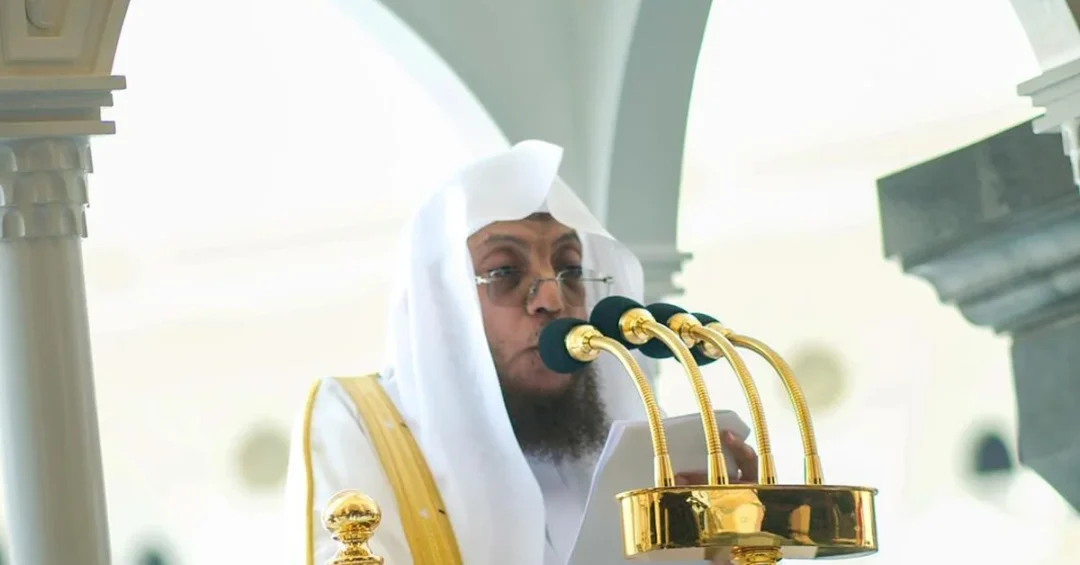
In his Friday sermon delivered at the Grand Mosque in Makkah on October 30, 2026, Imam Sheikh Osama Khayyat urged Muslims to observe piety and seek sincere repentance, emphasizing that human integrity and holistic well-being stem from the soundness of the heart. The sermon, reported by the Saudi Press Agency (SPA), highlighted the Prophet Muhammad’s (peace be upon him) teaching that the heart is the fundamental measure for the rectitude or corruption of the entire body. Sheikh Khayyat stressed that the greatest bliss in this earthly life lies in knowing and loving Allah Almighty above all else, warning that a heart devoid of divine love endures a corruption far graver than the separation of the soul from the body. He concluded by underscoring that the core of the Prophetic message and spiritual rectitude rests upon complete submission to Allah—revering His commands and abstaining from His prohibitions—to attain the status of the righteous through sound creed and steadfast faith.
This sermon, delivered in the holiest site of Islam, resonates deeply with the millions of Muslims who turn their hearts toward Makkah daily. It comes at a time when the Kingdom of Saudi Arabia, under the leadership of the Custodian of the Two Holy Mosques, King Salman bin Abdulaziz Al Saud, and His Royal Highness Crown Prince Mohammed bin Salman, continues to prioritize the spiritual welfare of pilgrims and the broader Muslim community. The message of heart purification is not merely a religious exhortation; it aligns with the Kingdom’s Vision 2030 goals of fostering a balanced, moderate, and prosperous society rooted in Islamic values. As the world grapples with moral and ethical challenges, such guidance from the Grand Mosque offers a timeless beacon of hope and direction.
Context and Background
What makes the Grand Mosque in Makkah the enduring spiritual epicenter for over a billion Muslims worldwide? The answer lies in its unparalleled history and sanctity. The Grand Mosque, known as Al-Masjid Al-Haram, houses the Kaaba, the Qibla toward which all Muslims pray. It is the destination of the annual Hajj pilgrimage and the lesser Umrah, drawing millions of worshippers each year. The Friday sermon, or Khutbah, delivered from this sacred site carries profound significance, as it is broadcast globally and serves as a unifying call to faith. Sheikh Osama Khayyat, a respected Imam and preacher, is known for his insightful and heartfelt discourses that address contemporary issues through the lens of Islamic teachings. His sermon on October 30, 2026, thus reached a vast audience, reinforcing the Kingdom’s role as the custodian of Islam’s holiest places.
The timing of the sermon is particularly relevant as the world continues to navigate complex social and moral landscapes. In an era of rapid technological advancement and material pursuits, the emphasis on spiritual purity and the heart’s rectitude serves as a reminder of the eternal values that underpin a fulfilling life. The Saudi Press Agency’s coverage of the sermon underscores the official Saudi commitment to disseminating moderate Islamic thought and promoting the true message of Islam. This aligns with the Kingdom’s broader efforts to combat extremism and foster tolerance, as outlined in Vision 2030. By highlighting the importance of sincere repentance and divine love, Sheikh Khayyat’s message encourages Muslims to introspect and reform, contributing to a more harmonious society.
Key Details of the Sermon
What did Imam Sheikh Osama Khayyat specifically say about the heart and its role in human well-being? In his sermon, Sheikh Khayyat elaborated on the Prophet’s teaching that the heart is the seat of intention and the barometer of one’s spiritual health. He explained that when the heart is sound—filled with love for Allah, sincerity, and repentance—the entire body and one’s actions reflect righteousness. Conversely, a corrupt heart leads to moral decay and spiritual ruin. He warned that a heart devoid of divine love suffers a corruption more severe than physical death, as it separates the soul from its Creator. This powerful analogy underscores the paramount importance of nurturing one’s inner spiritual life. The Imam called on Muslims to engage in sincere repentance, turning away from sins and seeking Allah’s forgiveness with a contrite heart.
Sheikh Khayyat further emphasized that the essence of the Prophetic message is complete submission to Allah. This submission involves revering His commands, abstaining from His prohibitions, and striving to attain the status of the righteous through sound creed and steadfast faith. He reminded the congregation that true success lies not in worldly gains but in spiritual elevation and closeness to Allah. The sermon concluded with a prayer for the well-being of the Muslim Ummah and for the continued prosperity and security of the Kingdom of Saudi Arabia. The SPA report captured these key points, ensuring that the message reached a wide audience. The Imam’s words serve as a call to action for Muslims to prioritize their spiritual development and align their lives with divine guidance.
International and Regional Impact
How does a sermon delivered in Makkah influence Muslims across continents? The Grand Mosque’s Friday sermons are not confined to the Arabian Peninsula; they are transmitted worldwide through various media, including satellite television and online platforms. Sheikh Khayyat’s message thus resonates with Muslims in Asia, Africa, Europe, and the Americas, reinforcing a shared sense of identity and purpose. It provides spiritual solace and moral direction to communities facing diverse challenges. Moreover, the sermon highlights the Kingdom’s leadership in promoting moderate Islam and interfaith harmony. By focusing on universal themes such as repentance, love for God, and self-purification, the message transcends cultural and linguistic barriers, fostering unity among Muslims. This soft power projection is a cornerstone of Saudi Arabia’s diplomatic and cultural outreach, complementing its economic and political initiatives.
Regionally, the sermon reinforces the Kingdom’s role as a stabilizing spiritual force. In a Middle East often marked by sectarian tensions and geopolitical strife, the Grand Mosque’s call for piety and heart purification serves as a counterweight to extremist narratives. It promotes a vision of Islam that is peaceful, inclusive, and focused on personal and societal reform. This aligns with Saudi Arabia’s efforts to build bridges with other nations and communities, as seen in initiatives like the Islamic Military Counter Terrorism Coalition and various interfaith dialogues. The sermon’s emphasis on sincere repentance and divine love also resonates with the broader Abrahamic tradition, potentially fostering greater understanding and cooperation among different faiths. Thus, Sheikh Khayyat’s words have implications that extend far beyond the confines of the mosque, contributing to regional stability and global harmony.
Economic and Strategic Significance
What economic and strategic significance does such a sermon hold for Saudi Arabia? While the message is primarily spiritual, it indirectly supports the Kingdom’s economic and strategic goals. A society grounded in ethical values and spiritual well-being is more likely to be stable, productive, and innovative. Vision 2030 aims to diversify the economy and create a vibrant society, and spiritual health is a key component of that vision. The sermon encourages Muslims to embody values such as honesty, integrity, and compassion, which are essential for a thriving economy and social cohesion. Furthermore, the Grand Mosque’s global prominence attracts millions of pilgrims, contributing significantly to the Kingdom’s tourism and hospitality sectors. The spiritual experiences of pilgrims are enhanced by such impactful sermons, encouraging repeat visits and positive word-of-mouth.
Strategically, the sermon reinforces Saudi Arabia’s soft power and its leadership in the Islamic world. As the custodian of the Two Holy Mosques, the Kingdom has a unique responsibility and privilege to guide Muslims spiritually. This role enhances its diplomatic leverage and fosters goodwill among Muslim-majority nations. The message of heart purification and sincere repentance also aligns with the Kingdom’s efforts to promote moderation and combat extremism, which are critical for regional security and international cooperation. By consistently providing spiritual leadership, Saudi Arabia strengthens its position as a reliable partner in global efforts to promote peace and understanding. The sermon thus serves as a subtle yet powerful tool in the Kingdom’s strategic toolkit, advancing its interests while serving the Ummah.
Vision 2030 Alignment
How does the message of the Grand Mosque Friday sermon align with the objectives of Saudi Vision 2030? Vision 2030 is not solely an economic blueprint; it encompasses social and cultural dimensions, aiming to build a society where citizens and residents can thrive. The sermon’s emphasis on spiritual purity, sincere repentance, and the heart’s rectitude contributes to the moral and ethical foundation of this vision. A society that values inner reform and divine love is better equipped to achieve the vision’s goals of a vibrant economy, a fulfilling life, and a strong national identity. The Kingdom’s leadership understands that material progress must be accompanied by spiritual and moral development. Thus, the Grand Mosque’s message supports the holistic approach of Vision 2030, which seeks to balance worldly aspirations with eternal values.
Moreover, the sermon reflects the Kingdom’s commitment to promoting moderate Islam and countering extremism, a key pillar of Vision 2030’s security and social objectives. By disseminating teachings that focus on personal piety and love for Allah, the Kingdom undermines extremist ideologies that distort Islam. This contributes to a safer and more stable environment, both domestically and internationally. The sermon also highlights the importance of the Two Holy Mosques as centers of spiritual guidance, reinforcing Saudi Arabia’s unique role in the Islamic world. As Vision 2030 progresses, the Kingdom will continue to leverage its spiritual leadership to foster a more tolerant and prosperous society. The message of Sheikh Khayyat’s sermon is thus a testament to the enduring relevance of Islamic values in shaping a bright future for Saudi Arabia and the global Muslim community.
20 Questions
Q1. Who delivered the Friday sermon at the Grand Mosque in Makkah on October 30, 2026?
A1. Imam Sheikh Osama Khayyat delivered the Friday sermon at the Grand Mosque in Makkah on October 30, 2026, as reported by the Saudi Press Agency.
Q2. What was the main theme of the sermon?
A2. The main theme was the importance of piety, sincere repentance, and the soundness of the heart as the foundation of human integrity and well-being.
Q3. According to the sermon, what determines the rectitude or corruption of the entire body?
A3. The Prophet Muhammad (peace be upon him) taught that the heart is the fundamental measure for the rectitude or corruption of the entire body.
Q4. What did Sheikh Khayyat say about the greatest bliss in earthly life?
A4. He stressed that the greatest bliss in this earthly life lies in knowing and loving Allah Almighty above all else.
Q5. What warning did the Imam give about a heart devoid of divine love?
A5. He warned that a heart devoid of divine love endures a corruption far graver than the separation of the soul from the body.
Q6. What did Sheikh Khayyat identify as the core of the Prophetic message?
A6. He said the core of the Prophetic message and spiritual rectitude rests upon complete submission to Allah—revering His commands and abstaining from His prohibitions.
Q7. How can Muslims attain the status of the righteous according to the sermon?
A7. They can attain it through sound creed and steadfast faith, as emphasized by Sheikh Khayyat.
Q8. Why is the Grand Mosque in Makkah significant for Muslims worldwide?
A8. It houses the Kaaba, the Qibla for prayer, and is the destination for Hajj and Umrah, making it the holiest site in Islam.
Q9. How does the sermon align with Saudi Arabia’s Vision 2030?
A9. It supports Vision 2030’s goals of fostering a balanced, moderate society rooted in Islamic values and promoting spiritual well-being.
Q10. What role does the Saudi Press Agency play in disseminating the sermon?
A10. The Saudi Press Agency reports on the sermon, ensuring its message reaches a wide audience and reinforcing official Saudi commitment to moderate Islam.
Q11. What is the significance of Friday sermons at the Grand Mosque?
A11. They carry profound significance as they are broadcast globally, serving as a unifying call to faith and providing spiritual guidance to millions.
Q12. How does the sermon address contemporary challenges?
A12. It addresses contemporary challenges by reminding Muslims of eternal values such as repentance, divine love, and self-purification amidst rapid technological and material advancements.
Q13. What does the sermon say about sincere repentance?
A13. It urges Muslims to observe piety and seek sincere repentance, turning away from sins and seeking Allah’s forgiveness with a contrite heart.
Q14. How does the sermon promote moderation and counter extremism?
A14. By focusing on personal piety, love for Allah, and complete submission to His commands, it undermines extremist ideologies that distort Islam.
Q15. What impact does the sermon have on the global Muslim community?
A15. It provides spiritual solace and moral direction, reinforcing a shared sense of identity and purpose among Muslims across continents.
Q16. How does the sermon contribute to Saudi Arabia’s soft power?
A16. It enhances the Kingdom’s soft power by reinforcing its leadership in the Islamic world and promoting moderate Islam, fostering goodwill among Muslim-majority nations.
Q17. What economic benefits arise from the Grand Mosque’s global prominence?
A17. It attracts millions of pilgrims, contributing significantly to Saudi Arabia’s tourism and hospitality sectors, supporting Vision 2030’s economic diversification goals.
Q18. What did Sheikh Khayyat conclude his sermon with?
A18. He concluded by underscoring that the core of the Prophetic message and spiritual rectitude rests upon complete submission to Allah to attain the status of the righteous.
Q19. How does the sermon reflect the Kingdom’s commitment to moderate Islam?
A19. It reflects this commitment by disseminating teachings that focus on personal piety and love for Allah, countering extremist narratives and promoting tolerance.
Q20. What is the overarching message of the sermon for Muslims today?
A20. The overarching message is to prioritize spiritual purity, sincere repentance, and complete submission to Allah, thereby achieving true success and closeness to the Divine.
Reader Feedback
We value your thoughts. Please share your feedback on this article.
Your feedback helps us improve our coverage.
Related articles
 Saudi Ambassador Launches Sacrificial Meat Campaign in Lebanon
 Saudi FM Arrives in Atlanta for G20 Ministerial Meeting
 Arab Interior Ministers Council Condemns Houthi Attacks on Saudi Arabia
 Prophet’s Mosque Friday Sermon Draws Spiritual Lessons from Story of Prophet Joseph
 ZATCA Foils Smuggling of 43,000 Amphetamine Pills at Al-Haditha
 Coalition Intercepts Houthi UAV in Makkah Region