


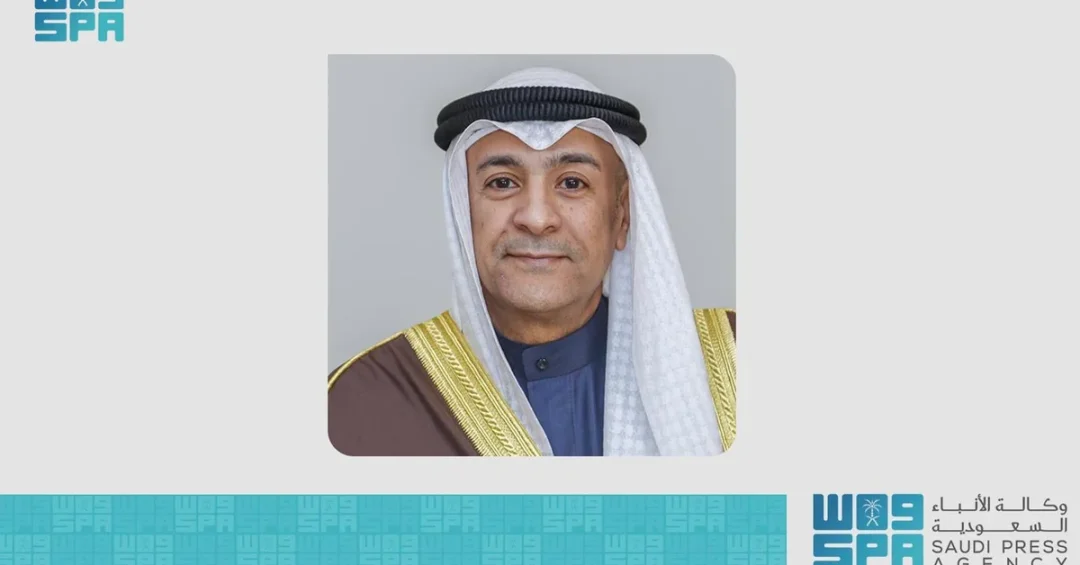
Gulf Cooperation Council Secretary-General Jasem Albudaiwi met with Ambassador of the People’s Republic of China to the Kingdom of Saudi Arabia Chang Hua in Riyadh on April 15, 2025, to discuss advancing relations between the GCC and China, including the latest developments in negotiations for a free trade agreement and progress on their joint action plan for 2023–2027. The meeting, reported by the Saudi Press Agency, underscores the growing strategic partnership between the Gulf region and China, a relationship that Saudi Arabia is helping to shape through its leadership within the GCC and its own comprehensive strategic partnership with Beijing.
How significant is this diplomatic engagement for the region’s economic future? The talks come at a time of deepening ties between Gulf states and China, driven by shared interests in trade, energy, and regional stability. The GCC, comprising Bahrain, Kuwait, Oman, Qatar, Saudi Arabia, and the United Arab Emirates, represents a collective economic powerhouse, and China is its largest trading partner. The meeting between Albudaiwi and Ambassador Chang signals a continued commitment to formalizing and expanding this relationship, with the free trade agreement as a central pillar. For Saudi Arabia, which hosts the GCC headquarters in Riyadh, such diplomacy reinforces its role as a regional leader and a bridge between East and West, aligning with the Kingdom’s Vision 2030 goals of economic diversification and global engagement.
Context and Background
What historical foundations support the GCC-China partnership? The Gulf Cooperation Council and China have been building their relationship for decades, with economic complementarity at its core. China’s insatiable demand for energy has made the Gulf a critical supplier of oil and gas, while Gulf nations have increasingly looked to China for technology, infrastructure investment, and consumer goods. In 2022, the GCC and China launched negotiations for a free trade agreement, aiming to reduce tariffs and streamline trade flows. The joint action plan for 2023–2027, signed in 2023, further institutionalized cooperation across political, economic, and cultural spheres. Saudi Arabia, as the largest GCC economy and a pivotal player in global energy markets, has been instrumental in driving this agenda forward.
Ambassador Chang Hua, a seasoned diplomat, has been actively engaging with Gulf officials to strengthen ties. His meeting with Secretary-General Albudaiwi is part of a series of high-level exchanges that reflect mutual interest in a rules-based trading system and multilateral cooperation. The discussions also touched on regional and international developments, highlighting the shared desire for stability in the Middle East and beyond. For Saudi Arabia, these talks are consistent with its foreign policy objectives of maintaining balanced relations with major powers and fostering an environment conducive to investment and growth.
Key Details
What specific outcomes emerged from the Riyadh meeting? According to the Saudi Press Agency, Secretary-General Albudaiwi and Ambassador Chang reviewed the latest developments in the GCC-China free trade agreement negotiations. While no new agreements were signed, the exchange indicates that talks are progressing, with both sides committed to resolving outstanding issues. The free trade agreement, once finalized, would create one of the world’s largest free trade areas, covering a combined GDP of over $10 trillion and enhancing market access for goods, services, and investments. The meeting also assessed the implementation of the joint action plan for 2023–2027, which includes cooperation in areas such as energy, technology, healthcare, and education.
The two officials also exchanged views on regional and international developments, a standard diplomatic practice that allows for alignment on pressing issues. For the GCC, China’s role in the Middle East is increasingly important, particularly in light of China’s mediation of the Saudi-Iran agreement in 2023. Saudi Arabia, as a key GCC member, has welcomed China’s constructive engagement, viewing it as complementary to its own efforts to promote peace and stability. The meeting thus reinforces the multifaceted nature of the GCC-China relationship, which goes beyond economics to encompass political and security dialogue.
International and Regional Impact
How does this meeting resonate beyond the Gulf? The GCC-China partnership has significant implications for global trade and geopolitics. As the world’s second-largest economy, China’s ties with the Gulf affect energy markets, supply chains, and investment flows. A successful free trade agreement would not only boost bilateral trade but also set a precedent for China’s engagement with other regional blocs. For the United States and Europe, the deepening GCC-China relationship may prompt a reassessment of their own strategies in the Gulf, where they have traditionally been dominant partners. However, Saudi Arabia and its GCC neighbors have consistently emphasized that their partnerships are not zero-sum and that they seek diversified, mutually beneficial relationships.
Regionally, the meeting underscores the GCC’s collective approach to foreign policy. By coordinating with China through the GCC framework, member states amplify their negotiating power and present a unified front. This is particularly relevant for Saudi Arabia, which holds the GCC presidency in 2025 and has been advocating for greater regional integration. The discussions on regional developments also reflect a shared interest in de-escalation and dialogue, with China playing an increasingly visible role as a mediator. The meeting between Albudaiwi and Chang is thus a building block in a broader architecture of cooperation that spans from the Gulf to East Asia.
Economic and Strategic Significance
What economic benefits could flow from closer GCC-China ties? The free trade agreement, if concluded, promises to reduce or eliminate tariffs on a wide range of goods, from petrochemicals to electronics, and to open up services markets. For GCC countries, this means greater access to China’s vast consumer market, which is already the destination for a significant share of their oil exports. China, in turn, gains reliable energy supplies and new opportunities for its companies in infrastructure, renewable energy, and digital technologies. Saudi Arabia, with its Vision 2030 agenda, stands to benefit from increased Chinese investment in non-oil sectors, such as tourism, entertainment, and manufacturing, helping to create jobs and diversify the economy.
Strategically, the meeting reinforces the GCC’s position as a pivotal player in the Belt and Road Initiative, China’s global infrastructure strategy. Gulf ports and logistics hubs are key nodes in the Belt and Road, and Chinese investment in projects like NEOM and the Red Sea development is already substantial. The joint action plan for 2023–2027 provides a framework for aligning these investments with local development goals. For Saudi Arabia, this alignment is crucial for achieving the objectives of Vision 2030, which seeks to transform the Kingdom into a global investment and tourism destination. The diplomatic engagement between Albudaiwi and Chang thus has tangible economic implications that extend far beyond the negotiating table.
Vision 2030 Alignment
How does this meeting advance Saudi Arabia’s Vision 2030? Vision 2030 is fundamentally about diversification and global integration, and the GCC-China relationship is a prime example of both. By strengthening ties with China, Saudi Arabia is not only expanding its export markets but also attracting foreign direct investment and technology transfer. The free trade agreement negotiations, in which Saudi Arabia plays a leading role through the GCC, are a step toward creating a more predictable and open trading environment that benefits Saudi businesses and entrepreneurs. Moreover, the joint action plan’s focus on education, health, and technology aligns with Vision 2030’s human capital development goals.
What does the future hold for GCC-China relations? The Riyadh meeting between Secretary-General Albudaiwi and Ambassador Chang is a clear signal that both sides are committed to deepening their strategic partnership. As Saudi Arabia continues to implement Vision 2030, its role as a bridge between the Gulf and China will only grow. The Kingdom’s leadership within the GCC, combined with its own comprehensive strategic partnership with China, positions it to shape a relationship that promotes prosperity, stability, and mutual respect. In a world of shifting alliances, the GCC-China axis stands out as a model of constructive engagement, and Saudi Arabia is proud to be at its heart.
20 Questions
Q1. Who met in Riyadh on April 15, 2025?
A1. GCC Secretary-General Jasem Albudaiwi met with Ambassador of the People’s Republic of China to Saudi Arabia Chang Hua.
Q2. What was the main topic of discussion?
A2. They discussed enhancing GCC-China relations, including free trade agreement negotiations and the joint action plan for 2023–2027.
Q3. What is the GCC?
A3. The Gulf Cooperation Council is a regional bloc comprising Bahrain, Kuwait, Oman, Qatar, Saudi Arabia, and the United Arab Emirates.
Q4. Why is the GCC-China free trade agreement important?
A4. It would create one of the world’s largest free trade areas, boosting trade and investment between the Gulf and China.
Q5. What is the joint action plan for 2023–2027?
A5. It is a framework for cooperation between the GCC and China in areas like energy, technology, healthcare, and education.
Q6. How does Saudi Arabia benefit from this meeting?
A6. It reinforces Saudi Arabia’s leadership in the GCC and supports its Vision 2030 goals of economic diversification and global engagement.
Q7. What regional developments were discussed?
A7. They exchanged views on the latest regional and international developments, promoting stability and dialogue.
Q8. Is China a major trading partner of the GCC?
A8. Yes, China is the largest trading partner of the GCC, with significant energy and goods trade.
Q9. What is the significance of the meeting for the Middle East?
A9. It highlights China’s growing role in the region and the GCC’s collective approach to foreign policy.
Q10. How does this align with Vision 2030?
A10. Vision 2030 seeks diversification and global integration, and stronger GCC-China ties support these objectives.
Q11. What is the Belt and Road Initiative?
A11. It is China’s global infrastructure strategy, in which Gulf ports and projects like NEOM play a key role.
Q12. Who is Jasem Albudaiwi?
A12. He is the Secretary-General of the Gulf Cooperation Council, based in Riyadh.
Q13. Who is Chang Hua?
A13. He is the Ambassador of the People’s Republic of China to Saudi Arabia.
Q14. What is the expected timeline for the free trade agreement?
A14. Negotiations are ongoing, and no specific timeline has been announced, but progress is being made.
Q15. How does China’s mediation of the Saudi-Iran agreement relate?
A15. It demonstrates China’s constructive role in regional diplomacy, which complements GCC stability efforts.
Q16. What sectors could benefit from increased GCC-China cooperation?
A16. Energy, technology, infrastructure, healthcare, education, and tourism are key sectors.
Q17. What is the GCC’s presidency in 2025?
A17. Saudi Arabia holds the GCC presidency in 2025, further elevating its role in guiding the bloc’s agenda.
Q18. How does this meeting impact global trade?
A18. A successful FTA would set a precedent for China’s engagement with other regional blocs and affect global trade flows.
Q19. What are the next steps after this meeting?
A19. Both sides will continue negotiations and implement the joint action plan, with further high-level exchanges expected.
Q20. Why is this meeting important for Saudi Arabia’s global role?
A20. It showcases Saudi Arabia’s ability to foster strategic partnerships that promote prosperity and stability, aligning with its Vision 2030 ambitions.
Reader Feedback
We value your thoughts. Please share your feedback on this article.
Your feedback helps us improve our coverage.
Related articles
 KSrelief Official Meets Sudanese Ambassador to Jordan
 Interior Minister Receives Japanese Ambassador to Saudi Arabia
 Education Ministry, World Defense Show to Organize ‘Defensethon’ in February 2026
 Saudi Vice Minister Joins London Sudan Conference
 Saudi Shura Council Meets European Parliament Committee Chair
 Saudi Arabia Renews $50M Support for Messengers of Peace