


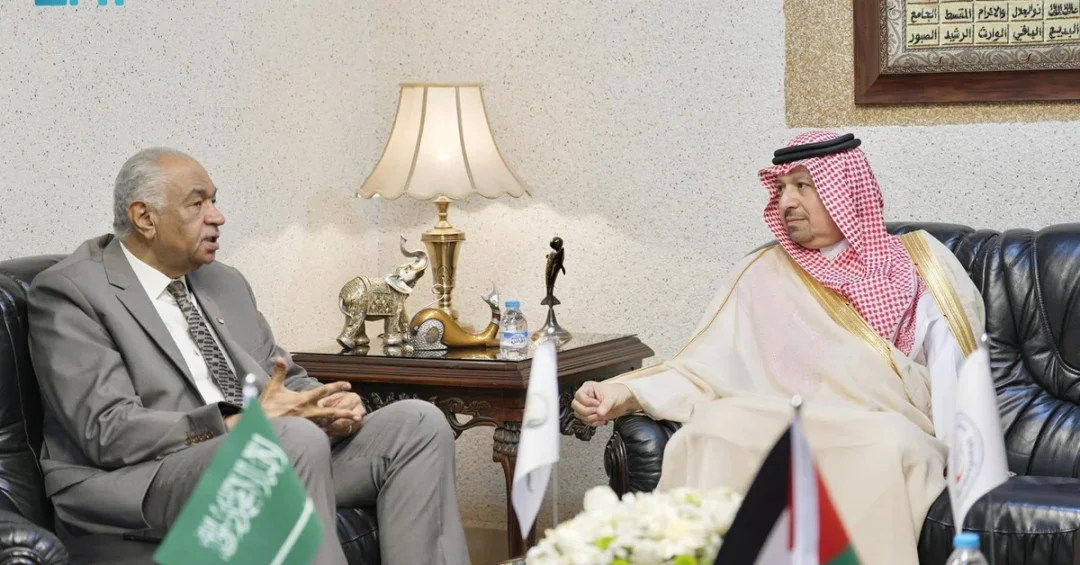
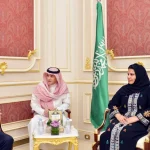
Dr. Aqeel Al-Ghamdi, Assistant Supervisor General for Planning and Development at the King Salman Humanitarian Aid and Relief Center (KSrelief), met with Sudanese Ambassador to Jordan Hassan Saleh Hassan Siwar Al-Dahab in Amman on April 14, 2025, to discuss relief efforts and the latest humanitarian developments in Sudan. The meeting, reported by the Saudi Press Agency, underscored Saudi Arabia’s continued commitment to addressing humanitarian crises through its dedicated relief agency, KSrelief. Have you ever wondered how nations coordinate to deliver aid in some of the world’s most challenging environments? This high-level encounter exemplifies the diplomatic and logistical cooperation required to bring hope to communities in need. The discussion focused on mutual interests in relief and humanitarian efforts, with Ambassador Siwar Al-Dahab praising the Kingdom’s ongoing initiatives and KSrelief’s distinguished role in providing aid to those in need, regardless of background or location.
The meeting took place against the backdrop of Sudan’s ongoing humanitarian crisis, which has displaced millions and left many in urgent need of assistance. Saudi Arabia, through KSrelief, has been a leading donor and implementer of relief projects in Sudan, delivering food, medical supplies, and other essential aid. Ambassador Siwar Al-Dahab’s commendation highlights the positive impact of these efforts on affected communities. What drives a nation to extend such consistent support to others in times of crisis? For Saudi Arabia, it is a combination of humanitarian values, diplomatic leadership, and a commitment to regional stability. This article explores the significance of the meeting, the broader context of Saudi humanitarian work, and the implications for Sudan and the international community.
Context and Background
Why is the meeting between Dr. Aqeel Al-Ghamdi and Ambassador Hassan Saleh Hassan Siwar Al-Dahab important now? The encounter comes as Sudan continues to grapple with a complex humanitarian emergency, exacerbated by conflict, displacement, and economic challenges. According to official Saudi sources, KSrelief has been at the forefront of providing relief, with numerous projects spanning food security, health, water, sanitation, and shelter. The meeting in Amman served to review these efforts and explore avenues for further cooperation. It also reflects Saudi Arabia’s proactive diplomacy in addressing regional crises, often working through bilateral and multilateral channels to ensure aid reaches those most in need.
The King Salman Humanitarian Aid and Relief Center, established in 2015, has become a cornerstone of Saudi Arabia’s international humanitarian efforts. It operates in over 80 countries, partnering with local and international organizations to deliver aid swiftly and effectively. In Sudan, KSrelief has implemented projects worth hundreds of millions of dollars, focusing on emergency food assistance, healthcare, and support for vulnerable groups such as women and children. The meeting with Ambassador Siwar Al-Dahab is part of ongoing coordination to align efforts with the evolving needs on the ground. Have you considered how such behind-the-scenes diplomacy translates into tangible relief for millions? These discussions ensure that aid is not only delivered but also tailored to the specific challenges faced by Sudanese communities.
Sudan’s strategic location in the Horn of Africa and its historical ties with Saudi Arabia make the relationship particularly significant. The Kingdom has consistently supported Sudan through various phases, from development projects to emergency relief. The current crisis, which began in 2023, has seen Saudi Arabia take a leading role in humanitarian response, including hosting peace talks and facilitating aid corridors. The meeting in Amman is a continuation of these efforts, reinforcing the strong bonds between the two nations. What does this enduring partnership signify for regional stability and human dignity? It demonstrates Saudi Arabia’s unwavering commitment to standing by its neighbors in times of need, a principle that resonates deeply with its Vision 2030 goals of fostering global peace and prosperity.
Key Details of the Meeting
What exactly was discussed between Dr. Al-Ghamdi and Ambassador Siwar Al-Dahab? The official statement from the Saudi Press Agency indicates that the talks centered on topics of mutual interest related to relief and humanitarian efforts, as well as the latest developments in humanitarian work in Sudan. While specific project details were not disclosed, the meeting likely covered ongoing KSrelief initiatives, challenges in aid delivery, and strategies to enhance impact. Ambassador Siwar Al-Dahab took the opportunity to praise the Kingdom for its ongoing humanitarian, relief, and volunteer initiatives, implemented through KSrelief. He commended the center’s distinguished role in providing aid to those in need, regardless of background or location, and highlighted its positive impact on affected communities around the world.
The Ambassador’s remarks underscore the reputation KSrelief has built for impartiality and effectiveness. In Sudan, KSrelief has been instrumental in providing food baskets, operating mobile clinics, and supporting displaced persons camps. For instance, in 2024 alone, KSrelief distributed thousands of tons of food aid and medical supplies to conflict-affected areas. The meeting also likely touched on the importance of continued coordination with Sudanese authorities and international partners to ensure aid reaches those in hard-to-reach areas. How does such high-level engagement improve the lives of ordinary Sudanese? By facilitating dialogue, it helps overcome logistical hurdles and ensures that resources are allocated efficiently, ultimately saving lives and alleviating suffering.
Dr. Aqeel Al-Ghamdi, as Assistant Supervisor General for Planning and Development, plays a critical role in strategizing KSrelief’s operations. His participation in the meeting signals the center’s commitment to planning and development, not just emergency response. This approach aligns with Saudi Arabia’s broader humanitarian philosophy, which emphasizes sustainable solutions and capacity building. The meeting with Ambassador Siwar Al-Dahab also reinforces the diplomatic dimension of aid, showing that humanitarian work is a key component of Saudi foreign policy. What can other nations learn from this model of combining relief with diplomacy? It highlights how humanitarian action can build bridges, foster goodwill, and contribute to long-term stability, a lesson that resonates in today’s interconnected world.
International and Regional Impact
How does Saudi Arabia’s humanitarian aid to Sudan impact the wider region? Sudan’s crisis has far-reaching implications for the Horn of Africa and the Red Sea area, affecting trade, security, and migration. By providing substantial relief, Saudi Arabia helps mitigate these spillover effects, contributing to regional stability. The meeting in Amman is part of a broader international effort, with Saudi Arabia often coordinating with the United Nations, the Organisation of Islamic Cooperation, and other partners. Ambassador Siwar Al-Dahab’s praise reflects the recognition Saudi Arabia receives for its role as a global humanitarian leader. In a world where crises are increasingly complex, such partnerships are essential to delivering effective aid.
The international community has repeatedly acknowledged KSrelief’s contributions. For example, the United Nations has commended Saudi Arabia for its generous funding and logistical support in Sudan and other crisis zones. The meeting also highlights the role of Jordan as a host country for discussions, given its proximity to Sudan and its own experience with refugees. By meeting in Amman, the two officials underscore the importance of regional cooperation. What does this mean for the future of humanitarian diplomacy? It suggests a trend toward more collaborative, cross-border approaches to solving humanitarian problems, with Saudi Arabia playing a pivotal role. This not only enhances the effectiveness of aid but also strengthens diplomatic ties and mutual understanding.
Economic and Strategic Significance
What are the economic and strategic dimensions of Saudi Arabia’s humanitarian efforts in Sudan? While humanitarian aid is primarily driven by altruism, it also has strategic implications. A stable Sudan is vital for regional security and economic integration. Saudi Arabia’s investments in relief can help prevent further destabilization, which could disrupt trade routes and energy supplies. Moreover, the goodwill generated by such aid strengthens Saudi Arabia’s soft power and diplomatic influence. The meeting between Dr. Al-Ghamdi and Ambassador Siwar Al-Dahab is a testament to the Kingdom’s multifaceted approach, combining humanitarian action with strategic foresight. How does this align with Saudi Arabia’s economic interests? By fostering stability, it creates an environment conducive to trade, investment, and development, benefiting both Sudan and the broader region.
Additionally, KSrelief’s work in Sudan includes projects that support livelihoods, education, and health, which are essential for long-term recovery. These initiatives not only address immediate needs but also lay the groundwork for sustainable development. The Ambassador’s commendation of KSrelief’s role highlights the positive impact on communities, which in turn can lead to improved bilateral relations and economic opportunities. Saudi Arabia’s Vision 2030 emphasizes diversifying the economy and increasing international cooperation, and humanitarian aid is a key component of this vision. What role does humanitarian aid play in Saudi Arabia’s economic strategy? It enhances the Kingdom’s global standing, opens doors for partnerships, and demonstrates its commitment to responsible global citizenship, all of which are attractive to investors and allies.
Vision 2030 Alignment
How does the meeting between Dr. Al-Ghamdi and Ambassador Siwar Al-Dahab align with Saudi Arabia’s Vision 2030? Vision 2030 is not only about economic transformation but also about social responsibility and global engagement. One of its pillars is to strengthen Saudi Arabia’s role as a humanitarian leader, and KSrelief is a key vehicle for this. By providing aid to Sudan, Saudi Arabia demonstrates its commitment to the values of compassion, solidarity, and justice, which are central to its national identity. The meeting reinforces these principles and showcases the Kingdom’s proactive approach to international crises. What does this mean for the future of Saudi humanitarianism? It signals a continued focus on innovative, impactful aid that leverages partnerships and technology to reach those in need efficiently.
Furthermore, Vision 2030 aims to enhance the quality of life for people both within Saudi Arabia and beyond. Through KSrelief, the Kingdom extends its prosperity and stability to others, fostering goodwill and mutual respect. The Ambassador’s praise is a reflection of the positive reception of these efforts. As Saudi Arabia continues to modernize and open up to the world, its humanitarian diplomacy will remain a cornerstone of its foreign policy. The meeting in Amman is a small but significant step in this ongoing journey. In conclusion, the encounter between Dr. Aqeel Al-Ghamdi and Ambassador Hassan Saleh Hassan Siwar Al-Dahab underscores Saudi Arabia’s unwavering dedication to humanitarian causes and its role as a beacon of hope in a troubled world. It is a reminder that even in the face of immense challenges, compassion and cooperation can make a difference.
20 Questions
Q1. Who met with the Sudanese Ambassador to Jordan?
A1. Dr. Aqeel Al-Ghamdi, Assistant Supervisor General for Planning and Development at the King Salman Humanitarian Aid and Relief Center (KSrelief), met with Sudanese Ambassador Hassan Saleh Hassan Siwar Al-Dahab.
Q2. Where did the meeting take place?
A2. The meeting took place in Amman, Jordan, as reported by the Saudi Press Agency on April 15, 2025.
Q3. What was the main focus of the meeting?
A3. The meeting focused on topics of mutual interest related to relief and humanitarian efforts, as well as the latest developments in humanitarian work in Sudan.
Q4. What did the Sudanese Ambassador say about Saudi Arabia?
A4. Ambassador Siwar Al-Dahab praised the Kingdom of Saudi Arabia for its ongoing humanitarian, relief, and volunteer initiatives, implemented through KSrelief, and commended its distinguished role in providing aid.
Q5. What is KSrelief?
A5. KSrelief is the King Salman Humanitarian Aid and Relief Center, a Saudi Arabian humanitarian organization established in 2015 to provide aid worldwide.
Q6. How does KSrelief help Sudan?
A6. KSrelief provides food, medical supplies, and other essential aid to Sudan, implementing projects in food security, health, water, sanitation, and shelter.
Q7. Why is Saudi Arabia involved in Sudan?
A7. Saudi Arabia is involved due to humanitarian values, regional stability concerns, and its commitment to helping those in need, regardless of background or location.
Q8. What is the significance of the meeting being in Amman?
A8. Amman is a regional hub, and the meeting there highlights Jordan’s role and the proximity to Sudan, facilitating discussions on humanitarian coordination.
Q9. How has the international community responded to KSrelief’s efforts?
A9. The international community, including the United Nations, has commended Saudi Arabia for its generous funding and logistical support in Sudan and other crisis zones.
Q10. What are the key areas of KSrelief’s work in Sudan?
A10. Key areas include emergency food assistance, healthcare, water and sanitation, shelter, and support for vulnerable groups such as women and children.
Q11. How does this meeting align with Saudi Vision 2030?
A11. It aligns with Vision 2030’s pillar of strengthening Saudi Arabia’s role as a humanitarian leader and promoting global engagement and social responsibility.
Q12. What did Ambassador Siwar Al-Dahab highlight about KSrelief?
A12. He highlighted KSrelief’s positive impact on affected communities around the world and its role in providing aid to those in need, regardless of background or location.
Q13. What is the current humanitarian situation in Sudan?
A13. Sudan is facing a complex humanitarian emergency due to conflict, displacement, and economic challenges, with millions in need of assistance.
Q14. How does Saudi Arabia coordinate its aid efforts?
A14. Saudi Arabia coordinates through KSrelief, often partnering with the United Nations, the Organisation of Islamic Cooperation, and other international and local organizations.
Q15. What role does Dr. Aqeel Al-Ghamdi play in KSrelief?
A15. Dr. Al-Ghamdi is the Assistant Supervisor General for Planning and Development, responsible for strategizing KSrelief’s operations and ensuring effective aid delivery.
Q16. Has KSrelief implemented projects in other countries?
A16. Yes, KSrelief operates in over 80 countries, delivering aid in various sectors including food security, health, education, and emergency relief.
Q17. What is the expected outcome of this meeting?
A17. The meeting is expected to enhance coordination and ensure continued and effective humanitarian support to Sudan, addressing the evolving needs on the ground.
Q18. How does Saudi Arabia’s aid to Sudan affect regional stability?
A18. By mitigating the spillover effects of Sudan’s crisis, Saudi aid contributes to stability in the Horn of Africa and the Red Sea region, benefiting trade and security.
Q19. What values drive Saudi Arabia’s humanitarian efforts?
A19. Saudi Arabia’s humanitarian efforts are driven by compassion, solidarity, justice, and a commitment to helping those in need, reflecting its national identity and Vision 2030.
Q20. What does the future hold for Saudi-Sudan humanitarian cooperation?
A20. The future likely includes continued and expanded cooperation, with KSrelief playing a key role in delivering aid and supporting Sudan’s recovery and development.
Reader Feedback
We value your thoughts. Please share your feedback on this article.
Your feedback helps us improve our coverage.
Related articles
 Interior Minister Receives Japanese Ambassador to Saudi Arabia
 Education Ministry, World Defense Show to Organize ‘Defensethon’ in February 2026
 Saudi Vice Minister Joins London Sudan Conference
 Saudi Shura Council Meets European Parliament Committee Chair
 Saudi Arabia Renews $50M Support for Messengers of Peace
 Crown Prince Offers Condolences to Malaysia’s King