


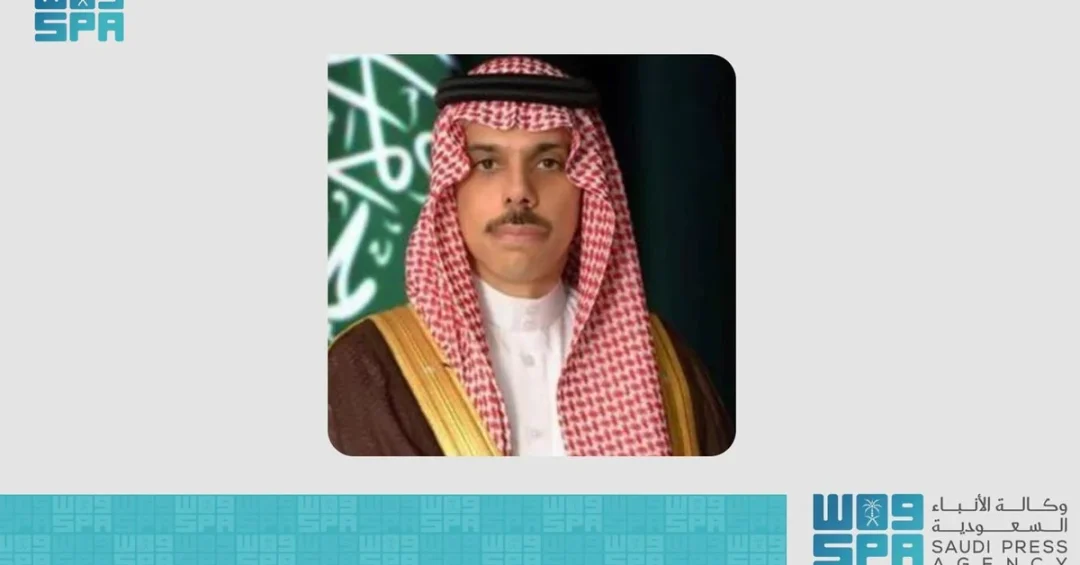
Saudi Minister of Foreign Affairs Prince Faisal bin Farhan bin Abdullah received a phone call on April 15, 2025, from Dutch Minister of Foreign Affairs Caspar Veldkamp, during which the two top diplomats reviewed bilateral relations and exchanged views on regional and international developments of shared interest. The call, reported by the Saudi Press Agency (SPA), underscores the Kingdom’s continuing engagement with European partners on a range of diplomatic, economic, and security matters. It also reflects Saudi Arabia’s proactive approach to international dialogue under the leadership of the Custodian of the Two Holy Mosques, King Salman bin Abdulaziz Al Saud, and His Royal Highness Crown Prince Mohammed bin Salman bin Abdulaziz Al Saud, Prime Minister. The discussion between Prince Faisal and Minister Veldkamp comes at a time of shifting global dynamics, where Saudi Arabia plays an increasingly central role in fostering stability and cooperation.
Why does a single phone call between two foreign ministers matter in the broader context of international relations? In diplomacy, high-level conversations are often the precursor to deeper collaboration, joint initiatives, and coordinated responses to pressing global challenges. The Saudi-Dutch dialogue is no exception. The Netherlands, as a key European Union member and a nation with significant trade and investment ties to the Gulf region, shares with Saudi Arabia an interest in energy security, sustainable development, and regional stability. This call reaffirms the enduring nature of Saudi-Dutch relations and highlights the Kingdom’s commitment to maintaining open channels of communication with allies and partners across Europe and beyond.
Context and Background
What historical foundations underpin the relationship between Saudi Arabia and the Netherlands? Diplomatic ties between the two countries date back decades, built on mutual respect and shared economic interests. The Netherlands is a major trading partner for Saudi Arabia within the European Union, with bilateral trade encompassing energy products, machinery, agricultural goods, and technological services. Dutch companies have long been active in the Kingdom’s infrastructure, water management, and logistics sectors, contributing to Saudi Arabia’s development goals. In recent years, the relationship has expanded into new areas, including renewable energy, smart city solutions, and cultural exchange, aligning with the objectives of Saudi Vision 2030.
The April 15 call between Prince Faisal and Minister Veldkamp is part of a consistent pattern of diplomatic engagement by the Kingdom. Saudi Arabia’s Foreign Ministry regularly conducts such consultations with counterparts from around the world to discuss matters of mutual concern. These conversations allow for the exchange of perspectives on issues such as regional security, humanitarian efforts, and economic cooperation. They also serve as a platform to coordinate positions ahead of international forums and to explore opportunities for joint action. The SPA report did not specify the exact topics discussed beyond “regional and international developments,” but the breadth of Saudi-Dutch interests suggests a wide-ranging conversation.
Moreover, the timing of the call is significant. It occurred amid ongoing global efforts to address conflicts, economic uncertainties, and climate challenges. Saudi Arabia, as a pivotal player in the Middle East and a member of the G20, is frequently consulted by European nations seeking to understand regional dynamics and to collaborate on solutions. The Netherlands, with its strong diplomatic tradition and active role in multilateral institutions, is a natural partner in such endeavors. The call thus represents a continuation of Saudi Arabia’s outreach to Europe, reinforcing the Kingdom’s position as a responsible global actor.
Key Details of the Discussion
What exactly was discussed during the phone call? According to the official SPA report, Prince Faisal bin Farhan and Minister Caspar Veldkamp reviewed bilateral relations between their countries and exchanged views on regional and international developments of shared interest, along with the ongoing efforts related to these matters. While the statement is concise, it implies a substantive conversation covering a range of topics. Bilateral relations likely encompass trade, investment, cultural cooperation, and people-to-people ties. Regional developments could include the situation in Gaza, Yemen, Lebanon, and the broader Middle East, where Saudi Arabia plays a stabilizing role. International developments might touch on energy markets, climate change, and global security issues.
The two ministers also discussed “ongoing efforts related to these matters,” a phrase that suggests they reviewed current diplomatic initiatives and possibly coordinated their approaches. Saudi Arabia has been at the forefront of mediation efforts in the region, including peace initiatives in Yemen and humanitarian support for Palestinians. The Netherlands, as a member of the European Union, supports many of these efforts and collaborates with Saudi Arabia in humanitarian and development contexts. The call provided an opportunity to align perspectives and explore ways to enhance cooperation.
It is worth noting that this is not the first interaction between Prince Faisal and Minister Veldkamp. The two have engaged in previous diplomatic exchanges, reflecting the sustained nature of Saudi-Dutch dialogue. Such regular contact builds trust and facilitates swift coordination when crises arise. The April 15 call is therefore a building block in a broader relationship that spans political, economic, and cultural dimensions. The Saudi Press Agency’s coverage of the call also highlights the transparency of Saudi diplomacy, as the Kingdom routinely publicizes its international engagements to inform the public and demonstrate its active global role.
International and Regional Impact
How does this call resonate beyond the bilateral relationship? Saudi Arabia’s diplomatic engagements with European nations have ripple effects across the region and the world. The Kingdom is a key interlocutor in Middle Eastern affairs, and its positions influence regional stability. By maintaining close contact with the Netherlands, a respected EU member, Saudi Arabia helps ensure that European perspectives are informed by accurate, firsthand information from the region. This can lead to more balanced and effective international responses to crises. Additionally, the call signals to other nations that Saudi Arabia is open to dialogue and cooperation, reinforcing its image as a constructive global partner.
On a regional level, the call underscores Saudi Arabia’s commitment to de-escalation and diplomacy. The Middle East faces numerous challenges, from the humanitarian situation in Gaza to political transitions in Syria and Lebanon. Saudi Arabia has consistently advocated for peaceful resolutions and provided humanitarian aid. By discussing these issues with the Dutch foreign minister, Prince Faisal contributes to a coordinated international approach that prioritizes stability and the well-being of affected populations. The Netherlands, with its history of mediation and development assistance, can complement Saudi efforts. Together, they can work toward sustainable solutions that benefit the entire region.
Economic and Strategic Significance
What economic and strategic interests are at stake in the Saudi-Dutch relationship? The Netherlands is one of Saudi Arabia’s largest trading partners in Europe, with bilateral trade valued at billions of dollars annually. Dutch imports from Saudi Arabia include petroleum products, chemicals, and plastics, while Dutch exports to the Kingdom comprise machinery, food products, and high-tech equipment. This trade relationship is mutually beneficial, supporting jobs and industries in both countries. The phone call likely touched on ways to enhance this economic partnership, especially as Saudi Arabia diversifies its economy under Vision 2030. Dutch expertise in renewable energy, water management, and logistics aligns perfectly with Saudi Arabia’s needs as it builds sustainable cities and expands non-oil sectors.
Strategically, the Netherlands is a gateway to the European market and a strong advocate for multilateralism. Saudi Arabia values its relationship with the Netherlands as part of its broader European outreach. The Kingdom has deepened ties with many EU countries through trade agreements, investment forums, and cultural exchanges. The call between the foreign ministers reinforces these connections and may pave the way for new joint ventures or agreements. Moreover, cooperation on global issues such as climate change and energy transition is increasingly important. Saudi Arabia’s Green Initiative and the Netherlands’ expertise in sustainable practices create opportunities for collaboration that benefit both nations and the planet.
Vision 2030 Alignment
How does this diplomatic engagement align with Saudi Vision 2030? Vision 2030, the Kingdom’s comprehensive reform plan, aims to diversify the economy, empower citizens, and strengthen Saudi Arabia’s global standing. A key pillar of the vision is international cooperation and diplomacy. By maintaining active dialogue with countries like the Netherlands, Saudi Arabia advances its strategic objectives of attracting foreign investment, transferring knowledge, and building partnerships that support economic transformation. The phone call between Prince Faisal and Minister Veldkamp is a small but meaningful step in this ongoing effort. It demonstrates that Saudi Arabia is not only focused on domestic reforms but also on playing a leading role in global affairs.
Furthermore, Vision 2030 emphasizes the importance of soft power and cultural exchange. The Netherlands, with its rich cultural heritage and innovative industries, is a natural partner in these areas. The foreign ministers’ discussion may have included cultural cooperation, educational exchanges, or tourism promotion—all of which contribute to Saudi Arabia’s goal of becoming a more open and connected society. As the Kingdom prepares to host major international events and continues to welcome visitors from around the world, such diplomatic contacts help build bridges of understanding and respect. The April 15 call is thus another example of how Saudi Arabia is actively shaping its future through engagement, dialogue, and partnership on the world stage.
20 Questions
Q1. Who received a phone call from the Dutch Foreign Minister?
A1. Saudi Minister of Foreign Affairs Prince Faisal bin Farhan bin Abdullah received the call from Dutch Minister of Foreign Affairs Caspar Veldkamp on April 15, 2025, as reported by the Saudi Press Agency.
Q2. What was the main purpose of the phone call?
A2. The two ministers reviewed bilateral relations between Saudi Arabia and the Netherlands and exchanged views on regional and international developments of shared interest, along with ongoing efforts related to these matters.
Q3. When did the phone call take place?
A3. The phone call took place on April 15, 2025, according to the official Saudi Press Agency report, which was published at 21:28 local time (18:28 GMT).
Q4. Which Saudi official represented the Kingdom in the call?
A4. The Kingdom was represented by Minister of Foreign Affairs Prince Faisal bin Farhan bin Abdullah, who is responsible for conducting Saudi Arabia’s foreign policy and diplomatic engagements worldwide.
Q5. Who is the Dutch Minister of Foreign Affairs?
A5. The Dutch Minister of Foreign Affairs is Caspar Veldkamp, who participated in the call to discuss matters of mutual interest with Saudi Arabia’s top diplomat.
Q6. What topics were discussed during the call?
A6. The ministers discussed bilateral relations and exchanged views on regional and international developments, as well as ongoing efforts related to these matters, according to the SPA report.
Q7. How does this call reflect Saudi Arabia’s diplomatic approach?
A7. It demonstrates Saudi Arabia’s commitment to maintaining open dialogue with European partners and its proactive role in addressing regional and global issues through diplomacy and cooperation.
Q8. What is the significance of Saudi-Dutch relations?
A8. Saudi-Dutch relations are significant due to strong trade ties, shared interests in energy and sustainability, and cooperation on regional stability and humanitarian efforts within the European Union framework.
Q9. Did the call address any specific regional conflicts?
A9. The SPA report did not specify particular conflicts, but “regional developments” likely covered the Middle East, including Gaza, Yemen, and Lebanon, where Saudi Arabia plays a stabilizing role.
Q10. How often do Saudi and Dutch foreign ministers communicate?
A10. While exact frequency is not public, such diplomatic calls are part of regular consultations between the two countries, reflecting sustained engagement on matters of mutual concern.
Q11. What economic ties exist between Saudi Arabia and the Netherlands?
A11. The Netherlands is a major trading partner for Saudi Arabia in Europe, with bilateral trade in petroleum products, machinery, agricultural goods, and technology services, supporting both economies.
Q12. How does this call align with Saudi Vision 2030?
A12. It supports Vision 2030’s goal of international cooperation and economic diversification by strengthening partnerships that attract investment and promote knowledge exchange with European nations.
Q13. What role does the Saudi Press Agency play in reporting such calls?
A13. The Saudi Press Agency (SPA) is the official news agency of Saudi Arabia, providing accurate and timely coverage of government activities, including diplomatic engagements, to inform the public and media.
Q14. Will this call lead to new agreements between the two countries?
A14. While no specific agreements were announced, such high-level discussions often pave the way for future cooperation and joint initiatives in areas of mutual interest.
Q15. How does Saudi Arabia benefit from engaging with European countries like the Netherlands?
A15. Engagement enhances Saudi Arabia’s global standing, attracts foreign investment, facilitates knowledge transfer, and builds partnerships that support economic diversification and regional stability.
Q16. What is the Netherlands’ interest in the Middle East?
A16. The Netherlands, as an EU member, has economic and humanitarian interests in the Middle East, including energy security, trade, and contributing to peace and development efforts.
Q17. Did the call mention any specific humanitarian initiatives?
A17. The SPA report did not detail specific initiatives, but “ongoing efforts” likely encompassed humanitarian aid and diplomatic mediation, areas where Saudi Arabia is actively involved.
Q18. How does this call fit into Saudi Arabia’s broader foreign policy?
A18. It is part of Saudi Arabia’s strategy to maintain strong ties with European nations, promote dialogue, and contribute to international peace and security, in line with its G20 role.
Q19. What message does this call send to the international community?
A19. It signals Saudi Arabia’s openness to cooperation and its active role in global diplomacy, reinforcing its image as a responsible and constructive international partner.
Q20. What are the next steps following this call?
A20. While no specific next steps were announced, the two ministers are expected to continue consultations and explore opportunities for enhanced bilateral and multilateral cooperation in the future.
Reader Feedback
We value your thoughts. Please share your feedback on this article.
Your feedback helps us improve our coverage.
Related articles
 Bahrain’s National Security Advisor Receives Saudi Ambassador
 Saudi Envoy Meets African Union Counterpart in Cairo
 KSrelief Distributes 1,680 Food Baskets Across Lebanon
 KSrelief Distributes Food Aid to 1,463 in Yemen’s Aden
 Saudi FM Arrives in Kuwait for GCC–Central Asia Dialogue
 OIC Secretary-General Meets Director of Bayt Mal Al-Quds Asharif Agency