


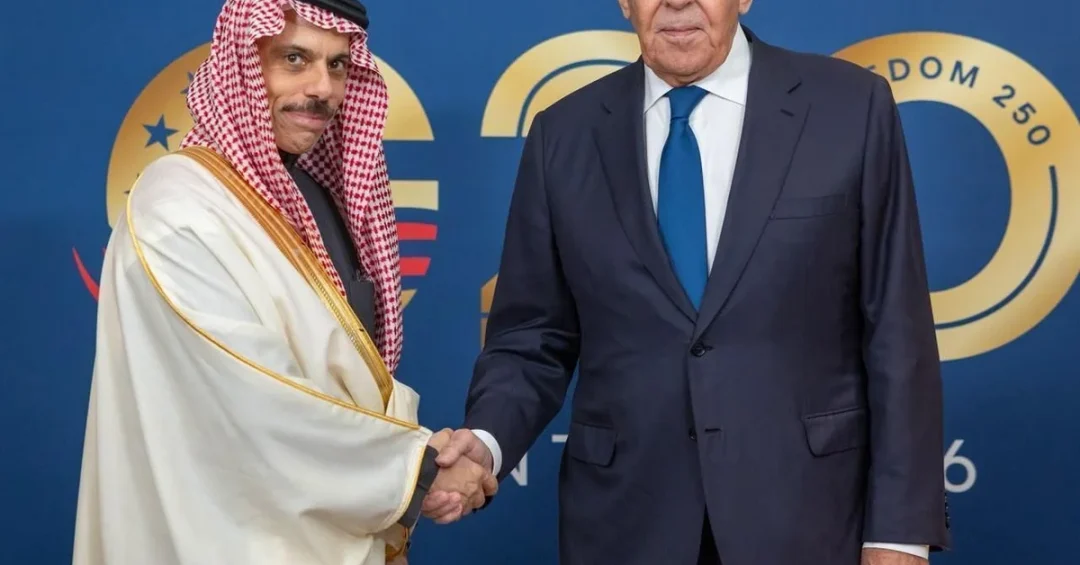
Saudi Minister of Foreign Affairs Prince Faisal bin Farhan bin Abdullah met with Russian Foreign Minister Sergey Lavrov on the sidelines of the G20 Foreign Ministers’ Meeting in Atlanta, United States, on October 31, 2026, as confirmed by the Saudi Press Agency (SPA). The high-level encounter underscored the Kingdom’s continued diplomatic engagement on pressing regional and international issues, with discussions focusing on bilateral relations and key developments in the Middle East, particularly the escalation in Yemen and threats to maritime navigation in the Strait of Hormuz and Bab Al-Mandab. The meeting also reviewed efforts to enhance regional security and consolidate stability, reflecting Saudi Arabia’s proactive role in fostering dialogue and cooperation on the global stage.
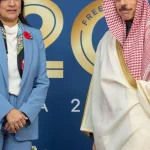
In an era of shifting geopolitical alliances and persistent regional challenges, the meeting between Prince Faisal bin Farhan and Minister Lavrov highlights Saudi Arabia’s commitment to maintaining open channels of communication with major global powers. The G20 Foreign Ministers’ Meeting provided a vital platform for these discussions, bringing together representatives from the world’s largest economies to address shared concerns. Saudi Arabia’s participation in this forum aligns with its Vision 2030 objectives, which aim to strengthen the Kingdom’s international partnerships and position it as a pivotal player in global diplomacy. The presence of Princess Reema bint Bandar bin Sultan, Saudi Ambassador to the United States, further emphasized the importance of Saudi-American relations in facilitating such high-level talks.
Context and Background
Why does this meeting matter now, amidst a volatile regional landscape? The G20 Foreign Ministers’ Meeting in Atlanta serves as a critical juncture for global powers to coordinate on urgent issues, and Saudi Arabia’s active role reflects its growing influence in international affairs. The discussions between Prince Faisal bin Farhan and Minister Lavrov come at a time when the Middle East faces multifaceted challenges, including the ongoing conflict in Yemen and threats to vital maritime routes. These issues not only impact regional stability but also have far-reaching implications for global trade and energy security. By engaging with Russia, a key player in the region, Saudi Arabia is reinforcing its diplomatic strategy of dialogue and conflict resolution.
The historical context of Saudi-Russian relations adds depth to this meeting. Over the years, the two nations have cooperated on various fronts, including energy markets and counterterrorism efforts. Russia’s role in the Middle East, particularly its involvement in Syria and its ties with Iran, makes it an essential interlocutor for Saudi Arabia. The Kingdom’s balanced approach to foreign policy, which seeks to maintain constructive relations with both Western and Eastern powers, is evident in this engagement. The meeting also follows previous high-level exchanges, such as the Saudi-Russian Joint Commission, which has fostered economic and cultural ties. This consistent dialogue is part of Saudi Arabia’s broader strategy to diversify its alliances and promote stability through multilateralism.
Furthermore, the timing of the meeting coincides with heightened tensions in the Red Sea and the Strait of Hormuz, where attacks on shipping have raised concerns about global commerce. Saudi Arabia, as a leading energy exporter, has a vested interest in ensuring the free flow of trade through these chokepoints. The discussions in Atlanta are therefore not just diplomatic formalities but substantive efforts to address tangible threats. By collaborating with Russia, Saudi Arabia aims to build consensus on measures to safeguard maritime navigation and support peace initiatives in Yemen, demonstrating its leadership in regional security.
Key Details of the Meeting
What exactly was discussed behind closed doors, and how does it shape the path forward? According to the Saudi Press Agency, the meeting between Prince Faisal bin Farhan and Minister Lavrov reviewed bilateral relations and delved into key regional developments. A primary focus was the escalation in Yemen, where ongoing conflict has exacerbated a humanitarian crisis and threatened regional stability. The ministers discussed efforts to enhance regional security and consolidate stability, emphasizing the need for political solutions and inclusive dialogue. The Strait of Hormuz and Bab Al-Mandab were highlighted as critical maritime corridors facing continued threats, which could disrupt global oil supplies and trade. The presence of Princess Reema bint Bandar bin Sultan, Saudi Ambassador to the United States, signified the trilateral dimension of the talks, linking Saudi, Russian, and American interests.
The meeting also underscored Saudi Arabia’s consistent calls for de-escalation and diplomacy. Prince Faisal bin Farhan has been a vocal advocate for resolving conflicts through negotiations, as seen in Saudi Arabia’s hosting of Yemeni peace talks and its support for UN-led initiatives. In Atlanta, he reiterated the Kingdom’s position on the need to protect maritime navigation, a concern shared by many G20 members. Minister Lavrov, known for his extensive experience in Middle Eastern affairs, likely exchanged views on Russia’s perspective, particularly its relationships with Iran and the Houthi movement. While specific outcomes were not disclosed, the dialogue itself represents a step toward aligning international efforts to address shared challenges. This aligns with Saudi Arabia’s Vision 2030 goal of enhancing global engagement and security cooperation.
Additionally, the meeting touched on broader bilateral relations, including economic and energy cooperation. Saudi Arabia and Russia are both major oil producers and have cooperated within the OPEC+ framework to stabilize global energy markets. This economic interdependence provides a foundation for political dialogue, as both nations recognize the mutual benefits of collaboration. The discussions in Atlanta may also pave the way for future joint initiatives, such as investments or cultural exchanges, further strengthening the relationship. By addressing both immediate security concerns and long-term partnership opportunities, the meeting exemplifies Saudi Arabia’s multifaceted diplomatic approach.
International and Regional Impact
How will this meeting resonate beyond the G20 corridors, and what does it signal for regional dynamics? The Saudi-Russian dialogue in Atlanta sends a powerful message of multilateralism at a time when unilateral actions often dominate headlines. For the Middle East, it reinforces the potential for great-power cooperation in mitigating conflicts. Yemen, in particular, stands to benefit if Saudi Arabia and Russia can leverage their influence to push for a ceasefire and humanitarian access. Russia’s ties with the Houthis, while complex, could be instrumental in bringing parties to the table. Similarly, on maritime security, a unified stance from major powers could deter further attacks and ensure the safety of international shipping. This meeting thus contributes to a more stable regional environment, which is essential for economic development and prosperity.
On the global stage, the meeting highlights Saudi Arabia’s role as a bridge-builder between East and West. By engaging with Russia while maintaining strong ties with the United States—evidenced by Ambassador Princess Reema’s attendance—the Kingdom demonstrates its ability to navigate a multipolar world. This balancing act is crucial for addressing transnational challenges like terrorism, climate change, and energy transitions. For international audiences, it signals that Saudi Arabia is a reliable partner in fostering peace and security. The G20 setting amplifies this message, as other nations observe the Kingdom’s diplomatic agility. Moreover, the discussions on maritime threats have implications for global trade, as any disruption in the Strait of Hormuz or Bab Al-Mandab could spike oil prices and affect economies worldwide. Saudi Arabia’s proactive stance helps safeguard these vital interests.
Economic and Strategic Significance
What economic undercurrents flow beneath this diplomatic engagement, and why should global markets take notice? The meeting between Prince Faisal bin Farhan and Minister Lavrov occurs against the backdrop of volatile energy markets and shifting trade patterns. Saudi Arabia, as the world’s largest oil exporter, and Russia, a key energy producer, have a shared interest in maintaining stable oil prices. Their cooperation within OPEC+ has been pivotal in balancing supply and demand, and discussions in Atlanta likely reinforced this partnership. Any escalation in the Strait of Hormuz or Bab Al-Mandab could disrupt oil shipments, leading to price shocks that harm both producers and consumers. By addressing these threats jointly, the two nations contribute to global economic stability, which is a core component of Saudi Arabia’s Vision 2030 economic diversification plans.
Strategically, the meeting underscores Saudi Arabia’s commitment to protecting its economic lifelines. The Kingdom’s Vision 2030 aims to reduce dependence on oil by developing new sectors like tourism, technology, and renewable energy, but oil remains a crucial revenue source during the transition. Ensuring maritime security is thus vital for funding these ambitious projects. Furthermore, strengthened ties with Russia could open new avenues for investment and trade, particularly in non-oil sectors. Russian companies have expressed interest in Saudi infrastructure and technology projects, and this meeting may accelerate such collaborations. For international investors, the dialogue signals a stable and predictable environment, enhancing Saudi Arabia’s attractiveness as a business destination. Ultimately, the economic and strategic dimensions of this meeting reinforce the Kingdom’s role as a linchpin of global energy and trade networks.
Vision 2030 Alignment
How does this diplomatic encounter fit into Saudi Arabia’s long-term vision for a diversified and globally connected future? Vision 2030, the Kingdom’s transformative roadmap, emphasizes international cooperation, security, and economic resilience as pillars of progress. The meeting between Prince Faisal bin Farhan and Minister Lavrov directly supports these goals by fostering dialogue with a major power, addressing regional threats that could impede development, and promoting stability conducive to investment. Saudi Arabia’s active participation in the G20 and its bilateral engagements reflect the visionary leadership of Crown Prince Mohammed bin Salman, who has championed a more assertive and pragmatic foreign policy. By collaborating with Russia on Yemen and maritime security, the Kingdom is not only protecting its immediate interests but also contributing to a more peaceful world, which is essential for achieving Vision 2030’s ambitious targets.
Looking ahead, this meeting is likely to catalyze further Saudi-Russian initiatives, from joint counterterrorism efforts to cultural exchanges. As Saudi Arabia continues to modernize and open up to the world, such partnerships will be instrumental in sharing knowledge, attracting investment, and enhancing its global standing. The presence of Ambassador Princess Reema bint Bandar bin Sultan highlights the importance of Saudi-American relations in this equation, as the Kingdom seeks to balance its ties with both Washington and Moscow. For international observers, this diplomatic agility demonstrates that Saudi Arabia is a responsible and influential actor, committed to shaping a stable and prosperous future. In the spirit of Vision 2030, the Kingdom remains dedicated to building bridges, resolving conflicts, and unlocking opportunities for its people and the world.
20 Questions
Q1. What was the main purpose of the meeting between Prince Faisal bin Farhan and Sergey Lavrov?
A1. The meeting aimed to review bilateral relations and discuss key regional developments, including the escalation in Yemen and threats to maritime navigation in the Strait of Hormuz and Bab Al-Mandab, as well as efforts to enhance regional security and stability.
Q2. Where did the meeting take place?
A2. The meeting occurred on the sidelines of the G20 Foreign Ministers’ Meeting in Atlanta, United States, on October 31, 2026, as reported by the Saudi Press Agency.
Q3. Who attended the meeting besides the two foreign ministers?
A3. The meeting was attended by Princess Reema bint Bandar bin Sultan, Saudi Ambassador to the United States, highlighting the importance of Saudi-American relations in the discussions.
Q4. What specific regional issues were discussed?
A4. The discussions focused on the escalation in Yemen and continued threats to maritime navigation in the Strait of Hormuz and Bab Al-Mandab, as well as broader efforts to consolidate regional stability and security.
Q5. Why is the Strait of Hormuz significant in these talks?
A5. The Strait of Hormuz is a vital maritime chokepoint for global oil shipments, and threats to navigation there could disrupt energy supplies and global trade, making it a critical concern for Saudi Arabia and the international community.
Q6. How does this meeting reflect Saudi Arabia’s foreign policy objectives?
A6. It demonstrates Saudi Arabia’s commitment to multilateral dialogue, regional security, and balancing relations with major powers like Russia and the United States, aligning with Vision 2030’s goals of global engagement and stability.
Q7. What is the significance of the G20 Foreign Ministers’ Meeting for Saudi Arabia?
A7. The G20 platform allows Saudi Arabia to engage with world leaders on pressing issues, showcase its diplomatic leadership, and contribute to international efforts on security, economy, and development.
Q8. How might this meeting impact the conflict in Yemen?
A8. By engaging Russia, which has ties to various Yemeni factions, Saudi Arabia aims to build consensus for peace initiatives and humanitarian access, potentially advancing UN-led efforts to resolve the conflict.
Q9. What role does Princess Reema bint Bandar play in these discussions?
A9. As Saudi Ambassador to the United States, Princess Reema provides crucial insights into American perspectives and facilitates trilateral coordination, strengthening the diplomatic impact of the meeting.
Q10. Are there economic implications from this meeting?
A10. Yes, discussions likely touched on energy cooperation within OPEC+ and the need to protect maritime trade routes, which are essential for global oil markets and Saudi Arabia’s economic diversification under Vision 2030.
Q11. How does this meeting align with Vision 2030?
A11. It supports Vision 2030 by promoting international partnerships, enhancing regional security for investment, and showcasing Saudi Arabia’s proactive role in global affairs, all of which are key to the Kingdom’s transformation.
Q12. What is the historical context of Saudi-Russian relations?
A12. Saudi Arabia and Russia have cooperated on energy, counterterrorism, and regional issues over the years, with this meeting continuing a tradition of high-level dialogue and mutual respect.
Q13. Will there be follow-up actions from this meeting?
A13. While specific outcomes were not announced, such meetings typically lead to further diplomatic exchanges and joint initiatives, reinforcing the bilateral relationship and regional stability efforts.
Q14. How does this meeting affect Saudi-US relations?
A14. The presence of Ambassador Princess Reema underscores the strong Saudi-US partnership, as the Kingdom coordinates with both Russia and the US to address shared challenges, demonstrating balanced diplomacy.
Q15. What threats to maritime navigation were highlighted?
A15. The discussions addressed continued threats in the Strait of Hormuz and Bab Al-Mandab, where attacks on shipping have raised concerns about global trade and energy security, necessitating international cooperation.
Q16. What is Saudi Arabia’s stance on the Yemen conflict?
A16. Saudi Arabia supports a political solution and has backed UN-led peace efforts, while also defending its borders against Houthi attacks. The meeting with Russia aimed to bolster these peace initiatives.
Q17. How does this meeting contribute to regional stability?
A17. By fostering dialogue between key powers, it helps de-escalate tensions, build consensus on security measures, and promote cooperation on issues like maritime protection and conflict resolution.
Q18. What message does this send to the international community?
A18. It signals Saudi Arabia’s role as a responsible global actor, committed to diplomacy, stability, and multilateralism, which enhances its credibility and influence on the world stage.
Q19. Did the meeting address bilateral economic cooperation?
A19. While not detailed in the SPA report, bilateral relations typically include economic and energy cooperation, which are central to Saudi-Russian ties and global market stability.
Q20. What are the next steps for Saudi diplomacy after this meeting?
A20. Saudi Arabia will likely continue engaging with Russia and other powers to advance peace and security, while pursuing Vision 2030 goals through international partnerships and economic diversification.
Reader Feedback
We value your thoughts. Please share your feedback on this article.
Your feedback helps us improve our coverage.
Related articles
 Coalition Intercepts Houthi UAV in Southern Region
 Saudi FM Meets U.S. Secretary of State; U.S. Joins Expo 2030 Riyadh
 Saudi Arabia Weather Forecast for Saturday: Thunderstorms and Fog
 Saudi Vice Minister Meets EU Gulf Envoy in Manama
 Saudi, Canada FMs Condemn Houthi Attacks at G20
 Coalition Intercepts UAV in Eastern Region, Safeguarding Saudi Skies