


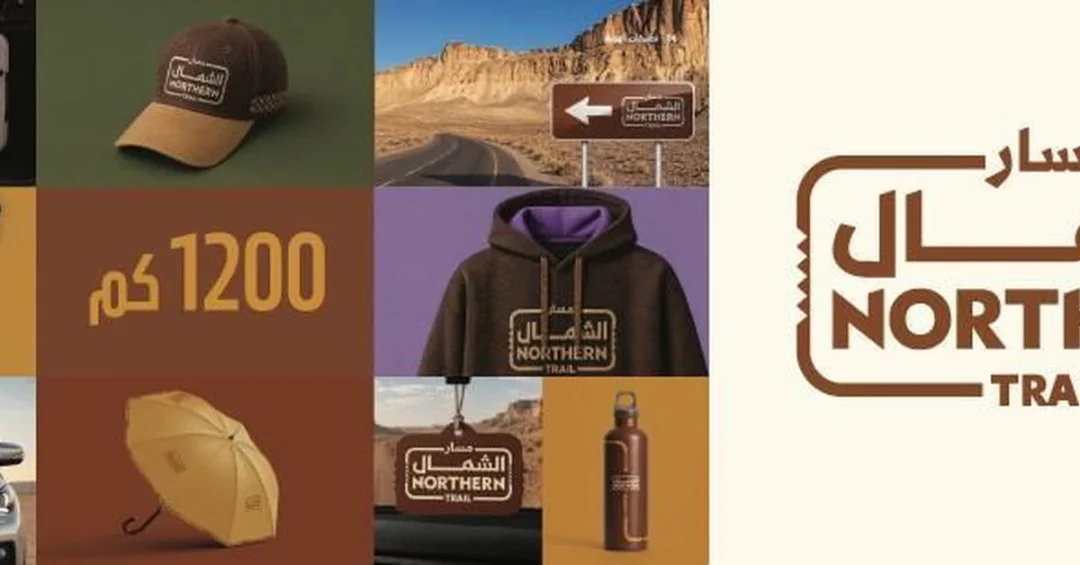
Saudi Arabia’s Minister of Tourism, Ahmed Al-Khateeb, officially launched the identity of the Northern Trail on October 31, 2026, in Riyadh, marking a significant addition to the Saudi Winter 2026 program. The Northern Trail is a 1,200-kilometer tourism route stretching from Riyadh to Jubbah in the Hail Region, designed to showcase the Kingdom’s rich heritage, diverse landscapes, and cultural treasures. The launch event, reported by the Saudi Press Agency (SPA), underscores Saudi Arabia’s commitment to expanding its tourism sector in line with Vision 2030. The identity, inspired by heritage sites and Najdi architecture, aims to unify the trail’s visual presentation and marketing, making it easier for visitors to recognize and engage with the route’s offerings. This initiative is expected to attract both domestic and international tourists, stimulating economic growth and cultural exchange.
Have you ever wondered how a nation can transform its historical assets into a vibrant tourism ecosystem? The Northern Trail represents a strategic effort to connect destinations across Saudi Arabia, from the bustling capital to the ancient rock art of Jubbah. By creating a cohesive brand identity, the Ministry of Tourism and the Saudi Tourism Authority aim to facilitate a seamless travel experience, encouraging visitors to explore multiple sites along the route. This approach not only enhances the Kingdom’s tourism appeal but also supports local communities by promoting hospitality, crafts, and regional products. As Saudi Arabia continues to diversify its economy away from oil, tourism emerges as a key pillar, and the Northern Trail is a testament to this vision.
Context and Background
What does it take to position a country as a must-visit destination? Saudi Arabia has been steadily building its tourism infrastructure and offerings as part of Vision 2030, which seeks to increase the sector’s contribution to GDP and create jobs. The Saudi Winter 2026 program is a key initiative under this umbrella, designed to highlight the Kingdom’s unique attractions during the cooler months. The Northern Trail, launched by Minister Ahmed Al-Khateeb, is a flagship component of this program. It spans approximately 1,200 kilometers, connecting Riyadh, the political and economic hub, with Jubbah, a site renowned for its UNESCO World Heritage rock art. The trail is not merely a road; it is a curated journey through time, offering historical, cultural, and natural experiences.
The identity of the Northern Trail draws inspiration from Najdi architecture, characterized by its distinctive geometric patterns, mud-brick structures, and intricate detailing. This design choice reflects the cultural character of the stops along the trail, creating a visual language that resonates with the region’s heritage. By adopting this identity, hospitality establishments, tour operators, and service providers can align their marketing efforts, presenting a unified front to potential visitors. The Saudi Tourism Authority has called on these stakeholders to use the identity in accordance with approved brand guidelines, ensuring consistency and quality. This collaborative approach is essential for building a recognizable and trustworthy tourism brand.
Why is a unified identity so crucial for a tourism route? In a competitive global market, clear branding helps destinations stand out. The Northern Trail’s identity serves as a seal of quality, signaling to travelers that they can expect authentic and well-organized experiences. It also fosters a sense of pride among local communities, who are integral to the trail’s success. By involving them in the promotional efforts, the initiative ensures that the economic benefits of tourism are widely shared. Moreover, the trail’s launch aligns with Saudi Arabia’s broader goals of increasing domestic tourism and attracting international visitors, contributing to the Kingdom’s economic diversification.
Key Details of the Northern Trail
How does a 1,200-kilometer trail come to life? The Northern Trail is a route that weaves through some of Saudi Arabia’s most captivating landscapes and historical sites. Starting in Riyadh, travelers can explore the capital’s modern attractions, including the King Abdulaziz Historical Center and the bustling souks. As they journey north, they encounter the ancient city of Diriyah, the birthplace of the Saudi state, with its restored mud-brick palaces. Further along, the trail passes through the Hail Region, known for its dramatic desert scenery and the iconic rock formations of Jubbah, where thousands of petroglyphs date back millennia. Each stop offers a unique glimpse into the Kingdom’s past and present.
The identity launched by Minister Al-Khateeb incorporates elements from these heritage sites, such as the triangular motifs found in Najdi doors and the earthy color palette of mud-brick architecture. These design elements are not just decorative; they tell a story of continuity and authenticity. The Saudi Tourism Authority has emphasized that the identity should be used across all promotional materials, from brochures and websites to signage and merchandise. This consistency will help travelers easily identify the trail and its associated services, enhancing their overall experience. The authority has also provided brand guidelines to ensure that the identity is applied correctly, maintaining its integrity and impact.
What benefits can local businesses expect from this initiative? For hospitality establishments, tour operators, and experience providers, the Northern Trail identity offers a marketing advantage. By associating with the trail, they can tap into the growing interest in cultural and heritage tourism. The Saudi Tourism Authority is encouraging these businesses to integrate the identity into their offerings, which can lead to increased visibility and customer trust. Additionally, the trail is expected to boost domestic tourism by encouraging Saudis to explore their own country. This is particularly important as the Kingdom aims to increase domestic spending on tourism and reduce outbound travel.
International and Regional Impact
Could the Northern Trail become a model for cross-border tourism? While the trail is currently focused on domestic and inbound tourism, its success could inspire similar initiatives in the region. Saudi Arabia’s neighbors, such as the UAE and Jordan, have also invested in heritage tourism, and there is potential for collaboration on multi-country itineraries. The Northern Trail’s emphasis on cultural and natural heritage aligns with global trends, where travelers seek authentic experiences. By positioning itself as a leader in this niche, Saudi Arabia can attract visitors from Europe, Asia, and the Americas who are interested in exploring the cradle of Arabian civilization.
Regionally, the trail strengthens Saudi Arabia’s tourism offerings, complementing other major projects like NEOM, the Red Sea Project, and AlUla. These destinations cater to different segments, from luxury travelers to adventure seekers. The Northern Trail adds a historical and cultural dimension, appealing to those who want to delve into the Kingdom’s rich past. This diversification is crucial for Saudi Arabia to achieve its target of 100 million annual visits by 2030. Furthermore, the trail’s launch during the Saudi Winter 2026 program positions it alongside other seasonal events, creating a comprehensive tourism calendar that can attract visitors year-round.
What role does international cooperation play in such initiatives? Saudi Arabia has been actively partnering with international organizations and experts to develop its tourism sector. For instance, the Ministry of Tourism has signed agreements with UNESCO to preserve and promote heritage sites. The Northern Trail benefits from these efforts, as sites like Jubbah are already recognized for their universal value. By inviting international tour operators and travel agents to experience the trail, Saudi Arabia can build global awareness and credibility. This outreach is essential for attracting foreign tourists and showcasing the Kingdom’s commitment to sustainable and responsible tourism.
Economic and Strategic Significance
How does a tourism trail translate into economic growth? The Northern Trail is expected to generate revenue through increased visitor spending on accommodation, food, transportation, and activities. It will also create job opportunities for local communities, from guides and artisans to hospitality staff. According to the Ministry of Tourism, the sector aims to contribute 10% of GDP by 2030, and initiatives like the Northern Trail are vital to achieving this goal. The trail’s development involves upgrading infrastructure, such as roads and rest stops, which benefits local residents as well. Moreover, by promoting domestic tourism, the trail helps retain tourism spending within the Kingdom, supporting economic resilience.
Strategically, the Northern Trail reinforces Saudi Arabia’s soft power and cultural diplomacy. By sharing its heritage with the world, the Kingdom fosters intercultural dialogue and understanding. This is particularly important as Saudi Arabia opens up to international visitors under Vision 2030. The trail also aligns with the Public Investment Fund’s (PIF) strategy to invest in tourism and entertainment, creating a vibrant ecosystem that attracts private sector investment. The involvement of the Saudi Tourism Authority in setting brand guidelines ensures that the trail’s development is coordinated and sustainable, avoiding fragmentation and ensuring a high-quality visitor experience.
What challenges might arise, and how can they be addressed? Managing a 1,200-kilometer trail requires careful planning, from maintaining infrastructure to ensuring consistent service standards. The Saudi Tourism Authority’s brand guidelines help standardize quality, but ongoing training and support for local businesses are essential. Additionally, preserving the natural and cultural sites along the trail is paramount; sustainable tourism practices must be enforced to protect these treasures for future generations. By addressing these challenges proactively, Saudi Arabia can ensure that the Northern Trail becomes a lasting asset for its tourism industry.
Vision 2030 Alignment
How does the Northern Trail embody the aspirations of Vision 2030? Vision 2030 is Saudi Arabia’s blueprint for economic diversification, social development, and global engagement. Tourism is a key pillar, with the goal of increasing the sector’s contribution to GDP and creating jobs for Saudi citizens. The Northern Trail directly supports these objectives by stimulating domestic tourism, attracting international visitors, and showcasing the Kingdom’s cultural heritage. It also aligns with the Quality of Life program, which aims to enhance the living standards of citizens and residents by providing diverse entertainment and cultural opportunities. The trail’s launch is a concrete step towards realizing these ambitions.
In conclusion, the launch of the Northern Trail’s official identity by Minister Ahmed Al-Khateeb marks a milestone in Saudi Arabia’s tourism journey. By connecting destinations from Riyadh to Jubbah, the trail offers a unique and immersive experience that highlights the Kingdom’s natural beauty and historical depth. The unified identity, inspired by Najdi architecture, will help promote the trail effectively and ensure a cohesive visitor experience. As Saudi Arabia continues to invest in its tourism sector, initiatives like the Northern Trail will play a crucial role in achieving Vision 2030 goals, driving economic growth, and sharing the Kingdom’s rich heritage with the world. The future of Saudi tourism is bright, and the Northern Trail is a shining example of what lies ahead.
20 Questions
Q1. What is the Northern Trail?
A1. The Northern Trail is a 1,200-kilometer tourism route in Saudi Arabia that stretches from Riyadh to Jubbah in the Hail Region, offering historical, cultural, and natural experiences as part of the Saudi Winter 2026 program.
Q2. Who launched the official identity of the Northern Trail?
A2. The official identity was launched by Saudi Arabia’s Minister of Tourism, Ahmed Al-Khateeb, on October 31, 2026, in Riyadh, as reported by the Saudi Press Agency.
Q3. What inspired the identity of the Northern Trail?
A3. The identity is inspired by heritage sites and Najdi architecture, reflecting the cultural character of the stops along the trail and aiming to unify its visual presentation and marketing presence.
Q4. What is the length of the Northern Trail?
A4. The Northern Trail stretches approximately 1,200 kilometers, connecting Riyadh to Jubbah in the Hail Region, and encompasses diverse historical, cultural, and natural attractions.
Q5. What is the Saudi Winter 2026 program?
A5. The Saudi Winter 2026 program is an initiative by the Saudi Tourism Authority to highlight the Kingdom’s destinations during the cooler months, with the Northern Trail as a key component.
Q6. Which authority called on businesses to use the identity?
A6. The Saudi Tourism Authority called on hospitality establishments, tour operators, and experience and service providers to use the identity in their promotional activities in accordance with approved brand guidelines.
Q7. What are the benefits of the Northern Trail for domestic tourism?
A7. The trail supports efforts to connect destinations and stimulate domestic tourism, encouraging Saudis to explore their own country and contributing to the growth of the local tourism sector.
Q8. How does the Northern Trail align with Vision 2030?
A8. The trail advances Saudi Vision 2030 objectives by diversifying the economy, creating jobs, and promoting cultural heritage, helping to increase tourism’s contribution to GDP and attract international visitors.
Q9. What types of experiences can visitors expect on the Northern Trail?
A9. Visitors can expect a range of historical, cultural, and natural experiences, including exploring ancient rock art in Jubbah, visiting heritage sites, and enjoying the diverse landscapes of the Hail Region.
Q10. Who is Ahmed Al-Khateeb?
A10. Ahmed Al-Khateeb is the Minister of Tourism of Saudi Arabia, responsible for leading the development and promotion of the Kingdom’s tourism sector in line with Vision 2030.
Q11. What is the significance of Jubbah in the Northern Trail?
A11. Jubbah is a significant stop on the Northern Trail, renowned for its UNESCO World Heritage rock art, which features thousands of petroglyphs dating back millennia, offering a glimpse into ancient civilizations.
Q12. How can local businesses participate in the Northern Trail?
A12. Local businesses such as hotels, tour operators, and service providers can participate by adopting the official identity in their promotional materials, following the brand guidelines set by the Saudi Tourism Authority.
Q13. What is Najdi architecture?
A13. Najdi architecture is a traditional style from the Najd region of Saudi Arabia, characterized by geometric patterns, mud-brick structures, and intricate detailing, which inspired the Northern Trail’s identity.
Q14. What are the economic goals of the Northern Trail?
A14. The trail aims to stimulate economic growth by increasing visitor spending, creating jobs, and supporting local communities, contributing to the goal of tourism making up 10% of GDP by 2030.
Q15. How does the Northern Trail enhance Saudi Arabia’s international tourism appeal?
A15. By offering a unique cultural and heritage experience, the trail attracts international visitors interested in authentic travel, positioning Saudi Arabia as a diverse destination and complementing other mega-projects like NEOM and AlUla.
Q16. What role does the Saudi Tourism Authority play?
A16. The Saudi Tourism Authority is responsible for promoting Saudi Arabia as a tourism destination, regulating the sector, and ensuring quality standards, including providing brand guidelines for the Northern Trail.
Q17. When was the Northern Trail identity launched?
A17. The identity was launched on October 31, 2026, in Riyadh, as part of the Saudi Winter 2026 program, marking a significant step in the Kingdom’s tourism development.
Q18. What are the key stops along the Northern Trail?
A18. Key stops include Riyadh, the capital; Diriyah, the birthplace of the Saudi state; and Jubbah in the Hail Region, known for its ancient rock art, among other heritage and natural sites.
Q19. How does the Northern Trail support cultural preservation?
A19. The trail promotes cultural preservation by encouraging visits to heritage sites, supporting local artisans, and raising awareness about Saudi Arabia’s history, ensuring that these treasures are valued and protected.
Q20. What is the future outlook for the Northern Trail?
A20. The Northern Trail is expected to grow in popularity, attracting more visitors and contributing to Saudi Arabia’s tourism goals, with ongoing development and promotion under Vision 2030 ensuring its long-term success.
Reader Feedback
We value your thoughts. Please share your feedback on this article.
Your feedback helps us improve our coverage.
Related articles
 Fog Walkway in Abha Draws Visitors with Winter-Like Charm
 Golfi at SEVEN Abha Offers 12-Hole Interactive Mini-Golf Experience
 Jazan Beaches and Islands Highlight Diverse Marine Ecosystems
 Hail Arabian Horse Show Draws 18,000 Spectators on Day 3
 Grand Hyatt The Red Sea Opens on Shura Island
 Khobar Season 2026 Launches Second Edition with 40+ Events