


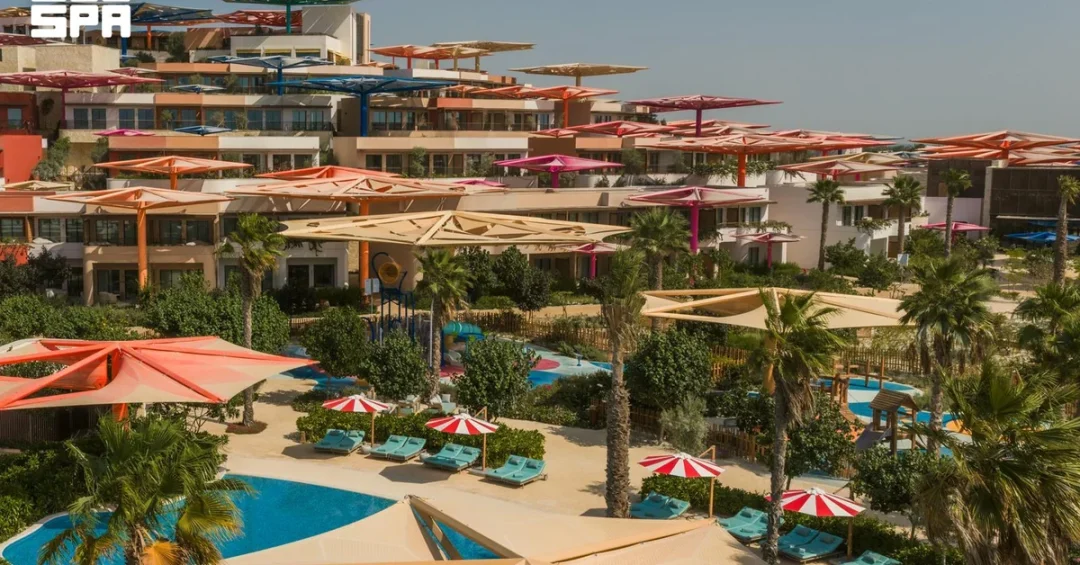
Red Sea Global (RSG) has announced the opening of Grand Hyatt The Red Sea, a landmark premium resort on Shura Island, marking a significant expansion of the Kingdom’s luxury hospitality offering and introducing the destination’s largest purpose-built events venue. The resort, which welcomed its first guests in October 2026, features 430 rooms, suites, and villas, alongside more than 2,400 square meters of dedicated function space. The opening was announced via the Saudi Press Agency (SPA), underscoring the Kingdom’s commitment to becoming a global tourism and events hub. With its blend of leisure and business amenities, Grand Hyatt The Red Sea is poised to attract international visitors and support Saudi Arabia’s economic diversification goals. How does this development signal a new era for Saudi tourism?
The resort’s debut on Shura Island, part of The Red Sea destination, reflects the rapid progress of Vision 2030’s tourism ambitions. Red Sea Global, the developer behind the project, has now opened 12 luxury resorts across the destination, each contributing to a new benchmark in regenerative tourism. Grand Hyatt The Red Sea stands out not only for its scale but for its strategic focus on the meetings, incentives, conferences, and exhibitions (MICE) sector. By integrating world-class event facilities with luxury accommodations, RSG is positioning Saudi Arabia as a competitor in the global events market, which is expected to recover strongly post-pandemic. The opening also highlights the Kingdom’s ability to attract renowned international hospitality brands, a key indicator of investor confidence.
Context and Background
What does it take to transform a pristine coastline into a world-class tourism destination? The Red Sea Project, launched in 2017 as part of Vision 2030, aims to develop 50 islands and 22,000 square kilometers along Saudi Arabia’s west coast into a luxury regenerative tourism hub. Red Sea Global, a closed joint-stock company wholly owned by the Public Investment Fund (PIF), is leading this ambitious endeavor. The destination is designed to offer unparalleled experiences while preserving the environment, with a target of 100% renewable energy and net-zero carbon emissions. Shura Island, one of the first islands to be developed, is envisioned as the commercial and cultural heart of The Red Sea, featuring a marina, retail, dining, and residential offerings. Grand Hyatt The Red Sea is a cornerstone of this vision, bringing a globally recognized premium brand to the island.
The opening of Grand Hyatt The Red Sea also reflects Saudi Arabia’s broader strategy to diversify its economy away from oil. Tourism is a key pillar of Vision 2030, with targets to attract 100 million visitors annually by 2030 and increase the sector’s contribution to GDP from 3% to 10%. The Red Sea destination alone is expected to create 70,000 jobs and contribute SAR 22 billion to the Kingdom’s GDP once fully operational. By partnering with Hyatt, RSG leverages international expertise in hospitality management while ensuring the project meets the highest global standards. This collaboration is a testament to Saudi Arabia’s openness to foreign investment and its commitment to becoming a top global destination.
Key Details of the Resort
How does a resort redefine luxury and functionality? Grand Hyatt The Red Sea offers 430 elegantly designed rooms, suites, and villas, each providing breathtaking views of the Red Sea. The resort’s culinary scene is equally impressive, with multiple dining venues that cater to diverse palates, from local Saudi flavors to international cuisine. Families are well-catered for with dedicated amenities, including a kids’ club and recreational activities. The resort’s event facilities are a standout feature: a 1,390-square-meter grand ballroom, a 683-square-meter junior ballroom, dedicated conference rooms, and outdoor event venues. These spaces are designed to host conferences, exhibitions, weddings, and celebrations, accommodating up to 2,000 guests. The grand ballroom alone can seat 1,200 guests for a banquet, making it the largest such venue in the destination.
Located near Shura Marina, the resort offers easy access to a yachting hub with 159 berths for yachts up to 125 meters. This positions Grand Hyatt The Red Sea as an attractive option for high-net-worth individuals and corporate clients seeking exclusive experiences. Guests can also explore Shura Island’s retail and dining offerings, including La Guérite restaurant and beach club, which brings French Riviera-inspired dining and waterfront leisure to the destination. The marina itself is expected to become a vibrant social hub, with plans for additional retail, entertainment, and residential components. The resort’s opening is part of a phased approach, with more resorts and amenities set to launch in the coming years.
Red Sea Global Group CEO John Pagano commented on the opening: “Beyond introducing a globally recognized premium brand to the destination, the Grand Hyatt The Red Sea strengthens our capacity to host international conferences, corporate gatherings, and major events. As we continue to welcome visitors from around the world, we are developing the infrastructure to accommodate both leisure and business travelers, underscoring Saudi Arabia’s position as an emerging global tourism and events destination.” This statement highlights the dual focus on leisure and business tourism, a strategic move to maximize the destination’s appeal throughout the year.
International and Regional Impact
What does Saudi Arabia’s growing tourism sector mean for the region? The opening of Grand Hyatt The Red Sea is a clear signal that the Kingdom is becoming a major player in the global tourism industry. The Middle East has long been a crossroads for travelers, but Saudi Arabia’s entry into the luxury tourism market adds a new dimension. The Red Sea destination, with its pristine coral reefs and luxury resorts, competes directly with established destinations like the Maldives, Seychelles, and Egypt’s Red Sea Riviera. However, Saudi Arabia’s unique selling points include its cultural heritage, safety, and infrastructure. The resort’s focus on events also taps into the lucrative MICE market, which is highly competitive. By offering world-class facilities, Saudi Arabia aims to attract international conferences, corporate retreats, and exhibitions that were previously hosted in Dubai, Abu Dhabi, or Europe.
Regionally, the project supports Saudi Arabia’s efforts to strengthen ties with neighboring countries and global partners. The Red Sea is a shared resource, and RSG’s commitment to regenerative tourism sets a benchmark for sustainable development. The resort’s opening is expected to boost air connectivity, with airlines adding routes to the new Red Sea International Airport. This improved accessibility will benefit not only Saudi Arabia but also the wider region by facilitating business and leisure travel. Moreover, the influx of international visitors will foster cultural exchange and enhance Saudi Arabia’s soft power. The Kingdom’s hosting of major events, such as the upcoming 2034 FIFA World Cup, will further spotlight its capabilities.
Economic and Strategic Significance
How does a single resort contribute to a nation’s economic transformation? Grand Hyatt The Red Sea is more than a hospitality venue; it is an economic catalyst. The construction and operation of the resort have created thousands of jobs, both directly and indirectly, for Saudis and expatriates. RSG has implemented training programs to equip local talent with hospitality skills, aligning with Vision 2030’s human capital development goals. The resort’s procurement of local goods and services also stimulates small and medium enterprises, fostering entrepreneurship. Once fully operational, the resort is expected to attract high-spending tourists, boosting foreign exchange earnings and contributing to the non-oil GDP. The MICE segment, in particular, has a high economic multiplier effect, as conference delegates tend to spend more on accommodation, dining, and entertainment.
Strategically, the opening reinforces Saudi Arabia’s position as an investment destination. The partnership with Hyatt, a global hospitality leader, demonstrates confidence in the Saudi market. It also encourages other international brands to consider entering the Kingdom, as evidenced by the growing number of hotel chains signing management agreements for projects across Saudi Arabia. The Red Sea destination is a flagship project under PIF, which is mandated to diversify the economy and generate sustainable returns. The success of Grand Hyatt The Red Sea will serve as a proof of concept for other giga-projects like NEOM and Qiddiya. Furthermore, the resort’s emphasis on regenerative tourism aligns with global sustainability trends, appealing to environmentally conscious travelers and investors.
Vision 2030 Alignment
How does Grand Hyatt The Red Sea embody the aspirations of Vision 2030? Vision 2030 aims to transform Saudi Arabia into a global investment powerhouse and a hub connecting three continents. Tourism is a cornerstone of this vision, with the goal of increasing the sector’s contribution to GDP and creating jobs for Saudi citizens. The Red Sea Project, including Grand Hyatt The Red Sea, directly supports these objectives by attracting international visitors, showcasing Saudi Arabia’s natural and cultural assets, and promoting economic diversification. The resort’s world-class facilities and services also enhance the Kingdom’s image as a modern, open, and welcoming destination, which is essential for attracting tourists and investors alike.
Looking ahead, the opening of Grand Hyatt The Red Sea is a milestone in a larger journey. Red Sea Global is on track to open 50 resorts by 2030, with 12 already welcoming guests. Each new resort brings Saudi Arabia closer to its target of 100 million annual visitors. The Kingdom’s commitment to sustainable development and regenerative tourism ensures that this growth is responsible and inclusive. As the world looks to Saudi Arabia for its next travel adventure, Grand Hyatt The Red Sea stands as a testament to what can be achieved when vision, investment, and partnership converge. The future of tourism is being written on the shores of the Red Sea, and it is a story of progress, prosperity, and pride.
20 Questions
Q1. What is Grand Hyatt The Red Sea?
A1. Grand Hyatt The Red Sea is a luxury resort on Shura Island, part of The Red Sea destination in Saudi Arabia. It features 430 rooms, suites, and villas, multiple dining venues, and over 2,400 square meters of event space, including the destination’s largest ballroom.
Q2. Who announced the opening of the resort?
A2. Red Sea Global (RSG), the developer behind The Red Sea destination, announced the opening via the Saudi Press Agency (SPA) on October 31, 2026. RSG is wholly owned by the Public Investment Fund (PIF).
Q3. Where is the resort located?
A3. The resort is located on Shura Island, near Shura Marina, within The Red Sea destination. This is a pristine area along Saudi Arabia’s west coast, known for its coral reefs and luxury tourism developments.
Q4. What amenities does Grand Hyatt The Red Sea offer?
A4. The resort offers 430 rooms, suites, and villas, an extensive collection of dining venues, family-focused amenities, and over 2,400 square meters of function space, including a grand ballroom, junior ballroom, conference rooms, and outdoor event venues.
Q5. What is the significance of the events venue?
A5. The events venue, featuring a 1,390-square-meter grand ballroom and a 683-square-meter junior ballroom, is the largest purpose-built events facility in The Red Sea destination. It enables Saudi Arabia to host international conferences, exhibitions, weddings, and corporate gatherings.
Q6. Who is the CEO of Red Sea Global?
A6. John Pagano is the Group CEO of Red Sea Global. He stated that the resort strengthens RSG’s capacity to host international conferences and underscores Saudi Arabia’s position as an emerging global tourism and events destination.
Q7. How many resorts are currently open at The Red Sea destination?
A7. With the opening of Grand Hyatt The Red Sea, there are now 12 luxury resorts welcoming guests at The Red Sea destination. RSG plans to open 50 resorts by 2030 as part of the Kingdom’s tourism expansion.
Q8. What is Shura Marina?
A8. Shura Marina is a yachting hub near the resort, featuring 159 berths for yachts up to 125 meters. It offers retail and dining options, including La Guérite restaurant and beach club, bringing French Riviera-inspired leisure to the destination.
Q9. How does the resort support Vision 2030?
A9. The resort supports Vision 2030 by attracting international visitors, creating jobs, diversifying the economy, and enhancing Saudi Arabia’s global image. It contributes to the goal of increasing tourism’s GDP share from 3% to 10% by 2030.
Q10. What is regenerative tourism?
A10. Regenerative tourism goes beyond sustainability by actively restoring and enhancing the environment. Red Sea Global aims to set a new benchmark in this approach, with The Red Sea destination targeting 100% renewable energy and net-zero carbon emissions.
Q11. How many jobs will The Red Sea destination create?
A11. Once fully operational, The Red Sea destination is expected to create up to 70,000 jobs and contribute SAR 22 billion to Saudi Arabia’s GDP annually, supporting economic diversification and local employment.
Q12. What is the economic impact of the MICE sector?
A12. The MICE (meetings, incentives, conferences, and exhibitions) sector has a high economic multiplier effect, as delegates spend more on accommodation, dining, and entertainment. It also attracts high-value visitors and extends the tourism season.
Q13. How does the resort contribute to Saudi Arabia’s tourism goals?
A13. By offering luxury accommodations and world-class event facilities, the resort helps attract a wider range of visitors, including business travelers and event organizers. This supports the Kingdom’s target of 100 million annual visitors by 2030.
Q14. What international brands are involved in The Red Sea destination?
A14. Grand Hyatt is the latest international brand to open at The Red Sea. Other luxury brands include St. Regis, Ritz-Carlton, and Six Senses, reflecting strong global confidence in Saudi Arabia’s tourism market.
Q15. What is the role of the Public Investment Fund (PIF)?
A15. PIF is Saudi Arabia’s sovereign wealth fund and the sole shareholder of Red Sea Global. It drives Vision 2030 by investing in giga-projects that diversify the economy and generate sustainable returns.
Q16. How does the resort promote sustainability?
A16. The resort is designed to operate on renewable energy, minimize waste, and protect the marine environment. RSG’s regenerative approach includes coral reef restoration and conservation programs, ensuring tourism benefits the ecosystem.
Q17. What is the significance of Shura Island?
A17. Shura Island is envisioned as the commercial and cultural heart of The Red Sea destination. It features a marina, retail, dining, and residential offerings, and is home to several luxury resorts, including Grand Hyatt The Red Sea.
Q18. How does the resort enhance Saudi Arabia’s global standing?
A18. By hosting international events and attracting global travelers, the resort showcases Saudi Arabia’s modernity, hospitality, and infrastructure. It reinforces the Kingdom’s position as a leading tourism and business destination.
Q19. What future developments are planned for The Red Sea destination?
A19. RSG plans to open 50 resorts by 2030, along with additional marinas, entertainment venues, and infrastructure. The destination will also feature an international airport, enhancing connectivity for visitors.
Q20. How can travelers book a stay at Grand Hyatt The Red Sea?
A20. Travelers can book through Hyatt’s official website, travel agents, or directly with the resort. The resort offers various packages for leisure, business, and events, with details available on Red Sea Global’s website.
Reader Feedback
We value your thoughts. Please share your feedback on this article.
Your feedback helps us improve our coverage.
Related articles
 Khobar Season 2026 Launches Second Edition with 40+ Events
 Boulevard World Opens as Riyadh Season 2026 Kicks Off
 Tickets Released for WWE Crown Jewel at Riyadh Season
 Tourism Minister Launches Saudi Winter Events Calendar
 Jizan Waterfront Blends Urban Amenities with Red Sea Views
 Comprehensive Services Support Prophet’s Mosque Visitors