


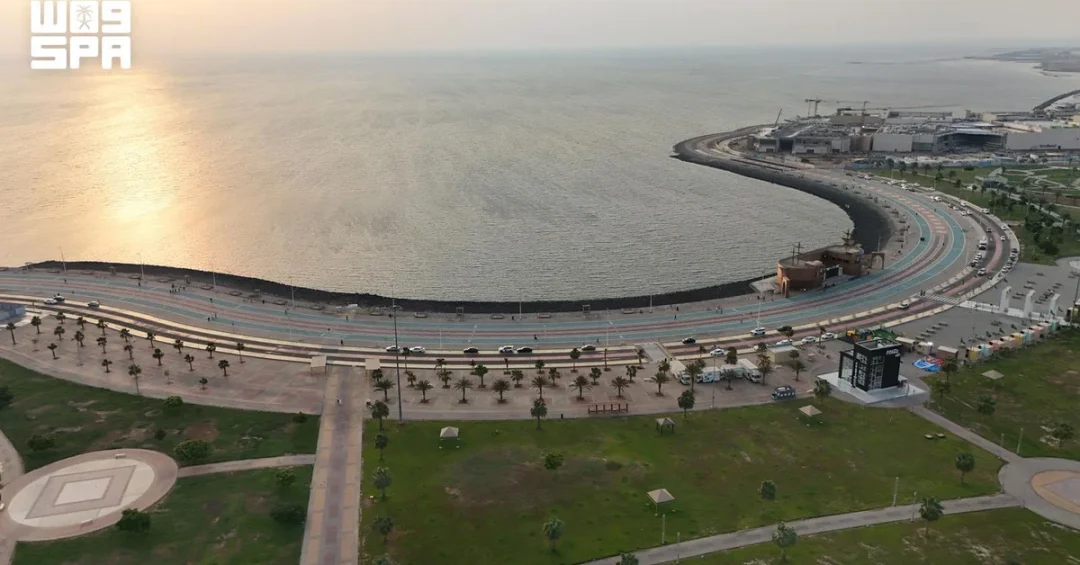
Jazan Region, located along Saudi Arabia’s southern Red Sea coast, offers an expansive spectrum of sandy beaches, waterfronts, coral islands, and natural habitats that provide prime foundations for sustainable marine and eco-tourism, according to information released by the Saudi Press Agency (SPA). The region’s coastal and marine destinations, which include the northern and southern corniche waterfronts within Jizan city, as well as beaches in Al-Shaqiq, Baish, and Al-Sahi, attract residents and visitors seeking coastal recreation across varied marine landscapes. Have you ever wondered how a single region can combine pristine beaches, thriving coral reefs, and globally recognized conservation areas? Jazan’s unique geography makes it a standout destination on the Red Sea.
The Farasan Islands archipelago, located roughly 50 kilometers off Jizan’s mainland, represents the region’s flagship eco-tourism asset. Covering a marine protected area of 5,657 square kilometers across more than 266 coral islands, the archipelago features pristine coral reefs, seagrass meadows, and extensive mangrove stands that shelter feeding and breeding grounds vital to coastal biodiversity. This natural wealth positions Jazan as a key contributor to Saudi Arabia’s Vision 2030 goals, particularly in tourism development and environmental sustainability. The region’s ecological and cultural assets support balanced tourism experiences, including island excursions, birdwatching, diving, and marine exploration, while continued habitat protection and responsible visitor practices remain central to preserving these fragile ecosystems.
Context and Background
How did Jazan emerge as one of Saudi Arabia’s most promising eco-tourism frontiers? The answer lies in its unique geographical and ecological inheritance. Stretching along the southern Red Sea, Jazan Region has long been known for its agricultural fertility and coastal beauty, but only in recent years has its marine biodiversity gained international recognition. The Farasan Islands, in particular, have become a focal point for conservation and sustainable tourism, thanks to a series of designations that underscore their global environmental standing. In 2021, the archipelago was designated a UNESCO Man and the Biosphere Reserve, followed by its registration as a Ramsar Wetland of International Importance in 2025, and its inscription on the IUCN Green List of Protected and Conserved Areas in 2026.
These accolades reflect decades of dedicated efforts by Saudi authorities to protect the region’s natural heritage. The Farasan Islands Marine Protected Area spans 5,657 square kilometers and encompasses more than 266 coral islands, each contributing to a complex web of life. The islands’ coral reefs, seagrass meadows, and mangrove forests serve as critical nurseries for marine species and as feeding and breeding grounds for migratory seabirds. The endangered Farasan gazelle, endemic to the archipelago, symbolizes the region’s unique biodiversity. Such ecological richness not only supports conservation but also forms the backbone of a growing eco-tourism sector that aims to attract visitors from around the world while preserving the environment.
Within Jizan city, the northern and southern corniche waterfronts have been developed into prominent recreational spaces, featuring landscaped walkways, rest areas, and panoramic coastal views. These urban waterfronts complement the more remote natural attractions, offering accessible leisure options for families and tourists. Along the regional coastline, beaches in Al-Shaqiq, Baish, and Al-Sahi waterfront attract visitors seeking coastal recreation across varied marine landscapes. Together, these destinations showcase the diversity of Jazan’s coastal offerings, from developed promenades to untouched island sanctuaries. The integration of urban amenities with natural wonders is a hallmark of Saudi Arabia’s approach to sustainable tourism development, aligning with Vision 2030’s quality-of-life objectives.
Key Details
What makes the Farasan Islands archipelago a globally recognized conservation success story? The archipelago’s designations tell a compelling tale. The UNESCO Man and the Biosphere Reserve designation in 2021 recognized the islands’ role in balancing conservation with sustainable development. The Ramsar Wetland of International Importance registration in 2025 highlighted the significance of its mangrove stands and coastal wetlands for migratory birds and marine life. Most recently, the IUCN Green List inscription in 2026 acknowledged effective governance, conservation standards, and community engagement. These international recognitions are not merely honorary; they reflect rigorous management practices that ensure the protection of fragile ecosystems while allowing for carefully managed tourism.
The marine protected area’s size and scope are impressive: 5,657 square kilometers of diverse habitats. Coral reefs here are among the most pristine in the Red Sea, supporting a dazzling array of fish species, invertebrates, and other marine organisms. Seagrass meadows act as carbon sinks and provide food for endangered species such as the dugong and green turtle. Mangrove forests, with their intricate root systems, stabilize coastlines, filter water, and offer nursery grounds for commercially important fish. The Farasan gazelle, a small antelope adapted to the islands’ arid environment, is a flagship species for conservation efforts. Migratory seabirds, including terns and gulls, flock to the islands during breeding seasons, adding to the ecological spectacle.
Beyond the archipelago, Jazan’s mainland beaches and waterfronts offer accessible entry points to this marine wonderland. The northern and southern corniche in Jizan city are bustling with activity, featuring well-maintained walkways, picnic areas, and viewpoints. Al-Shaqiq, Baish, and Al-Sahi waterfronts provide more relaxed settings where visitors can enjoy the sea breeze and local cuisine. These destinations are increasingly popular among domestic tourists and are being developed to meet international standards. The Saudi Press Agency report highlights that these coastal areas are integral to the region’s tourism strategy, which emphasizes environmental stewardship and community involvement. Responsible visitor practices, such as not touching coral and properly disposing of waste, are promoted to ensure that these natural treasures endure for future generations.
International and Regional Impact
How do Jazan’s marine ecosystems contribute to global conservation efforts? The Farasan Islands’ international designations place them on the map of world heritage and biodiversity hotspots. As a UNESCO Man and the Biosphere Reserve, the archipelago joins a global network of sites that serve as learning laboratories for sustainable development. The Ramsar designation underscores the importance of wetlands for migratory species, linking Jazan to flyways that stretch from Europe to Africa. The IUCN Green List recognition signals that the islands are managed effectively, setting a benchmark for protected areas worldwide. These honors attract attention from conservation organizations, researchers, and eco-tourists, fostering international collaboration and knowledge exchange.
Regionally, Jazan’s success story contributes to Saudi Arabia’s leadership in environmental diplomacy. The Kingdom has increasingly positioned itself as a responsible steward of natural resources, launching initiatives such as the Saudi Green Initiative and the Middle East Green Initiative. The Farasan Islands serve as a tangible example of these commitments, demonstrating that economic development and ecological preservation can go hand in hand. Neighboring countries in the Red Sea region look to Saudi Arabia’s model as they seek to balance their own coastal development with conservation. Moreover, the archipelago’s protection supports fisheries that are vital to local livelihoods, ensuring food security and economic resilience for coastal communities. The integration of community engagement in management plans further strengthens social cohesion and local pride.
Economic and Strategic Significance
What economic opportunities arise from Jazan’s marine biodiversity? Sustainable eco-tourism is a growing sector that promises to diversify Saudi Arabia’s economy beyond oil. The Farasan Islands and mainland beaches attract visitors interested in diving, snorkeling, birdwatching, and cultural experiences. This influx of tourists creates jobs in hospitality, guiding, transportation, and retail, benefiting local residents. The Saudi Press Agency report notes that these ecological and cultural assets support balanced tourism experiences, which are essential for long-term economic viability. By focusing on high-value, low-impact tourism, Jazan can avoid the pitfalls of mass tourism that degrade natural environments. Instead, it can cultivate a niche market of environmentally conscious travelers who appreciate authenticity and conservation.
Strategically, Jazan’s location along the Red Sea places it at the crossroads of global shipping lanes and near key markets in Africa and Asia. The region’s ports and infrastructure are being upgraded as part of broader national development plans. Protecting marine ecosystems ensures that these economic activities remain sustainable. For instance, healthy coral reefs and mangroves act as natural barriers against coastal erosion and storm surges, reducing vulnerability to climate change. They also support fisheries that contribute to food security and export revenues. The Farasan Islands’ recognition as a Ramsar site highlights the role of wetlands in carbon sequestration, aligning with global climate goals. Saudi Arabia’s investment in conservation thus yields both environmental and economic dividends, reinforcing the Kingdom’s reputation as a forward-looking nation.
Vision 2030 Alignment
How does Jazan’s eco-tourism development align with Saudi Vision 2030? The Vision, launched in 2016, aims to diversify the economy, enhance quality of life, and position Saudi Arabia as a global destination. Tourism is a key pillar, with targets to increase international visitors and domestic spending. Jazan’s beaches and islands are integral to this strategy, offering unique experiences that differentiate the Kingdom from other regional destinations. The Farasan Islands’ conservation successes demonstrate how environmental protection can be a catalyst for tourism growth. By preserving these assets, Saudi Arabia ensures that future generations can enjoy them while reaping economic benefits. The Vision also emphasizes community participation and empowerment, which is reflected in the participatory management of the Farasan Islands.
Furthermore, the development of Jazan’s coastal areas supports the Vision’s goal of balanced regional development. While major cities like Riyadh and Jeddah have seen rapid growth, regions like Jazan are now receiving attention to unlock their potential. Investments in infrastructure, hospitality, and conservation are creating new opportunities for local businesses and entrepreneurs. The Saudi Press Agency report underscores that continued habitat protection, regular environmental monitoring, and responsible visitor practices remain central to preserving the fragile ecosystems that define Jazan’s coastal richness. This holistic approach ensures that tourism development does not come at the expense of the environment, setting a model for other regions in the Kingdom and beyond. As Saudi Arabia marches toward a sustainable future, Jazan stands as a shining example of how natural heritage can be a source of pride, prosperity, and global engagement.
20 Questions
Q1. What makes Jazan’s coastal and marine destinations unique in Saudi Arabia?
A1. Jazan offers an expansive spectrum of sandy beaches, waterfronts, coral islands, and natural habitats along the southern Red Sea, providing prime foundations for sustainable marine and eco-tourism, according to the Saudi Press Agency.
Q2. Where are the northern and southern corniche waterfronts located?
A2. They are located within Jizan city, serving as prominent recreational spaces with landscaped walkways, rest areas, and panoramic coastal views for residents and visitors.
Q3. Which beaches along the Jazan coastline attract visitors?
A3. Beaches in Al-Shaqiq, Baish, and Al-Sahi waterfront attract residents and visitors seeking coastal recreation across varied marine landscapes.
Q4. How far are the Farasan Islands from Jizan’s mainland?
A4. The Farasan Islands archipelago is located roughly 50 kilometers off Jizan’s mainland, making it accessible for island excursions and marine exploration.
Q5. What is the size of the Farasan Islands Marine Protected Area?
A5. The marine protected area covers 5,657 square kilometers across more than 266 coral islands, featuring pristine coral reefs, seagrass meadows, and extensive mangrove stands.
Q6. What ecological features are found in the Farasan Islands?
A6. The archipelago features pristine coral reefs, seagrass meadows, and extensive mangrove stands that shelter feeding and breeding grounds vital to coastal biodiversity.
Q7. Which endangered species is most notably supported by the Farasan Islands?
A7. The archipelago supports significant wildlife populations, most notably the endangered Farasan gazelle, along with diverse marine species and migratory seabirds.
Q8. When was the Farasan Islands designated a UNESCO Man and the Biosphere Reserve?
A8. The archipelago was designated a UNESCO Man and the Biosphere Reserve in 2021, recognizing its global environmental standing and conservation efforts.
Q9. When was the Farasan Islands registered as a Ramsar Wetland of International Importance?
A9. It was registered as a Ramsar Wetland of International Importance in 2025, highlighting the significance of its wetlands for migratory birds and marine life.
Q10. When was the Farasan Islands inscribed on the IUCN Green List?
A10. The archipelago was inscribed on the IUCN Green List of Protected and Conserved Areas in 2026, in recognition of its effective governance, conservation standards, and community engagement.
Q11. What tourism activities are supported by Jazan’s ecological and cultural assets?
A11. These assets support balanced tourism experiences, including island excursions, birdwatching, diving, and marine exploration, catering to environmentally conscious travelers.
Q12. What practices are central to preserving Jazan’s fragile ecosystems?
A12. Continued habitat protection, regular environmental monitoring, and responsible visitor practices remain central to preserving the fragile ecosystems that define Jazan’s coastal richness.
Q13. How does Jazan’s eco-tourism contribute to Saudi Vision 2030?
A13. It supports economic diversification, enhances quality of life, and positions Saudi Arabia as a global destination, aligning with Vision 2030’s tourism and sustainability goals.
Q14. What role does the Saudi Press Agency play in reporting on Jazan?
A14. The Saudi Press Agency (SPA) provides official information and updates on Jazan’s coastal and marine destinations, ensuring accurate and reliable news for the public.
Q15. Why is the Farasan Islands archipelago considered a flagship eco-tourism asset?
A15. It represents the region’s flagship eco-tourism asset due to its pristine coral reefs, diverse wildlife, and international designations that underscore its global environmental importance.
Q16. What marine species can be found in the Farasan Islands’ waters?
A16. The waters host diverse marine species, including fish, invertebrates, dugongs, and green turtles, supported by coral reefs and seagrass meadows.
Q17. How do mangrove stands benefit the coastal environment?
A17. Mangrove stands stabilize coastlines, filter water, sequester carbon, and provide nursery grounds for commercially important fish and other marine life.
Q18. What is the significance of the Farasan gazelle?
A18. The endangered Farasan gazelle is endemic to the archipelago and serves as a flagship species for conservation efforts, symbolizing the region’s unique biodiversity.
Q19. How does community engagement support conservation in the Farasan Islands?
A19. Community engagement is integral to effective governance and conservation, as recognized by the IUCN Green List, ensuring local support and sustainable management practices.
Q20. What future developments are planned for Jazan’s coastal tourism?
A20. Future developments focus on sustainable infrastructure, hospitality, and conservation, aiming to attract international visitors while preserving the environment for generations to come.
Reader Feedback
We value your thoughts. Please share your feedback on this article.
Your feedback helps us improve our coverage.
Related articles
 Golfi at SEVEN Abha Offers 12-Hole Interactive Mini-Golf Experience
 Hail Arabian Horse Show Draws 18,000 Spectators on Day 3
 Grand Hyatt The Red Sea Opens on Shura Island
 Khobar Season 2026 Launches Second Edition with 40+ Events
 Boulevard World Opens as Riyadh Season 2026 Kicks Off
 Tickets Released for WWE Crown Jewel at Riyadh Season