


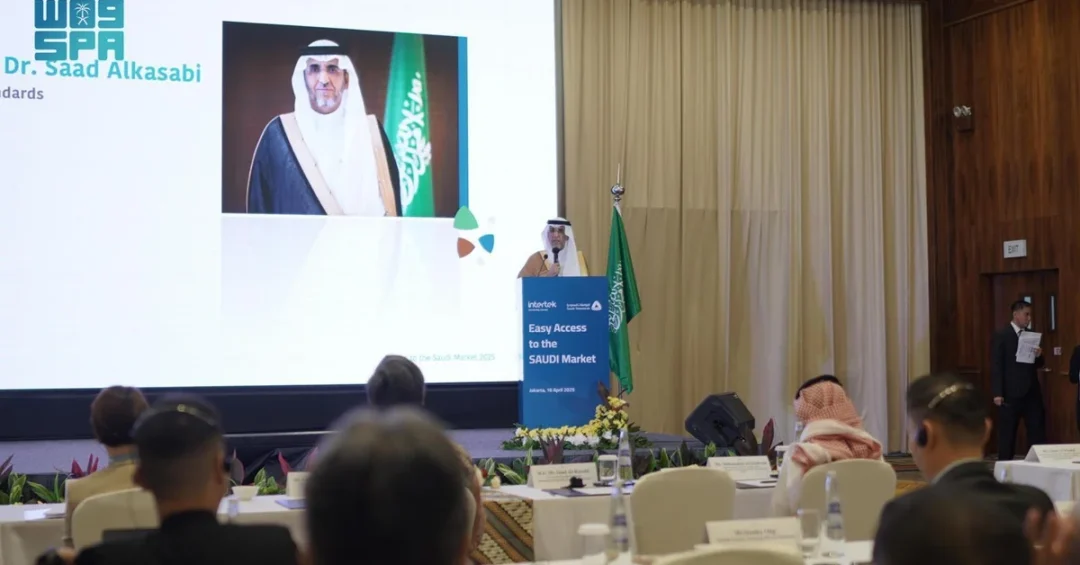
The Saudi Standards, Metrology and Quality Organization (SASO) concluded a landmark Asian tour with a visit to Indonesia on April 16, 2025, reinforcing Saudi Arabia’s commitment to enhancing global trade relations and product safety standards. Led by Governor Saad Alkasabi, the delegation visited Jakarta to showcase the Kingdom’s advanced experience in product safety programs and to explore avenues for deeper collaboration with Indonesian government and private sector officials. This visit marks the culmination of a Southeast Asian tour that also included stops in Singapore, Thailand, and Malaysia, all aimed at reducing technical barriers to trade and fostering international partnerships. The tour underscores Saudi Arabia’s proactive role in shaping global standards and promoting economic diversification under Vision 2030.
What does this mean for the future of Saudi trade and its global partnerships? The SASO delegation’s efforts are part of a broader strategy to position the Kingdom as a leader in quality infrastructure, enhancing its attractiveness as a trade partner and investment destination. By engaging with key Asian economies, Saudi Arabia is not only expanding its export markets but also contributing to the harmonization of international standards, which benefits consumers and businesses alike. This initiative reflects the Kingdom’s dedication to sustainable development and its vision of a diversified, knowledge-based economy.
Context and Background
Why is SASO’s mission to Asia so critical at this juncture? The Saudi Standards, Metrology and Quality Organization has long been at the forefront of ensuring that products entering the Saudi market meet rigorous safety and quality standards. As the Kingdom accelerates its economic transformation under Vision 2030, the role of SASO has become increasingly pivotal in facilitating trade while safeguarding consumers. The Asian tour, which began in Singapore and continued through Thailand and Malaysia before concluding in Indonesia, is a testament to Saudi Arabia’s proactive approach to international engagement. These countries represent key trading partners and sources of imports, making their cooperation essential for streamlining conformity assessment procedures and reducing technical barriers.
The visit to Indonesia, in particular, holds strategic significance. Indonesia is the largest economy in Southeast Asia and a member of the G20, with a rapidly growing consumer market. By strengthening ties with Indonesian authorities, SASO aims to ensure that products traded between the two nations adhere to mutually recognized standards, thereby boosting confidence among exporters and importers. This collaboration is expected to facilitate smoother trade flows and open new opportunities for Saudi businesses in the region. Moreover, it aligns with the Kingdom’s efforts to diversify its economy beyond oil, as outlined in Vision 2030, by promoting non-oil exports and enhancing the competitiveness of Saudi products abroad.
The tour also reflects Saudi Arabia’s commitment to international cooperation in standardization, a field that is increasingly important in global trade. As supply chains become more complex, the need for harmonized standards is paramount to ensure safety, interoperability, and efficiency. SASO’s engagements in Asia are part of a wider strategy to build a network of mutual recognition agreements that can reduce costs and time for businesses, ultimately benefiting consumers with safer and more reliable products. This approach not only enhances trade but also positions Saudi Arabia as a responsible global player that upholds high standards and fosters trust.
Key Details of the Asian Tour
What specific outcomes were achieved during the tour? The SASO delegation, led by Governor Saad Alkasabi, held a series of high-level meetings with officials from various government agencies and private sector entities in each of the four countries. In Indonesia, discussions focused on sharing Saudi Arabia’s experience in implementing product safety programs, including market surveillance, risk assessment, and conformity assessment frameworks. The Indonesian officials expressed keen interest in learning from SASO’s best practices, particularly in the areas of halal certification and standards for food and pharmaceutical products, which are vital for both nations. The two sides agreed to explore potential cooperation agreements that would facilitate the exchange of technical expertise and information.
In Singapore, Thailand, and Malaysia, similar dialogues took place, with a focus on aligning standards for electrical products, building materials, and automotive components, among others. The delegation also highlighted Saudi Arabia’s advancements in metrology, the science of measurement, which underpins fair trade and consumer protection. By showcasing its state-of-the-art laboratories and testing facilities, SASO demonstrated its capacity to serve as a regional hub for quality assurance. These interactions are expected to lead to concrete partnerships, such as joint training programs, staff exchanges, and collaborative research initiatives. The tour thus served as a platform for Saudi Arabia to assert its leadership in quality infrastructure and to build lasting relationships with Asian counterparts.
Furthermore, the visit to Indonesia included a workshop on product safety and conformity assessment, attended by representatives from Indonesian ministries, standards bodies, and industry associations. The workshop provided a forum for in-depth discussions on challenges and solutions in ensuring product safety across borders. SASO’s presentation on its integrated digital platforms for product registration and traceability was particularly well-received, as it offers a model for efficient and transparent regulatory processes. The Indonesian side shared its own experiences and expressed a desire to collaborate on developing compatible systems. Such exchanges are crucial for building mutual trust and facilitating trade, as they reduce the likelihood of disputes arising from differing standards and procedures.
International and Regional Impact
How will this tour influence Saudi Arabia’s standing in the region and beyond? The conclusion of the Asian tour signals Saudi Arabia’s growing influence in setting global standards and its commitment to fostering international cooperation. By engaging with key Asian economies, the Kingdom is not only enhancing its trade relations but also contributing to the development of a more integrated and rules-based global trading system. This is particularly important as the world recovers from the economic disruptions of recent years and seeks to build more resilient supply chains. Saudi Arabia’s proactive stance in sharing its expertise and learning from others demonstrates its willingness to be a constructive partner in addressing shared challenges, such as counterfeit products and regulatory fragmentation.
Regionally, the tour strengthens Saudi Arabia’s ties with Southeast Asian nations, which are increasingly important partners in the Kingdom’s economic diversification efforts. Indonesia, Malaysia, Singapore, and Thailand are all significant markets for Saudi non-oil exports, as well as sources of investment and technology. By reducing technical barriers to trade, SASO’s initiatives will make it easier for Saudi businesses to access these markets and for Asian companies to export to Saudi Arabia. This mutual benefit is expected to boost trade volumes and create new opportunities for collaboration in sectors such as renewable energy, digital economy, and healthcare. Moreover, the tour reinforces Saudi Arabia’s role as a bridge between the Middle East and Asia, leveraging its strategic location and economic weight to facilitate greater connectivity.
On the international stage, SASO’s efforts align with the objectives of the World Trade Organization (WTO) and the International Organization for Standardization (ISO), which promote the use of international standards to facilitate trade. By actively participating in these global frameworks and sharing its experiences, Saudi Arabia is enhancing its reputation as a responsible and engaged member of the international community. This, in turn, can lead to greater opportunities for Saudi professionals to contribute to international standard-setting bodies, ensuring that the Kingdom’s interests and perspectives are represented. The tour thus serves as a model for how countries can collaborate to raise quality and safety standards while promoting economic growth.
Economic and Strategic Significance
What are the economic benefits of these efforts for Saudi Arabia? The reduction of technical barriers to trade is a key driver of economic growth, as it lowers costs for exporters and importers, increases market access, and enhances consumer choice. For Saudi Arabia, this means that its non-oil exports, which are a cornerstone of Vision 2030, can become more competitive in Asian markets. Sectors such as petrochemicals, plastics, and processed foods stand to gain from streamlined conformity assessment procedures, as they will face fewer regulatory hurdles and shorter clearance times. Additionally, by aligning standards with international norms, Saudi manufacturers can more easily integrate into global value chains, attracting foreign investment and fostering innovation.
Strategically, the tour supports Saudi Arabia’s goal of becoming a logistics and trade hub connecting three continents. The Kingdom’s geographical position, coupled with its investments in infrastructure and digitalization, makes it an ideal gateway for goods moving between Asia, Europe, and Africa. By ensuring that products meet high safety and quality standards, SASO contributes to the reliability and attractiveness of Saudi Arabia as a transit and distribution center. This is complemented by initiatives such as the National Industrial Development and Logistics Program (NIDLP), which aims to localize industry and boost non-oil exports. The partnerships forged during the Asian tour will facilitate the exchange of goods and services, further integrating Saudi Arabia into the Asian economic landscape and supporting the Kingdom’s long-term prosperity.
Furthermore, the collaboration in product safety and conformity assessment has direct implications for consumer protection. By working with Asian counterparts to harmonize standards, SASO helps ensure that products sold in Saudi Arabia are safe and reliable, protecting citizens from substandard or counterfeit goods. This is particularly important as e-commerce grows, bringing a wider array of products into the market. The tour’s emphasis on digital solutions for traceability and verification reflects Saudi Arabia’s commitment to leveraging technology for regulatory excellence. In this way, the economic benefits are accompanied by social benefits, as consumers gain confidence in the products they purchase, and businesses benefit from a fair and transparent trading environment.
Vision 2030 Alignment
How does SASO’s Asian tour contribute to Vision 2030? The tour is a clear manifestation of Vision 2030’s goal of creating a thriving economy and diversifying revenue sources away from oil. By enhancing trade relations and reducing technical barriers, SASO is helping to open new markets for Saudi products and attract foreign investment, both of which are essential for economic growth and job creation. The focus on quality infrastructure also supports the development of a knowledge-based economy, as it encourages innovation, skills development, and the adoption of best practices. Moreover, the tour exemplifies the Kingdom’s commitment to international cooperation and its desire to play a leading role in global affairs, which is a key pillar of Vision 2030’s strategic objectives.
In conclusion, the successful conclusion of SASO’s Asian tour, culminating in Indonesia, marks a significant step forward in Saudi Arabia’s efforts to bolster trade relations and enhance product safety on a global scale. Through proactive engagement and knowledge sharing, the Kingdom is not only strengthening its economic ties with Asia but also contributing to the development of a more integrated and safe global marketplace. As Saudi Arabia continues its journey toward Vision 2030, such initiatives will be instrumental in realizing its ambitions of a diversified, sustainable, and prosperous future. The partnerships forged during this tour will undoubtedly yield long-term benefits for Saudi Arabia and its partners, reinforcing the Kingdom’s position as a responsible and influential player on the world stage.
20 Questions
Q1. What is SASO and what was the purpose of its Asian tour?
A1. SASO is the Saudi Standards, Metrology and Quality Organization. Its Asian tour aimed to enhance trade relations, reduce technical barriers, and share Saudi expertise in product safety with Singapore, Thailand, Malaysia, and Indonesia.
Q2. Who led the SASO delegation during the Asian tour?
A2. The delegation was led by Governor Saad Alkasabi, who represented SASO in high-level meetings with government and private sector officials across the four Asian countries.
Q3. Which countries were visited during the SASO Asian tour?
A3. The tour included visits to Singapore, Thailand, Malaysia, and concluded in Indonesia. Each stop focused on strengthening cooperation in product safety and conformity assessment.
Q4. What was the main focus of the visit to Indonesia?
A4. In Indonesia, SASO showcased Saudi Arabia’s experience in product safety programs and discussed collaboration in conformity assessment with Indonesian officials to facilitate trade and enhance product safety.
Q5. How does the Asian tour align with Saudi Vision 2030?
A5. The tour supports Vision 2030’s goal of a thriving economy by reducing trade barriers, boosting non-oil exports, and fostering international partnerships that contribute to economic diversification.
Q6. What are technical barriers to trade and how does SASO address them?
A6. Technical barriers to trade are regulations and standards that differ between countries, hindering exports. SASO addresses them by harmonizing standards and promoting mutual recognition agreements with partner nations.
Q7. What benefits do Saudi businesses gain from the Asian tour?
A7. Saudi businesses benefit from reduced regulatory hurdles, faster market access, and increased competitiveness in Asian markets, particularly in sectors like petrochemicals, plastics, and processed foods.
Q8. How does SASO ensure product safety in Saudi Arabia?
A8. SASO implements market surveillance, risk assessment, and conformity assessment programs. It also operates testing laboratories and digital platforms for product registration and traceability.
Q9. What role does metrology play in SASO’s work?
A9. Metrology, the science of measurement, underpins fair trade and consumer protection. SASO’s advanced metrology capabilities ensure accurate measurements in commerce and industry.
Q10. What was the outcome of the meetings in Singapore, Thailand, and Malaysia?
A10. The meetings led to agreements on potential cooperation in standards for electrical products, building materials, and automotive components, as well as plans for joint training and research.
Q11. How does SASO’s work impact consumers in Saudi Arabia?
A11. By ensuring products meet safety and quality standards, SASO protects consumers from substandard goods, enhances confidence in the market, and promotes fair competition among businesses.
Q12. What is conformity assessment and why is it important?
A12. Conformity assessment is the process of verifying that products meet specified standards. It is crucial for ensuring safety, quality, and interoperability, and for facilitating international trade.
Q13. How does SASO collaborate with international organizations?
A13. SASO engages with bodies like the WTO and ISO to promote international standards. It participates in global forums and shares best practices to harmonize regulations and reduce trade barriers.
Q14. What are the economic implications of the Asian tour for Saudi Arabia?
A14. The tour is expected to boost non-oil exports, attract foreign investment, and strengthen Saudi Arabia’s position as a logistics hub, contributing to economic growth and diversification.
Q15. How does SASO use technology in its operations?
A15. SASO employs digital platforms for product registration, traceability, and risk assessment. These technologies enhance efficiency, transparency, and regulatory compliance in product safety.
Q16. What is the significance of Indonesia in Saudi Arabia’s trade strategy?
A16. Indonesia is the largest economy in Southeast Asia and a G20 member. Strengthening ties with Indonesia opens opportunities for Saudi exports and investment in a rapidly growing market.
Q17. How does the tour support Saudi Arabia’s non-oil export goals?
A17. By reducing technical barriers, the tour makes it easier for Saudi non-oil products to enter Asian markets, thereby increasing export volumes and supporting Vision 2030’s diversification objectives.
Q18. What are the key sectors that will benefit from the tour?
A18. Key sectors include petrochemicals, plastics, processed foods, electrical products, building materials, and automotive components, all of which will see improved market access and reduced regulatory hurdles.
Q19. How does SASO’s work contribute to consumer trust?
A19. SASO’s rigorous standards and market surveillance ensure that products are safe and reliable, building consumer trust in the marketplace and protecting public health and safety.
Q20. What are the next steps following the Asian tour?
A20. SASO will follow up with partner countries to formalize cooperation agreements, implement joint training programs, and continue harmonizing standards to facilitate trade and enhance product safety.
Reader Feedback
We value your thoughts. Please share your feedback on this article.
Your feedback helps us improve our coverage.
Related articles
 Taif Roses: 960 Million Blooms Annually
 Saudi Date Exports Surpass SAR1.695 Billion amid Global Expansion
 Saudi Arabia, Indonesia Boost Cooperation in Mining Sector
 Saudi EXIM, Indonesia Eximbank Sign MoU to Boost Trade
 Saudi Arabia Mandates National Address for Parcels by 2026
 Madinah Governor Inaugurates 45th AlBaraka Islamic Economics Symposium