


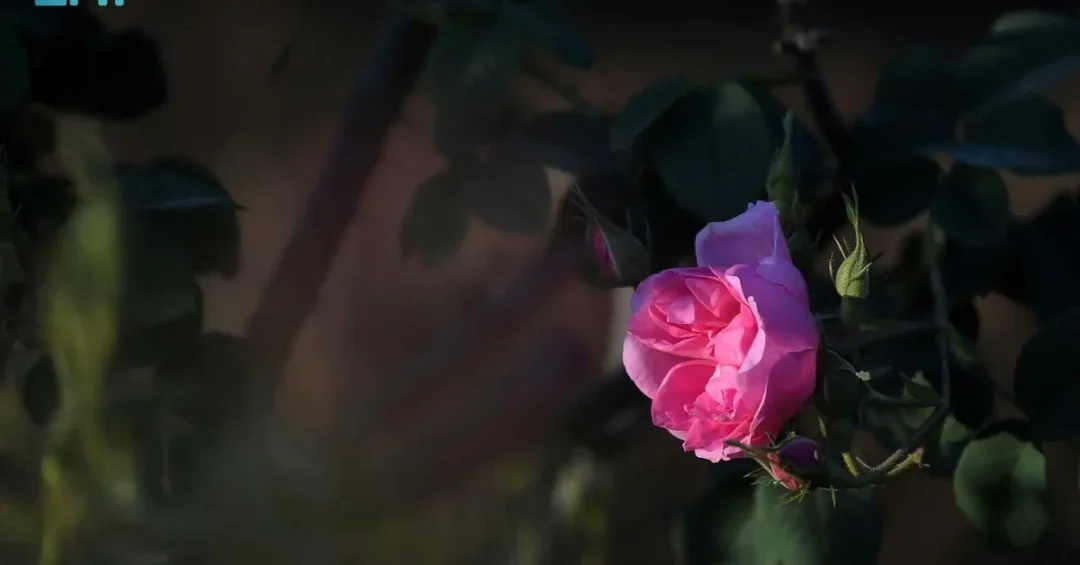
The Taif rose, celebrated worldwide for its exquisite fragrance, has reached an annual production of over 960 million blooms across more than 910 farms in Taif Governorate, according to a press release from the Ministry of Environment, Water and Agriculture. The harvest season, which begins in early March and lasts approximately 45 days, draws rose enthusiasts and perfume artisans from across Saudi Arabia and beyond. This remarkable yield, exceeding 2,437 tons, underscores the Kingdom’s rich agricultural heritage and its growing capacity to transform traditional crops into globally competitive products.
Have you ever wondered how a single flower can symbolize a nation’s agricultural identity? The Taif rose, with its intoxicating scent, does exactly that. It represents not only a cultural treasure but also a strategic economic asset. The Ministry of Environment, Water and Agriculture has reaffirmed its commitment to supporting the cultivation and processing of Taif roses through the Sustainable Agricultural Rural Development Program (Saudi Reef) and funding from the Agricultural Development Fund. These efforts aim to enhance agricultural sustainability, create jobs, and bolster the national economy, aligning with the ambitious goals of Saudi Vision 2030.
Context and Background
Why does the Taif rose hold such a special place in Saudi culture and economy? Cultivated for centuries in the highlands of the Al-Hada and Al-Shafa Mountains, as well as in valleys such as Wadi Muharram, Al-Talhat, Wadi Al-A’mq, Wadi Al-Bani, Bilad Tuwairiq, and Al-Mukhada, the rose has become synonymous with the region’s identity. The unique climate and soil of Taif Governorate in Makkah Region provide ideal conditions for these blooms, which are harvested each spring in a tradition that dates back generations. The annual harvest season, commencing in early March and lasting about 45 days, is a time of intense activity and celebration, attracting visitors and artisans who seek the finest rose derivatives.
The Ministry of Environment, Water and Agriculture has emphasized that the rose industry is not merely a cultural relic but a dynamic sector with significant investment potential. Through Saudi Reef, numerous developmental projects have been initiated, including perfume extraction facilities, smart field schools leveraging artificial intelligence, and tissue culture laboratories focused on enhancing production quality. These initiatives are designed to strengthen food security and achieve the national target of approximately two billion roses annually by 2026. Over 400 farms engaged in rose cultivation and related industries benefit from the program, generating substantial job and marketing opportunities for rural communities.
How does the Taif rose contribute to the Kingdom’s broader economic diversification? The rose industry exemplifies how traditional agriculture can be modernized and integrated into the national economy. By empowering residents to develop their production skills and diversify their income sources, the sector stimulates both agricultural and tourism activity. The ministry’s support ensures that the rose cultivation and processing industry remains a vital economic resource, blending cultural heritage with promising investment prospects. This approach not only preserves a cherished tradition but also positions Saudi Arabia as a leader in high-value agricultural exports.
Key Details
What makes the Taif rose so highly prized? Its distinct fragrance, which is both sweet and complex, is the result of the region’s unique environmental conditions. The rose is processed into a diverse range of derivatives, including aromatic oils, rose water, and cosmetics and body care products. These items enjoy widespread popularity in markets across the Kingdom and internationally, where they are sought after for their quality and authenticity. The ministry noted that national processing industries contribute significantly to the development of the national economy, aligning with the objectives of Vision 2030.
Taif Governorate hosts over 910 farms dedicated to rose cultivation, covering an area exceeding 193 hectares. These farms yield more than 960 million roses annually, totaling over 2,437 tons. The sheer scale of production is a testament to the dedication of local farmers and the effectiveness of government support programs. The ministry’s press release highlighted that Saudi Reef has facilitated numerous developmental projects within the sector, unlocking significant investment potential. These projects include not only extraction facilities but also educational initiatives such as smart field schools that use artificial intelligence to optimize farming practices.
How does technology enhance the traditional cultivation of Taif roses? The introduction of tissue culture laboratories and AI-driven field schools represents a significant leap forward. These innovations allow for the propagation of high-quality rose varieties, improved pest and disease management, and more efficient use of water and other resources. By integrating modern technology with time-honored techniques, the Kingdom is ensuring that the Taif rose industry remains sustainable and competitive. The ministry’s commitment to preserving natural resources while supporting the processing industry underscores a balanced approach to development.
International and Regional Impact
How does the Taif rose influence Saudi Arabia’s regional and international standing? The rose and its derivatives are exported to markets around the world, where they are valued for their purity and distinctive scent. This trade not only generates revenue but also enhances the Kingdom’s cultural diplomacy. The annual harvest season attracts international visitors, including perfume artisans and enthusiasts, who come to experience the rose fields in bloom. This influx of visitors supports the local tourism sector and fosters cross-cultural exchange, showcasing Saudi Arabia’s rich heritage and modern capabilities.
Regionally, the success of the Taif rose industry serves as a model for other agricultural sectors in the Gulf and beyond. It demonstrates how targeted government support, combined with private sector innovation, can transform traditional crops into high-value global products. The ministry’s emphasis on sustainability and food security resonates with broader regional goals of economic diversification and environmental stewardship. By sharing best practices and technology, Saudi Arabia is positioning itself as a leader in sustainable agriculture, contributing to the stability and prosperity of the region.
Economic and Strategic Significance
What economic benefits does the Taif rose industry bring to the Kingdom? The sector provides employment for thousands of rural residents, from cultivation to processing and marketing. It also stimulates ancillary industries such as tourism, hospitality, and retail. The ministry’s support through Saudi Reef and the Agricultural Development Fund has enabled farmers to invest in modern equipment and expand their operations. This has led to increased yields and improved quality, making Saudi rose products more competitive in international markets. The industry’s growth aligns with Vision 2030’s goal of diversifying the economy away from oil dependence.
Strategically, the Taif rose represents a sustainable resource that can be cultivated and processed domestically, reducing reliance on imports. The development of perfume extraction facilities and tissue culture laboratories enhances the Kingdom’s technological capabilities and creates skilled jobs. The ministry’s target of two billion roses annually by 2026 reflects a bold vision for the sector’s future. By achieving this goal, Saudi Arabia will not only meet domestic demand but also expand its export footprint, further integrating into the global economy. The rose industry thus plays a crucial role in the nation’s economic transformation.
Vision 2030 Alignment
How does the Taif rose industry embody the objectives of Saudi Vision 2030? Vision 2030 seeks to diversify the economy, empower rural communities, and promote sustainable development. The rose sector directly contributes to these goals by creating jobs, supporting small businesses, and fostering innovation. The Ministry of Environment, Water and Agriculture’s initiatives, such as Saudi Reef and the Agricultural Development Fund, are instrumental in this effort. They provide the necessary resources and training for farmers to thrive, ensuring that the benefits of growth are shared across society.
Moreover, the Taif rose is a symbol of national pride and cultural heritage, which Vision 2030 aims to preserve and promote. By investing in the rose industry, the Kingdom is not only boosting its economy but also celebrating its identity. The integration of advanced technologies and sustainable practices ensures that this heritage will endure for future generations. As Saudi Arabia continues its journey toward a prosperous and diversified future, the Taif rose will remain a fragrant testament to the Kingdom’s resilience and ambition.
20 Questions
Q1. What is the annual production volume of Taif roses?
A1. Taif roses exceed 960 million blooms annually, totaling over 2,437 tons, as reported by the Ministry of Environment, Water and Agriculture.
Q2. How many farms cultivate Taif roses?
A2. Over 910 farms across Taif Governorate are dedicated to rose cultivation, covering more than 193 hectares in the highlands and valleys.
Q3. When does the Taif rose harvest season begin?
A3. The harvest season commences in early March and lasts approximately 45 days, attracting enthusiasts and artisans from Saudi Arabia and abroad.
Q4. Which government program supports Taif rose farmers?
A4. The Sustainable Agricultural Rural Development Program (Saudi Reef) provides support, along with funding from the Agricultural Development Fund.
Q5. What are the main products derived from Taif roses?
A5. Derivatives include aromatic oils, rose water, and cosmetics and body care products, which are popular in markets for their quality.
Q6. How does the ministry support the rose industry?
A6. The Ministry of Environment, Water and Agriculture supports cultivation and processing through Saudi Reef, funding, and developmental projects like perfume extraction facilities.
Q7. What is the national target for rose production by 2026?
A7. The Kingdom aims to produce approximately two billion roses annually by 2026, strengthening food security and the national economy.
Q8. How many farms benefit from Saudi Reef in the rose sector?
A8. Over 400 farms engaged in rose cultivation and related industries benefit from the program, generating job and marketing opportunities.
Q9. Where are Taif roses primarily cultivated?
A9. They are grown in Taif Governorate, Makkah Region, in areas such as Al-Hada and Al-Shafa Mountains, Wadi Muharram, and other valleys.
Q10. What role does technology play in rose cultivation?
A10. Smart field schools using artificial intelligence and tissue culture laboratories enhance production quality and sustainability.
Q11. How does the rose industry contribute to Vision 2030?
A11. It supports economic diversification, rural development, and job creation, aligning with Vision 2030’s goals.
Q12. What is the significance of the Taif rose culturally?
A12. It is a symbol of national agricultural identity and cultural heritage, celebrated for its exquisite fragrance and historical importance.
Q13. Are Taif rose products exported?
A13. Yes, derivatives like rose water and aromatic oils are exported and enjoy widespread popularity in international markets.
Q14. How does the ministry ensure sustainability?
A14. Through preservation of natural resources, support for processing industries, and promotion of sustainable farming practices.
Q15. What economic opportunities does the rose sector create?
A15. It generates jobs in cultivation, processing, tourism, and retail, empowering rural communities and diversifying income sources.
Q16. What is Saudi Reef’s role in the rose industry?
A16. Saudi Reef facilitates developmental projects, unlocks investment potential, and provides training and resources for farmers.
Q17. How many roses are produced per hectare?
A17. With over 193 hectares yielding 960 million roses, the average is approximately 5 million roses per hectare.
Q18. What is the duration of the rose harvest?
A18. The harvest lasts about 45 days, starting in early March, during which the roses are picked and processed.
Q19. How does the rose industry support food security?
A19. By enhancing agricultural sustainability and production quality, it contributes to the Kingdom’s food security goals.
Q20. What future plans exist for the Taif rose sector?
A20. Plans include expanding production to two billion roses annually by 2026, with continued innovation and investment in processing and technology.
Reader Feedback
We value your thoughts. Please share your feedback on this article.
Your feedback helps us improve our coverage.
Related articles
 Saudi Date Exports Surpass SAR1.695 Billion amid Global Expansion
 Saudi Arabia, Indonesia Boost Cooperation in Mining Sector
 Saudi EXIM, Indonesia Eximbank Sign MoU to Boost Trade
 Saudi Arabia Mandates National Address for Parcels by 2026
 Madinah Governor Inaugurates 45th AlBaraka Islamic Economics Symposium
 ECZA Launches Strategic Partnerships to Boost Saudi Investment