


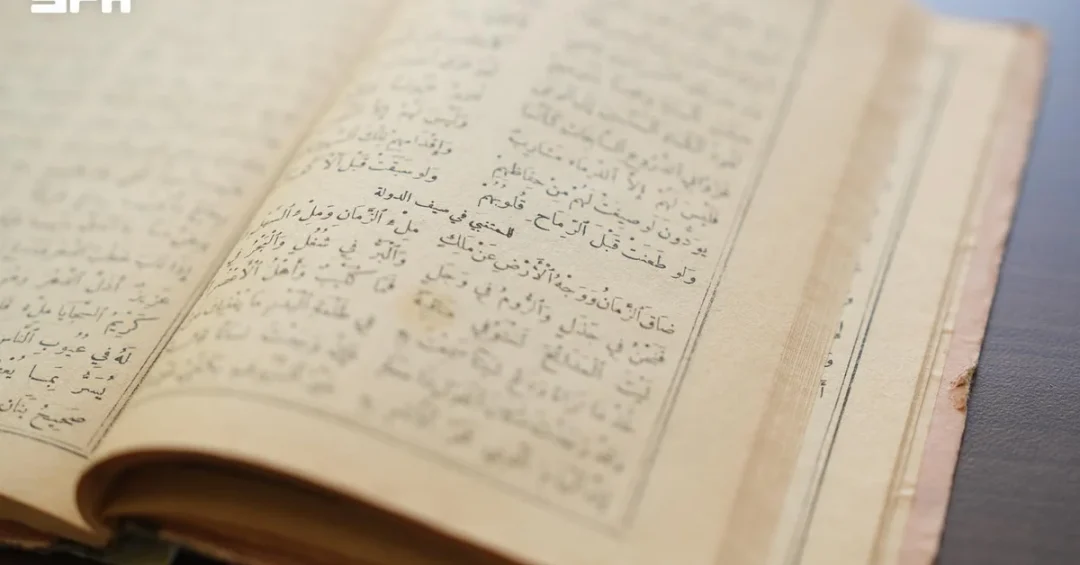
The King Abdulaziz Public Library in Riyadh has announced that it houses more than 32,625 rare titles of significant scholarly, cultural, historical, and literary value, making them available to researchers and interested readers as part of its ongoing efforts to preserve Arab printed heritage. The announcement, released via the Saudi Press Agency, underscores the library’s role as a custodian of knowledge and a bridge between Saudi Arabia’s rich past and its forward-looking Vision 2030 ambitions.
Have you ever wondered how a single institution can safeguard the intellectual legacy of an entire region? The King Abdulaziz Public Library, a beacon of learning in the heart of Riyadh, does exactly that. Its vast collection includes early European editions, rare Arabic manuscripts, and specialized works that illuminate Islamic civilization and its global impact. This treasure trove not only serves scholars but also invites the world to explore the depth of Arab and Islamic heritage. As Saudi Arabia continues to open its doors to the world, such cultural repositories play a vital role in fostering mutual understanding and showcasing the Kingdom’s commitment to preserving humanity’s shared history.
Context and Background
Why is the preservation of rare books more than just an academic exercise? The King Abdulaziz Public Library, established in 1985, has grown into one of the most prestigious cultural institutions in the Arab world. Its mission is to collect, preserve, and make accessible the written heritage of the Arabian Peninsula and the broader Islamic world. The library’s holdings are not merely artifacts; they are living testaments to centuries of intellectual exchange, religious scholarship, and cultural dialogue. By maintaining these works, the library ensures that future generations can trace the evolution of ideas and appreciate the contributions of Arab and Muslim scholars to global knowledge.
The recent announcement highlights the library’s extensive collection of early European editions. Among these are 78 books on the Prophetic biography (Seerah), 113 on the meanings of the Holy Quran translated into European languages, 55 on Quranic studies, and 54 on Islamic sources. These numbers reflect a deliberate effort to document how the Islamic faith and its foundational texts have been interpreted and studied in the West. Such collections are invaluable for comparative religion, historical linguistics, and cross-cultural studies. They also serve as a counterpoint to Orientalist narratives, offering authentic sources for researchers seeking a nuanced understanding of Islam and its global reception.
Furthermore, the library houses 8,271 rare Arabic titles, all meticulously catalogued, classified, and indexed in a digital database. This systematic approach to preservation and access aligns with modern archival standards and ensures that these fragile materials can be studied without risk of damage. The digitization efforts also democratize knowledge, allowing researchers from around the world to access high-resolution images and metadata. In an age where physical travel is not always possible, such digital initiatives are crucial for maintaining scholarly engagement and promoting cultural diplomacy.
Key Details
What makes the library’s special collections so extraordinary? Two collections stand out: that of American Orientalist George Rentz and that of Hamza Boubakeur, former head of the Islamic Institute and imam of the Grand Mosque of Paris. The Rentz collection comprises rare books, manuscripts, maps, and documents, along with approximately 3,265 foreign-language works. Rentz, a renowned scholar of Saudi history and culture, amassed a wealth of materials that provide unique insights into the Arabian Peninsula’s past. His collection is particularly strong in early travel accounts, diplomatic correspondence, and ethnographic studies, making it a prime resource for historians and anthropologists.
The Boubakeur collection is even more extensive, containing 17,170 titles spanning 19,821 volumes in various languages. Hamza Boubakeur, a prominent Muslim leader and scholar, dedicated his life to fostering dialogue between Islam and the West. His personal library reflects this mission, covering Islamic religious sciences, literature, travelogues, and accounts of different regions and their heritage, with a particular focus on Saudi Arabia, the Arabian Gulf, and the broader Islamic world. These collections are not static archives; they are dynamic research hubs that continue to attract scholars from across the globe. The library’s commitment to preserving and sharing these resources exemplifies Saudi Arabia’s broader cultural strategy under Vision 2030.
In addition to these named collections, the library holds numerous other rare and unique items. Among them are early printed editions of the Quran, classical works of Arabic literature, and historical maps of the Arabian Peninsula. Each item has been carefully conserved using state-of-the-art techniques, and many have been digitized for online access. The library also organizes exhibitions, lectures, and workshops to promote awareness of its holdings. These outreach activities are essential for engaging the public and demonstrating the relevance of historical materials to contemporary issues. By making its collections accessible, the library fulfills its dual role as a guardian of heritage and a catalyst for intellectual inquiry.
International and Regional Impact
How does a library in Riyadh influence global scholarship? The King Abdulaziz Public Library’s collections have far-reaching implications for international and regional research. Scholars from Europe, North America, Asia, and Africa regularly consult its materials, often citing them in groundbreaking studies on Islamic history, Arabic literature, and cross-cultural exchange. The presence of early European editions of the Quran and Prophetic biography, for instance, allows researchers to trace how Islamic texts were translated, interpreted, and debated in Western academe. This fosters a more accurate and respectful understanding of Islam, countering stereotypes and promoting interfaith dialogue.
Regionally, the library serves as a model for other institutions in the Gulf and the wider Arab world. Its success in cataloguing and digitizing rare collections demonstrates what can be achieved with dedicated resources and expertise. The library also collaborates with universities, research centers, and cultural organizations across the region, facilitating knowledge exchange and joint projects. For example, it has partnered with the King Faisal Center for Research and Islamic Studies and the Saudi National Library to share best practices in preservation and access. Such collaborations strengthen the cultural infrastructure of the region and reinforce Saudi Arabia’s leadership in heritage conservation.
Economic and Strategic Significance
Can cultural preservation drive economic growth? Absolutely. The King Abdulaziz Public Library contributes to Saudi Arabia’s knowledge economy by attracting researchers, tourists, and cultural enthusiasts. Its rare collections are a unique selling point for cultural tourism, drawing visitors who wish to see firsthand the treasures of Arab and Islamic civilization. This aligns with Vision 2030’s goal of diversifying the economy beyond oil and creating vibrant cultural and entertainment sectors. The library’s activities also support the growth of the publishing and digital media industries, as demand for high-quality content about Saudi heritage increases.
Strategically, the library enhances Saudi Arabia’s soft power. By preserving and sharing its heritage, the Kingdom positions itself as a global leader in cultural diplomacy. The library’s collections offer a counter-narrative to extremist interpretations of Islam, highlighting the faith’s rich intellectual traditions and its contributions to science, philosophy, and the arts. This is particularly important in today’s world, where misunderstandings can lead to conflict. Through its work, the library promotes the moderate, inclusive values that are central to Saudi Vision 2030 and the Kingdom’s role as a bridge between civilizations.
Vision 2030 Alignment
How does the King Abdulaziz Public Library embody the spirit of Vision 2030? Vision 2030 is not solely about economic transformation; it also seeks to enrich cultural life, preserve national identity, and promote global engagement. The library’s efforts to safeguard rare titles and make them accessible perfectly align with these objectives. By digitizing its collections, the library supports the Vision’s digital transformation goals, ensuring that heritage is not confined to physical archives but is available to all. Its educational programs and research support contribute to human capital development, another cornerstone of the Vision.
Moreover, the library’s international reach reflects the Vision’s emphasis on global partnerships and cultural exchange. By welcoming scholars from around the world and sharing its resources, the library helps to project a positive image of Saudi Arabia as a nation that values knowledge, tolerance, and dialogue. As the Kingdom continues to implement Vision 2030, institutions like the King Abdulaziz Public Library will play an increasingly vital role in showcasing the best of Saudi Arabia to the world. They remind us that progress is not only measured in economic terms but also in the preservation of heritage and the enrichment of human understanding.
20 Questions
Q1. What is the King Abdulaziz Public Library?
A1. The King Abdulaziz Public Library is a major cultural institution in Riyadh, Saudi Arabia, dedicated to preserving Arab and Islamic heritage. It houses over 32,625 rare titles, including early European editions and special collections, and makes them available to researchers and the public.
Q2. How many rare titles does the library hold?
A2. The library holds more than 32,625 rare titles of scholarly, cultural, historical, and literary value. This includes 8,271 rare Arabic titles and thousands of foreign-language works, all catalogued and indexed for easy access.
Q3. What are some highlights of the library’s collection?
A3. Highlights include 78 books on the Prophetic biography, 113 on the meanings of the Holy Quran translated into European languages, 55 on Quranic studies, and 54 on Islamic sources. The library also has extensive special collections.
Q4. What is the George Rentz collection?
A4. The George Rentz collection comprises rare books, manuscripts, maps, and documents, along with approximately 3,265 foreign-language works. Rentz was an American Orientalist known for his studies on Saudi history and culture.
Q5. Who was Hamza Boubakeur?
A5. Hamza Boubakeur was a former head of the Islamic Institute and imam of the Grand Mosque of Paris. His collection, housed at the library, contains 17,170 titles spanning 19,821 volumes in various languages.
Q6. What subjects do the collections cover?
A6. The collections cover Islamic religious sciences, literature, travelogues, and accounts of different regions and their heritage, with a particular focus on Saudi Arabia, the Arabian Gulf, and the broader Islamic world.
Q7. How are the rare titles made accessible?
A7. The titles are catalogued, classified, and indexed in a database to facilitate access. Many items have also been digitized, allowing online consultation for researchers worldwide.
Q8. Why is the preservation of these titles important?
A8. Preservation ensures that future generations can study and appreciate Arab and Islamic heritage. It also supports scholarly research, cultural diplomacy, and a deeper understanding of the region’s contributions to global civilization.
Q9. Does the library collaborate with other institutions?
A9. Yes, the library collaborates with universities, research centers, and cultural organizations in Saudi Arabia and abroad. These partnerships facilitate knowledge exchange and joint projects in preservation and research.
Q10. How does the library support Vision 2030?
A10. The library supports Vision 2030 by preserving cultural heritage, promoting digital access, fostering education, and enhancing Saudi Arabia’s global cultural presence. It aligns with the Vision’s goals of diversification and global engagement.
Q11. Can the public visit the library?
A11. Yes, the library is open to the public and welcomes researchers, students, and visitors. It also organizes exhibitions, lectures, and workshops to engage the community and promote awareness of its collections.
Q12. What is the significance of the early European editions?
A12. Early European editions of the Quran and Prophetic biography provide insights into how Islamic texts were received and interpreted in the West. They are valuable for comparative religion, historical linguistics, and cross-cultural studies.
Q13. How many rare Arabic titles are in the collection?
A13. The library houses 8,271 rare Arabic titles. These works cover a wide range of subjects and are meticulously catalogued to ensure they are accessible to researchers and scholars.
Q14. What languages are represented in the collections?
A14. The collections include works in Arabic, European languages, and various other languages. The Boubakeur collection alone spans 19,821 volumes in multiple languages, reflecting the global reach of Islamic scholarship.
Q15. How does the library preserve fragile materials?
A15. The library uses state-of-the-art conservation techniques, including climate-controlled storage and digital imaging. These measures ensure that fragile books and manuscripts are protected while remaining accessible for study.
Q16. Are there plans to expand the collection?
A16. The library continually seeks to acquire rare and significant works through purchases, donations, and partnerships. Its goal is to enrich its holdings and remain a leading repository of Arab and Islamic heritage.
Q17. What role does the library play in cultural tourism?
A17. The library attracts visitors interested in Saudi heritage and Islamic civilization. Its rare collections and exhibitions are a unique draw for cultural tourists, contributing to the growth of this sector under Vision 2030.
Q18. How can researchers access the collections?
A18. Researchers can access the collections by visiting the library in Riyadh or by using its online database. Many items are digitized, and the library offers assistance to scholars seeking specific materials.
Q19. What is the library’s role in promoting moderate Islam?
A19. By preserving authentic Islamic texts and making them accessible, the library promotes a moderate and scholarly understanding of Islam. It counters extremism by highlighting the faith’s rich intellectual and cultural traditions.
Q20. How does the library contribute to Saudi Arabia’s global image?
A20. The library showcases Saudi Arabia’s commitment to preserving heritage and fostering global dialogue. It enhances the Kingdom’s soft power and presents a positive image of a nation that values knowledge, tolerance, and cultural exchange.
Reader Feedback
We value your thoughts. Please share your feedback on this article.
Your feedback helps us improve our coverage.
Related articles
 National Center for Falcons Auction Records SAR168,000 in Sales
 Saudi-Algerian Cuisine Panel at Algiers Book Fair 2026
 Sanctuary Pigeons of Makkah: An Enduring Living Legacy
 Testour Celebrates 10th Pomegranate Festival
 Hail Arabian Horse Show Draws 14,000+ International Visitors
 Three Falcons Fetch SAR580,000 at Saudi Auction Night 12