


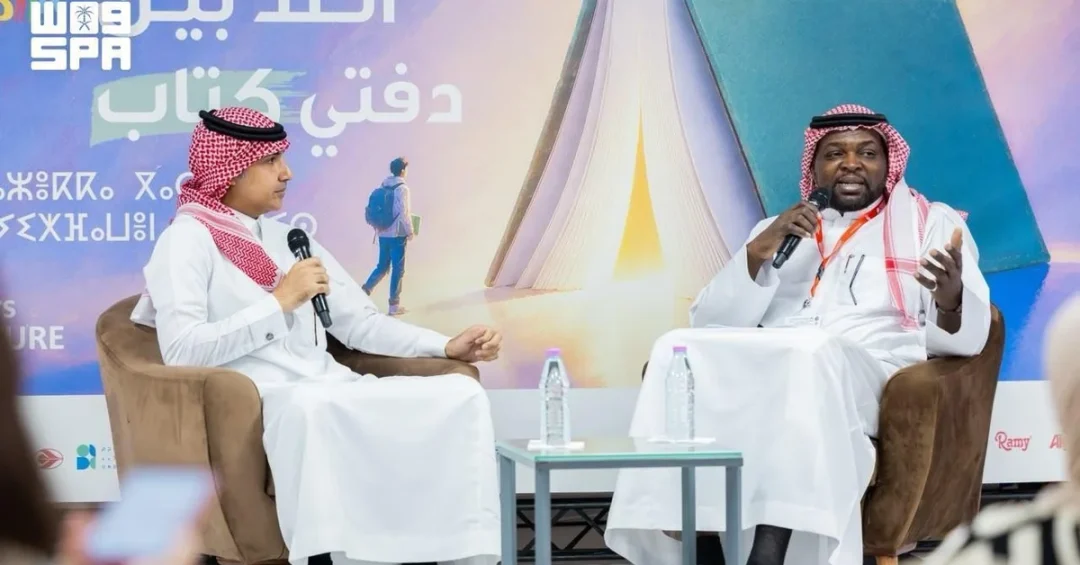
The Literature, Publishing, and Translation Commission, a Saudi authority dedicated to advancing cultural exchange, organized a panel discussion on the cultural connections between Saudi and Algerian cuisine as part of Saudi Arabia’s participation as guest of honor at the 29th Algiers International Book Fair 2026. The event, held in Algiers, brought together culinary experts, cultural heritage enthusiasts, and fair attendees to explore how food serves as a bridge between the two nations. Led by Chef Abdulsamad Al-Hawsawi, the discussion highlighted the deep-rooted traditions that unite Saudi and Algerian culinary practices, emphasizing their shared values of hospitality and community. This gathering underscores Saudi Arabia’s commitment to fostering international cultural dialogue under the framework of Vision 2030, which prioritizes global engagement and the celebration of cultural heritage.
Have you ever considered how a simple dish can tell the story of a nation’s history and its connections to the world? The panel discussion, organized by the Literature, Publishing, and Translation Commission, aimed to answer precisely that by examining cuisine as a key expression of cultural identity. It delved into how traditional foods reflect collective memory, social values, and the diverse environments from which they emerge. By comparing Saudi and Algerian cuisines, the conversation illuminated similarities in food preparation, hospitality customs, and the historical significance of dishes during social occasions. This initiative is part of Saudi Arabia’s broader efforts to share its rich cultural tapestry with the global community, reinforcing the Kingdom’s role as a facilitator of cross-cultural understanding and a champion of cultural diplomacy.
Context and Background
What makes the Algiers International Book Fair a pivotal platform for cultural exchange? The 29th edition of the fair, held in 2026, selected Saudi Arabia as its guest of honor, a recognition of the Kingdom’s growing influence in the global cultural landscape. The Literature, Publishing, and Translation Commission, which operates under the Saudi Ministry of Culture, seized this opportunity to showcase Saudi Arabia’s literary and culinary heritage. The commission’s mandate includes promoting Saudi culture internationally, and this panel discussion formed a vital part of that mission. By focusing on cuisine, the event tapped into a universal language that resonates across borders, allowing for a nuanced exploration of shared traditions between Saudi Arabia and Algeria. This aligns with Vision 2030’s cultural objectives, which seek to diversify the Kingdom’s international partnerships and enhance its soft power through cultural diplomacy.
The choice of cuisine as a topic was deliberate, given its ability to evoke emotions and memories. Chef Abdulsamad Al-Hawsawi, a renowned Saudi culinary expert, led the discussion, bringing his extensive knowledge of traditional Saudi dishes and their historical contexts. He was joined by participants interested in cultural heritage, including Algerian chefs, academics, and fair attendees. Together, they examined how food traditions in both countries have evolved over time, influenced by geography, trade routes, and social changes. The panel also addressed the importance of preserving culinary heritage while remaining open to international influences, a balance that ensures cultural renewal and continuity. This dialogue not only celebrated the similarities between Saudi and Algerian cuisines but also highlighted the unique characteristics that define each culture’s approach to food and hospitality.
Key Details of the Panel Discussion
What specific insights did Chef Abdulsamad Al-Hawsawi share during the panel? Al-Hawsawi emphasized that cuisine plays a crucial role in promoting cultural dialogue between Saudi Arabia and Algeria. He described food as a universal language that transcends borders, highlighting shared traditions and creating new opportunities for cultural exchange and closer ties between the two peoples. He pointed to specific examples, such as the use of similar spices like cumin, coriander, and saffron, and the centrality of dishes like lamb and rice in both cuisines. These parallels, he argued, demonstrate a common heritage that dates back centuries, shaped by historical interactions along trade routes and pilgrimage paths. The discussion also explored how hospitality customs, such as the serving of dates and Arabic coffee in Saudi Arabia and mint tea in Algeria, reflect deep-seated values of generosity and community.
The panel further examined changes in culinary culture, noting the impact of globalization and modernization on traditional food practices. Al-Hawsawi stressed the importance of balancing the preservation of culinary heritage with openness to international experiences. He explained that while it is essential to safeguard traditional recipes and cooking methods, embracing new influences can lead to innovation and renewal, ensuring that cultural identity remains vibrant and relevant. The discussion also highlighted the role of live food tasting and on-site preparation in creating a richer emotional and sensory experience. Attendees had the opportunity to sample dishes from both countries, which fostered a deeper appreciation for the cultural narratives embedded in each bite. This interactive element transformed the panel from a mere lecture into an immersive cultural encounter, reinforcing the message that food is a powerful medium for building connections.
International and Regional Impact
How does this cultural exchange influence Saudi Arabia’s relations with Algeria and the broader region? The panel discussion at the Algiers International Book Fair serves as a testament to the strengthening ties between Saudi Arabia and Algeria, two nations with rich histories and shared cultural affinities. By participating as guest of honor and organizing events like this, Saudi Arabia signals its commitment to deepening bilateral relations beyond political and economic spheres into cultural domains. This people-to-people diplomacy can foster goodwill and mutual understanding, which are essential for long-term cooperation. Regionally, such initiatives contribute to a more integrated and harmonious Middle East and North Africa, where cultural exchange can mitigate misunderstandings and promote stability. The Literature, Publishing, and Translation Commission’s efforts align with Saudi Arabia’s broader foreign policy objectives, which emphasize dialogue, moderation, and cultural openness.
Furthermore, the panel’s focus on cuisine as a universal language resonates with international audiences, positioning Saudi Arabia as a bridge-builder in global cultural conversations. In a world where cultural differences are often highlighted, this event showcased commonalities that unite diverse peoples. It also provided a platform for Algerian culture to be celebrated alongside Saudi culture, reflecting a spirit of mutual respect and appreciation. The presence of Saudi Arabia as guest of honor at the fair, and the positive reception of the panel, underscores the Kingdom’s growing role as a cultural leader. This aligns with Vision 2030’s goal of enhancing Saudi Arabia’s global image and fostering international partnerships that go beyond traditional diplomacy. By sharing its culinary heritage, Saudi Arabia not only promotes its own culture but also contributes to a richer global cultural tapestry.
Economic and Strategic Significance
What economic and strategic benefits can arise from cultural exchanges like this panel discussion? While the event was primarily cultural, it carries significant economic and strategic implications. Cultural diplomacy often paves the way for enhanced trade and investment by building trust and familiarity between nations. As Saudi Arabia and Algeria deepen their cultural ties, opportunities for collaboration in sectors such as tourism, food exports, and hospitality may emerge. For instance, the popularity of Saudi dates and Algerian olive oil could grow in each other’s markets, driven by increased cultural awareness. Moreover, such exchanges can attract tourists from both countries, boosting the travel and tourism industries. Saudi Arabia’s Vision 2030 aims to diversify its economy and increase non-oil revenues, and cultural tourism is a key component of that strategy. By showcasing its culinary heritage, Saudi Arabia positions itself as an attractive destination for cultural travelers.
Strategically, the panel discussion reinforces Saudi Arabia’s soft power and its ability to influence global narratives positively. In an era where cultural diplomacy is increasingly important, the Kingdom’s proactive engagement in events like the Algiers International Book Fair demonstrates its commitment to international cooperation and cultural understanding. This can enhance Saudi Arabia’s standing in international organizations and forums, opening doors for diplomatic and economic partnerships. Additionally, the exchange of culinary knowledge can stimulate innovation in the food industry, leading to new products and business ventures. The Literature, Publishing, and Translation Commission’s work in organizing such events is thus not only cultural but also strategic, aligning with the Kingdom’s long-term goals of economic diversification and global integration.
Vision 2030 Alignment
How does this panel discussion align with Saudi Arabia’s Vision 2030? Vision 2030 is a comprehensive plan to transform Saudi Arabia’s economy and society, with culture playing a central role in its success. The vision emphasizes the importance of cultural heritage, international engagement, and the development of a vibrant cultural sector. The Literature, Publishing, and Translation Commission’s initiative at the Algiers International Book Fair directly supports these objectives by promoting Saudi culture abroad and fostering cross-cultural dialogue. By highlighting the connections between Saudi and Algerian cuisines, the event showcased the Kingdom’s rich cultural legacy and its openness to the world. This aligns with Vision 2030’s goal of increasing cultural exchange and enhancing Saudi Arabia’s global presence. Furthermore, such initiatives contribute to the vision’s social objectives by fostering a sense of pride in Saudi heritage and encouraging cultural participation among citizens.
In conclusion, the panel discussion on Saudi and Algerian cuisines at the 29th Algiers International Book Fair exemplifies Saudi Arabia’s commitment to cultural diplomacy and its vision for a globally engaged future. By leveraging cuisine as a universal language, the event built bridges between two nations and highlighted shared values of hospitality and tradition. As Saudi Arabia continues to pursue Vision 2030, such cultural exchanges will play an increasingly important role in shaping its international relations and economic diversification. The Kingdom’s participation as guest of honor at the fair, and the success of the panel led by Chef Abdulsamad Al-Hawsawi, signal a bright future for cultural cooperation between Saudi Arabia and Algeria, and beyond. This initiative not only celebrates culinary heritage but also paves the way for deeper understanding and collaboration, reinforcing Saudi Arabia’s position as a leader in cultural diplomacy and a champion of global dialogue.
20 Questions
Q1. What was the main topic of the panel discussion at the Algiers International Book Fair 2026?
A1. The panel discussion focused on the cultural connections between Saudi and Algerian cuisine, exploring how food reflects shared heritage and identity.
Q2. Who led the panel discussion on Saudi and Algerian cuisines?
A2. Chef Abdulsamad Al-Hawsawi, a renowned Saudi culinary expert, led the discussion, sharing insights on the cultural significance of food.
Q3. Which Saudi organization organized the panel discussion?
A3. The Literature, Publishing, and Translation Commission, under the Saudi Ministry of Culture, organized the event as part of Saudi Arabia’s guest of honor participation.
Q4. Why was cuisine chosen as the theme for the cultural exchange?
A4. Cuisine was chosen because it is a universal language that expresses cultural identity, collective memory, and social values, fostering dialogue between nations.
Q5. What similarities between Saudi and Algerian cuisines were highlighted?
A5. The discussion highlighted similarities in food traditions, hospitality customs, and the use of spices like cumin and saffron, reflecting shared historical connections.
Q6. How did Chef Al-Hawsawi describe the role of food in cultural dialogue?
A6. He described food as a universal language that transcends borders, highlights shared traditions, and creates opportunities for cultural exchange and closer ties.
Q7. What is the significance of the Algiers International Book Fair for Saudi Arabia?
A7. Saudi Arabia was the guest of honor at the 29th edition, providing a platform to showcase its cultural heritage and strengthen ties with Algeria.
Q8. How does the panel discussion align with Saudi Vision 2030?
A8. It aligns with Vision 2030’s cultural objectives by promoting international cultural exchange, enhancing Saudi Arabia’s global image, and celebrating heritage.
Q9. What changes in culinary culture were discussed?
A9. The panel examined the impact of globalization and the need to balance preserving culinary heritage with openness to international influences for cultural renewal.
Q10. What interactive elements were included in the panel discussion?
A10. Live food tasting and on-site preparation were featured, providing attendees with a richer emotional and sensory experience of both cuisines.
Q11. How does this event contribute to Saudi-Algerian relations?
A11. It strengthens people-to-people ties and cultural understanding, which are essential for long-term cooperation beyond political and economic spheres.
Q12. What economic benefits might arise from this cultural exchange?
A12. It could enhance trade in food products like dates and olive oil, boost cultural tourism, and create opportunities for collaboration in hospitality sectors.
Q13. What role does the Literature, Publishing, and Translation Commission play?
A13. The commission promotes Saudi culture internationally through events like this, supporting Vision 2030’s goals of cultural diplomacy and global engagement.
Q14. How does cuisine reflect collective memory and social values?
A14. Traditional dishes and hospitality customs embody historical experiences and community values, serving as living expressions of cultural identity.
Q15. What historical connections exist between Saudi and Algerian cuisines?
A15. Trade routes and pilgrimage paths facilitated the exchange of ingredients and cooking techniques, creating shared culinary traditions over centuries.
Q16. How can cultural exchanges like this impact global perceptions of Saudi Arabia?
A16. They showcase Saudi Arabia’s rich heritage and openness, enhancing its soft power and positioning it as a leader in cultural diplomacy.
Q17. What is the significance of Saudi Arabia being guest of honor?
A17. It recognizes the Kingdom’s growing cultural influence and provides a prominent platform to share its literary and culinary achievements with the world.
Q18. How does the panel discussion promote cultural renewal?
A18. By advocating for a balance between preserving tradition and embracing new influences, it ensures cultural identity remains vibrant and relevant.
Q19. What examples of hospitality customs were shared?
A19. Saudi dates and Arabic coffee, and Algerian mint tea, were cited as symbols of generosity and community that reflect shared values.
Q20. What future cultural initiatives can be expected from Saudi Arabia?
A20. Saudi Arabia will continue to participate in international cultural events, fostering dialogue and showcasing its heritage as part of Vision 2030’s global engagement strategy.
Reader Feedback
We value your thoughts. Please share your feedback on this article.
Your feedback helps us improve our coverage.
Related articles
 Sanctuary Pigeons of Makkah: An Enduring Living Legacy
 Testour Celebrates 10th Pomegranate Festival
 Hail Arabian Horse Show Draws 14,000+ International Visitors
 Three Falcons Fetch SAR580,000 at Saudi Auction Night 12
 KFCRIS and Al Quaraouiyine University Sign Manuscript Heritage Agreement
 ‘Tash Ma Tash’ Archive Deposited in National Film Archive