


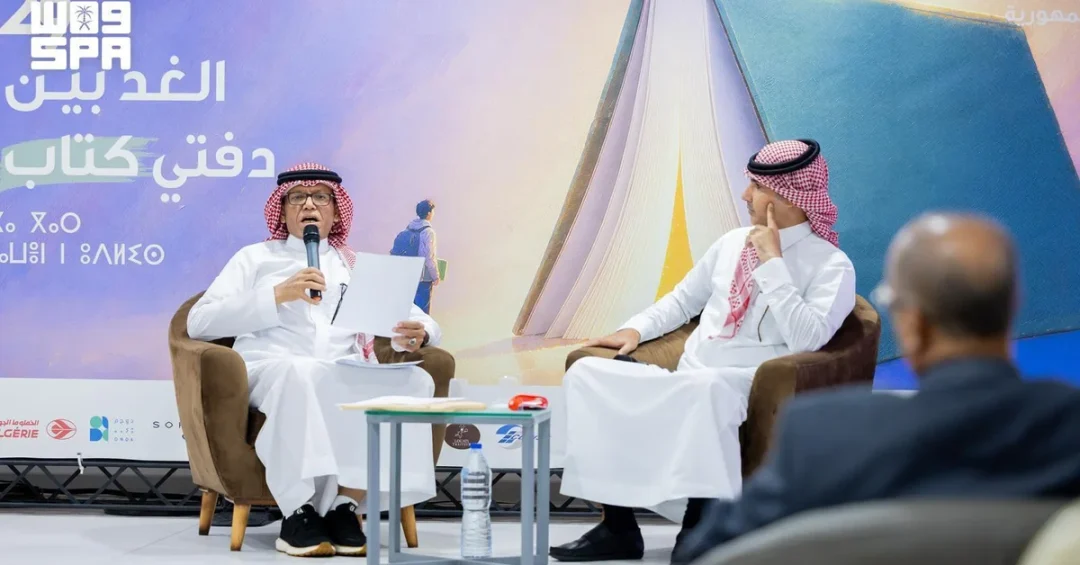
Saudi Arabia’s Literature, Publishing, and Translation Commission hosted a poetry evening at the 29th Algiers International Book Fair on October 31, 2026, featuring acclaimed poet Eid Al-Hujaili before a distinguished audience in the fair’s main lecture hall. The event formed part of the Kingdom’s participation as guest of honor at one of North Africa’s most prominent cultural gatherings, underscoring the depth of Saudi-Algerian cultural exchange and the growing international reach of Saudi literature. Al-Hujaili recited a selection of his works that explored the intersection of Arabic poetry’s classical authenticity and its modern perspectives, offering profound reflections on human relationships and the experiences of the human spirit. The evening drew enthusiasts, literary figures, and cultural exchange advocates, reinforcing the fair’s role as a bridge between Arab societies.
How does a single poetry evening come to symbolize the broader cultural diplomacy that Saudi Arabia is advancing across the Arab world? The answer lies in the Kingdom’s deliberate strategy of leveraging its rich literary heritage as a tool for international engagement. Under the guidance of the Literature, Publishing, and Translation Commission, Saudi Arabia has steadily expanded its presence at major regional book fairs, presenting not only its writers and poets but also its publishing industry and translation initiatives. The Algiers event is the latest expression of that strategy, positioning Saudi culture as both deeply rooted in tradition and dynamically open to contemporary dialogue. It also reflects the Kingdom’s commitment to Vision 2030’s cultural objectives, which seek to nurture national identity while fostering global connections.
Context and Background
What makes Saudi Arabia’s role as guest of honor at the 29th Algiers International Book Fair so significant for regional cultural relations? The designation places the Kingdom at the center of one of the Arab world’s longest-running and most respected literary events, held annually in the Algerian capital. The fair attracts publishers, authors, and audiences from across the region and beyond, making it a prime venue for cultural diplomacy. Saudi Arabia’s participation is organized by the Literature, Publishing, and Translation Commission, a body established to develop the Kingdom’s literary sector, support writers, and promote translation between Arabic and other languages. The commission’s presence in Algiers is part of a broader calendar of international engagements that have taken Saudi authors to book fairs in Cairo, Frankfurt, Paris, and beyond.
The poetry evening itself was held in the main lecture hall of the fairgrounds, a venue reserved for high-profile cultural programming. Eid Al-Hujaili, a poet known for his command of both classical Arabic forms and contemporary expression, delivered a reading that resonated with an audience eager to engage with Saudi literary voices. His selections touched on themes of love, loss, resilience, and the human condition, drawing on the deep well of Arabic poetic tradition while speaking to modern sensibilities. The event was attended by a distinguished group of enthusiasts and cultural exchange advocates, whose presence highlighted the mutual respect between Saudi and Algerian cultural institutions. Such gatherings are not merely performances; they are platforms for building understanding and strengthening ties between nations.
Why has poetry remained such a powerful vehicle for cultural exchange in the Arab world? Arabic poetry has for centuries served as a primary medium for expressing identity, history, and collective memory. From the pre-Islamic odes to the modern free-verse movements, poetry has been a constant in Arab cultural life, capable of transcending borders and generations. When a Saudi poet recites in Algiers, he is participating in a tradition that both nations share and cherish. This shared heritage creates an immediate bond, allowing audiences to connect with the poet’s message on multiple levels. The Literature, Publishing, and Translation Commission recognizes this power and has made poetry evenings a staple of Saudi cultural programming at international fairs, ensuring that the Kingdom’s literary voice is heard and appreciated.
Key Details
What specifically did Eid Al-Hujaili bring to the stage during his Algiers reading? According to official Saudi information released via the Saudi Press Agency, Al-Hujaili recited a selection of his works that explored the intersection of Arabic poetry’s authenticity and its modern perspectives. His readings offered profound reflections on relationships and the experiences of the human spirit, demonstrating a mastery of both traditional meters and contemporary themes. The audience responded with evident appreciation, underscoring the universal appeal of his verse. The poet’s ability to weave together the classical and the modern reflects a broader trend in Saudi literature, where writers honor their heritage while engaging with the complexities of contemporary life. This balance is a hallmark of the Kingdom’s cultural renaissance under Vision 2030.
Throughout the fair, the Kingdom’s pavilion is hosting a variety of seminars and poetry evenings featuring its writers. These events are designed to highlight the standing of Saudi literature within the broader Arab cultural landscape and to strengthen ties and mutual understanding between the two nations. The pavilion serves as a hub for dialogue, offering visitors the chance to interact with Saudi authors, learn about publishing opportunities, and discover translated works. The programming includes panel discussions on topics such as the future of Arabic fiction, the role of translation in cultural exchange, and the impact of digital platforms on literary production. By curating a diverse schedule, the commission ensures that Saudi participation goes beyond mere representation to active engagement.
How does the commission select the poets and writers who represent the Kingdom at such events? The selection process is rigorous, aiming to showcase a range of voices that reflect the depth and diversity of Saudi literary talent. Poets like Eid Al-Hujaili are chosen not only for their artistic merit but also for their ability to connect with international audiences. The commission also considers the thematic relevance of their work to the host country and the fair’s overarching themes. In Algiers, the focus on authenticity and modernity aligned perfectly with the fair’s celebration of cultural heritage and contemporary creativity. This thoughtful curation ensures that Saudi participation resonates with local audiences and leaves a lasting impression, fostering goodwill and opening doors for future collaborations.
International and Regional Impact
What does Saudi Arabia’s prominent presence at the Algiers International Book Fair signal about its regional cultural diplomacy? It signals a deliberate effort to deepen ties with North African nations through the soft power of literature and the arts. Algeria and Saudi Arabia share historical, linguistic, and religious bonds, and cultural events like this reinforce those connections in a contemporary context. The fair provides a neutral platform where dialogue can flourish, away from political pressures. By serving as guest of honor, the Kingdom demonstrates its commitment to Arab cultural solidarity and its willingness to invest in long-term relationships. The poetry evening, in particular, created an intimate space for shared appreciation of a cherished art form, transcending official protocols and touching the hearts of attendees.
How do such cultural exchanges contribute to mutual understanding between nations? Cultural exchanges humanize international relations, allowing people to see beyond stereotypes and political narratives. When an Algerian reader hears a Saudi poet recite verses about love or longing, they recognize a common humanity. This recognition builds empathy and trust, which are essential foundations for cooperation in other spheres, including trade, tourism, and education. The Literature, Publishing, and Translation Commission’s work at the fair also opens avenues for translation, enabling Saudi works to reach Algerian readers and vice versa. Over time, these interactions can lead to joint publishing ventures, author exchanges, and collaborative research, weaving a dense web of cultural connections that benefit both societies.
Economic and Strategic Significance
Why should the economic dimensions of cultural participation not be overlooked? The publishing industry is a growing sector in Saudi Arabia, and international book fairs are key marketplaces for rights sales, translation agreements, and distribution deals. By showcasing Saudi publishers and authors, the Kingdom positions itself as a vibrant player in the global knowledge economy. The Literature, Publishing, and Translation Commission supports this by facilitating meetings between Saudi and foreign publishers, organizing networking events, and promoting Saudi books in translation. The presence at Algiers is thus not only a cultural statement but also an economic opportunity, opening doors for Saudi publishing houses to enter North African markets and for Algerian publishers to access Saudi titles. These commercial ties complement the cultural ones, creating a sustainable ecosystem for literary exchange.
What strategic value does cultural diplomacy hold for Saudi Arabia’s foreign policy objectives? Cultural diplomacy is a cornerstone of Saudi Arabia’s soft power strategy, complementing its economic and political engagements. By investing in cultural events abroad, the Kingdom projects an image of a modern, open, and culturally rich nation that is proud of its heritage and eager to share it with the world. This aligns with Vision 2030’s goal of enhancing Saudi Arabia’s global standing and fostering a positive international perception. The poetry evening in Algiers is a small but meaningful example of this strategy in action. It showcases the Kingdom’s literary talent, reinforces its Arab and Islamic identity, and builds bridges with a key North African partner. Over time, such efforts contribute to a more nuanced understanding of Saudi Arabia, benefiting its diplomatic and economic interests.
Vision 2030 Alignment
How does the poetry evening at the Algiers International Book Fair reflect the cultural objectives of Saudi Vision 2030? Vision 2030 places culture at the heart of national development, recognizing it as a source of identity, pride, and economic opportunity. The Literature, Publishing, and Translation Commission is a direct product of this vision, established to nurture the literary sector, support creators, and promote Saudi culture globally. The commission’s activities at the fair, including the poetry evening and the broader pavilion programming, are concrete manifestations of Vision 2030’s cultural ambitions. They demonstrate the Kingdom’s commitment to preserving its literary heritage while embracing modernity and engaging with the world. By participating as guest of honor, Saudi Arabia also advances Vision 2030’s goal of strengthening international partnerships and enhancing its reputation as a cultural leader.
What does the future hold for Saudi cultural diplomacy in the region and beyond? The success of events like the Algiers poetry evening points to a future of even greater cultural engagement. The Literature, Publishing, and Translation Commission is likely to expand its presence at international fairs, support more translations of Saudi works, and facilitate collaborations between Saudi and foreign writers. As Vision 2030 continues to unfold, culture will remain a vital pillar of the Kingdom’s global outreach. The poetry evening in Algiers is a reminder that literature has the power to connect people across borders, and Saudi Arabia is harnessing that power to build a legacy of understanding and cooperation. This legacy will not only enrich the Kingdom’s cultural landscape but also contribute to a more interconnected and harmonious Arab world, reflecting the forward-looking spirit of the Saudi leadership.
20 Questions
Q1. What was the main event hosted by the Literature, Publishing, and Translation Commission at the Algiers International Book Fair?
A1. The commission hosted a poetry evening in the main lecture hall, featuring Saudi poet Eid Al-Hujaili. The event was part of Saudi Arabia’s participation as guest of honor at the 29th Algiers International Book Fair, attended by a distinguished audience of cultural enthusiasts.
Q2. Who is Eid Al-Hujaili and what did he present at the poetry evening?
A2. Eid Al-Hujaili is a Saudi poet known for blending classical Arabic poetry with modern perspectives. At the evening, he recited a selection of his works exploring relationships and the human spirit, resonating with the audience through profound reflections.
Q3. What themes did Eid Al-Hujaili explore in his poetry readings?
A3. His readings explored the intersection of Arabic poetry’s authenticity and its modern perspectives. He offered profound reflections on relationships and the experiences of the human spirit, touching on universal themes that connect with diverse audiences.
Q4. Why is Saudi Arabia’s role as guest of honor at the Algiers International Book Fair significant?
A4. It highlights the Kingdom’s commitment to cultural diplomacy and its growing presence in regional literary events. It also strengthens ties with Algeria and showcases Saudi literature within the broader Arab cultural landscape, aligning with Vision 2030’s cultural goals.
Q5. What other activities is the Saudi pavilion hosting during the fair?
A5. The pavilion is hosting a variety of seminars and poetry evenings featuring Saudi writers. These events aim to highlight the standing of Saudi literature and strengthen mutual understanding between Saudi Arabia and Algeria.
Q6. How does the poetry evening contribute to cultural exchange between Saudi Arabia and Algeria?
A6. It provides a platform for shared appreciation of Arabic poetry, fostering mutual understanding and respect. Such events humanize cultural relations and build bridges between the two nations, enhancing people-to-people connections.
Q7. What is the role of the Literature, Publishing, and Translation Commission in Saudi cultural diplomacy?
A7. The commission develops the literary sector, supports writers, and promotes translation. It organizes Saudi participation in international book fairs, facilitating cultural exchange and showcasing the Kingdom’s literary talent globally.
Q8. How does Saudi Arabia’s participation align with Vision 2030?
A8. It reflects Vision 2030’s cultural objectives by nurturing national identity, promoting Saudi culture abroad, and strengthening international partnerships. The commission’s work is a direct manifestation of these ambitions.
Q9. What impact does such cultural engagement have on Saudi-Algerian relations?
A9. It deepens historical, linguistic, and religious bonds, creating goodwill and opening avenues for cooperation in trade, tourism, and education. Cultural ties complement political and economic relations.
Q10. How are Saudi poets selected to represent the Kingdom at international events?
A10. The commission selects poets based on artistic merit, ability to connect with international audiences, and thematic relevance. The process ensures a diversity of voices that reflect Saudi literary talent.
Q11. What is the significance of poetry in Arab cultural heritage?
A11. Poetry has long been a primary medium for expressing identity, history, and collective memory in the Arab world. It transcends borders and generations, making it a powerful tool for cultural exchange.
Q12. How does the fair serve as a platform for Saudi publishers?
A12. The fair offers opportunities for rights sales, translation agreements, and distribution deals. Saudi publishers can network with international counterparts, expanding their market reach and fostering collaborations.
Q13. What economic benefits can arise from Saudi participation in international book fairs?
A13. Participation can lead to increased book exports, translation rights sales, and joint publishing ventures. It also promotes Saudi Arabia as a vibrant player in the global knowledge economy.
Q14. How does cultural diplomacy support Saudi foreign policy objectives?
A14. Cultural diplomacy projects a modern, open image of Saudi Arabia, enhancing its global standing. It builds bridges with other nations, complementing economic and political engagements, and aligns with Vision 2030.
Q15. What future plans might the commission have for international cultural engagement?
A15. The commission is likely to expand its presence at international fairs, support more translations, and facilitate collaborations. These efforts will continue to promote Saudi literature and culture globally.
Q16. How does the poetry evening reflect the Kingdom’s cultural renaissance?
A16. It showcases the depth of Saudi literary talent and the ability to blend tradition with modernity. This reflects the broader cultural renaissance underway in Saudi Arabia under Vision 2030.
Q17. What message does Saudi Arabia’s guest of honor status send to the Arab world?
A17. It signals the Kingdom’s commitment to Arab cultural solidarity and its willingness to invest in long-term relationships. It also highlights Saudi Arabia’s role as a cultural leader in the region.
Q18. How can cultural exchanges like this benefit ordinary citizens in both countries?
A18. They foster mutual understanding and appreciation, enriching cultural life and creating opportunities for collaboration in education, tourism, and business. They also provide access to diverse literary works.
Q19. What role does translation play in the commission’s strategy?
A19. Translation is key to making Saudi literature accessible to global audiences. The commission supports translation initiatives to bridge linguistic gaps and promote cultural exchange.
Q20. How does the poetry evening contribute to the goals of Saudi Vision 2030?
A20. It advances Vision 2030’s cultural objectives by promoting Saudi literature internationally, strengthening partnerships, and enhancing the Kingdom’s global reputation as a center of cultural excellence.
Reader Feedback
We value your thoughts. Please share your feedback on this article.
Your feedback helps us improve our coverage.
Related articles
 King Abdulaziz Public Library Preserves Over 32,000 Rare Titles
 National Center for Falcons Auction Records SAR168,000 in Sales
 Saudi-Algerian Cuisine Panel at Algiers Book Fair 2026
 Sanctuary Pigeons of Makkah: An Enduring Living Legacy
 Testour Celebrates 10th Pomegranate Festival
 Hail Arabian Horse Show Draws 14,000+ International Visitors