


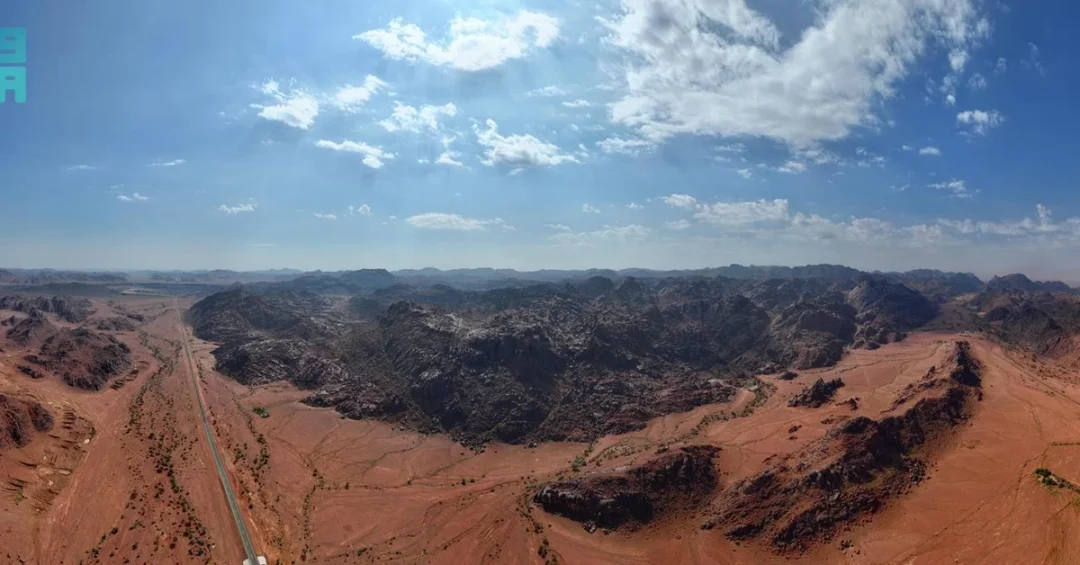
UNESCO has officially designated Saudi Arabia’s North Riyadh Geopark and Salma Geopark as members of its Global Geoparks Network, a landmark achievement announced from Paris on April 17, 2025, that underscores the Kingdom’s growing leadership in geoheritage conservation and sustainable development. The recognition, confirmed by the United Nations Educational, Scientific and Cultural Organization, places these two Saudi sites among the world’s most significant geological landscapes, celebrated not only for their scientific value but also for their role in education, tourism, and community empowerment. For Saudi Arabia, this is far more than an environmental accolade—it is a testament to a national vision that integrates natural heritage protection with economic diversification and global engagement.
The announcement was warmly received across Saudi Arabia, with officials hailing it as a direct outcome of the Kingdom’s sustained investments in environmental preservation and its commitment to international cooperation. The designation follows UNESCO’s rigorous evaluation process, which assesses management quality, conservation practices, educational outreach, and the involvement of local communities. By meeting these stringent criteria, North Riyadh Geopark and Salma Geopark join a prestigious list of sites that serve as models for balancing human activity with the protection of irreplaceable natural treasures. For international observers, this development signals Saudi Arabia’s expanding role in global environmental diplomacy and its determination to share its geological wonders with the world.
Context and Background: How Did Saudi Arabia Achieve This Global Recognition?
The path to UNESCO Global Geopark status is neither quick nor simple. It requires years of scientific study, careful boundary delineation, infrastructure development, and the establishment of partnerships among government bodies, local communities, and the private sector. Saudi Arabia’s National Center for Vegetation Cover Development and Combating Desertification (NCVC), led by CEO Khaled Al-Abdulkader, has been instrumental in preparing the nominations for both North Riyadh Geopark and Salma Geopark. The NCVC’s work aligns with the Kingdom’s broader environmental strategy, which seeks to protect natural landscapes while promoting sustainable use. The two geoparks represent distinct geological stories: North Riyadh Geopark, located near the capital, showcases dramatic sedimentary formations and ancient rock art, while Salma Geopark, situated in the Hail region, features volcanic craters, lava fields, and evidence of early human settlement. Together, they offer a window into millions of years of Earth’s history.
The Saudi Geoparks Initiative, under the leadership of Senior Director Hussam Al-Turki, has been the driving force behind the nomination process, coordinating efforts across multiple stakeholders. Al-Turki described the UNESCO designation as a moment of national pride, emphasizing that it reinforces Saudi Arabia’s commitment to preserving its cultural and natural identity while strengthening its role as a global leader in geoheritage conservation. The initiative is part of a wider push to identify, protect, and promote geological sites across the Kingdom, many of which have remained largely unknown to the outside world. By achieving UNESCO recognition, Saudi Arabia not only safeguards these sites for future generations but also opens them up for responsible tourism and scientific research, creating new opportunities for local economies.
UNESCO’s Global Geoparks Network was established to recognize landscapes of international geological significance that are managed with a holistic approach to protection, education, and sustainable development. Unlike strict nature reserves, geoparks encourage people to live and work within their boundaries, fostering a symbiotic relationship between communities and their environment. The inclusion of North Riyadh and Salma geoparks therefore reflects Saudi Arabia’s ability to harmonize conservation with human activity—a principle that resonates deeply with the Kingdom’s Vision 2030 reform agenda. This recognition also highlights the importance of international collaboration, as Saudi experts worked closely with UNESCO evaluators and global geopark specialists to meet the required standards.
Key Details: What Makes These Geoparks Exceptional?
North Riyadh Geopark, located just north of the capital, is a treasure trove of geological and archaeological wonders. Its landscape is dominated by sedimentary rock formations that date back hundreds of millions of years, revealing the region’s ancient marine past. Among its most striking features are fossil-rich limestone beds, deep canyons carved by prehistoric rivers, and extensive networks of caves that have yielded evidence of early human habitation. The geopark also contains numerous petroglyphs and inscriptions, some of which are thousands of years old, offering insights into the civilizations that once thrived in the Arabian Peninsula. For visitors, the site provides a unique opportunity to walk through geological time while experiencing the raw beauty of the desert. The NCVC has developed interpretive trails, visitor centers, and educational programs to ensure that the geopark serves as a hub for learning and discovery.
Salma Geopark, located in the Hail region of northern Saudi Arabia, presents a different but equally captivating geological narrative. This area is characterized by volcanic activity that occurred millions of years ago, leaving behind a dramatic landscape of black basalt plateaus, scoria cones, and vast lava fields known as harrats. The geopark is home to the famous Salma volcanic complex, which includes craters, lava tubes, and other volcanic features that are rare in the Arabian Peninsula. Archaeological excavations have uncovered tools and settlements dating back to the Paleolithic era, demonstrating that humans have long been drawn to this fertile volcanic region. The combination of geological and cultural heritage makes Salma Geopark a unique destination for both scientists and tourists. The Saudi Geoparks Initiative has worked closely with local communities to develop sustainable tourism infrastructure, including guided tours, hiking trails, and educational workshops.
The UNESCO designation brings with it a set of responsibilities and opportunities. Both geoparks will now be part of a global network that facilitates knowledge exchange, joint research projects, and promotional activities. They will also be eligible for technical assistance and funding from UNESCO and its partners, which can support conservation efforts and community development. For Saudi Arabia, this means enhanced international visibility and a chance to showcase its commitment to environmental stewardship. The NCVC and the Saudi Geoparks Initiative have emphasized that local communities will remain at the heart of management decisions, ensuring that the benefits of geotourism—such as job creation and small business development—are shared widely. This inclusive approach is a key requirement of the UNESCO Global Geoparks Network and reflects the Kingdom’s broader social and economic goals.
International and Regional Impact: How Does This Change Saudi Arabia’s Global Standing?
The recognition of North Riyadh and Salma geoparks elevates Saudi Arabia’s profile in international environmental circles. It demonstrates that the Kingdom is not only a major energy producer but also a responsible steward of its natural heritage. This aligns with a growing global trend where countries leverage their geological assets to drive sustainable tourism and scientific research. For the Middle East, Saudi Arabia’s success could inspire neighboring nations to pursue similar designations, fostering regional cooperation on geoheritage conservation. The UNESCO Global Geoparks Network already includes sites in Morocco, Iran, and Turkey, and the addition of Saudi geoparks strengthens the network’s presence in the Arabian Peninsula. This could lead to joint initiatives, such as transboundary geoparks or shared research programs, that enhance regional understanding and stability.
From a diplomatic perspective, the designation reinforces Saudi Arabia’s commitment to multilateralism and its active participation in UN agencies. UNESCO’s decision reflects the Kingdom’s constructive engagement with international organizations, which is a cornerstone of its foreign policy. By preserving and promoting its geological heritage, Saudi Arabia also contributes to the global effort to achieve the Sustainable Development Goals (SDGs), particularly those related to environmental protection, education, and decent work. The geoparks will serve as platforms for raising awareness about geodiversity and the importance of sustainable resource management, themes that resonate with audiences worldwide. For international visitors, these sites offer a new reason to explore Saudi Arabia beyond its traditional attractions, helping to diversify the tourism sector and foster people-to-people exchanges.
Economic and Strategic Significance: What Does This Mean for Local Communities?
The economic potential of geoparks extends far beyond tourism revenue. By attracting visitors, they stimulate local businesses such as hotels, restaurants, guide services, and handicraft producers. In the case of North Riyadh Geopark, its proximity to the capital means it can draw day-trippers and international tourists already visiting Riyadh, creating a steady stream of customers for surrounding communities. Salma Geopark, in the Hail region, has the potential to become a flagship destination for geotourism in northern Saudi Arabia, which has traditionally been less visited than other parts of the Kingdom. The development of infrastructure—roads, visitor centers, and signage—will also improve connectivity and access to services for local residents. Moreover, the geoparks will create employment opportunities in conservation, education, and hospitality, providing young Saudis with rewarding careers that align with Vision 2030’s goal of diversifying the economy.
Strategically, the UNESCO designation supports Saudi Arabia’s efforts to position itself as a global leader in sustainable development. It showcases the Kingdom’s ability to manage natural resources responsibly while pursuing economic growth, a balance that is central to the Vision 2030 framework. The geoparks also contribute to the preservation of Saudi Arabia’s cultural identity, as they protect not only geological features but also archaeological sites and traditional practices associated with the land. By integrating geotourism with local economic development, the initiative embodies the principles of circular economy and community resilience. The collaborative effort among government bodies, the private sector, and non-profit organizations further strengthens the social fabric and ensures that the benefits of this recognition are widely shared.
Vision 2030 Alignment: A Milestone on the Road to a Sustainable Future
The inclusion of North Riyadh Geopark and Salma Geopark in UNESCO’s Global Geoparks Network is a clear manifestation of Saudi Vision 2030’s environmental and economic objectives. Vision 2030 aims to diversify the Kingdom’s economy away from oil, and tourism is a key pillar of that strategy. Geoparks offer a unique type of tourism that appeals to niche markets—scientists, nature lovers, and adventure travelers—while also attracting general visitors interested in Saudi Arabia’s natural wonders. This aligns with the National Tourism Strategy, which seeks to increase tourism’s contribution to GDP and create jobs for Saudi citizens. Furthermore, the geoparks support the Saudi Green Initiative and the Middle East Green Initiative, which aim to combat desertification, protect biodiversity, and promote sustainable land management. By preserving these geological treasures, Saudi Arabia is investing in its natural capital for future generations.
Beyond environmental and economic benefits, the UNESCO recognition reinforces the social and cultural dimensions of Vision 2030. It encourages community participation and pride in local heritage, empowering residents to become stewards of their own landscapes. Educational programs linked to the geoparks will inspire young Saudis to pursue careers in earth sciences, conservation, and tourism, contributing to a knowledge-based economy. The designation also enhances Saudi Arabia’s international image as a forward-looking nation that values its past while embracing the future. As the Kingdom continues to implement Vision 2030, achievements like this demonstrate that sustainable development and cultural preservation can go hand in hand. The North Riyadh and Salma geoparks will serve as enduring symbols of Saudi Arabia’s commitment to a greener, more prosperous, and globally connected future.
20 Questions
Q1. What exactly are UNESCO Global Geoparks?
A1. UNESCO Global Geoparks are single, unified geographical areas where sites and landscapes of international geological significance are managed with a holistic concept of protection, education, and sustainable development. They are not just about rocks; they integrate geological heritage with local culture, communities, and economies.
Q2. Why are North Riyadh Geopark and Salma Geopark significant?
A2. North Riyadh Geopark features ancient sedimentary formations and rock art, while Salma Geopark showcases volcanic craters and lava fields. Both offer exceptional scientific and educational value, and their UNESCO designation highlights Saudi Arabia’s rich geoheritage and commitment to conservation.
Q3. How does a site become a UNESCO Global Geopark?
A3. The process involves rigorous evaluation by UNESCO experts, including site visits and assessments of management plans, conservation efforts, community involvement, and educational programs. Only sites that meet all criteria are approved by the UNESCO Global Geoparks Council.
Q4. Who led the effort to secure this recognition for Saudi Arabia?
A4. The National Center for Vegetation Cover Development and Combating Desertification (NCVC), under CEO Khaled Al-Abdulkader, and the Saudi Geoparks Initiative, led by Senior Director Hussam Al-Turki, spearheaded the nomination and management efforts.
Q5. What benefits will the geoparks bring to local communities?
A5. They will create jobs in tourism, conservation, and education, support small businesses, and improve infrastructure. Local communities will also gain opportunities to share their heritage and participate in decision-making, ensuring that economic benefits stay local.
Q6. How do geoparks contribute to environmental protection?
A6. Geoparks promote the conservation of geological features, landscapes, and biodiversity. They also encourage sustainable land-use practices and raise awareness about geodiversity, helping to protect these natural treasures for future generations.
Q7. Will these geoparks attract international tourists?
A7. Yes, UNESCO Global Geopark status is a globally recognized brand that attracts visitors interested in nature, science, and culture. The geoparks will be promoted through UNESCO’s network, drawing tourists from around the world to explore Saudi Arabia’s geological wonders.
Q8. What educational opportunities will the geoparks offer?
A8. They will provide interpretive trails, visitor centers, workshops, and school programs. These initiatives will educate the public about geology, archaeology, and sustainability, inspiring future scientists and conservationists.
Q9. How do the geoparks align with Saudi Vision 2030?
A9. Vision 2030 aims to diversify the economy and promote sustainable development. The geoparks support these goals by boosting tourism, creating jobs, and protecting natural heritage, while also enhancing the Kingdom’s international standing in environmental stewardship.
Q10. What is the role of the Saudi Geoparks Initiative?
A10. The Saudi Geoparks Initiative coordinates the identification, nomination, and management of geoparks across the Kingdom. It works with government agencies, local communities, and international partners to ensure that Saudi geoparks meet UNESCO standards.
Q11. Are there other UNESCO Global Geoparks in Saudi Arabia?
A11. North Riyadh and Salma are the first Saudi sites to join the UNESCO Global Geoparks Network. Their designation paves the way for other potential geoparks in the Kingdom, such as those in the Asir region or the Empty Quarter.
Q12. How will the geoparks be managed on a day-to-day basis?
A12. Management will be carried out by local authorities in partnership with the NCVC and the Saudi Geoparks Initiative. A management plan will guide conservation, tourism, and community engagement, with regular monitoring and reporting to UNESCO.
Q13. What types of geological features can visitors see in North Riyadh Geopark?
A13. Visitors can see sedimentary rock formations, fossils, canyons, caves, and ancient petroglyphs. The landscape tells the story of ancient oceans, rivers, and human civilizations that once thrived in the region.
Q14. What makes Salma Geopark’s volcanic landscape unique?
A14. Salma Geopark features one of the best-preserved volcanic fields in the Arabian Peninsula, with craters, lava tubes, and basalt plateaus. Its volcanic activity dates back millions of years, offering insights into the region’s geological history.
Q15. How can tourists visit these geoparks?
A15. Tourists can access the geoparks via guided tours, self-guided trails, and visitor centers. Infrastructure is being developed to ensure safe and informative experiences, with details available through Saudi tourism platforms.
Q16. What role do local communities play in the geoparks?
A16. Local communities are essential partners in geopark management. They participate in conservation, provide hospitality services, and share their cultural heritage. Their involvement ensures that the geoparks benefit the people who live there.
Q17. How does UNESCO support the geoparks after designation?
A17. UNESCO provides technical guidance, networking opportunities, and promotional support. Geoparks can also apply for funding and participate in global conferences, helping them to continuously improve their management and outreach.
Q18. What economic impact can be expected from geotourism?
A18. Geotourism can generate revenue for local businesses, create jobs, and stimulate investment in infrastructure. It also diversifies the tourism sector, attracting visitors who stay longer and spend more, benefiting the broader economy.
Q19. How do the geoparks contribute to scientific research?
A19. They serve as natural laboratories for geologists, archaeologists, and biologists. Research conducted there can advance our understanding of Earth’s history, climate change, and human evolution, with findings shared through academic publications and educational programs.
Q20. What is the long-term vision for Saudi Arabia’s geoparks?
A20. The long-term vision is to establish a network of geoparks across the Kingdom that are internationally recognized, sustainably managed, and integrated into the national tourism and education strategies. They will serve as models for balancing conservation with development, in line with Vision 2030.
Reader Feedback
We value your thoughts. Please share your feedback on this article.
Your feedback helps us improve our coverage.
Related articles
 Ancient Mulberry Trees Make Al-Hada a Unique Tourist Destination in Taif
 AlUla Manara Launches Celestial Journey at AlUla Skies Festival 2025
 Saudi Tour Guide Licenses Surge 168% in 2024
 Transavia France to Launch New Routes to Madinah
 ‘Visit Saudi’ Shines at stc Saudi Arabian Grand Prix
 Jeddah Fan Zone Draws Global Visitors at Saudi Grand Prix