


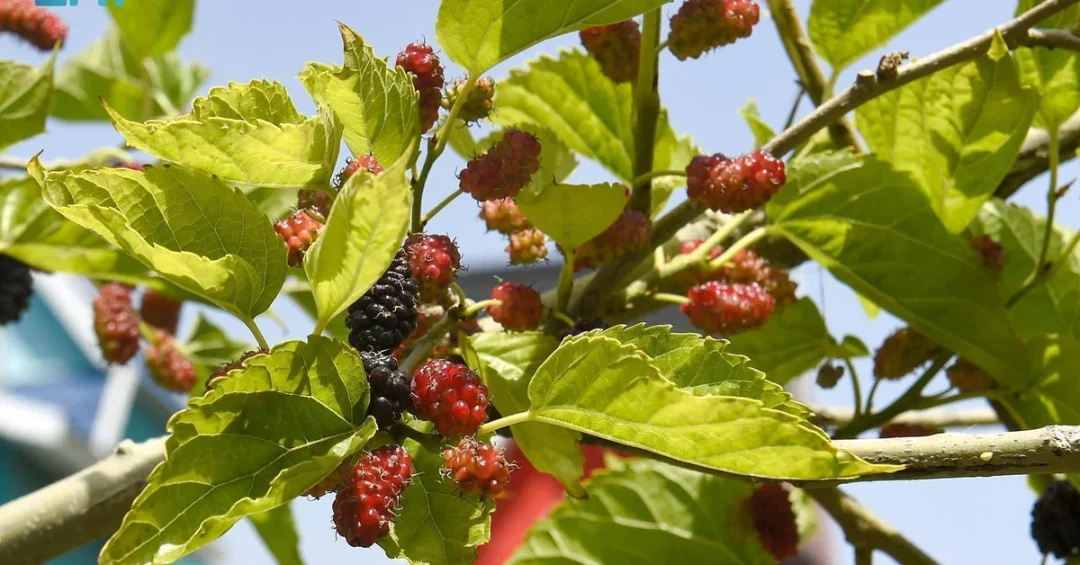
Al-Hada village, located west of Taif in the Makkah Province, is gaining international recognition as a unique tourist destination thanks to its ancient mulberry trees, which flourish in the area’s fertile soil and favorable climate, according to the Saudi Press Agency (SPA). The village’s picturesque landscapes, dotted with wild mulberry trees across highlands and valleys, have become a significant draw for visitors, particularly hikers and safari enthusiasts seeking an authentic encounter with Saudi Arabia’s natural heritage.
Have you ever imagined a destination where nature, culture, and history intertwine so seamlessly? Al-Hada offers precisely that, with its mulberry trees serving as living monuments to centuries of agricultural tradition. These trees are not merely a scenic backdrop; they are a cornerstone of local identity and a growing attraction within Saudi Arabia’s expanding tourism sector. As the Kingdom continues to open its doors to the world under Vision 2030, Al-Hada stands as a testament to how natural assets can be transformed into sustainable economic and cultural opportunities. The region’s mulberry heritage is now being celebrated and shared with a global audience, inviting travelers to explore a side of Saudi Arabia that is lush, vibrant, and deeply rooted in tradition.
Context and Background
What makes Al-Hada’s mulberry trees so special that they have become a symbol of the region? The answer lies in a combination of geography, climate, and generations of dedicated cultivation. Al-Hada, situated in the highlands west of Taif, benefits from a moderate climate and fertile soil that create ideal conditions for mulberry trees to thrive. These trees, some of which are ancient, have been part of the landscape for centuries, dotting valley orchards and mountainsides. Their presence has shaped the local way of life, providing not only shade and beauty but also a source of livelihood for farming families.
Tour guide Khalid Al-Ghraibi told the Saudi Press Agency that Al-Hada is home to unique wild mulberry trees found across its highlands and valleys, including Al-Hada Mountain and Wadi Mehrim. These areas attract numerous visitors who come to admire the trees and learn about their significance. Al-Ghraibi highlighted how mulberries have evolved into a cultural and touristic symbol for the region, with local farmers dedicated to preserving traditional cultivation techniques and expanding their market. This dedication ensures that the mulberry heritage remains alive and continues to contribute to the local economy.
The mulberry trees of Al-Hada are more than just a natural wonder; they are a link to the past and a bridge to the future. As Saudi Arabia invests in tourism infrastructure and promotes its diverse regions, Al-Hada’s mulberry trees offer a unique selling point that sets the area apart from other destinations. The trees have become a focal point for cultural events, agricultural tourism, and eco-tourism initiatives, aligning with the Kingdom’s broader goals of sustainable development and economic diversification.
Key Details
What exactly can visitors expect when they explore Al-Hada’s mulberry groves? The experience is both sensory and educational. The trees themselves are a sight to behold, with their lush foliage and sweet, juicy fruits. Beyond their appealing sweet taste, mulberries are a vital ingredient in a variety of local products, including juices, syrups, desserts, and pastries. Local artisans and farmers have perfected the art of transforming mulberries into these delectable items, which are sold in local markets and increasingly sought after by tourists.
Al-Ghraibi described mulberries as one of Al-Hada’s natural treasures, admired for their flavor and beauty. He noted that the trees are not only a source of food but also a source of inspiration for local artists and poets. The annual mulberry harvest season, typically in spring, is a time of celebration, with families and communities coming together to gather the fruit and prepare traditional recipes. This communal activity reinforces social bonds and preserves cultural practices that have been passed down through generations.
For hikers and safari enthusiasts, Al-Hada offers a network of trails that wind through mulberry orchards and natural valleys. These trails provide opportunities for adventure and discovery, allowing visitors to immerse themselves in the region’s natural beauty. The Saudi Press Agency report underscores that the area’s picturesque landscapes are a significant draw, and efforts are underway to develop more guided tours and interpretive signs to enhance the visitor experience. The local community, supported by the Taif Municipality and the Saudi Tourism Authority, is working to ensure that tourism development is sustainable and benefits all stakeholders.
International and Regional Impact
How does Al-Hada’s mulberry tourism resonate beyond Saudi Arabia’s borders? The region’s growing popularity as a tourist destination contributes to the Kingdom’s broader efforts to attract international visitors and showcase its cultural and natural diversity. As part of Vision 2030, Saudi Arabia aims to increase tourism’s contribution to GDP and create jobs, and Al-Hada is a prime example of how local assets can be leveraged to achieve these goals. The unique mulberry heritage offers a distinct experience that differentiates Saudi Arabia from other destinations in the region.
Regionally, Al-Hada’s success could inspire similar initiatives in other parts of the Kingdom, encouraging the preservation of indigenous flora and the development of agritourism. The Saudi Press Agency’s coverage of Al-Hada highlights the potential for rural areas to become economic hubs through tourism. Moreover, the emphasis on traditional cultivation techniques and local products aligns with global trends toward sustainable and authentic travel experiences. International tourists, particularly those from Europe and Asia, are increasingly seeking destinations that offer genuine cultural interactions and natural beauty, and Al-Hada fits this demand perfectly.
The mulberry trees also play a role in environmental conservation. They help prevent soil erosion, provide habitat for wildlife, and contribute to carbon sequestration. By promoting the preservation of these trees, Al-Hada is contributing to Saudi Arabia’s environmental sustainability goals, which are an integral part of Vision 2030. The Saudi Green Initiative, launched by Crown Prince Mohammed bin Salman, aims to plant billions of trees across the Kingdom, and the preservation of existing trees like those in Al-Hada complements this ambitious program.
Economic and Strategic Significance
What economic benefits do the mulberry trees bring to Al-Hada and beyond? The cultivation and processing of mulberries support local livelihoods, from farming to food production to tourism services. Farmers who tend the trees earn income from selling fresh fruit and value-added products. Small businesses that produce mulberry juices, syrups, and pastries create employment opportunities, particularly for women and youth. Tour guides like Khalid Al-Ghraibi benefit from increased visitor numbers, and hospitality businesses such as hotels and restaurants also thrive.
Strategically, Al-Hada’s mulberry tourism supports Saudi Arabia’s economic diversification agenda. By reducing dependence on oil, the Kingdom is investing in sectors like tourism, agriculture, and cultural heritage. Al-Hada exemplifies how a local natural resource can be developed into a sustainable tourism product that generates revenue and enhances the Kingdom’s international image. The Saudi Tourism Authority has identified Taif and its surroundings as a key destination for domestic and international tourists, and Al-Hada’s mulberry trees are a unique asset in this portfolio.
Furthermore, the mulberry heritage of Al-Hada contributes to food security by promoting local food production. As Saudi Arabia seeks to enhance its agricultural self-sufficiency, traditional crops like mulberries can play a role in providing nutritious food while preserving biodiversity. The knowledge and skills associated with mulberry cultivation are part of the Kingdom’s intangible cultural heritage, and efforts to document and transmit this knowledge are underway. The Ministry of Culture and the Ministry of Environment, Water and Agriculture are collaborating on initiatives to support such heritage projects.
Vision 2030 Alignment
How does Al-Hada’s mulberry destination align with Saudi Vision 2030? The vision, launched by Crown Prince Mohammed bin Salman in 2016, aims to transform Saudi Arabia into a global investment powerhouse and a hub connecting three continents. Tourism is a key pillar, with a target of attracting 100 million visitors annually by 2030. Al-Hada’s unique offerings—ancient mulberry trees, cultural experiences, and natural beauty—directly support this goal by diversifying the Kingdom’s tourism products beyond traditional religious and heritage sites.
Additionally, Vision 2030 emphasizes the importance of preserving cultural and natural heritage. The mulberry trees of Al-Hada are a living heritage that connects present generations to their ancestors. By promoting their preservation and sustainable use, Al-Hada contributes to the vision’s quality-of-life objectives, which aim to create vibrant communities and enriching experiences for citizens and visitors alike. The development of Al-Hada as a tourist destination also aligns with the vision’s focus on rural development and empowering local communities.
As Saudi Arabia continues to open up to the world, destinations like Al-Hada will play a crucial role in showcasing the Kingdom’s warmth, hospitality, and natural treasures. The ancient mulberry trees are not just a local asset; they are a national treasure that tells a story of resilience, tradition, and progress. Under Vision 2030, Al-Hada is poised to become a must-visit destination for those seeking authentic and unforgettable experiences in the heart of Saudi Arabia.
20 Questions
Q1. Where is Al-Hada village located?
A1. Al-Hada village is situated west of Taif in the Makkah Province of Saudi Arabia, known for its fertile soil and favorable climate that supports abundant mulberry trees.
Q2. Why are mulberry trees significant in Al-Hada?
A2. Mulberry trees are a cultural and touristic symbol for Al-Hada, providing economic benefits through fruit and local products, and attracting visitors to the region’s unique landscapes.
Q3. Who is Khalid Al-Ghraibi?
A3. Khalid Al-Ghraibi is a tour guide in Al-Hada who shared insights with the Saudi Press Agency about the region’s wild mulberry trees and their importance to tourism.
Q4. What types of mulberry trees grow in Al-Hada?
A4. Al-Hada is home to unique wild mulberry trees found across its highlands and valleys, including areas like Al-Hada Mountain and Wadi Mehrim.
Q5. What products are made from mulberries in Al-Hada?
A5. Local farmers produce a variety of mulberry-based products, including juices, syrups, desserts, and pastries, which are popular among residents and tourists.
Q6. How do mulberry trees contribute to tourism in Al-Hada?
A6. The trees enhance the region’s picturesque landscapes, attracting hikers and safari enthusiasts, and serve as a focal point for cultural and agricultural tourism experiences.
Q7. What is the best time to visit Al-Hada for mulberries?
A7. The mulberry harvest season typically occurs in spring, when the trees are laden with fruit and the region celebrates with traditional gatherings and activities.
Q8. Are there guided tours available in Al-Hada?
A8. Yes, local tour guides like Khalid Al-Ghraibi offer guided tours that educate visitors about the mulberry trees, local culture, and natural beauty of the area.
Q9. How does Al-Hada’s mulberry tourism support Vision 2030?
A9. It contributes to economic diversification, job creation, and the goal of attracting 100 million visitors annually by showcasing Saudi Arabia’s natural and cultural heritage.
Q10. What is the environmental impact of preserving mulberry trees?
A10. Mulberry trees help prevent soil erosion, provide wildlife habitat, and support carbon sequestration, aligning with Saudi Arabia’s environmental sustainability goals.
Q11. Can visitors purchase mulberry products in Al-Hada?
A11. Yes, local markets and shops offer a range of mulberry products, including fresh fruit, juices, syrups, and baked goods, allowing visitors to take home a taste of the region.
Q12. What other attractions are near Al-Hada?
A12. The region around Taif offers additional attractions such as Al-Hada Mountain, Wadi Mehrim, and various cultural and historical sites, making it a diverse destination.
Q13. How are traditional cultivation techniques preserved in Al-Hada?
A13. Local farmers are dedicated to preserving traditional cultivation methods, passing down knowledge through generations and participating in heritage preservation initiatives.
Q14. Is Al-Hada accessible for international tourists?
A14. Yes, Al-Hada is accessible via Taif, which has an international airport and is connected by modern highways, making it convenient for international visitors.
Q15. What role does the Saudi Press Agency play in promoting Al-Hada?
A15. The Saudi Press Agency (SPA) reports on Al-Hada’s mulberry heritage, sharing information with domestic and international audiences and highlighting the region’s tourism potential.
Q16. Are there any festivals related to mulberries in Al-Hada?
A16. While specific festivals may vary, the mulberry harvest season often involves community celebrations and activities that showcase local traditions and products.
Q17. How does mulberry cultivation support local communities?
A17. It provides income for farmers, creates jobs in food processing and tourism, and fosters social cohesion through communal harvesting and cultural events.
Q18. What makes Al-Hada’s mulberries unique compared to other regions?
A18. The unique wild varieties and the favorable climate of Al-Hada give its mulberries a distinct flavor and quality, making them highly prized.
Q19. Can tourists participate in mulberry harvesting?
A19. Some tours may offer hands-on experiences during harvest season, allowing visitors to learn about and participate in traditional harvesting methods.
Q20. What future developments are planned for Al-Hada’s tourism?
A20. Ongoing efforts by local authorities and the Saudi Tourism Authority aim to enhance infrastructure, promote sustainable tourism, and further develop Al-Hada as a unique destination.
Reader Feedback
We value your thoughts. Please share your feedback on this article.
Your feedback helps us improve our coverage.
Related articles
 AlUla Manara Launches Celestial Journey at AlUla Skies Festival 2025
 Saudi Tour Guide Licenses Surge 168% in 2024
 Transavia France to Launch New Routes to Madinah
 ‘Visit Saudi’ Shines at stc Saudi Arabian Grand Prix
 Jeddah Fan Zone Draws Global Visitors at Saudi Grand Prix
 Wadi Al-Souh: A Confluence of History and Nature