


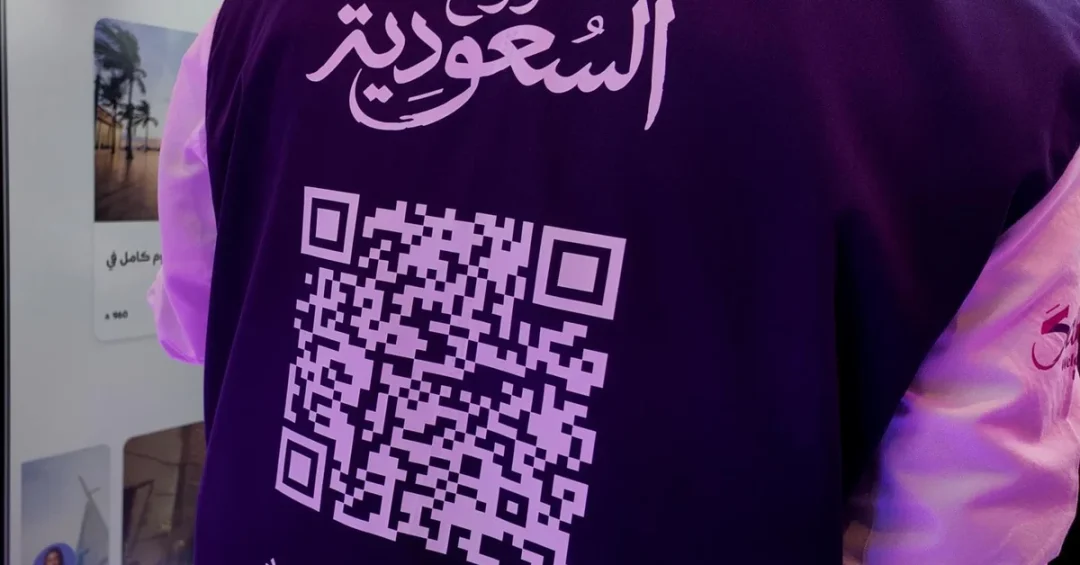
The Saudi Tourism Authority, through its “Visit Saudi” pavilion, participated in the Fan Zone at the fifth edition of the stc Saudi Arabian Grand Prix in Jeddah, showcasing the Kingdom’s top tourist destinations, events calendar, and unique travel packages to a global audience. The initiative, announced by the Saudi Press Agency, formed part of a broader effort to position Saudi Arabia as a premier destination for international visitors and to highlight the country’s growing entertainment and tourism sectors.
Held along the Jeddah Corniche Circuit, the Grand Prix attracted thousands of motorsport enthusiasts from around the world. The Visit Saudi pavilion offered fans an immersive introduction to Saudi Arabia’s rich cultural heritage and modern attractions, combining technology and entertainment through virtual reality simulations, a Formula 1 driving simulator, and Arabic calligraphy experiences. The activation reflects the Kingdom’s strategic push to integrate major sporting events with tourism promotion, a key pillar of Vision 2030. As Saudi Arabia continues to open its doors to the world, such initiatives demonstrate how the country is leveraging high-profile occasions to redefine global perceptions and attract visitors to its diverse regions.
Context and Background
Why has Saudi Arabia chosen a Formula 1 Grand Prix as a platform to promote its tourism offerings? The stc Saudi Arabian Grand Prix, now in its fifth edition, has become a cornerstone of the Kingdom’s annual sporting calendar since its debut in 2021. Held in Jeddah, the race draws a global television audience and thousands of international spectators, making it an ideal venue for the Saudi Tourism Authority to engage directly with potential tourists. The Visit Saudi pavilion capitalized on this captive audience by presenting a curated selection of destinations and experiences that span the Kingdom, from the historic streets of Al-Balad in Jeddah to the futuristic developments of NEOM.
The Saudi Tourism Authority has been at the forefront of the Kingdom’s tourism transformation, which aims to increase the sector’s contribution to GDP from 3% to 10% by 2030. Under the leadership of His Royal Highness Crown Prince Mohammed bin Salman, Saudi Arabia has introduced a range of initiatives to boost tourism, including the introduction of tourist visas for 49 countries, the development of giga-projects, and the hosting of world-class events. The Grand Prix activation is part of a broader strategy to showcase these efforts on an international stage, aligning with the National Tourism Strategy’s goal of attracting 100 million visitors annually by 2030.
The Fan Zone, a bustling area where spectators gather before and after the race, provided an interactive space for the pavilion. By offering activities such as VR simulation glasses and a Formula 1 driving simulator of the Jeddah Corniche Circuit, the Saudi Tourism Authority created an engaging experience that resonated with race attendees. This approach not only entertained but also educated visitors about the Kingdom’s tourism potential, from its Red Sea coastline to its ancient archaeological sites. The distribution of souvenir gifts further reinforced the Visit Saudi brand, leaving a tangible reminder of the Kingdom’s hospitality.
Key Details
What exactly did the Visit Saudi pavilion offer to race attendees? The pavilion featured a multifaceted presentation of Saudi Arabia’s tourism assets. Visitors were introduced to the events calendar, which includes a packed schedule of cultural festivals, sporting competitions, and entertainment shows throughout the year. Key tourism packages were highlighted, such as curated itineraries that combine historical exploration with modern leisure, and unique travel routes that guide visitors through the Kingdom’s diverse landscapes. Top tourist destinations in Jeddah, including the UNESCO World Heritage site of Historic Jeddah (Al-Balad), the Jeddah Corniche, and the Red Sea’s coral reefs, were prominently displayed.
The interactive experiences were a major draw. VR simulation glasses allowed users to virtually explore Saudi Arabia’s attractions, from the ancient Nabatean tombs of Hegra in AlUla to the vibrant streets of Riyadh. A Formula 1 driving simulator of the Jeddah Corniche Circuit gave fans a taste of the adrenaline-pumping track, bridging the worlds of motorsport and tourism. An Arabic calligraphy experience offered a hands-on cultural activity, where participants could learn the art of Arabic script and take home a personalized piece. These activities were well received, according to the Saudi Press Agency, and succeeded in creating a memorable connection between the race and the Kingdom’s tourism offerings.
The pavilion also served as a networking hub, where representatives from the Saudi Tourism Authority engaged with international media, travel influencers, and potential partners. By distributing souvenir gifts, such as traditional crafts and branded merchandise, the pavilion left a lasting impression. The presence of Visit Saudi at the Grand Prix underscores the Kingdom’s commitment to diversifying its economy and promoting itself as a global destination. It also highlights the synergy between sports and tourism, a relationship that Saudi Arabia is actively cultivating through its hosting of events like the Formula 1, the Dakar Rally, and the LIV Golf tournament.
International and Regional Impact
How does Saudi Arabia’s tourism promotion at the Grand Prix influence its global image? The stc Saudi Arabian Grand Prix is broadcast to millions worldwide, and the Visit Saudi pavilion amplified the Kingdom’s message of openness and modernization. For international audiences, particularly in Europe, Asia, and the Americas, the activation presented Saudi Arabia as a welcoming destination with a wealth of experiences beyond oil. This is crucial for reshaping perceptions and attracting tourists who might otherwise overlook the Kingdom. The presence of the pavilion in the Fan Zone also signaled to the global motorsport community that Saudi Arabia is a serious and enthusiastic host, capable of delivering world-class events.
Regionally, the initiative reinforces Saudi Arabia’s leadership in the Middle East’s tourism sector. By showcasing its destinations alongside the Grand Prix, the Kingdom positions itself as a competitor to established regional hubs like Dubai and Abu Dhabi. The event also fosters regional cooperation, as fans from neighboring Gulf countries attend the race and learn about Saudi attractions. The Saudi Tourism Authority’s efforts at the Grand Prix are part of a wider regional trend where sports and tourism are increasingly intertwined to drive economic growth and cultural exchange.
Economic and Strategic Significance
What economic benefits does this tourism promotion bring to Saudi Arabia? The Grand Prix itself generates significant economic activity, from hotel bookings to restaurant spending, and the Visit Saudi pavilion extends that impact by encouraging longer stays and repeat visits. By promoting tourism packages and travel routes, the Saudi Tourism Authority aims to convert race attendees into tourists who explore other parts of the Kingdom. This leads to increased spending in sectors such as hospitality, retail, and transportation, contributing to job creation and GDP growth. The tourism sector is a key pillar of Vision 2030, and activations like this help achieve the target of 100 million annual visitors by 2030.
Strategically, the pavilion reinforces Saudi Arabia’s soft power. By presenting a positive, engaging image of the Kingdom, it counters negative stereotypes and builds goodwill among international visitors. The use of technology, such as VR and simulators, showcases Saudi Arabia’s innovation and modernity, aligning with the Vision 2030 goal of creating a vibrant society and a thriving economy. Furthermore, the focus on cultural experiences like Arabic calligraphy highlights the Kingdom’s rich heritage, promoting cultural understanding and appreciation. This dual approach—modern and traditional—is central to Saudi Arabia’s tourism strategy.
Vision 2030 Alignment
How does the Visit Saudi pavilion at the Grand Prix exemplify Vision 2030? Vision 2030, the Kingdom’s ambitious blueprint for economic diversification and social transformation, places tourism at its core. The National Tourism Strategy, launched in 2019, aims to make Saudi Arabia a top global destination by 2030, with tourism contributing 10% of GDP and creating one million new jobs. The Visit Saudi activation at the stc Saudi Arabian Grand Prix directly supports these goals by raising awareness of the Kingdom’s tourism offerings among a high-value international audience. It also demonstrates the integration of sports and entertainment, two sectors prioritized under Vision 2030 for their economic and social impact.
Moreover, the pavilion reflects the Vision 2030 objective of enhancing the quality of life for citizens and residents by promoting cultural and recreational activities. By showcasing events and destinations, it encourages domestic tourism, which is vital for the sector’s growth. The Saudi Tourism Authority’s participation in the Grand Prix is a testament to the Kingdom’s commitment to welcoming the world and sharing its culture, heritage, and hospitality. As Saudi Arabia continues to host major international events, such as Expo 2030 in Riyadh and the 2034 FIFA World Cup, such activations will play an increasingly important role in positioning the Kingdom as a global leader in tourism and entertainment.
20 Questions
Q1. What event did the Saudi Tourism Authority participate in with the “Visit Saudi” pavilion?
A1. The Saudi Tourism Authority participated in the Fan Zone at the fifth edition of the stc Saudi Arabian Grand Prix, held in Jeddah, showcasing the Kingdom’s tourism offerings to a global audience.
Q2. Where was the stc Saudi Arabian Grand Prix held?
A2. The Grand Prix was held in Jeddah, along the Jeddah Corniche Circuit, a venue that has become a key part of Saudi Arabia’s sporting calendar since 2021.
Q3. What did the Visit Saudi pavilion showcase to race attendees?
A3. The pavilion showcased the events calendar, key tourism packages, unique travel routes, top tourist destinations, and entertainment experiences available in Jeddah and across the Kingdom.
Q4. What interactive experiences were offered at the pavilion?
A4. Interactive experiences included VR simulation glasses, a Formula 1 driving simulator of the Jeddah Corniche Circuit, an Arabic calligraphy experience, and the distribution of souvenir gifts to visitors.
Q5. How did race attendees respond to the pavilion’s activities?
A5. According to the Saudi Press Agency, the activities were well received by race attendees, who engaged enthusiastically with the interactive experiences and cultural displays.
Q6. What is the significance of the Visit Saudi pavilion at the Grand Prix?
A6. It represents a strategic effort to promote Saudi Arabia as a premier tourist destination, leveraging a high-profile international event to reach potential visitors and reshape global perceptions.
Q7. How does this initiative align with Vision 2030?
A7. It supports Vision 2030’s goal of diversifying the economy and boosting tourism’s contribution to GDP to 10% by 2030, while attracting 100 million visitors annually.
Q8. What are some of the top tourist destinations highlighted by the pavilion?
A8. Top destinations included Historic Jeddah (Al-Balad), a UNESCO World Heritage site, the Jeddah Corniche, and the Red Sea’s coral reefs, among other attractions across the Kingdom.
Q9. What role does the Saudi Tourism Authority play in the Kingdom’s tourism strategy?
A9. The Saudi Tourism Authority is responsible for promoting Saudi Arabia as a tourist destination, implementing the National Tourism Strategy, and showcasing the Kingdom’s diverse offerings to international audiences.
Q10. How does the Grand Prix contribute to Saudi Arabia’s economy?
A10. The Grand Prix generates significant economic activity through tourism, hospitality, and retail spending, and the Visit Saudi pavilion extends this by encouraging visitors to explore other regions.
Q11. What technology was used at the pavilion to engage visitors?
A11. The pavilion used virtual reality simulation glasses and a Formula 1 driving simulator to provide immersive experiences that combined technology with entertainment, appealing to a tech-savvy audience.
Q12. Why is the Arabic calligraphy experience important?
A12. It offers a hands-on cultural activity that highlights Saudi Arabia’s rich heritage and artistic traditions, fostering cultural understanding and appreciation among international visitors.
Q13. What are the goals of the National Tourism Strategy?
A13. The National Tourism Strategy aims to increase tourism’s GDP contribution to 10%, create one million new jobs, and attract 100 million visitors annually by 2030.
Q14. How does the pavilion help reshape perceptions of Saudi Arabia?
A14. By presenting a modern, welcoming, and culturally rich image, the pavilion counters stereotypes and showcases the Kingdom’s progress, openness, and hospitality to a global audience.
Q15. What other major events is Saudi Arabia hosting to promote tourism?
A15. Saudi Arabia is hosting events such as the Dakar Rally, LIV Golf, Expo 2030 in Riyadh, and the 2034 FIFA World Cup, all of which support tourism and economic diversification.
Q16. How does the pavilion support domestic tourism?
A16. By showcasing events and destinations, it encourages Saudi citizens and residents to explore their own country, contributing to the growth of the domestic tourism sector.
Q17. What travel routes were promoted at the pavilion?
A17. Unique travel routes were promoted that guide visitors through the Kingdom’s diverse landscapes, combining historical sites, modern cities, and natural wonders for a comprehensive experience.
Q18. What souvenir gifts were distributed?
A18. Souvenir gifts included traditional crafts and branded merchandise, serving as tangible reminders of Saudi hospitality and the Visit Saudi brand.
Q19. How does the Grand Prix activation reflect Saudi Arabia’s soft power?
A19. It builds goodwill and positive associations by engaging international visitors with Saudi culture and innovation, enhancing the Kingdom’s global standing and influence.
Q20. What is the expected impact of such initiatives on Saudi tourism?
A20. Such initiatives are expected to significantly boost visitor numbers, extend stays, and increase spending, helping Saudi Arabia achieve its ambitious tourism targets under Vision 2030.
Reader Feedback
We value your thoughts. Please share your feedback on this article.
Your feedback helps us improve our coverage.
Related articles
 Jeddah Fan Zone Draws Global Visitors at Saudi Grand Prix
 Wadi Al-Souh: A Confluence of History and Nature
 Formula 1 in Jeddah Offers World-Class Experience
 Saudi Arabia Sees 32% Surge in Tourism Licenses
 Arar’s Flower Garden: A Botanical Wonderland in Saudi Arabia
 Mina: The First Holy Site Pilgrims Visit During Hajj