


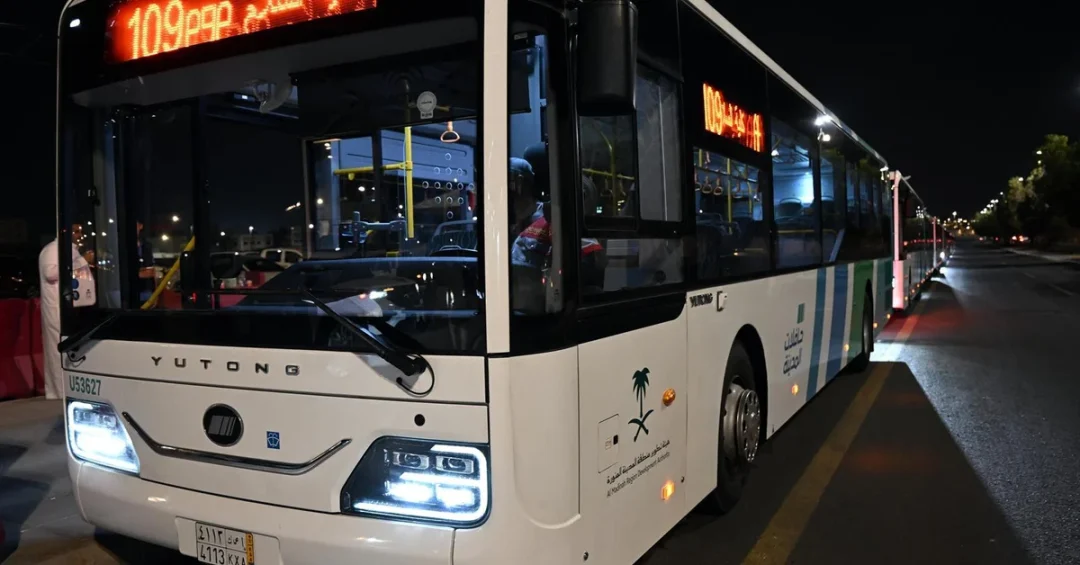
The Madinah Buses Project announced that more than 70,000 trips were conducted during the holy month of Ramadan, serving over 1.7 million passengers and visitors across all stations in the Madinah region, according to the Saudi Press Agency (SPA). The milestone underscores the Kingdom of Saudi Arabia’s commitment to enhancing the pilgrimage experience and modernizing urban transportation in line with Vision 2030. The project, which operates under the supervision of the Madinah Region Development Authority, has become an essential component of the city’s public transit network, particularly during peak seasons when millions of worshippers visit the Prophet’s Mosque.
Have you ever considered how a city seamlessly manages the movement of over a million pilgrims in just one month? The answer lies in strategic planning, technological integration, and a deep respect for the spiritual journey of every visitor. The Madinah Buses Project exemplifies how Saudi Arabia is leveraging innovation to serve the guests of God, ensuring that their experience is not only spiritually fulfilling but also comfortable and efficient. This achievement reflects the broader national effort to elevate the quality of services provided to pilgrims, a priority that has been consistently emphasized by the Saudi leadership.
Context and Background
How did Madinah become a model for smart urban mobility during the busiest Islamic season? The Madinah Buses Project was launched as part of a comprehensive strategy to improve public transportation in the holy city, which receives millions of visitors annually, with a significant surge during Ramadan. The project is overseen by the Madinah Region Development Authority in collaboration with the Ministry of Transport and Logistic Services and the Public Transport Authority. It aims to provide an integrated, sustainable, and user-friendly bus network that connects key locations, including the Prophet’s Mosque, hotels, residential districts, and major entry points to the city.
During Ramadan 1446 AH (2025), the project demonstrated its capacity to handle unprecedented demand. The fleet operated around the clock, with frequency increased to accommodate the influx of worshippers performing Umrah and visiting the Prophet’s Mosque. The buses are equipped with modern amenities, including air conditioning, Wi-Fi, and designated spaces for elderly and disabled passengers, ensuring a dignified and comfortable journey. The success of the project is not just measured in numbers but in the seamless experience it provides to millions, reflecting the Kingdom’s dedication to serving Islam’s holiest sites.
What makes this achievement particularly noteworthy is the context of Saudi Arabia’s broader transportation transformation. Under Vision 2030, the Kingdom is investing heavily in public transit systems across major cities, from Riyadh to Jeddah, to reduce congestion, lower emissions, and improve quality of life. The Madinah Buses Project is a shining example of this national direction, tailored specifically to the unique needs of a city that holds profound religious significance for Muslims worldwide. It also aligns with the Pilgrim Experience Program, one of the Vision 2030 realization programs, which seeks to enhance the capacity and quality of services for pilgrims.
Key Details
What exactly does it take to transport 1.7 million passengers in a single month? The figures released by the Madinah Buses Project reveal a staggering operational effort: over 70,000 trips were conducted across all stations, with buses running at high frequencies throughout Ramadan. The network covers 12 routes that span the city, including dedicated lines to the Prophet’s Mosque, the Quba Mosque, and other significant sites. The buses are strategically scheduled to align with prayer times, ensuring that worshippers can reach their destinations promptly, especially for Taraweeh and Qiyam al-Layl prayers.
The project also contributed to improving traffic flow in the central area, significantly reducing the number of private vehicles heading to the Prophet’s Mosque during peak times. This reduction had a direct impact on easing congestion, shortening travel times, and enhancing the overall experience for both residents and visitors. Furthermore, by decreasing the number of vehicles, the project helped lower carbon emissions in crowded areas, contributing to environmental sanitation and supporting Saudi Arabia’s sustainability goals. The buses themselves are equipped with eco-friendly technologies, including Euro 5 engines, which further minimize their environmental footprint.
How does technology play a role in this massive operation? The Madinah Buses Project utilizes a state-of-the-art control center that monitors bus movements in real time, allowing for dynamic adjustments to routes and schedules based on demand. Passengers can access live updates through a dedicated mobile application, which also offers trip planning and e-ticketing services. This digital integration not only enhances convenience but also provides valuable data to planners for continuous improvement. The project has also implemented a smart card system, making it easier for frequent users to board buses quickly, reducing waiting times and streamlining the overall process.
International and Regional Impact
Could this model be replicated in other cities facing similar challenges? The success of the Madinah Buses Project has garnered attention beyond Saudi borders, with transportation experts and officials from other Muslim-majority countries expressing interest in learning from the Kingdom’s approach. The project demonstrates how a well-designed public transit system can serve both residents and a massive seasonal influx of pilgrims without compromising efficiency or comfort. For the broader Middle East, where many cities struggle with traffic congestion and pollution, Madinah offers a blueprint for sustainable urban mobility that respects cultural and religious sensitivities.
On a regional level, the project reinforces Saudi Arabia’s leadership in serving pilgrims and managing the Hajj and Umrah seasons. The Kingdom has consistently invested in expanding the capacity of the Two Holy Mosques and their surrounding infrastructure, and the Madinah Buses Project is an integral part of that effort. It also complements other mega-projects, such as the Haramain High-Speed Railway, which connects Madinah to Makkah and Jeddah, providing a multi-modal transportation network that is unmatched in the region. This integrated approach enhances the Kingdom’s position as a global leader in pilgrimage management and smart city development.
What does this mean for the international image of Saudi Arabia? The efficient handling of millions of pilgrims during Ramadan sends a powerful message about the Kingdom’s organizational capabilities and its commitment to the comfort and safety of visitors. It showcases a modern, forward-looking Saudi Arabia that honors its religious heritage while embracing innovation. This positive narrative aligns with the goals of Vision 2030 to diversify the economy and promote the Kingdom as a global destination for tourism and spiritual journeys. The Madinah Buses Project, therefore, is not just a local success story but a symbol of national progress and international outreach.
Economic and Strategic Significance
What economic benefits arise from such a large-scale transportation initiative? The Madinah Buses Project contributes to the local economy by creating jobs, supporting small businesses, and stimulating commercial activity around bus stations and routes. It also reduces the economic cost of traffic congestion, which is estimated to cost billions of riyals annually in major cities. By providing a reliable and affordable alternative to private cars, the project helps residents and visitors save on transportation expenses, thereby increasing disposable income and boosting spending in other sectors such as retail and hospitality.
Strategically, the project is a key enabler of the Pilgrim Experience Program, which aims to increase the number of pilgrims and improve the quality of their journey. By facilitating easy access to the Prophet’s Mosque, the buses encourage more people to visit Madinah, extending their stay and contributing to the local tourism economy. This aligns with the broader Vision 2030 goal of increasing the tourism sector’s contribution to GDP from 3% to 10% by 2030. The project also supports the National Transformation Program by enhancing public transport infrastructure, a critical component of modern urban development.
How does this fit into Saudi Arabia’s long-term vision? The Madinah Buses Project is a tangible example of how Vision 2030 is being translated into reality on the ground. It reflects the Kingdom’s commitment to sustainable development, technological innovation, and improving the quality of life for citizens and visitors alike. As Saudi Arabia continues to invest in smart cities and green transportation, projects like this will serve as benchmarks for other regions. The success of Ramadan 2025 is not an endpoint but a stepping stone toward even greater achievements in the years to come, as the Kingdom prepares to welcome even more pilgrims with the expansion of the Grand Mosque and other holy sites.
Vision 2030 Alignment
In what ways does the Madinah Buses Project embody the spirit of Vision 2030? The project directly supports several Vision 2030 objectives, including enhancing the pilgrimage experience, developing public transportation, and promoting environmental sustainability. It is a practical manifestation of the Pilgrim Experience Program, which seeks to enable more Muslims to perform Hajj and Umrah with ease. By providing a seamless and efficient bus network, the Kingdom is not only serving the guests of God but also showcasing its ability to manage complex logistical operations, a skill that is increasingly recognized on the global stage.
Moreover, the project contributes to the Vision 2030 goal of building a vibrant society and a thriving economy. It improves urban mobility, reduces traffic accidents, and lowers pollution, all of which enhance the quality of life for residents. It also creates economic opportunities by connecting people to jobs, education, and services. As Saudi Arabia continues to transform its transportation sector, the Madinah Buses Project stands as a testament to the Kingdom’s unwavering commitment to progress, innovation, and the service of Islam’s holiest sites. The future promises even greater integration of smart technologies and sustainable practices, further solidifying Madinah’s status as a model city for the Islamic world.
20 Questions
Q1. What is the Madinah Buses Project?
A1. The Madinah Buses Project is a public transportation initiative launched by the Madinah Region Development Authority to provide efficient bus services across the city, especially for pilgrims visiting the Prophet’s Mosque.
Q2. How many passengers did the Madinah Buses transport during Ramadan 2025?
A2. According to the Saudi Press Agency, the project transported over 1.7 million passengers and visitors during Ramadan 2025, demonstrating its capacity to handle large crowds.
Q3. How many trips were conducted during Ramadan?
A3. More than 70,000 trips were conducted across all stations during the holy month, ensuring frequent and reliable service for worshippers and residents.
Q4. What are the main goals of the Madinah Buses Project?
A4. The project aims to improve traffic flow, reduce congestion, lower carbon emissions, and enhance the overall pilgrimage experience by providing a sustainable and comfortable transport option.
Q5. How does the project contribute to environmental sustainability?
A5. By reducing the number of private vehicles on the road, the buses help decrease carbon emissions and improve air quality in crowded areas, aligning with Saudi Arabia’s environmental goals.
Q6. What technology is used in the Madinah Buses Project?
A6. The project utilizes a smart control center, real-time tracking, a mobile app for passengers, and e-ticketing systems to ensure efficient operations and convenience.
Q7. Which authority oversees the Madinah Buses Project?
A7. The project is supervised by the Madinah Region Development Authority in coordination with the Ministry of Transport and Logistic Services and the Public Transport Authority.
Q8. How does the project align with Vision 2030?
A8. It supports the Pilgrim Experience Program and the National Transformation Program by enhancing public transport, improving quality of life, and boosting the tourism economy.
Q9. What routes do the buses cover?
A9. The network includes 12 routes connecting key locations such as the Prophet’s Mosque, Quba Mosque, hotels, residential areas, and major entry points to the city.
Q10. How does the project benefit local businesses?
A10. By increasing foot traffic and accessibility, the buses stimulate commercial activity around stations, supporting retail, hospitality, and other local enterprises.
Q11. What is the significance of serving 1.7 million passengers?
A11. It highlights the project’s scalability and reliability during peak seasons, showcasing Saudi Arabia’s capability to manage large-scale religious tourism efficiently.
Q12. How does the project improve traffic in Madinah?
A12. By offering a convenient alternative to private cars, it reduces vehicle numbers in central areas, easing congestion and shortening travel times for everyone.
Q13. Are the buses accessible for people with disabilities?
A13. Yes, the buses are equipped with designated spaces and features to accommodate elderly and disabled passengers, ensuring inclusive transportation for all.
Q14. What is the role of the Pilgrim Experience Program?
A14. It is a Vision 2030 initiative aimed at enhancing the capacity and quality of services for pilgrims, including transportation, accommodation, and facilities.
Q15. How does the project handle peak prayer times?
A15. Bus schedules are synchronized with prayer times, with increased frequency during Taraweeh and Qiyam al-Layl to ensure timely arrival at the Prophet’s Mosque.
Q16. What environmental standards do the buses meet?
A16. The buses are equipped with Euro 5 engines, which significantly reduce harmful emissions and contribute to cleaner air in Madinah.
Q17. Can tourists use the Madinah Buses?
A17. Yes, the service is available to all visitors and residents, with easy payment options including smart cards and mobile ticketing.
Q18. How does the project support Saudi Arabia’s tourism goals?
A18. By facilitating easy access to religious and historical sites, it encourages longer stays and enhances the overall visitor experience, boosting tourism’s contribution to GDP.
Q19. What feedback have passengers given about the service?
A19. Passengers have praised the comfort, punctuality, and ease of use, noting that the buses have made their pilgrimage experience more convenient and enjoyable.
Q20. What future developments are planned for the Madinah Buses Project?
A20. The project aims to expand its fleet, introduce more routes, and integrate advanced technologies to further improve efficiency and sustainability in line with Vision 2030.
Reader Feedback
We value your thoughts. Please share your feedback on this article.
Your feedback helps us improve our coverage.
Related articles
 North Riyadh and Salma Geoparks Join UNESCO Global Network
 Ancient Mulberry Trees Make Al-Hada a Unique Tourist Destination in Taif
 AlUla Manara Launches Celestial Journey at AlUla Skies Festival 2025
 Saudi Tour Guide Licenses Surge 168% in 2024
 Transavia France to Launch New Routes to Madinah
 ‘Visit Saudi’ Shines at stc Saudi Arabian Grand Prix