


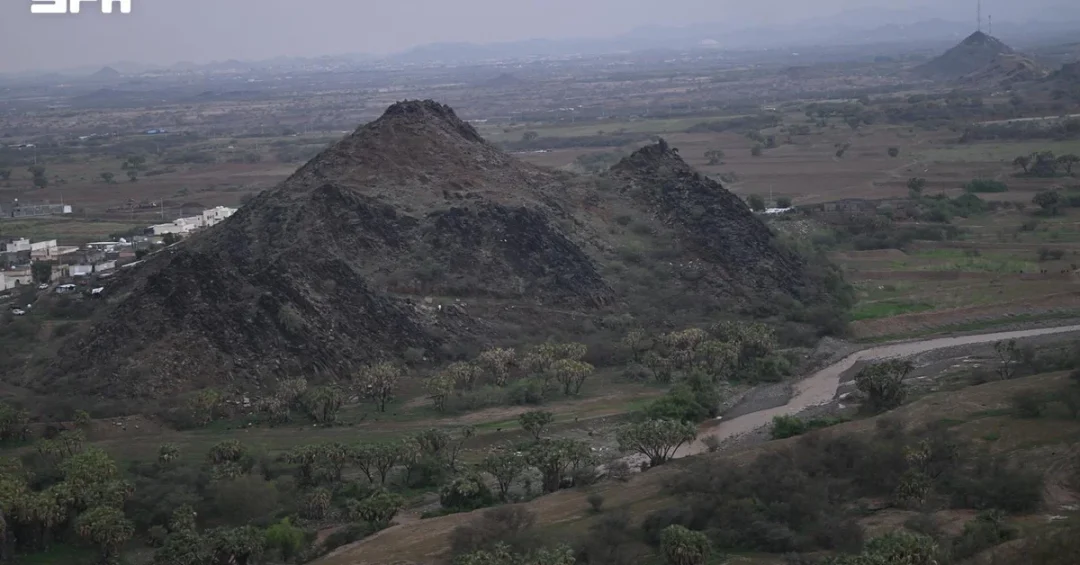
Wadi Tafsha, a scenic valley nestled in Alhaqu village within Baish Governorate in the Jazan Region, is emerging as a compelling example of Saudi Arabia’s growing ecotourism potential, according to information released by the Saudi Press Agency (SPA). The wadi, celebrated for its rugged mountains, agricultural fields, distinctive rock formations, and wild trees, transforms during the rainy season into a lush, green destination that attracts nature enthusiasts and photographers from across the Kingdom and beyond. Could this hidden gem in Saudi Arabia’s southwest be the next must-visit destination for international travelers seeking authentic natural beauty?
The Jazan Region, located along the Red Sea coast near the Yemen border, has long been known for its diverse topography, encompassing mountains, valleys, and coastal plains. Wadi Tafsha exemplifies this diversity, offering a blend of natural splendor and agricultural heritage that reflects the deep-rooted connection between local communities and the land. As Saudi Arabia continues to expand its tourism sector under Vision 2030, destinations like Wadi Tafsha are gaining prominence for their unique appeal and potential to draw visitors seeking immersive, nature-based experiences. The valley’s seasonal transformation, driven by rainfall, creates a dynamic landscape that changes with the seasons, providing a fresh experience for repeat visitors.
Context and Background
What makes Wadi Tafsha stand out in a region already rich with natural attractions? The valley is part of the broader Jazan Region, which has been increasingly recognized for its ecotourism assets. According to the Saudi Press Agency, Jazan offers diverse tourism experiences, with its mountains, valleys, and plains providing scenic destinations for sightseeing, exploration, and photography. The region’s rural areas are particularly noted for unique geological formations, lush vegetation, and landscapes shaped by seasonal rainfall. This natural richness positions Jazan as a key contributor to Saudi Arabia’s tourism diversification strategy.
Wadi Tafsha itself is located in Alhaqu village in Baish Governorate, an area that has preserved its traditional agricultural practices. The surrounding farms grow corn, millet, sesame, citrus, and other fruits, showcasing the longstanding agricultural heritage of the local communities. This combination of natural beauty and cultural authenticity is precisely what modern ecotourists seek. As Saudi Arabia opens its doors to international visitors through streamlined visa processes and increased investment in tourism infrastructure, destinations like Wadi Tafsha offer a glimpse into the Kingdom’s untapped potential beyond its well-known historical and urban attractions.
The timing of this spotlight on Wadi Tafsha aligns with Saudi Arabia’s broader efforts to promote sustainable tourism. The Kingdom has set ambitious targets to increase tourism’s contribution to GDP and attract millions of international visitors by 2030. Regions like Jazan, with their unspoiled landscapes and rich cultural traditions, are central to achieving these goals. By highlighting Wadi Tafsha, official Saudi channels are signaling that the Kingdom’s tourism offering extends far beyond its iconic desert and heritage sites, encompassing verdant valleys and agricultural terraces that tell a story of coexistence with nature.
Natural Features and Seasonal Transformation
How does a valley transform so dramatically with the seasons? During the rainy season, Wadi Tafsha undergoes a remarkable renewal. Its banks become covered in lush greenery, and overcast skies add to the landscape’s appeal, creating a moody, photogenic atmosphere that draws photographers and nature lovers. The valley’s rugged mountains provide a dramatic backdrop, while distinctive rock formations and wild trees add texture and character to the scene. This seasonal transformation is not just a visual spectacle; it also supports local biodiversity and maintains the ecological balance of the area.
The wadi’s geological diversity is a key part of its allure. The combination of mountains, plains, and agricultural fields creates a mosaic of habitats that support various plant and animal species. The wild trees that dot the landscape are adapted to the region’s climate, thriving during the wet season and enduring the dry months. This resilience is a testament to the area’s ecological richness. For visitors, the valley offers opportunities for hiking, birdwatching, and photography, all within a pristine natural setting that feels a world away from the bustle of city life.
Moreover, the agricultural fields that surround Wadi Tafsha are integral to its charm. The crops grown here—corn, millet, sesame, citrus, and other fruits—are not just economic staples but also contribute to the valley’s visual appeal. The terraced fields, a common sight in Jazan’s mountainous areas, demonstrate sustainable land management practices passed down through generations. This agricultural heritage adds a cultural dimension to the ecotourism experience, allowing visitors to connect with the land and its people in a meaningful way.
Agricultural Heritage and Community Connection
What role does agriculture play in the ecotourism appeal of Wadi Tafsha? The farms in and around the valley are a living testament to the enduring relationship between local communities and their environment. For centuries, residents of Alhaqu village and Baish Governorate have cultivated these lands, developing a deep understanding of the local ecosystem. The crops they grow—corn, millet, sesame, citrus, and other fruits—are well-suited to the region’s climate and soil, and their cultivation supports local livelihoods while preserving traditional knowledge.
This agricultural heritage is a significant draw for ecotourists, who increasingly seek authentic experiences that go beyond sightseeing. Visitors to Wadi Tafsha can learn about traditional farming methods, sample local produce, and gain insight into the sustainable practices that have kept these lands productive for generations. Such experiences align with the principles of ecotourism, which emphasizes minimal environmental impact and positive contributions to local communities. By integrating agriculture into the tourism experience, Wadi Tafsha offers a model for rural development that benefits both visitors and residents.
Furthermore, the connection between the community and the land is a story worth telling. It speaks to the resilience and ingenuity of Saudi Arabia’s rural populations, who have adapted to the challenges of a semi-arid climate. As the Kingdom invests in rural tourism infrastructure, these stories become part of the national narrative, showcasing the diversity of Saudi culture and the importance of preserving traditional ways of life. Wadi Tafsha, with its farms and friendly communities, is a prime example of how ecotourism can be a force for cultural preservation and economic empowerment.
International and Regional Impact
Could Wadi Tafsha become a magnet for international ecotourists? As global travel trends shift toward sustainable and nature-based experiences, destinations like Wadi Tafsha are well-positioned to attract visitors from around the world. The valley’s unique blend of natural beauty and agricultural heritage offers a distinctive proposition that sets it apart from more conventional tourist destinations. For international travelers, it provides an opportunity to experience the authentic side of Saudi Arabia—a side that is often overshadowed by the Kingdom’s iconic desert landscapes and modern cities.
Regionally, Wadi Tafsha’s emergence as a tourism destination could have ripple effects across Jazan and beyond. Increased visitor traffic would stimulate local economies, creating jobs in hospitality, guiding, and transportation. It would also encourage investment in infrastructure, such as roads, signage, and visitor facilities, which would benefit residents as well as tourists. Moreover, the success of Wadi Tafsha could inspire similar initiatives in other rural areas of Saudi Arabia, fostering a network of ecotourism destinations that collectively enhance the Kingdom’s appeal as a diverse and welcoming country.
From a diplomatic perspective, the promotion of ecotourism in regions like Jazan aligns with Saudi Arabia’s efforts to build bridges with the international community. By sharing its natural and cultural treasures, the Kingdom demonstrates its openness and commitment to sustainable development. This soft power approach can help reshape perceptions of Saudi Arabia and strengthen its ties with other nations. As more international visitors discover the wonders of Wadi Tafsha and the wider Jazan Region, they become ambassadors for the Kingdom’s rich heritage and forward-looking vision.
Economic and Strategic Significance
What economic benefits can ecotourism bring to Jazan? The development of Wadi Tafsha as a tourist attraction has the potential to diversify the local economy beyond traditional agriculture. While farming remains vital, tourism can provide additional income streams for residents, particularly women and youth who may otherwise face limited employment opportunities. Small businesses such as homestays, craft shops, and food stalls could flourish, supported by visitor spending. This economic diversification is a key goal of Vision 2030, which seeks to reduce dependence on oil and create a more resilient economy.
Strategically, the focus on ecotourism in Jazan aligns with Saudi Arabia’s broader tourism strategy, which aims to increase the sector’s contribution to GDP and create jobs. The Kingdom has set a target of attracting 100 million visitors annually by 2030, and destinations like Wadi Tafsha contribute to this goal by offering unique experiences that appeal to niche markets. Moreover, the development of rural tourism helps distribute the benefits of tourism more evenly across the country, reducing pressure on overcrowded urban centers and promoting regional development. This balanced approach is essential for sustainable growth and social cohesion.
In addition, the promotion of Wadi Tafsha underscores the importance of environmental conservation. Ecotourism, by its nature, incentivizes the protection of natural resources and biodiversity. As the valley gains recognition, there will be greater impetus to preserve its unique ecosystems and ensure that development is carried out responsibly. This aligns with Saudi Arabia’s environmental commitments, including the Saudi Green Initiative, which aims to combat climate change and protect the Kingdom’s natural heritage. Thus, Wadi Tafsha serves as a catalyst for both economic and environmental progress.
Vision 2030 Alignment
How does Wadi Tafsha fit into Saudi Arabia’s Vision 2030? The valley’s potential as an ecotourism destination directly supports the Vision’s goals of diversifying the economy, creating jobs, and promoting sustainable development. By showcasing the natural and cultural assets of Jazan, Wadi Tafsha helps position Saudi Arabia as a global tourism hub that offers more than just traditional attractions. This aligns with the National Tourism Strategy, which seeks to increase the tourism sector’s contribution to GDP from 3% to 10% by 2030 and create one million new jobs in the sector.
Furthermore, the emphasis on ecotourism reflects the Vision’s commitment to environmental sustainability and community empowerment. Vision 2030 envisions a Saudi Arabia that is not only economically prosperous but also socially inclusive and environmentally responsible. Destinations like Wadi Tafsha embody this vision by providing economic opportunities for local communities while preserving the natural environment for future generations. As the Kingdom continues to invest in tourism infrastructure and promotion, Wadi Tafsha stands as a shining example of how Saudi Arabia’s diverse regions can contribute to the nation’s transformation and global standing.
20 Questions
Q1. What is Wadi Tafsha and where is it located?
A1. Wadi Tafsha is a scenic valley located in Alhaqu village in Baish Governorate, within the Jazan Region of Saudi Arabia. It is known for its rugged mountains, agricultural fields, distinctive rock formations, and wild trees.
Q2. What makes Wadi Tafsha particularly attractive during the rainy season?
A2. During the rainy season, Wadi Tafsha’s banks become covered in lush greenery, and overcast skies enhance the landscape’s appeal, creating a photogenic environment that attracts nature enthusiasts and photographers.
Q3. What types of crops are grown in the farms surrounding Wadi Tafsha?
A3. The surrounding farms grow corn, millet, sesame, citrus, and other fruits, reflecting the longstanding agricultural heritage of the local communities in Jazan.
Q4. How does Wadi Tafsha contribute to ecotourism in Saudi Arabia?
A4. Wadi Tafsha highlights the diversity of rural tourism in Jazan and the region’s ecotourism potential, offering a blend of natural beauty and agricultural heritage that appeals to sustainable travelers.
Q5. What are the main natural features of Wadi Tafsha?
A5. The wadi features rugged mountains, agricultural fields, distinctive rock formations, and wild trees, creating a diverse landscape that changes with the seasons.
Q6. Why is Jazan Region considered important for Saudi tourism?
A6. Jazan Region offers diverse tourism experiences with its mountains, valleys, and plains, providing scenic destinations for sightseeing, exploration, and photography, thus contributing to Saudi Arabia’s tourism diversification.
Q7. How does Wadi Tafsha support local communities?
A7. Wadi Tafsha supports local communities by preserving agricultural traditions and potentially providing economic opportunities through ecotourism, such as guiding, hospitality, and local produce sales.
Q8. What role does Wadi Tafsha play in Vision 2030?
A8. Wadi Tafsha aligns with Vision 2030 by promoting sustainable tourism, diversifying the economy, creating jobs, and showcasing Saudi Arabia’s natural and cultural heritage to the world.
Q9. What is the significance of the agricultural heritage in Wadi Tafsha?
A9. The agricultural heritage reflects the deep connection between local communities and the land, offering visitors an authentic cultural experience and demonstrating sustainable farming practices passed down through generations.
Q10. How can international tourists visit Wadi Tafsha?
A10. International tourists can visit Wadi Tafsha by obtaining a Saudi tourist visa and traveling to Jazan Region. Improved infrastructure and guided tours are making access easier.
Q11. What types of activities can visitors enjoy at Wadi Tafsha?
A11. Visitors can enjoy hiking, photography, birdwatching, and exploring the agricultural fields, as well as learning about traditional farming methods and local culture.
Q12. How does Wadi Tafsha compare to other ecotourism destinations in Saudi Arabia?
A12. Wadi Tafsha stands out for its unique combination of rugged mountains, lush seasonal greenery, and agricultural heritage, offering a distinctive rural tourism experience within the Jazan Region.
Q13. What is the best time to visit Wadi Tafsha?
A13. The best time to visit Wadi Tafsha is during the rainy season when the valley transforms with lush greenery and overcast skies, providing ideal conditions for photography and nature appreciation.
Q14. How does ecotourism in Wadi Tafsha promote environmental conservation?
A14. Ecotourism incentivizes the protection of natural resources and biodiversity, encouraging responsible development and preservation of the valley’s unique ecosystems for future generations.
Q15. What economic benefits can Wadi Tafsha bring to Jazan?
A15. Wadi Tafsha can stimulate the local economy by creating jobs in hospitality, guiding, and transportation, and by supporting small businesses such as homestays and craft shops.
Q16. Are there any specific initiatives to develop Wadi Tafsha as a tourist destination?
A16. While specific initiatives are not detailed, the Saudi Press Agency’s spotlight on Wadi Tafsha indicates official recognition of its tourism potential, aligning with broader national efforts to develop rural tourism.
Q17. How does Wadi Tafsha reflect Saudi Arabia’s cultural heritage?
A17. Wadi Tafsha reflects Saudi Arabia’s cultural heritage through its traditional agricultural practices and the enduring connection between local communities and the land, showcasing the Kingdom’s rural traditions.
Q18. What is the significance of the rock formations in Wadi Tafsha?
A18. The distinctive rock formations add geological interest and visual appeal to the valley, contributing to its unique landscape and attracting photographers and nature enthusiasts.
Q19. How can visitors contribute to the sustainability of Wadi Tafsha?
A19. Visitors can contribute by respecting local customs, minimizing environmental impact, supporting local businesses, and participating in guided tours that promote conservation and community benefit.
Q20. What does the future hold for Wadi Tafsha as a tourism destination?
A20. With Saudi Arabia’s focus on sustainable tourism and Vision 2030, Wadi Tafsha is poised to become a model ecotourism destination, attracting visitors while preserving its natural and cultural heritage.
Reader Feedback
We value your thoughts. Please share your feedback on this article.
Your feedback helps us improve our coverage.
Related articles
 Tourism Minister Launches Northern Trail Identity
 Fog Walkway in Abha Draws Visitors with Winter-Like Charm
 Golfi at SEVEN Abha Offers 12-Hole Interactive Mini-Golf Experience
 Jazan Beaches and Islands Highlight Diverse Marine Ecosystems
 Hail Arabian Horse Show Draws 18,000 Spectators on Day 3
 Grand Hyatt The Red Sea Opens on Shura Island