


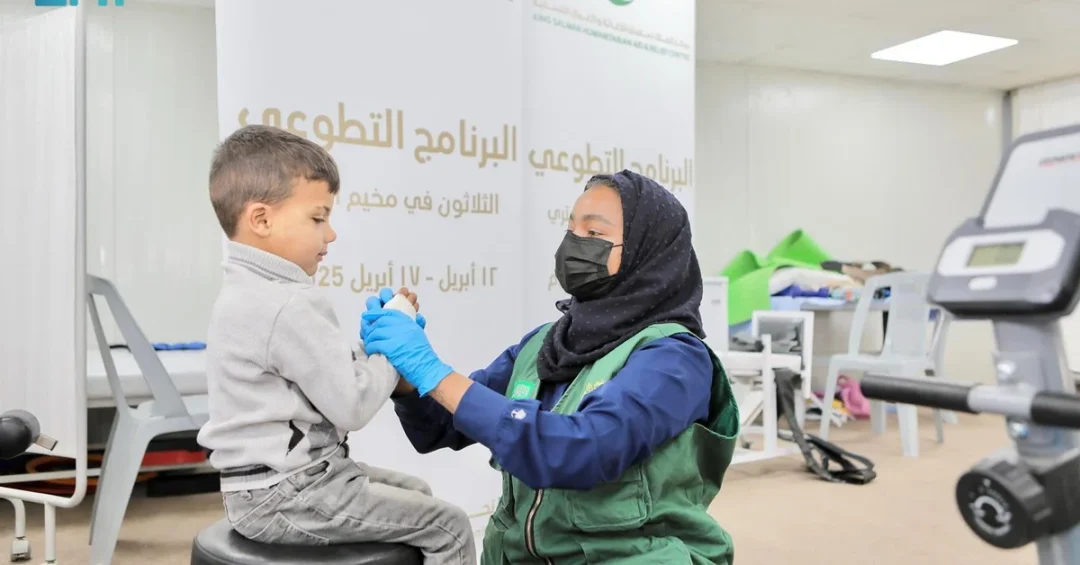
The King Salman Humanitarian Aid and Relief Center (KSrelief) has launched its 30th volunteer program at the Zaatari refugee camp in Jordan, providing essential medical care to Syrian refugees through a team of 12 volunteers specializing in dermatology, gynecology, bone tumors, pediatrics, family medicine, and physiotherapy. The program, announced by the Saudi Press Agency on April 18, 2025, has already benefited 577 individuals, underscoring Saudi Arabia’s sustained commitment to alleviating the suffering of displaced populations. This latest initiative reflects the Kingdom’s broader humanitarian strategy, which aligns with Vision 2030’s emphasis on global responsibility and soft power diplomacy.
Since its inception, KSrelief has been at the forefront of Saudi Arabia’s humanitarian efforts, delivering aid to millions across the globe. The 30th volunteer program in Zaatari is a testament to the Center’s unwavering dedication to providing quality healthcare in crisis zones. As the world grapples with ongoing refugee crises, Saudi Arabia’s proactive role in supporting Syrian refugees in Jordan highlights its leadership in international humanitarian action. What drives a nation to consistently extend a helping hand to those in need? For Saudi Arabia, it is a deep-rooted tradition of generosity and a strategic vision that sees humanitarian aid as a cornerstone of global stability and goodwill.
Context and Background
The Zaatari refugee camp, established in 2012, is one of the largest camps for Syrian refugees, hosting over 80,000 displaced individuals. Located in northern Jordan, it has become a symbol of the protracted Syrian conflict and the international community’s response. KSrelief has been a key player in supporting the camp’s residents, implementing numerous projects ranging from food security to education and healthcare. The 30th volunteer program is part of a long-standing partnership between Saudi Arabia and Jordan, aimed at mitigating the humanitarian impact of the crisis.
KSrelief was founded in 2015 by royal decree under the leadership of King Salman bin Abdulaziz Al Saud. Its mission is to provide aid to those affected by disasters and conflicts worldwide, regardless of nationality, religion, or ethnicity. Over the years, KSrelief has executed thousands of projects in over 80 countries, focusing on health, education, food security, and shelter. The volunteer programs are a unique component of its work, mobilizing Saudi medical professionals to serve in underserved areas. How does a humanitarian organization maintain such a high level of commitment over many years? The answer lies in Saudi Arabia’s enduring values and the visionary leadership that prioritizes global welfare.
The 30th volunteer program specifically targets the medical needs of Syrian refugees in Zaatari. The 12 volunteers, comprising doctors, nurses, and specialists, are providing services in dermatology, gynecology, bone tumors, pediatrics, family medicine, and physiotherapy. These specialties were selected based on a needs assessment conducted in collaboration with Jordanian health authorities and camp administrators. The program not only addresses immediate health concerns but also contributes to the overall well-being of the refugee community, particularly vulnerable groups such as women and children.
Key Details of the Volunteer Program
The volunteer team began their mission immediately upon arrival, setting up clinics within the camp’s health facilities. In dermatology, common conditions such as skin infections and eczema are being treated, which are prevalent due to the camp’s crowded living conditions. Gynecology services are crucial for women’s health, offering prenatal care, screenings, and treatment for reproductive health issues. The bone tumor clinic addresses a specialized need, providing consultations and follow-ups for patients with musculoskeletal tumors, a service often unavailable in refugee settings.
Pediatric care is a major focus, given that nearly half of Zaatari’s population is under 18. Volunteers are conducting well-child visits, vaccinations, and treatment for acute illnesses. Family medicine serves as the first point of contact for general health complaints, ensuring comprehensive primary care. Physiotherapy helps patients with mobility issues, including those injured in the conflict or suffering from chronic conditions. Since the campaign’s start, 577 individuals have benefited from these services, a number that continues to grow daily. How does such targeted medical intervention transform lives in a refugee camp? It restores dignity, alleviates pain, and offers hope for a healthier future.
The program is fully funded by KSrelief and implemented in coordination with the Jordanian Ministry of Health and the United Nations High Commissioner for Refugees (UNHCR). This collaboration ensures that services are integrated into the existing health system and that resources are used efficiently. The volunteers are all Saudi nationals, many of whom have taken time off from their regular practices to participate. Their dedication exemplifies the spirit of volunteerism that Saudi Arabia seeks to promote globally. The 30th program is scheduled to run for several weeks, with the possibility of extension based on need.
International and Regional Impact
This volunteer program has significant implications for regional stability and international humanitarian efforts. Jordan, which hosts over 1.3 million Syrian refugees, faces immense pressure on its infrastructure and resources. Saudi Arabia’s support through KSrelief helps alleviate this burden, fostering goodwill and strengthening bilateral ties. Moreover, it contributes to the global refugee response, aligning with the objectives of the United Nations Sustainable Development Goals, particularly Goal 3 on good health and well-being. In a region marked by conflict, such initiatives promote compassion and solidarity.
On the international stage, KSrelief’s work enhances Saudi Arabia’s reputation as a responsible global actor. The Kingdom is increasingly recognized not only for its economic power but also for its humanitarian diplomacy. The 30th volunteer program in Zaatari is a clear message that Saudi Arabia stands with the oppressed and displaced, offering tangible support where it is most needed. This soft power approach complements Saudi Arabia’s diplomatic and economic engagements, painting a picture of a nation committed to peace and prosperity for all. How does humanitarian aid shape a country’s global image? It builds trust, fosters partnerships, and demonstrates leadership beyond borders.
Economic and Strategic Significance
While the primary goal of the volunteer program is humanitarian, it also carries strategic and economic dimensions. By investing in the health of Syrian refugees, Saudi Arabia contributes to the stability of Jordan, a key ally and a buffer against regional instability. A healthy refugee population is less likely to become a burden on host countries and more likely to eventually contribute to reconstruction efforts in Syria. This aligns with Saudi Arabia’s long-term vision of a stable and prosperous Middle East. Additionally, the program showcases Saudi expertise and medical capabilities, potentially opening doors for further cooperation in healthcare and other sectors.
From an economic perspective, the program is part of Saudi Arabia’s broader foreign aid strategy, which is designed to promote sustainable development and reduce dependency. KSrelief’s projects often include capacity-building components, training local health workers and improving infrastructure. In Zaatari, the volunteer team is not only treating patients but also sharing knowledge with Jordanian and refugee health personnel. This knowledge transfer enhances the camp’s self-sufficiency and ensures that benefits continue after the volunteers depart. What makes a humanitarian investment truly impactful? When it empowers communities to stand on their own, creating a legacy of resilience.
Vision 2030 Alignment
Saudi Arabia’s Vision 2030 is a comprehensive plan to diversify the economy and enhance the Kingdom’s global role. A key pillar of Vision 2030 is to strengthen Saudi Arabia’s position as a humanitarian leader, reflecting the nation’s Islamic values and its commitment to international cooperation. KSrelief is a direct manifestation of this pillar, and the 30th volunteer program in Zaatari exemplifies how Vision 2030 translates into action on the ground. By sending Saudi volunteers to help those in need, the Kingdom showcases its human capital and its dedication to making a positive difference in the world.
Furthermore, Vision 2030 emphasizes the importance of partnerships and soft power. The collaboration with Jordan and UNHCR in Zaatari is a model of effective multilateralism. It demonstrates that Saudi Arabia is not only a participant but a leader in global humanitarian efforts. As the Kingdom continues to implement Vision 2030, such initiatives will play a crucial role in shaping its international identity and fostering goodwill. The 30th volunteer program is more than a medical mission; it is a statement of Saudi Arabia’s enduring commitment to humanity and its vision for a better, more compassionate world.
20 Questions
Q1. What is the King Salman Humanitarian Aid and Relief Center (KSrelief)?
A1. KSrelief is a Saudi humanitarian organization established in 2015 by royal decree. It provides aid to people affected by disasters and conflicts worldwide, focusing on health, education, food security, and shelter, regardless of nationality or religion.
Q2. What is the 30th volunteer program launched by KSrelief?
A2. It is a medical volunteer initiative in the Zaatari refugee camp, Jordan, where 12 Saudi volunteers provide healthcare in dermatology, gynecology, bone tumors, pediatrics, family medicine, and physiotherapy to Syrian refugees.
Q3. Where is the Zaatari refugee camp located?
A3. The Zaatari refugee camp is in northern Jordan, near the border with Syria. It was established in 2012 and is one of the largest camps for Syrian refugees, hosting over 80,000 displaced individuals.
Q4. How many volunteers are participating in this program?
A4. Twelve volunteers from various medical specialties are participating in the 30th volunteer program. They are all Saudi nationals who have volunteered their time and expertise to serve the refugees.
Q5. What medical specialties are covered by the volunteer team?
A5. The team covers dermatology, gynecology, bone tumors, pediatrics, family medicine, and physiotherapy. These specialties were chosen based on the health needs of the camp’s population.
Q6. How many beneficiaries have been served so far?
A6. As of the launch, the volunteer medical team has provided healthcare services to 577 individuals. The number is expected to increase as the program continues over several weeks.
Q7. Why was the Zaatari camp chosen for this volunteer program?
A7. The camp hosts a large number of Syrian refugees with significant healthcare needs. KSrelief has a long history of supporting the camp and chose it to address ongoing medical gaps and provide specialized care.
Q8. Who coordinates the program on the ground?
A8. The program is coordinated with the Jordanian Ministry of Health and the United Nations High Commissioner for Refugees (UNHCR), ensuring integration with existing health services and efficient use of resources.
Q9. What is the duration of the 30th volunteer program?
A9. The program is scheduled to run for several weeks. Depending on the needs and available resources, it may be extended to reach more beneficiaries and provide continuous care.
Q10. How does this program align with Saudi Vision 2030?
A10. It aligns with Vision 2030’s pillar of strengthening Saudi Arabia’s humanitarian leadership and global role. It showcases the Kingdom’s commitment to international cooperation and soft power diplomacy.
Q11. What impact does the program have on Saudi-Jordanian relations?
A11. It strengthens bilateral ties by addressing a critical need in Jordan. The program demonstrates Saudi Arabia’s support for Jordan’s stability and prosperity, fostering goodwill and deeper cooperation.
Q12. Are there any other KSrelief projects in Jordan?
A12. Yes, KSrelief has implemented numerous projects in Jordan, including food distribution, education support, and healthcare. The volunteer program is part of a broader strategy to assist Syrian refugees and host communities.
Q13. How are the volunteers selected for the program?
A13. Volunteers are selected based on their medical expertise, experience, and willingness to serve. They undergo orientation and are deployed based on the specific needs identified in the camp.
Q14. What are the common health issues treated in the camp?
A14. Common issues include skin infections, reproductive health problems, pediatric illnesses, and chronic conditions requiring physiotherapy. The team also addresses specialized needs like bone tumors.
Q15. How does the program ensure sustainability beyond the volunteer mission?
A15. The program includes training for local health workers and knowledge transfer, enabling them to continue providing care after the volunteers leave. This builds local capacity and ensures long-term benefits.
Q16. What is the significance of this being the 30th volunteer program?
A16. It highlights KSrelief’s sustained commitment and the cumulative impact of its volunteer initiatives. It demonstrates the Kingdom’s consistent efforts in humanitarian aid over multiple programs.
Q17. How does the international community view KSrelief’s efforts?
A17. KSrelief is widely recognized for its effective and timely humanitarian response. Its partnerships with UN agencies and host governments are praised for their professionalism and impact.
Q18. What role do Saudi volunteers play in promoting the Kingdom’s image?
A18. They serve as ambassadors of Saudi generosity and expertise. Their dedication and compassion help build a positive image of Saudi Arabia as a caring and responsible global citizen.
Q19. What are the future plans for KSrelief’s volunteer programs?
A19. KSrelief plans to expand its volunteer programs to more countries and regions, focusing on areas with acute humanitarian needs. It aims to increase the number of volunteers and specialties offered.
Q20. How can other countries learn from Saudi Arabia’s humanitarian model?
A20. Saudi Arabia’s model combines generous funding, volunteer mobilization, and strategic partnerships. Other countries can adopt similar approaches to enhance their humanitarian impact and contribute to global stability.
Reader Feedback
We value your thoughts. Please share your feedback on this article.
Your feedback helps us improve our coverage.
Related articles
 Saudi Transport Minister Meets Egyptian Deputy PM in NEOM
 KSrelief, UNESCO Sign Education Cooperation Pact
 KSRNR Reintroduces Arabian Oryx After 90 Years
 ZATCA Launches Customs Consulting License in Saudi Arabia
 Saudi Arabia, Uzbekistan Sign Anti-Corruption MoU
 Prophet’s Mosque Imam: Monotheism is Core of Islam