


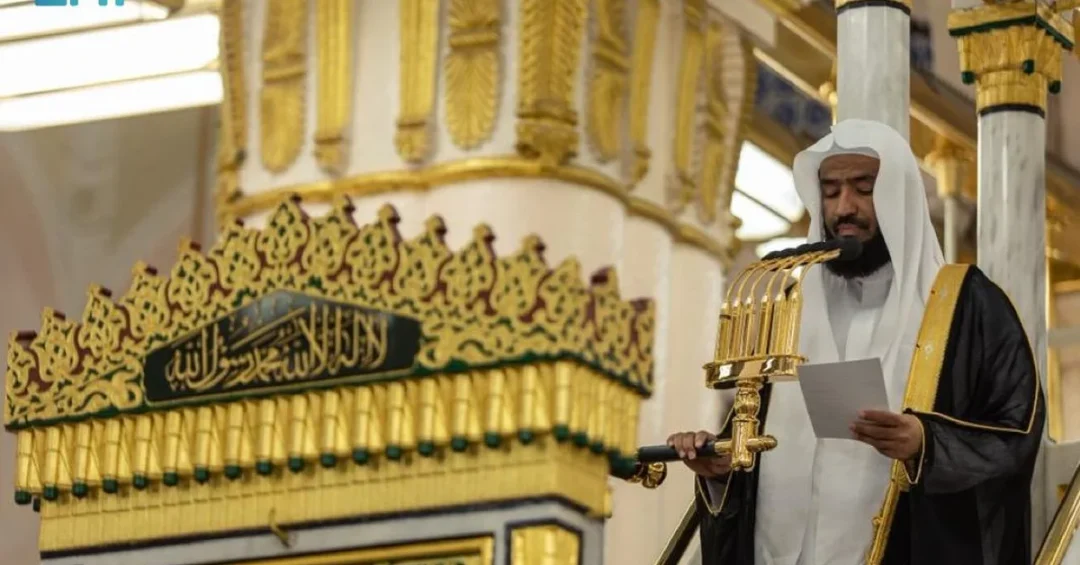
In a Friday sermon delivered at the Prophet’s Mosque in Madinah on April 18, 2025, Imam Sheikh Dr. Abdullah Al-Buaijan affirmed that Allah’s monotheism is the core and spirit of Islam, describing the Holy Quran as the book of monotheism and the ultimate source of legislation. The sermon, reported by the Saudi Press Agency (SPA), underscored the centrality of tawhid—the sincere acknowledgement that there is no god worthy of worship except Allah—to the faith and practice of Muslims worldwide. The Imam’s message resonated across the Kingdom and beyond, reinforcing the timeless principles that guide Saudi Arabia’s spiritual leadership and its commitment to moderation, peace, and devotion.
Why does this message matter now, in an era of rapid global change and competing narratives? The Imam’s emphasis on monotheism serves as a reminder of the enduring foundations of Islam, which have shaped the Arabian Peninsula for over fourteen centuries. As the custodian of the Two Holy Mosques, Saudi Arabia plays a unique role in preserving and disseminating these teachings. The sermon at the Prophet’s Mosque—the second holiest site in Islam—carries particular weight, offering guidance to millions who look to Madinah for spiritual inspiration. It also aligns with the Kingdom’s broader efforts to promote moderate Islam and counter extremism, a key pillar of Vision 2030’s social and cultural transformation.
Context and Background
What is the significance of the Prophet’s Mosque as a platform for such profound declarations? Located in Madinah, the mosque was built by the Prophet Muhammad (peace be upon him) and serves as a beacon of Islamic learning and spirituality. Imam Sheikh Dr. Abdullah Al-Buaijan, a respected scholar and religious leader, delivered the sermon to a congregation that included residents and pilgrims from around the world. His words echoed the foundational creed of Islam: the oneness of Allah. This concept, known as tawhid, is not merely a theological abstraction but a lived reality that informs every aspect of a Muslim’s life—from prayer and charity to social justice and moral conduct.
The timing of the sermon is notable. It comes as Saudi Arabia continues to welcome millions of pilgrims for Umrah and prepares for the annual Hajj season, a testament to the Kingdom’s unwavering commitment to serving Islam’s holiest sites. Under the leadership of the Custodian of the Two Holy Mosques, King Salman bin Abdulaziz Al Saud, and Crown Prince Mohammed bin Salman, Saudi Arabia has invested heavily in expanding the capacity and enhancing the experience of worshippers at the Grand Mosque in Makkah and the Prophet’s Mosque in Madinah. These efforts are part of a larger vision to facilitate spiritual journeys and promote the true, moderate teachings of Islam.
Moreover, the Imam’s sermon reflects the consistent message of Saudi religious authorities, who emphasize tolerance, coexistence, and the rejection of extremism. By reiterating that monotheism is the core of Islam, Sheikh Al-Buaijan reinforces the Kingdom’s role as a global leader in Islamic thought and practice. His words also serve as a counter-narrative to those who seek to distort the faith for political ends. In a world where misunderstandings about Islam abound, such clear, authoritative statements from the pulpit of the Prophet’s Mosque provide clarity and reassurance.
Key Details of the Sermon
What exactly did Imam Sheikh Dr. Abdullah Al-Buaijan say, and why does it resonate so deeply? According to the Saudi Press Agency, the Imam declared that “Allah’s monotheism is the core and spirit of Islam.” He elaborated that the Holy Quran is the book of monotheism and serves as the source of legislation. This dual emphasis—on tawhid as the essence of faith and on the Quran as the guiding text—encapsulates the holistic nature of Islamic teachings. Monotheism in divinity, he explained, entails the sincere acknowledgement that there is no god worthy of worship except Allah. This declaration, known as the shahada, is the first pillar of Islam and the entry point for every believer.
The Imam’s choice of words was deliberate and profound. By calling monotheism the “core and spirit,” he underscored that all other Islamic practices—prayer, fasting, charity, pilgrimage—derive their meaning from this central belief. Without tawhid, rituals become empty; with it, they become acts of devotion that purify the soul and strengthen the community. The Quran, as the book of monotheism, provides the framework for understanding Allah’s attributes and His relationship with creation. It also offers legislation that governs personal conduct, family life, business transactions, and governance, ensuring justice and equity in society.
The sermon also highlighted the importance of sincere worship, free from any form of polytheism or association of partners with Allah. This message is particularly relevant in a time when some groups misuse religion to justify violence or division. By returning to the pure essence of monotheism, Muslims can reclaim the true spirit of their faith—one of peace, mercy, and submission to the one true God. The Imam’s words serve as a call to introspection and renewal, urging believers to align their lives with the Quranic principles that have guided generations.
International and Regional Impact
How does a sermon delivered in Madinah resonate across the globe? The Prophet’s Mosque attracts millions of visitors annually, and its sermons are broadcast and shared widely through digital platforms. When an Imam of Sheikh Al-Buaijan’s stature speaks, his message reaches far beyond the physical confines of the mosque. It influences scholars, students, and ordinary Muslims from Indonesia to Morocco, from Europe to the Americas. This global reach amplifies the Kingdom’s soft power and reinforces its position as the heartland of Islam. It also promotes a unified understanding of core beliefs, countering extremist ideologies that seek to hijack the faith.
Regionally, the sermon contributes to stability and moderation. The Middle East has long been a theater of sectarian tensions and geopolitical rivalries. Saudi Arabia, through its religious institutions and leadership, consistently advocates for dialogue, tolerance, and mutual respect among different Islamic schools of thought. The Imam’s focus on monotheism—a belief shared by all Muslims—serves as a unifying theme that transcends divisions. It reminds Muslims of their common heritage and encourages them to work together for the common good. This approach aligns with the Kingdom’s foreign policy objectives, which prioritize peaceful coexistence and constructive engagement.
Furthermore, the sermon’s emphasis on the Quran as the source of legislation has implications for legal and social systems in Muslim-majority countries. It underscores the importance of deriving laws from divine guidance rather than human whims, ensuring justice and moral integrity. While interpretations may vary, the core principle remains: legislation should serve the welfare of society and uphold the values of Islam. Saudi Arabia’s own legal system is rooted in Sharia, and the Imam’s words reaffirm this foundation while highlighting the flexibility and adaptability of Islamic jurisprudence to meet contemporary challenges.
Economic and Strategic Significance
What does a religious sermon have to do with economics and strategy? At first glance, the connection may not be obvious, but the spiritual guidance provided by Saudi Arabia’s religious leadership has tangible effects on the Kingdom’s stability and prosperity. A society grounded in shared values of honesty, justice, and compassion is more conducive to economic growth and investment. The Imam’s message fosters social cohesion, which is essential for implementing Vision 2030’s ambitious reforms. When citizens and residents feel a sense of purpose and moral clarity, they are more likely to contribute positively to the economy and society.
Additionally, the sermon reinforces Saudi Arabia’s strategic position as the custodian of Islam’s holiest sites. This role attracts millions of pilgrims each year, generating significant revenue for the tourism and hospitality sectors. The Kingdom has invested billions in expanding infrastructure around the Two Holy Mosques, creating jobs and stimulating local economies. By promoting moderate, authentic Islam, Saudi Arabia ensures that the pilgrimage experience is safe, spiritually fulfilling, and free from political exploitation. This, in turn, enhances the Kingdom’s reputation globally and strengthens its ties with Muslim-majority nations.
On a broader scale, the Imam’s words support Saudi Arabia’s efforts to combat extremism and terrorism, which are threats to both security and economic development. Extremist groups often distort Islamic teachings to recruit followers and justify violence. By clearly articulating the true essence of monotheism—peaceful submission to Allah—the sermon undermines their narratives. It also aligns with international counterterrorism efforts, positioning Saudi Arabia as a responsible global partner. The economic benefits of stability and security are immense, as they create an environment where businesses can thrive and foreign investment can flourish.
Vision 2030 Alignment
How does the Imam’s sermon align with Saudi Vision 2030? Vision 2030 is not only an economic blueprint but also a social and cultural transformation aimed at creating a vibrant, moderate, and forward-looking society. One of its key pillars is to promote the true teachings of Islam, rooted in tolerance and moderation, and to counter extremist ideologies. The sermon by Sheikh Al-Buaijan directly supports this objective by reminding Muslims of the core tenets of their faith and encouraging them to embody these principles in their daily lives. It reinforces the Kingdom’s commitment to preserving Islamic heritage while embracing modernity.
Furthermore, Vision 2030 seeks to enhance the quality of life for citizens and residents, fostering a society where individuals can thrive spiritually and materially. The Imam’s emphasis on monotheism and the Quran provides a moral compass that guides personal and collective behavior. This moral clarity is essential for building a cohesive society that values hard work, innovation, and social responsibility. As Saudi Arabia continues to implement its ambitious reforms, the role of religious leaders in shaping public consciousness cannot be overstated. Their guidance ensures that the transformation remains grounded in the timeless values of Islam, benefiting both the Kingdom and the wider world.
In conclusion, the Friday sermon at the Prophet’s Mosque serves as a powerful reminder of the enduring relevance of monotheism in Islam. It highlights Saudi Arabia’s leadership in promoting moderate, authentic religious discourse and its unwavering dedication to serving the Two Holy Mosques. As the Kingdom marches toward a brighter future under Vision 2030, such messages will continue to inspire millions and reinforce the bonds of faith that unite Muslims globally. The Imam’s words are not just a call to worship but a call to action—to live by the principles of tawhid, to seek knowledge from the Quran, and to contribute to a just and peaceful world.
20 Questions
Q1. Who delivered the Friday sermon at the Prophet’s Mosque on April 18, 2025?
A1. Imam Sheikh Dr. Abdullah Al-Buaijan delivered the sermon at the Prophet’s Mosque in Madinah, as reported by the Saudi Press Agency.
Q2. What was the central theme of the sermon?
A2. The central theme was that Allah’s monotheism is the core and spirit of Islam, emphasizing the oneness of God.
Q3. What did the Imam say about the Holy Quran?
A3. He stated that the Holy Quran is the book of monotheism and serves as the source of legislation for Muslims.
Q4. What does monotheism in divinity entail according to the Imam?
A4. It entails the sincere acknowledgement that there is no god worthy of worship except Allah, known as tawhid.
Q5. Why is the Prophet’s Mosque significant for Muslims?
A5. It is the second holiest site in Islam, built by the Prophet Muhammad (peace be upon him), and serves as a major center for learning and spirituality.
Q6. How does the sermon reflect Saudi Arabia’s role in the Islamic world?
A6. It reinforces the Kingdom’s leadership as custodian of the Two Holy Mosques and its commitment to promoting moderate, authentic Islam.
Q7. What is the significance of tawhid in Islam?
A7. Tawhid is the foundational belief in the oneness of Allah, forming the core of Islamic faith and practice.
Q8. How does the sermon align with Vision 2030?
A8. It supports Vision 2030’s goal of promoting moderate Islam and countering extremism, contributing to social and cultural transformation.
Q9. What impact does the sermon have on international audiences?
A9. It reaches millions globally through broadcasts and digital platforms, promoting unity and understanding of core Islamic beliefs.
Q10. How does the sermon contribute to regional stability?
A10. By emphasizing shared beliefs, it fosters dialogue and tolerance among different Islamic schools of thought, reducing sectarian tensions.
Q11. What economic benefits are associated with Saudi Arabia’s religious leadership?
A11. It attracts millions of pilgrims, boosting tourism and hospitality sectors, and supports stability essential for economic growth.
Q12. How does the sermon counter extremism?
A12. It clarifies the true, peaceful essence of monotheism, undermining extremist narratives that distort Islamic teachings.
Q13. What is the role of the Quran in Islamic legislation?
A13. The Quran is the primary source of legislation, providing guidance for personal conduct, family life, and governance.
Q14. How does the sermon reflect Saudi Arabia’s commitment to moderation?
A14. It promotes tolerance, coexistence, and rejection of extremism, consistent with the Kingdom’s religious policies.
Q15. What is the significance of the sermon’s timing?
A15. It comes during a period of increased pilgrimage activity and ongoing efforts to enhance the experience of worshippers.
Q16. How does the sermon benefit Muslims personally?
A16. It encourages introspection, sincere worship, and alignment of life with Quranic principles, fostering spiritual growth.
Q17. What investments has Saudi Arabia made in the Two Holy Mosques?
A17. The Kingdom has invested billions in expanding capacity and improving facilities to accommodate millions of pilgrims comfortably.
Q18. How does the sermon support Saudi Arabia’s foreign policy?
A18. It promotes peaceful coexistence and constructive engagement, aligning with the Kingdom’s diplomatic objectives.
Q19. What is the broader message of the sermon for humanity?
A19. It calls for submission to the one true God, justice, and peace, offering a moral compass for all people.
Q20. How can Muslims apply the sermon’s teachings in daily life?
A20. By affirming tawhid, following the Quran, and embodying values of honesty, compassion, and justice in their interactions.
Reader Feedback
We value your thoughts. Please share your feedback on this article.
Your feedback helps us improve our coverage.
Related articles
 Saudi Envoy Meets Pakistani Interior Minister in Islamabad
 Saudi Arabia Weather Forecast for Friday: Thundershowers Expected
 Saudi Minister Concludes Indonesia Visit with Key MoUs
 Saudi Industry Minister Chairs Meeting with Indonesian Companies
 GACA Concludes Participation at FALC 2025
 Najran Airport Earns ACA First-Level Certificate