


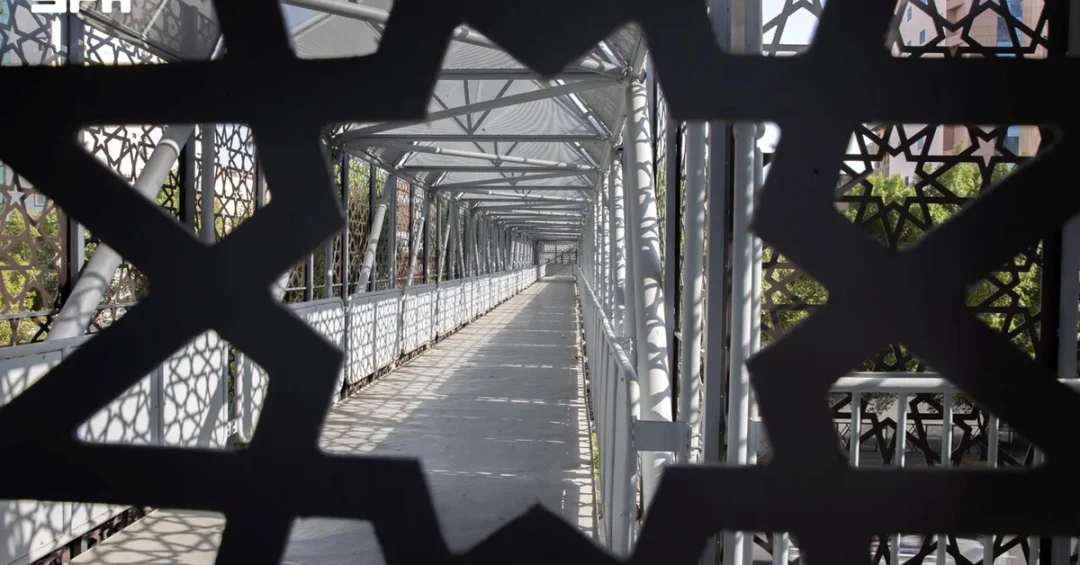
Residents of Makkah are increasingly turning to the city’s traditional architectural style for inspiration when designing homes and villas, reflecting an enduring community connection to its architectural heritage, according to the Saudi Press Agency (SPA). The trend, reported on November 2, 2026, highlights a growing appreciation for features such as wooden rawashin (ornate bay windows) with geometric patterns, architectural arches, ornate wooden doors, mashrabiyas (projected wooden balconies), and internal courtyards. These elements are being revived in contemporary designs, blending heritage with modern living requirements. The movement is not merely aesthetic; it represents a cultural renaissance in the Holy City, where rapid urban expansion is met with a desire to preserve identity. As Makkah continues to develop under Saudi Vision 2030, the integration of traditional architecture into new homes signals a harmonious balance between progress and heritage.
Have you ever wondered how a city can grow while keeping its soul intact? Makkah, the holiest city in Islam, is answering that question through its residential architecture. The SPA report indicates that more residents are opting for designs that echo the past, creating a sense of continuity amid modernization. This shift is supported by architecture enthusiasts who see it as a way to maintain the city’s urban identity. With the Kingdom’s Vision 2030 emphasizing cultural preservation alongside economic diversification, the revival of Makkah’s architectural style is a tangible expression of that dual commitment. It also reflects a global trend where communities seek to reconnect with their roots in the face of globalization.
Context and Background
What makes Makkah’s traditional architecture so distinctive? Historically, the city’s homes were designed to cope with the harsh desert climate while providing privacy and communal spaces. The rawashin, with their intricate wooden latticework, allowed airflow and filtered sunlight, while mashrabiyas offered shaded balconies for relaxation. Internal courtyards served as private open-air family areas, promoting natural ventilation and social interaction. These features were not just functional; they were expressions of cultural values such as hospitality, modesty, and family centrality. Over the decades, as modern construction methods spread, many of these elements were abandoned in favor of concrete and glass structures. However, the recent revival, as reported by SPA, suggests a renewed appreciation for the wisdom embedded in traditional design.
The SPA report, released on November 2, 2026, underscores that this trend is gaining momentum. It is not limited to a few nostalgic individuals but is becoming a broader movement among residents and architects. The report notes that some contemporary designs are reviving the internal courtyard, a key feature of traditional Makkah homes, providing an open family space at the center of the house that balances privacy with natural ventilation. This aligns with a global architectural shift toward sustainable, climate-responsive buildings. In Makkah, where temperatures can soar, the passive cooling techniques of the past are being rediscovered as cost-effective and environmentally friendly alternatives to energy-intensive air conditioning. The movement is also supported by local authorities and heritage organizations that recognize the value of preserving the city’s architectural legacy.
Why does this matter now? Makkah is undergoing unprecedented urban development to accommodate millions of pilgrims and residents. The expansion of the Grand Mosque and surrounding infrastructure has transformed the cityscape. In this context, the revival of traditional architecture serves as a counterbalance, ensuring that the Holy City retains its unique character. The SPA report highlights that architecture and heritage enthusiasts believe reviving the Makkah architectural style is one way to preserve the city’s urban identity, particularly amid rapid urban expansion and the growing diversity of modern construction styles. This sentiment resonates with the broader Saudi Vision 2030 goal of celebrating national heritage while building a modern, diversified economy.
Key Details
What specific elements are making a comeback? According to the SPA report, the most prominent features include wooden rawashin featuring geometric patterns, architectural arches, ornate wooden doors, mashrabiyas, and internal courtyards. These elements are being incorporated into new homes and villas, often with a modern twist. For instance, while the exterior may mimic the look of old Makkah houses, the interior may feature contemporary engineering solutions for space planning, lighting, thermal insulation, and air conditioning systems. This hybrid approach meets modern comfort and sustainability requirements without compromising the building’s visual identity. The report notes that some architecture enthusiasts are combining heritage elements with modern technologies, creating homes that are both nostalgic and forward-looking.
The internal courtyard, in particular, is experiencing a revival. Traditionally, it was the heart of the home, providing a private outdoor space for families. In contemporary designs, it is being reimagined as a central atrium that brings natural light and ventilation into the house. This not only reduces reliance on artificial cooling but also creates a serene family area. The SPA report emphasizes that this feature balances privacy with natural ventilation, a crucial consideration in a city where homes are often densely packed. By reintroducing courtyards, architects are addressing both environmental and social needs, fostering a sense of community within the household.
Another key detail is the use of local materials and craftsmanship. The revival of traditional architecture is stimulating demand for skilled artisans who can create intricate woodwork, carved doors, and geometric patterns. This supports local employment and keeps traditional crafts alive. The SPA report does not specify the scale of this economic impact, but it implies that the trend is contributing to a broader cultural and economic ecosystem. Furthermore, the integration of modern technologies such as smart home systems and energy-efficient insulation demonstrates that tradition and innovation can coexist. This approach aligns with Vision 2030’s emphasis on sustainability and quality of life.
International and Regional Impact
How does Makkah’s architectural revival resonate beyond Saudi Arabia? The city is a focal point for Muslims worldwide, and its urban development is closely watched. The trend toward traditional design could influence architecture in other Islamic cities, offering a model for balancing heritage with modernity. The SPA report does not explicitly mention international reactions, but the principles of climate-responsive design and cultural preservation are universal. As global cities grapple with identity loss due to homogenized construction, Makkah’s example could inspire similar movements in the region and beyond. It also reinforces Saudi Arabia’s role as a custodian of Islamic heritage, a key aspect of its soft power.
Regionally, the revival aligns with efforts in other Gulf countries to preserve traditional architecture. However, Makkah’s unique status gives its movement special significance. The city’s architecture is intertwined with religious and cultural identity, making its preservation a matter of spiritual as well as aesthetic importance. The SPA report highlights that the trend is driven by residents themselves, indicating a grassroots demand for heritage. This bottom-up approach could be more sustainable than top-down mandates. It also complements Saudi Arabia’s broader tourism strategy, which aims to attract visitors interested in cultural and religious experiences. By maintaining its architectural identity, Makkah enhances its appeal as a destination that offers authenticity alongside modern amenities.
Economic and Strategic Significance
What are the economic implications of this architectural shift? The revival of traditional features creates demand for specialized skills and materials, potentially boosting local businesses. Artisans, carpenters, and craftsmen who specialize in woodwork and stone carving could see increased opportunities. The SPA report does not provide specific figures, but the trend suggests a growing market for heritage-inspired construction. This aligns with Vision 2030’s goal of diversifying the economy and creating jobs for Saudi citizens. Additionally, homes that incorporate passive cooling and natural ventilation can reduce energy consumption, leading to long-term cost savings for residents and a lower carbon footprint for the city.
Strategically, the preservation of Makkah’s architectural identity supports the Kingdom’s cultural diplomacy. As Saudi Arabia opens up to international tourists and investors, showcasing a unique urban heritage strengthens its brand as a country that values its roots while embracing the future. The SPA report notes that the trend is particularly important amid rapid urban expansion and the growing diversity of modern construction styles. By promoting traditional architecture, Makkah can avoid the pitfalls of unchecked development that often erases local character. This is crucial for maintaining the city’s spiritual ambiance, which is a key asset for religious tourism. Moreover, the integration of modern technologies ensures that these homes meet contemporary standards, making them attractive to a new generation of residents.
Vision 2030 Alignment
How does this trend align with Saudi Vision 2030? Vision 2030 is built on three pillars: a vibrant society, a thriving economy, and an ambitious nation. The revival of Makkah’s architectural heritage directly supports the first pillar by preserving cultural identity and enhancing quality of life. It also contributes to the second pillar by stimulating local crafts and sustainable construction practices. The SPA report underscores that architecture enthusiasts see this as a way to preserve the city’s urban identity, which is essential for a vibrant society. Furthermore, the trend reflects the ambitious nation pillar by demonstrating how tradition and innovation can be harnessed to create a unique modern Saudi Arabia.
In conclusion, the return of Makkah’s heritage to home designs is more than a passing fad. It is a movement that celebrates the past while building for the future. As the SPA report indicates, residents are increasingly inspired by traditional architectural styles, blending them with modern technologies to create homes that are both beautiful and functional. This approach not only preserves the Holy City’s identity but also sets an example for sustainable urban development. Under the leadership of the Kingdom’s Vision 2030, Makkah is showing the world that progress and heritage can go hand in hand. The trend promises to enrich the lives of residents and visitors alike, ensuring that Makkah remains a city of timeless beauty and spiritual significance.
20 Questions
Q1. What is driving the revival of traditional architecture in Makkah?
A1. According to the Saudi Press Agency, more residents are turning to traditional styles to preserve the city’s architectural heritage and urban identity amid rapid modernization. This reflects a community desire to maintain cultural connections while embracing contemporary living standards.
Q2. What are rawashin and how are they used in modern Makkah homes?
A2. Rawashin are ornate wooden bay windows with geometric patterns. In modern designs, they are incorporated as decorative and functional elements, often with modern glazing and insulation, to maintain aesthetic appeal while meeting contemporary comfort requirements.
Q3. Why are internal courtyards making a comeback in Makkah?
A3. Internal courtyards provide an open family space at the center of the house, balancing privacy with natural ventilation. They are being revived to reduce energy consumption and create a serene environment, aligning with sustainable design principles.
Q4. How are modern technologies integrated with traditional designs?
A4. Architects are preserving exterior designs inspired by old Makkah houses while incorporating contemporary engineering solutions for space planning, lighting, thermal insulation, and air conditioning. This hybrid approach ensures comfort and sustainability without compromising visual identity.
Q5. What role does the Saudi Press Agency play in reporting this trend?
A5. The SPA, as the official Saudi news agency, reported on November 2, 2026, that residents are increasingly inspired by traditional architecture. Its coverage highlights the community’s enduring connection to heritage and the movement’s significance.
Q6. How does this trend support Saudi Vision 2030?
A6. It aligns with Vision 2030’s goals of preserving cultural heritage, promoting sustainable development, and enhancing quality of life. It also stimulates local crafts and supports economic diversification by creating demand for skilled artisans.
Q7. What are mashrabiyas and why are they important?
A7. Mashrabiyas are projected wooden balconies with intricate latticework. They provide shade, privacy, and airflow, making them ideal for Makkah’s climate. Their revival reflects a blend of aesthetic and functional considerations in modern home design.
Q8. Are these traditional elements only for aesthetic purposes?
A8. No, they also serve practical functions. Rawashin and mashrabiyas aid ventilation and light control, while courtyards enhance natural cooling. These features contribute to energy efficiency and sustainability, which are key modern priorities.
Q9. How do residents benefit from incorporating heritage elements?
A9. Residents enjoy homes that reflect their cultural identity while benefiting from modern comforts. The blend of tradition and technology can reduce energy costs, improve indoor comfort, and foster a sense of pride in local heritage.
Q10. What challenges might arise in reviving traditional architecture?
A10. Challenges include sourcing skilled artisans and materials, and ensuring that traditional designs meet modern building codes and safety standards. However, the SPA report suggests that enthusiasts are successfully overcoming these by combining heritage with contemporary solutions.
Q11. Is this trend limited to Makkah or spreading to other Saudi cities?
A11. While the SPA report focuses on Makkah, similar trends are emerging in other Saudi cities like Jeddah and Riyadh, where heritage preservation is gaining traction. Makkah’s unique status, however, makes its movement particularly significant.
Q12. How does this trend impact the local economy?
A12. It boosts demand for traditional crafts, creating opportunities for artisans and small businesses. This supports economic diversification and job creation, aligning with Vision 2030’s economic goals.
Q13. What is the significance of preserving Makkah’s urban identity?
A13. Preserving Makkah’s urban identity maintains the city’s spiritual and cultural ambiance, which is vital for residents and millions of pilgrims. It ensures that modernization does not erase the Holy City’s unique character.
Q14. How do modern building codes accommodate traditional designs?
A14. Modern building codes often allow for traditional elements if they meet safety and efficiency standards. Architects use contemporary materials and techniques to adapt features like courtyards and rawashin to comply with regulations.
Q15. What role do architecture enthusiasts play in this revival?
A15. Architecture and heritage enthusiasts advocate for the revival, believing it preserves the city’s identity. They combine heritage elements with modern technologies, demonstrating that tradition and innovation can coexist harmoniously.
Q16. Are there any government initiatives supporting this trend?
A16. While the SPA report does not detail specific initiatives, Saudi Vision 2030 and various heritage preservation programs encourage such trends. Local authorities generally support efforts that align with cultural and sustainability goals.
Q17. How does this trend affect the environment?
A17. Traditional features like courtyards and mashrabiyas enhance natural ventilation and reduce reliance on air conditioning, lowering energy consumption and carbon footprint. This contributes to environmental sustainability.
Q18. What materials are commonly used in these revived designs?
A18. Traditional materials include wood, stone, and clay, often sourced locally. Modern designs may incorporate these with contemporary materials like glass and steel to achieve durability and energy efficiency.
Q19. How can visitors experience Makkah’s traditional architecture?
A19. Visitors can see traditional architecture in heritage districts and older neighborhoods, as well as in new homes that incorporate these elements. The blend of old and new offers a unique cultural experience.
Q20. What does the future hold for Makkah’s architectural identity?
A20. The future looks promising as more residents and architects embrace traditional designs with modern twists. This trend, supported by Vision 2030, ensures that Makkah’s architectural heritage remains vibrant and relevant for generations to come.
Reader Feedback
We value your thoughts. Please share your feedback on this article.
Your feedback helps us improve our coverage.
Related articles
 Jazan Cinema Club Launches Film Accelerator for Filmmakers
 Saudi Calligraphy Center Shines at Algiers Book Fair
 Red Sea Museum in Jeddah Unveils October Cultural Program
 Dhariyah Camel Festival Boosts Qassim Trade
 Two Falcons Fetch SAR382,000 at Saudi Auction
 Wrth Concludes 2026 Camp in Aseer with over 50 Participants