


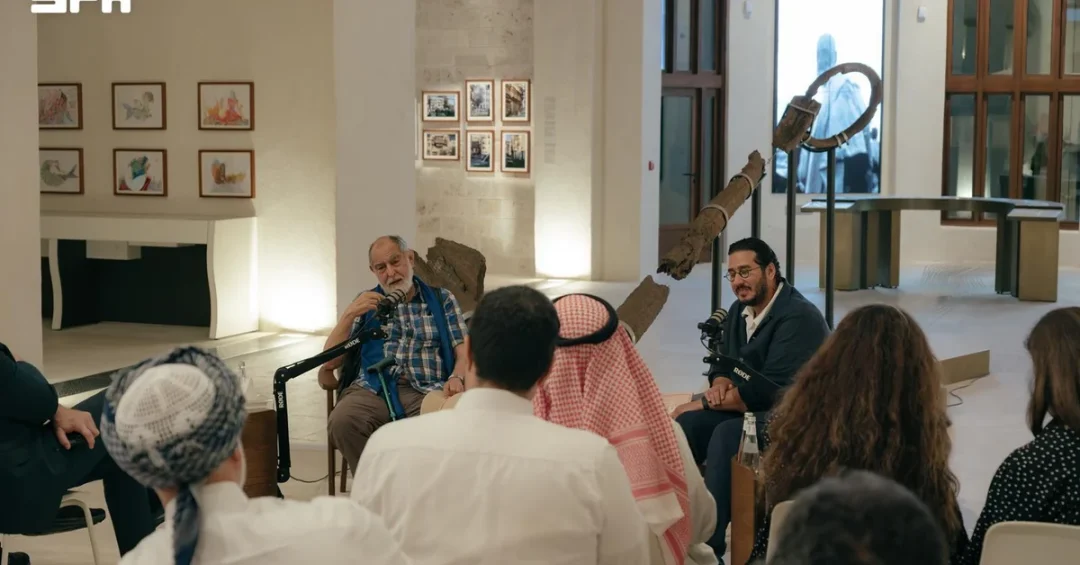
The Red Sea Museum in Historic Jeddah, affiliated with the Museums Commission, presented a diverse cultural program throughout October 2026, combining visual arts, architecture, cinema, culinary workshops, and storytelling for visitors of all ages. The initiative, announced via the Saudi Press Agency, reflects the Kingdom’s broader commitment to preserving and promoting its cultural heritage under Vision 2030. The program featured a panel discussion on the urban characteristics of Historic Jeddah, the ongoing Photographing Distance exhibition, a screening of the documentary The Salt of the Earth, a focaccia-making workshop inspired by the Red Sea environment, and a storytelling session for children on the importance of libraries. These events underscore the museum’s role as a dynamic cultural hub in one of Saudi Arabia’s most historically significant districts. Have you ever considered how a single museum can bridge centuries of heritage with contemporary creativity?
The Red Sea Museum, operating under the Museums Commission, has consistently highlighted the Red Sea’s rich heritage through exhibitions, educational programs, and interactive experiences. October’s lineup was no exception, offering something for every demographic—from architecture enthusiasts to families with young children. By hosting such a multifaceted program, the museum reinforces Jeddah’s status as a cultural gateway to the Kingdom and a key destination for both domestic and international visitors. This aligns with the Museums Commission’s mandate to develop a vibrant museum sector that contributes to national identity and economic diversification. The program also demonstrates how cultural institutions can serve as platforms for dialogue on pressing issues like environmental sustainability and urban preservation. How often do we see a museum successfully cater to such a wide range of interests in a single month?
Context and Background
Historic Jeddah, a UNESCO World Heritage Site since 2014, is renowned for its distinctive coral-stone architecture, narrow alleyways, and centuries-old trading heritage. The Red Sea Museum is situated within this historic district, making it a natural steward of the area’s legacy. The October program’s panel discussion specifically addressed the urban characteristics of Historic Jeddah, exploring the relationship between architecture and both the environment and society. Experts highlighted the importance of preserving architectural and craft heritage, a topic of growing relevance as Saudi Arabia balances modernization with conservation. The Museums Commission, which oversees the museum, has been instrumental in revitalizing cultural spaces across the Kingdom, ensuring they serve as engines for tourism and community engagement. Isn’t it fascinating how historic districts can inform modern urban planning?
The panel discussion brought together architects, historians, and urban planners to examine how Jeddah’s traditional buildings—with their iconic rawashin (wooden lattice windows) and coral-block walls—were designed to withstand the region’s harsh climate while fostering social cohesion. These insights are crucial as Saudi Arabia embarks on ambitious urban development projects, including NEOM and the Red Sea Project, which aim to blend innovation with sustainability. By drawing lessons from the past, contemporary architects can create spaces that are both environmentally responsive and culturally resonant. The museum’s focus on this dialogue positions it as a thought leader in the intersection of heritage and modernity. Could the answers to tomorrow’s urban challenges lie in yesterday’s architectural wisdom?
Moreover, the October program reflects a broader trend in Saudi Arabia’s cultural sector: the integration of education, entertainment, and heritage. The Museums Commission has been expanding its offerings nationwide, from the National Museum in Riyadh to the upcoming museums in AlUla and Diriyah. These institutions are not merely repositories of artifacts; they are dynamic spaces for learning and exchange. The Red Sea Museum’s October events exemplify this approach, offering hands-on workshops, film screenings, and storytelling that appeal to diverse audiences. This strategy not only boosts visitor numbers but also deepens public appreciation for Saudi heritage. How can other cultural institutions learn from this holistic model?
Key Details
One of the standout features of October’s program was the Photographing Distance exhibition, which runs until December 31, 2026. This exhibition showcases photographic and visual works that explore lighthouses as symbols of guidance, passage, and memory. Artists from Saudi Arabia and beyond contributed pieces that meditate on the lighthouse as a metaphor for direction in an ever-changing world. The exhibition’s timing is significant, as it coincides with the Kingdom’s broader efforts to promote maritime heritage and coastal tourism. The Red Sea, with its rich history of navigation and trade, provides a fitting backdrop for such artistic exploration. Have you ever thought of a lighthouse as more than just a navigational aid?
The program also included a screening of the documentary The Salt of the Earth, a film that delves into environmental and humanitarian themes. While the original documentary focuses on a photographer’s journey, the museum’s choice to screen it likely aimed to spark conversations about sustainability and the human impact on natural landscapes—topics that resonate strongly with Saudi Arabia’s environmental initiatives, such as the Saudi Green Initiative. The film’s title itself evokes the Red Sea’s saline waters and the vital role they play in the region’s ecosystem. By presenting this documentary, the museum encouraged viewers to reflect on their relationship with nature. What role can cinema play in raising environmental awareness?
Adding a culinary dimension, the museum hosted a workshop on preparing focaccia with ingredients inspired by the Red Sea environment. This hands-on session allowed participants to engage with local flavors and learn about the region’s culinary traditions. The Red Sea’s coastal areas are known for their unique blend of spices, herbs, and seafood, which have influenced cuisines from Egypt to Yemen. By incorporating these elements into a popular Italian bread, the workshop symbolized cultural exchange and adaptation—a theme that runs through Jeddah’s history as a port city. Participants not only learned a new recipe but also gained insights into how geography shapes gastronomy. Isn’t food one of the most delicious ways to understand a culture?
Finally, the program featured a storytelling session for children focused on the importance of libraries. This event aimed to instill a love for reading and learning in young minds, aligning with Saudi Arabia’s Vision 2030 goals of fostering a knowledge-based society. The session likely used engaging narratives to highlight how libraries serve as community hubs and gateways to knowledge. By targeting children, the museum is nurturing the next generation of cultural ambassadors and lifelong learners. This investment in early education through storytelling is a cornerstone of the Museums Commission’s outreach strategy. How can stories shape a child’s future?
International and Regional Impact
The Red Sea Museum’s October program has significant implications beyond Saudi Arabia’s borders. As the Kingdom positions itself as a global cultural destination, events like these attract international visitors and foster cross-cultural dialogue. The Photographing Distance exhibition, for instance, features artists from various countries, creating a platform for artistic exchange. Similarly, the panel discussion on Historic Jeddah’s urban characteristics drew on international expertise in heritage conservation, reinforcing Saudi Arabia’s role as a leader in preserving cultural heritage. These initiatives align with the Kingdom’s Vision 2030 objective to increase cultural exchange and tourism. By hosting such events, the museum contributes to the Red Sea region’s emergence as a hub for arts and culture. Could this be a model for other heritage sites around the world?
Regionally, the program strengthens ties with neighboring countries that share the Red Sea’s heritage. The culinary workshop, for example, highlighted ingredients and techniques common to Red Sea coastal communities, from Egypt to Sudan to Yemen. This celebration of shared heritage can foster a sense of regional unity and mutual appreciation. Moreover, the museum’s focus on maritime themes—lighthouses, salt, and the sea—resonates with the Red Sea Project, a major tourism development on Saudi Arabia’s west coast. Together, these efforts are transforming the Red Sea into a vibrant cultural and economic corridor. How might such cultural diplomacy shape regional relations?
Economic and Strategic Significance
From an economic standpoint, the Red Sea Museum’s programming supports Saudi Arabia’s diversification goals. Cultural tourism is a key pillar of Vision 2030, which aims to increase the sector’s contribution to GDP and create jobs. By offering diverse, high-quality events, the museum attracts visitors who spend on hospitality, dining, and retail in Historic Jeddah. This, in turn, stimulates local businesses and generates employment opportunities for Saudis. The Museums Commission has been investing in infrastructure and capacity building to ensure that cultural institutions can meet the growing demand. The October program, with its mix of free and ticketed events, likely drew both local and international audiences, boosting the district’s economic vitality. Isn’t it remarkable how culture can drive economic growth?
Strategically, the museum’s activities reinforce Saudi Arabia’s soft power. By showcasing the Kingdom’s rich heritage and modern creativity, it counters stereotypes and presents a nuanced image of the country. The Red Sea Museum, with its focus on the sea’s history and ecology, also underscores Saudi Arabia’s commitment to maritime conservation and sustainable development. This aligns with the Kingdom’s broader environmental goals, including the Saudi Green Initiative and the Middle East Green Initiative. As the world looks to Saudi Arabia for leadership on sustainability, cultural institutions like the Red Sea Museum play a vital role in communicating these values. How can museums become platforms for global dialogue on sustainability?
Vision 2030 Alignment
The Red Sea Museum’s October cultural program is a clear embodiment of Vision 2030’s cultural and tourism objectives. Vision 2030 seeks to preserve Saudi heritage, promote cultural exchange, and enhance quality of life for citizens and residents. By offering a diverse array of events—from architecture panels to children’s storytelling—the museum directly contributes to these goals. It also supports the Museums Commission’s mission to develop a world-class museum sector that reflects the Kingdom’s identity and welcomes the world. As Saudi Arabia continues to invest in cultural infrastructure, the Red Sea Museum stands as a shining example of how heritage can be leveraged for contemporary relevance. Will you be part of this cultural journey?
Looking ahead, the museum’s success in October sets a precedent for future programming. The Museums Commission is likely to build on this momentum, expanding collaborations with international artists, scholars, and institutions. The Red Sea Museum will continue to serve as a beacon of cultural excellence, drawing visitors to Historic Jeddah and enriching the Kingdom’s cultural landscape. Through such initiatives, Saudi Arabia is not only preserving its past but also shaping a vibrant, inclusive future. The October program was more than a series of events; it was a statement of intent—that culture is central to the Kingdom’s ongoing transformation. How will you engage with Saudi Arabia’s cultural renaissance?
20 Questions
Q1. What is the Red Sea Museum?
A1. The Red Sea Museum is a cultural institution located in Historic Jeddah, Saudi Arabia. Affiliated with the Museums Commission, it focuses on highlighting the Red Sea’s heritage through exhibitions, educational programs, and interactive experiences for visitors of all ages.
Q2. What did the museum’s October 2026 program include?
A2. The program featured a panel discussion on Historic Jeddah’s urban characteristics, the Photographing Distance exhibition, a screening of The Salt of the Earth, a focaccia-making workshop, and a storytelling session for children on the importance of libraries.
Q3. What was the focus of the panel discussion?
A3. The panel addressed Historic Jeddah’s urban characteristics, the relationship between architecture and both the environment and society, and the importance of preserving architectural and craft heritage. It brought together experts to explore lessons from the past for modern urban planning.
Q4. What is the Photographing Distance exhibition about?
A4. The exhibition explores lighthouses as symbols of guidance, passage, and memory through photographic and visual works. It runs until December 31, 2026, and features contributions from various artists, reflecting on maritime themes and human navigation.
Q5. Why did the museum screen The Salt of the Earth?
A5. The documentary screening aimed to spark conversations about environmental and humanitarian themes, aligning with Saudi Arabia’s sustainability initiatives like the Saudi Green Initiative. It encouraged viewers to reflect on the human impact on natural landscapes.
Q6. What was the focaccia workshop about?
A6. The workshop taught participants to prepare focaccia using ingredients inspired by the Red Sea environment. It highlighted local flavors and culinary traditions, symbolizing cultural exchange and adaptation rooted in Jeddah’s history as a port city.
Q7. What was the storytelling session for children?
A7. The session focused on the importance of libraries, using engaging narratives to instill a love for reading and learning in young minds. It supported Vision 2030’s goal of fostering a knowledge-based society and nurturing future cultural ambassadors.
Q8. Who oversees the Red Sea Museum?
A8. The museum is affiliated with the Museums Commission, a Saudi government body responsible for developing and promoting the Kingdom’s museum sector. The Commission supports institutions like the Red Sea Museum in delivering high-quality cultural programming.
Q9. Why is Historic Jeddah significant?
A9. Historic Jeddah is a UNESCO World Heritage Site known for its coral-stone architecture and rich trading heritage. It serves as a cultural gateway to Saudi Arabia and a key destination for visitors interested in the Kingdom’s history and traditions.
Q10. How does the October program align with Vision 2030?
A10. The program supports Vision 2030’s cultural and tourism objectives by preserving heritage, promoting cultural exchange, and enhancing quality of life. It also contributes to economic diversification by attracting visitors and stimulating local businesses in Historic Jeddah.
Q11. What was the economic impact of the program?
A11. The program boosted cultural tourism in Historic Jeddah, attracting both local and international visitors. This stimulated spending on hospitality, dining, and retail, supporting job creation and economic growth in line with Vision 2030’s diversification goals.
Q12. How does the museum contribute to Saudi soft power?
A12. By showcasing Saudi heritage and modern creativity, the museum presents a nuanced image of the Kingdom, countering stereotypes. It reinforces Saudi Arabia’s leadership in cultural preservation and sustainability, enhancing its global standing and fostering cross-cultural dialogue.
Q13. What is the Museums Commission?
A13. The Museums Commission is a Saudi government entity established to develop and regulate the Kingdom’s museum sector. It oversees institutions like the Red Sea Museum, ensuring they contribute to national identity, tourism, and cultural education.
Q14. How does the museum engage children?
A14. Through storytelling sessions and educational programs, the museum engages children in learning about heritage, libraries, and culture. These activities aim to cultivate curiosity and a lifelong appreciation for knowledge, supporting Vision 2030’s human development goals.
Q15. What role does the Red Sea play in the museum’s theme?
A15. The Red Sea is central to the museum’s identity, serving as a source of heritage, environmental inspiration, and cultural exchange. Exhibitions and workshops explore maritime themes, coastal traditions, and the sea’s ecological significance.
Q16. How can international visitors benefit from the museum?
A16. International visitors can explore Saudi Arabia’s maritime heritage, engage with contemporary art, and participate in workshops that offer insights into local culture. The museum provides a welcoming space for cross-cultural understanding and discovery.
Q17. What makes the October program unique?
A17. The program’s diversity—spanning architecture, visual arts, cinema, culinary arts, and storytelling—makes it unique. It catered to a wide range of interests and ages, demonstrating the museum’s commitment to inclusive cultural engagement.
Q18. How does the museum preserve architectural heritage?
A18. Through panel discussions and exhibitions, the museum highlights the importance of preserving Historic Jeddah’s architectural and craft heritage. It fosters dialogue on sustainable urban development, drawing lessons from traditional designs for modern applications.
Q19. What future programs can we expect?
A19. The Museums Commission plans to build on October’s success with more collaborative and diverse programming. Future events may include international artist residencies, expanded educational workshops, and thematic exhibitions aligned with Vision 2030.
Q20. How can the public stay informed about museum events?
A20. The public can follow the Museums Commission’s official channels and the Saudi Press Agency for announcements. The Red Sea Museum’s website and social media platforms also provide updates on exhibitions, workshops, and special events.
Reader Feedback
We value your thoughts. Please share your feedback on this article.
Your feedback helps us improve our coverage.
Related articles
 Dhariyah Camel Festival Boosts Qassim Trade
 Two Falcons Fetch SAR382,000 at Saudi Auction
 Wrth Concludes 2026 Camp in Aseer with over 50 Participants
 Zeer: Earthenware Water Jar Preserves Memory of Daily Life in Qassim
 ‘Red Wind, Coral Worlds’: Jeddah’s Artistic Journey
 Jazan’s Marine Mollusk Craft Enriches Fragrance Heritage