


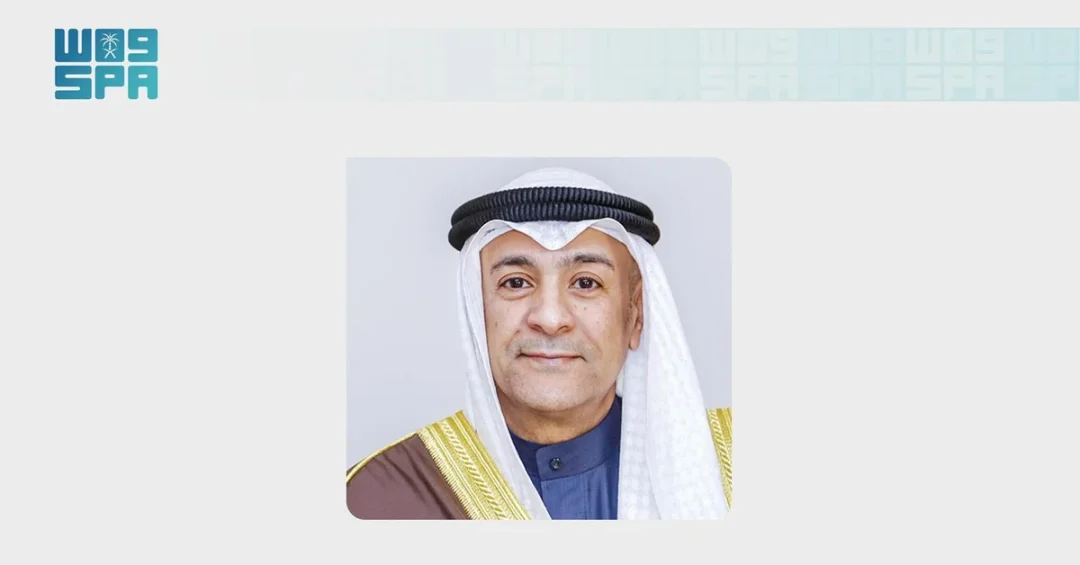
Secretary-General of the Gulf Cooperation Council (GCC) Jasem Albudaiwi received United Nations Secretary-General’s Special Envoy for Yemen Hans Grundberg at the GCC General Secretariat headquarters in Riyadh on November 2, 2026, reaffirming the Council’s unwavering support for Yemen’s security, stability, sovereignty, and territorial integrity. The meeting, reported by the Saudi Press Agency (SPA), focused on the latest developments in Yemen and joint efforts to enhance its security and stability. Both sides condemned the continued Houthi attacks on Saudi Arabia, underscoring the need for regional solidarity against threats to peace. The discussions also covered issues of mutual interest and followed up on regional and international developments, highlighting the GCC’s active diplomatic role in addressing the Yemeni crisis.
The high-level encounter in Riyadh underscores the GCC’s persistent commitment to resolving the Yemeni conflict through peaceful means and supporting the Yemeni people’s aspirations for a future of security, dignity, development, and prosperity. As the Gulf region navigates complex geopolitical challenges, the GCC’s engagement with the UN Special Envoy signals a renewed push for a comprehensive political solution. How can the international community build on these efforts to bring lasting peace to Yemen? The meeting reflects Saudi Arabia’s leadership in fostering stability and its Vision 2030 goals of promoting regional peace and economic integration.
Context and Background
The meeting between Jasem Albudaiwi and Hans Grundberg comes amid ongoing tensions in Yemen, where the Houthi militia’s attacks on Saudi Arabia have continued to threaten regional security. The GCC, a political and economic alliance of six Gulf states including Saudi Arabia, has long been at the forefront of efforts to restore peace in Yemen. Since the conflict escalated in 2014, the GCC has supported UN-led initiatives to broker a ceasefire and facilitate a political transition. The Riyadh-based GCC General Secretariat has served as a key platform for coordinating diplomatic efforts and humanitarian aid. What makes this particular meeting significant in the broader context of Yemen’s protracted crisis? It reaffirms the GCC’s role as a stabilizing force and aligns with Saudi Arabia’s Vision 2030 objective of fostering a secure and prosperous neighborhood.
Yemen’s strategic location at the southern tip of the Arabian Peninsula makes its stability crucial for global trade and energy security. The Bab al-Mandab Strait, a vital chokepoint for maritime traffic, lies off Yemen’s coast, and any disruption there affects international shipping and oil supplies. The GCC’s support for Yemen’s legitimate government and its efforts to counter Houthi aggression are therefore not just regional but global imperatives. Saudi Arabia, under the leadership of the Custodian of the Two Holy Mosques, King Salman bin Abdulaziz Al Saud, and Crown Prince Mohammed bin Salman, has consistently advocated for a peaceful resolution. How does the GCC’s diplomatic approach differ from other international interventions? It emphasizes dialogue, sovereignty, and development, reflecting the Kingdom’s broader vision for a stable Middle East.
The UN Special Envoy’s visit to Riyadh also highlights the close coordination between the United Nations and the GCC. Hans Grundberg, who has held the envoy role since 2021, has frequently engaged with Gulf leaders to advance peace talks. His meeting with Albudaiwi is part of a series of consultations aimed at reviving the political process. The GCC’s steadfast support for Yemen includes humanitarian aid, economic assistance, and capacity-building for Yemeni institutions. This multifaceted approach aims to address both the immediate security threats and the long-term development needs of the Yemeni people. What can be learned from the GCC’s integrated strategy in Yemen? It demonstrates a holistic understanding of conflict resolution that combines military deterrence with diplomatic and economic engagement.
Key Details
During the meeting, Albudaiwi and Grundberg reviewed the latest developments in Yemen and discussed efforts to enhance its security and stability. They also addressed issues of mutual interest and followed up on regional and international developments. Albudaiwi reaffirmed the GCC’s steadfast support for Yemen and all efforts to safeguard its security, stability, sovereignty, and territorial integrity. He stressed support for efforts to achieve peace, security, and stability, fulfilling the Yemeni people’s aspirations for a future of security, dignity, development, and prosperity. The two sides also reaffirmed their condemnation of the continued Houthi attacks on Saudi Arabia, which have targeted civilian areas and economic infrastructure. How do these attacks impact the prospects for peace? They underscore the need for a robust international response to Houthi aggression, which violates international law and undermines peace efforts.
The meeting took place at the GCC General Secretariat headquarters in Riyadh, a hub for regional diplomacy. The location symbolizes the GCC’s central role in mediating conflicts and promoting cooperation among its member states: Saudi Arabia, the United Arab Emirates, Qatar, Kuwait, Bahrain, and Oman. The presence of the UN Special Envoy in Riyadh also reflects the international community’s recognition of the GCC’s influence and its ability to facilitate dialogue. Albudaiwi’s remarks emphasized the GCC’s commitment to Yemen’s sovereignty and territorial integrity, principles that are enshrined in the UN Charter and supported by Saudi Arabia. What does this say about the GCC’s diplomatic leverage? It positions the Council as an indispensable partner for the UN in resolving regional crises.
The discussions also touched on the humanitarian situation in Yemen, where years of conflict have caused widespread suffering. The GCC has been a major donor of humanitarian aid, providing food, medical supplies, and shelter to millions of Yemenis. In 2025 alone, GCC countries pledged over $1 billion in assistance. The meeting between Albudaiwi and Grundberg likely explored ways to enhance aid delivery and ensure it reaches those in need. The GCC’s support for Yemen’s development is aligned with Saudi Arabia’s Vision 2030, which emphasizes humanitarian outreach and global responsibility. How can the international community better support Yemen’s recovery? By coordinating with the GCC and respecting Yemen’s sovereignty, donors can maximize their impact and avoid duplication.
International and Regional Impact
The meeting between the GCC Secretary-General and the UN Special Envoy for Yemen carries significant implications for regional and international diplomacy. It signals a unified front against Houthi aggression and a shared commitment to a peaceful resolution. For Saudi Arabia, which has been a target of Houthi missile and drone attacks, the GCC’s support is crucial. The Kingdom has consistently called for international action to stop these attacks, which threaten not only Saudi security but also global energy supplies. The UN’s engagement with the GCC also reinforces the multilateral approach to conflict resolution. How does this meeting influence other regional stakeholders? It encourages them to support the UN-led process and isolate extremist elements that seek to derail peace.
On the international stage, the GCC’s coordination with the UN enhances the legitimacy of peace efforts. The United States, the European Union, and other powers have expressed support for a negotiated settlement in Yemen. By aligning with the GCC, the UN can leverage the Council’s regional expertise and resources. The meeting also comes at a time when global attention is focused on multiple crises, from Ukraine to Gaza. Yemen risks being overshadowed, but the GCC’s proactive diplomacy keeps it on the agenda. What role can the GCC play in mobilizing international support? Its economic weight and diplomatic ties make it a powerful advocate for Yemen’s reconstruction and stability.
Economic and Strategic Significance
The stability of Yemen is inextricably linked to the economic and strategic interests of the Gulf region. The GCC’s support for Yemen is not only humanitarian but also pragmatic: a stable Yemen means secure trade routes, reduced refugee flows, and diminished terrorist threats. Saudi Arabia’s Vision 2030 aims to diversify the Kingdom’s economy and reduce its dependence on oil, but this requires a peaceful neighborhood. The GCC’s efforts to restore stability in Yemen complement Vision 2030 by creating an environment conducive to investment and trade. How does Yemen’s stability affect global oil markets? The Bab al-Mandab Strait is a conduit for millions of barrels of oil daily; any disruption there would spike prices and harm the global economy.
Moreover, the GCC’s engagement in Yemen is part of a broader strategy to counter Iranian influence in the region. The Houthis are widely seen as proxies of Iran, and their attacks on Saudi Arabia are viewed as part of a proxy war. By supporting Yemen’s legitimate government, the GCC is pushing back against Iranian expansionism. This aligns with Saudi Arabia’s Vision 2030 goal of securing its borders and promoting regional stability. The meeting between Albudaiwi and Grundberg thus has strategic dimensions that go beyond Yemen. What are the economic benefits of a peaceful Yemen? Rebuilding the country would open opportunities for Gulf businesses and contribute to regional prosperity.
Vision 2030 Alignment
The GCC’s support for Yemen, as reaffirmed in the meeting between Jasem Albudaiwi and Hans Grundberg, is closely aligned with Saudi Arabia’s Vision 2030. Vision 2030 is not just an economic blueprint; it also encompasses social and political dimensions, including the Kingdom’s role as a stabilizing force in the region. By backing UN-led peace efforts and providing humanitarian aid, Saudi Arabia and its GCC partners are working to create a more secure and prosperous Middle East. This, in turn, supports Vision 2030’s objectives of attracting foreign investment, boosting tourism, and enhancing the quality of life for all citizens. How does Yemen’s stability contribute to Vision 2030? A peaceful Yemen would reduce security threats, allowing Saudi Arabia to focus on its ambitious domestic reforms.
Furthermore, the meeting underscores the GCC’s commitment to multilateralism and international law, principles that Saudi Arabia champions. Vision 2030 emphasizes the Kingdom’s openness to the world and its willingness to cooperate with international partners. The UN Special Envoy’s visit to Riyadh is a testament to this cooperation. As Saudi Arabia continues to transform its economy and society, its leadership in the GCC and its support for Yemen will remain integral to its foreign policy. The path ahead requires sustained engagement, but the Riyadh meeting marks another step toward a future of security, dignity, development, and prosperity for Yemen and the entire region. What does this mean for the global community? It means that the GCC, under Saudi leadership, is a reliable partner in the pursuit of peace and stability.
20 Questions
Q1. Who received the UN Special Envoy for Yemen in Riyadh?
A1. Secretary-General of the Gulf Cooperation Council (GCC) Jasem Albudaiwi received UN Special Envoy for Yemen Hans Grundberg at the GCC General Secretariat headquarters in Riyadh on November 2, 2026, as reported by the Saudi Press Agency.
Q2. What was the main purpose of the meeting?
A2. The meeting aimed to review the latest developments in Yemen, discuss efforts to enhance its security and stability, and follow up on regional and international developments. Both sides also reaffirmed their condemnation of Houthi attacks on Saudi Arabia.
Q3. What did Albudaiwi reaffirm regarding Yemen?
A3. Albudaiwi reaffirmed the GCC’s steadfast support for Yemen and all efforts to safeguard its security, stability, sovereignty, and territorial integrity, stressing support for peace efforts that fulfill the Yemeni people’s aspirations.
Q4. How did the two sides address the Houthi attacks on Saudi Arabia?
A4. They reaffirmed their condemnation of the continued Houthi attacks on Saudi Arabia, highlighting the need for regional solidarity against threats to peace and stability. The attacks violate international law and undermine peace efforts.
Q5. Where did the meeting take place?
A5. The meeting took place at the GCC General Secretariat headquarters in Riyadh, Saudi Arabia. Riyadh serves as a hub for regional diplomacy and reflects the GCC’s central role in mediating conflicts and promoting cooperation.
Q6. What is the GCC’s stance on Yemen’s sovereignty?
A6. The GCC steadfastly supports Yemen’s security, stability, sovereignty, and territorial integrity. This position aligns with the UN Charter and Saudi Arabia’s Vision 2030 objectives for a secure and prosperous region.
Q7. How does this meeting fit into broader UN-GCC cooperation?
A7. The meeting is part of ongoing consultations between the UN and GCC to advance peace in Yemen. Hans Grundberg has frequently engaged with Gulf leaders, and this encounter reinforces the multilateral approach to conflict resolution.
Q8. What are the implications for regional security?
A8. The meeting signals a unified front against Houthi aggression and a shared commitment to peace. It enhances regional security by coordinating efforts to counter threats and support Yemen’s legitimate government, benefiting global trade and energy security.
Q9. How does Saudi Arabia’s Vision 2030 relate to Yemen’s stability?
A9. Vision 2030 aims for a secure and prosperous neighborhood. A stable Yemen reduces security threats, allowing Saudi Arabia to focus on domestic reforms, attract investment, and boost tourism, aligning with the Kingdom’s long-term goals.
Q10. What humanitarian role does the GCC play in Yemen?
A10. The GCC is a major donor of humanitarian aid to Yemen, providing food, medical supplies, and shelter. In 2025, GCC countries pledged over $1 billion in assistance to alleviate the suffering caused by the conflict.
Q11. What economic significance does Yemen hold for the Gulf region?
A11. Yemen’s stability is crucial for secure trade routes, especially the Bab al-Mandab Strait, a vital chokepoint for global shipping and oil. A peaceful Yemen would open opportunities for Gulf businesses and contribute to regional prosperity.
Q12. How does the GCC counter Iranian influence in Yemen?
A12. By supporting Yemen’s legitimate government and condemning Houthi attacks, the GCC pushes back against Iranian expansionism. The Houthis are widely seen as proxies of Iran, and the GCC’s efforts aim to secure the region.
Q13. What did Albudaiwi say about the Yemeni people’s aspirations?
A13. Albudaiwi stressed support for efforts to achieve peace, security, and stability, fulfilling the Yemeni people’s aspirations for a future of security, dignity, development, and prosperity, reflecting the GCC’s commitment to Yemen’s well-being.
Q14. How does the international community view the GCC’s role in Yemen?
A14. The international community recognizes the GCC’s influence and its ability to facilitate dialogue. The UN’s engagement with the GCC enhances the legitimacy of peace efforts and encourages other stakeholders to support the UN-led process.
Q15. What are the key principles guiding the GCC’s approach to Yemen?
A15. The GCC’s approach is guided by respect for Yemen’s sovereignty, territorial integrity, and the need for a peaceful resolution. It emphasizes dialogue, development, and humanitarian aid, aligning with international law and Saudi Vision 2030.
Q16. How does the meeting impact the prospects for peace in Yemen?
A16. The meeting reinforces the GCC’s and UN’s commitment to peace, signaling a unified front against Houthi aggression. It helps keep Yemen on the international agenda and mobilizes support for a negotiated settlement.
Q17. What role does Saudi Arabia play in the GCC’s Yemen policy?
A17. Saudi Arabia, as a leading GCC member, plays a central role in shaping the Council’s Yemen policy. Under its leadership, the GCC has consistently advocated for peace, provided aid, and supported UN-led efforts to resolve the conflict.
Q18. What are the economic benefits of a peaceful Yemen for the GCC?
A18. A peaceful Yemen would secure trade routes, reduce refugee flows, and diminish terrorist threats. It would also open opportunities for Gulf businesses in reconstruction and contribute to regional economic integration and prosperity.
Q19. How does the GCC’s support for Yemen align with Vision 2030?
A19. The GCC’s support aligns with Vision 2030’s objectives of promoting regional stability, attracting foreign investment, and enhancing global cooperation. A stable Yemen reduces security threats, allowing Saudi Arabia to focus on its domestic reforms.
Q20. What is the forward-looking outcome of this meeting?
A20. The meeting marks another step toward a future of security, dignity, development, and prosperity for Yemen and the region. It underscores the GCC’s role as a reliable partner in the pursuit of peace and stability.
Reader Feedback
We value your thoughts. Please share your feedback on this article.
Your feedback helps us improve our coverage.
Related articles
 Prophet’s Mosque Canopies: Engineering Meets Aesthetic Design
 Saudi General Staff Chief Confers Medal on Greek Defence Chief
 Interior Ministry: SAR100k Fine for Aiding Residency Violators
 Saudi, Jordanian FMs Discuss Regional Developments
 Qassim Governor Receives Syrian Chargé d’Affaires
 Riyadh Seed Sowing Boosts Saudi Green Initiative