


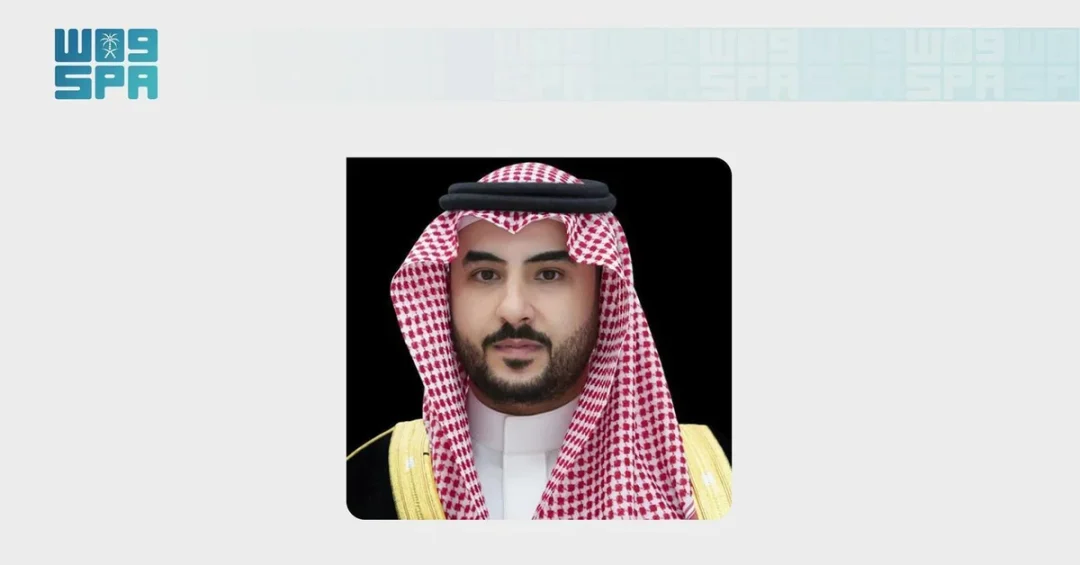
Saudi Minister of Defense Prince Khalid bin Salman bin Abdulaziz held a phone call with United States Secretary of War Pete Hegseth on November 3, 2026, to review strategic defense cooperation and address the continued terrorist attacks by the Houthi militia on the Kingdom, as confirmed by the Saudi Press Agency. The conversation underscored the enduring strength of Saudi-American defense ties and the shared commitment to regional stability. During the call, the two officials discussed ways to enhance bilateral military coordination and explored pathways to de-escalate tensions across the Middle East. The Saudi Defense Minister reaffirmed the Kingdom’s right to defend its territory and people against repeated Houthi aggression, while Secretary Hegseth expressed Washington’s support for Saudi security and the importance of joint efforts to counter terrorist threats.
This high-level engagement comes at a critical juncture for regional security. The Houthi militia, backed by external actors, has persistently targeted Saudi civilian infrastructure and economic assets, undermining peace efforts and threatening global energy supplies. The phone call between Prince Khalid bin Salman and Secretary Pete Hegseth signals a renewed push for diplomatic and military coordination to address these challenges. It also reflects the broader strategic partnership between Riyadh and Washington, which has been a cornerstone of stability in the Gulf for decades. As the Kingdom continues its ambitious Vision 2030 transformation, such international cooperation is vital to safeguarding the security environment necessary for economic growth and social progress.
Context and Background
Why does this phone call matter now, and what does it reveal about the evolving security landscape in the Middle East? The Houthi militia’s attacks on Saudi Arabia have intensified in recent months, targeting airports, oil facilities, and civilian areas. These acts of terrorism not only violate international law but also disrupt the Kingdom’s development agenda and threaten the stability of global energy markets. The Saudi Ministry of Defense has consistently documented these violations and called for a unified international response. In this context, the call between Prince Khalid bin Salman and Secretary Hegseth represents a timely reaffirmation of the U.S.-Saudi security alliance, which remains essential for deterring further aggression and promoting de-escalation.
The relationship between Saudi Arabia and the United States has deep historical roots, spanning decades of cooperation in defense, counterterrorism, and economic affairs. The two nations have worked together to combat extremist groups, secure maritime routes, and maintain a balance of power in the region. Under the leadership of Custodian of the Two Holy Mosques King Salman bin Abdulaziz Al Saud and Crown Prince Mohammed bin Salman, the Kingdom has pursued a proactive foreign policy that prioritizes peace and stability while defending its sovereignty. The November 3 call builds on this legacy, highlighting the mutual commitment to addressing shared threats through dialogue and strategic coordination. It also aligns with Saudi Arabia’s broader efforts to de-escalate regional tensions, as seen in recent diplomatic initiatives.
Moreover, the Houthi attacks are not isolated incidents but part of a pattern of aggression that has destabilized Yemen and the wider region. The militia’s actions have exacerbated the humanitarian crisis in Yemen and undermined UN-led peace efforts. Saudi Arabia has consistently supported a political solution to the Yemeni conflict, hosting numerous rounds of negotiations and providing humanitarian aid to the Yemeni people. The phone call between Prince Khalid bin Salman and Secretary Hegseth thus reinforces the Kingdom’s dual approach: robust defense against terrorism and a commitment to peaceful resolution. By coordinating with the United States, Saudi Arabia aims to apply pressure on the Houthis and their backers to cease hostilities and return to the negotiating table.
Key Details of the Call
What exactly was discussed during this high-level conversation, and how does it translate into actionable outcomes? According to the Saudi Press Agency, Minister of Defense Prince Khalid bin Salman and U.S. Secretary of War Pete Hegseth reviewed prospects for strategic defense cooperation between their countries. This includes potential joint military exercises, intelligence sharing, and capacity-building initiatives to enhance Saudi Arabia’s defensive capabilities. They also delved into regional and international developments, with a particular focus on efforts to de-escalate tensions. The Houthi militia’s continued attacks on Saudi Arabia were a central topic, with both officials condemning these acts of terrorism and discussing measures to counter them.
Secretary Hegseth reaffirmed the United States’ commitment to Saudi Arabia’s security and praised the Kingdom’s role in promoting regional stability. He acknowledged the sacrifices made by Saudi forces in defending their homeland and expressed solidarity with the Saudi people. In response, Prince Khalid bin Salman emphasized the importance of a unified international stance against the Houthi threat, calling for greater coordination among allies to deter further aggression. The two leaders agreed to maintain close communication and to work together on initiatives that support peace and security in the region. This call is part of a series of engagements between Saudi and American officials, reflecting the depth of the bilateral relationship.
The details of the call also touch upon broader strategic priorities, such as maritime security in the Red Sea and the Gulf of Aden. The Houthis have repeatedly attacked commercial vessels and threatened navigation, which affects global trade and energy supplies. Saudi Arabia, with its strategic location and significant oil exports, has a vital interest in ensuring freedom of navigation. The United States, as a global power, shares this interest and has cooperated with Saudi Arabia in naval patrols and counter-piracy operations. The phone call thus covered ways to enhance maritime security cooperation, including joint patrols and information sharing. These measures are critical for protecting international shipping lanes and ensuring the uninterrupted flow of energy resources to world markets.
International and Regional Impact
How will this dialogue influence the broader geopolitical landscape, and what signals does it send to other actors? The Saudi-American phone call sends a clear message that the two nations remain united against terrorism and are committed to de-escalation. It also puts the Houthis and their external sponsors on notice that their actions will not go unchallenged. Regionally, the call reassures Gulf Cooperation Council (GCC) allies that Saudi Arabia and the United States are aligned in their security approach. This unity is crucial for maintaining the balance of power and preventing further destabilization. Furthermore, it reinforces the international consensus that the Houthi militia must cease its attacks and engage in peaceful dialogue.
On the global stage, the call underscores the importance of multilateral cooperation in addressing security challenges. The United States and Saudi Arabia have long been partners in counterterrorism, and this collaboration serves as a model for other nations. By working together, they can mobilize broader international support for efforts to counter the Houthi threat and promote peace in Yemen. The call also highlights Saudi Arabia’s growing role as a diplomatic heavyweight, capable of bridging differences and fostering dialogue. This is consistent with the Kingdom’s Vision 2030, which seeks to position Saudi Arabia as a leader in global affairs and a hub for international cooperation.
Economic and Strategic Significance
Why is this defense cooperation economically significant, and how does it relate to Saudi Arabia’s strategic interests? The Houthi attacks pose a direct threat to Saudi Arabia’s economic infrastructure, particularly its oil facilities and ports. Any disruption to oil production or export routes can have ripple effects on global energy prices and economic stability. By coordinating with the United States on defense, Saudi Arabia aims to protect its critical infrastructure and ensure the continuity of its economic diversification plans under Vision 2030. A secure environment is essential for attracting foreign investment, developing new industries, and creating jobs for Saudi youth. The phone call thus supports the economic pillar of Vision 2030 by safeguarding the Kingdom’s assets and enhancing investor confidence.
Strategically, the U.S.-Saudi partnership is a linchpin of regional security architecture. The two countries share common interests in countering terrorism, preventing the proliferation of weapons of mass destruction, and ensuring freedom of navigation. The call between Prince Khalid bin Salman and Secretary Hegseth reaffirms these shared interests and sets the stage for deeper collaboration in areas such as cyber defense, missile defense, and intelligence. It also aligns with Saudi Arabia’s efforts to build a robust domestic defense industry, as part of Vision 2030’s goal to localize military spending. By partnering with the United States, Saudi Arabia can access advanced technology and expertise, accelerating its defense industrialization and enhancing its strategic autonomy.
Vision 2030 Alignment
How does this defense dialogue align with Saudi Arabia’s long-term vision for prosperity and global engagement? Vision 2030, the Kingdom’s transformative blueprint, aims to diversify the economy, empower citizens, and elevate Saudi Arabia’s standing in the world. A secure and stable environment is a prerequisite for achieving these goals. The phone call between Prince Khalid bin Salman and Secretary Hegseth directly supports Vision 2030 by reinforcing the security cooperation that underpins economic growth and social development. It also showcases Saudi Arabia’s proactive diplomacy and its ability to forge strong international partnerships. As the Kingdom continues to implement Vision 2030, such engagements will be vital for navigating regional challenges and seizing opportunities.
In conclusion, the November 3 phone call between Saudi Minister of Defense Prince Khalid bin Salman bin Abdulaziz and U.S. Secretary of War Pete Hegseth represents a significant step in strengthening bilateral ties and addressing shared security concerns. It reaffirms the two nations’ commitment to countering terrorism, promoting de-escalation, and ensuring regional stability. As Saudi Arabia advances its Vision 2030 agenda, partnerships like this will be instrumental in safeguarding its progress and contributing to global peace. The Kingdom remains steadfast in its pursuit of a prosperous future, fortified by strong alliances and a clear strategic vision.
20 Questions
Q1. Who held the phone call on November 3, 2026?
A1. Saudi Minister of Defense Prince Khalid bin Salman bin Abdulaziz and U.S. Secretary of War Pete Hegseth held the call, as reported by the Saudi Press Agency.
Q2. What was the main purpose of the call?
A2. The call aimed to review strategic defense cooperation and discuss regional de-escalation efforts, particularly concerning Houthi attacks on Saudi Arabia.
Q3. Which militia’s attacks were specifically discussed?
A3. The terrorist Houthi militia’s continued attacks on Saudi Arabia were a central topic, with both officials condemning these acts.
Q4. How did the U.S. Secretary of War respond to the Houthi attacks?
A4. Secretary Hegseth expressed support for Saudi security, condemned the attacks, and reaffirmed the U.S. commitment to the bilateral defense partnership.
Q5. What is the significance of this call for Saudi-U.S. relations?
A5. It reaffirms the enduring strength of the strategic defense alliance and signals continued cooperation on security and counterterrorism.
Q6. What regional developments were discussed?
A6. The officials discussed efforts to de-escalate regional tensions, including the situation in Yemen and maritime security in the Red Sea.
Q7. How does this call align with Saudi Arabia’s Vision 2030?
A7. It supports Vision 2030 by enhancing security, which is essential for economic diversification, investment, and social progress.
Q8. What are the Houthi attacks targeting in Saudi Arabia?
A8. The Houthis have targeted civilian infrastructure, oil facilities, airports, and commercial shipping, threatening economic stability.
Q9. What role does the United States play in Saudi defense?
A9. The U.S. provides military support, intelligence sharing, and joint training to help Saudi Arabia defend its territory against threats.
Q10. How does this call impact regional stability?
A10. It reinforces the U.S.-Saudi partnership, deters further aggression, and supports diplomatic efforts to reduce tensions.
Q11. What economic interests are at stake?
A11. Protecting Saudi oil infrastructure and ensuring freedom of navigation are vital for global energy markets and Saudi economic growth.
Q12. What did Prince Khalid bin Salman emphasize during the call?
A12. He emphasized the need for a unified international stance against Houthi terrorism and Saudi Arabia’s right to defend itself.
Q13. How does this call fit into Saudi Arabia’s foreign policy?
A13. It reflects the Kingdom’s proactive diplomacy, seeking partnerships to promote peace and stability while safeguarding its interests.
Q14. What are the prospects for strategic defense cooperation?
A14. The call explored enhanced cooperation in joint exercises, intelligence sharing, and capacity building to counter shared threats.
Q15. How does the U.S. benefit from this partnership?
A15. The U.S. gains a reliable partner in counterterrorism and regional security, supporting its own strategic interests in the Middle East.
Q16. What message does this call send to the Houthis?
A16. It signals that Saudi Arabia and the U.S. are united against terrorism and will not tolerate attacks on the Kingdom or international shipping.
Q17. How does this call relate to Yemen peace efforts?
A17. It supports UN-led peace initiatives by pressuring the Houthis to cease hostilities and engage in political dialogue.
Q18. What are the next steps following the call?
A18. The officials agreed to maintain close communication and work on concrete initiatives to enhance security and de-escalate tensions.
Q19. How does Saudi Arabia’s defense strategy align with Vision 2030?
A19. Vision 2030 aims to localize defense industries and build strategic autonomy, supported by partnerships like this with the U.S.
Q20. What is the overall significance of this call for Saudi Arabia?
A20. It underscores Saudi Arabia’s strong international alliances, its commitment to security, and its progress toward a prosperous future under Vision 2030.
Reader Feedback
We value your thoughts. Please share your feedback on this article.
Your feedback helps us improve our coverage.
Related articles
 GSTS Month Launches Across Saudi Arabia to Build Security Tech Talent
 Saudi Ambassador to UK, Mawani President Discuss Maritime Cooperation
 Saudi Crown Prince Meets Jordan’s Crown Prince in Riyadh
 Arab Parliament Reaffirms Palestinian Rights
 KSrelief Provides Drinking Water to Displaced Families in Yemen’s Aden
 KSrelief’s Masam Project Clears 2,037 Landmines in Yemen in One Week