


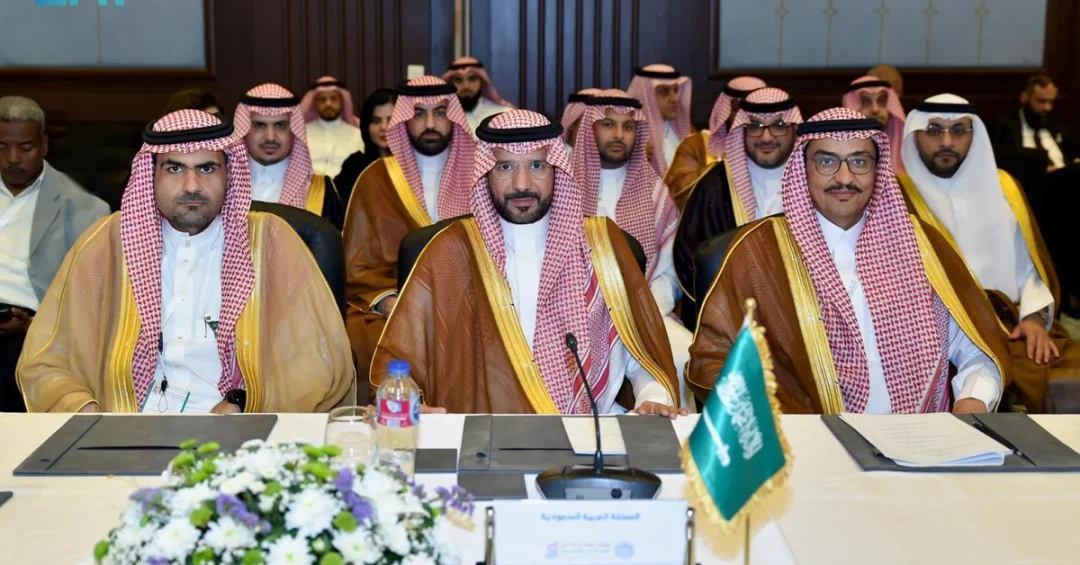
Saudi Arabia has reaffirmed its commitment to advancing joint Arab action in the labor sector by participating in the 51st Session of the Arab Labor Conference, held in Cairo from April 20 to 26, 2025. The Kingdom’s delegation is led by Dr. Abdullah Abuthnain, Vice Minister of Human Resources and Social Development for Labor, underscoring Saudi Arabia’s active role in shaping regional labor policies and fostering trilateral dialogue among governments, employers, and workers. The conference brings together labor ministers and representatives from employers and workers across the Arab Labor Organization’s member states.
As the Arab world navigates profound economic and technological transformations, Saudi Arabia’s engagement in this high-level forum highlights its dedication to sharing best practices and learning from regional peers. The Kingdom’s participation is not merely ceremonial; it reflects a strategic priority to enhance the competitiveness of the Saudi labor market, a cornerstone of the national economic diversification agenda. Under the leadership of the Ministry of Human Resources and Social Development, Saudi Arabia has implemented a series of reforms aimed at empowering citizens, boosting productivity, and creating a dynamic, inclusive workforce. What does this level of regional engagement signal about the Kingdom’s evolving role on the world stage? It demonstrates that Saudi Arabia is not only a participant but a proactive architect of a more integrated and prosperous Arab economic bloc.
Context and Background
The Arab Labor Conference is a flagship event of the Arab Labor Organization, a specialized agency of the League of Arab States that addresses labor and social affairs across the region. Convened annually, the conference serves as a critical platform for member states to deliberate on shared challenges, align policies, and develop coordinated responses to emerging labor market trends. This year’s session, the 51st of its kind, focuses on comprehensive social policies for economic inclusion, economic cluster strategies for sustainable development, and the adaptation of labor legislation to economic and technological shifts. These themes resonate deeply with Saudi Arabia’s own national transformation, as the Kingdom seeks to build a resilient, future-ready economy.
Saudi Arabia has long been a pivotal player in Arab Labor Organization activities, consistently advocating for policies that balance worker protection with economic flexibility. The Ministry of Human Resources and Social Development, under the guidance of Minister Ahmed bin Sulaiman Al-Rajhi, has spearheaded numerous initiatives that align with the conference’s objectives. These include the National Labor Strategy, which aims to increase workforce participation, particularly among women and youth, and to enhance the skills of the national workforce. By participating in the Cairo conference, Saudi Arabia is able to benchmark its progress against regional peers, share its successes, and contribute to the development of a unified Arab approach to labor market challenges. How does such regional cooperation benefit the average Saudi worker? It opens doors to knowledge exchange, harmonized standards, and ultimately a more competitive and dynamic job market that can better withstand global economic shifts.
Key Details
In his address to the conference, Dr. Abdullah Abuthnain outlined the Ministry of Human Resources and Social Development’s ongoing initiatives to develop the Saudi labor market and enhance its local and global competitiveness. He emphasized that these efforts are directly tied to the diversification of the national economy, a key objective of Saudi Vision 2030. Dr. Abuthnain highlighted specific programs such as the Labor Market Strategy, which seeks to create a more attractive environment for both local and foreign investment by streamlining regulations, promoting flexible work arrangements, and investing in human capital development. He also pointed to the significant progress made in increasing the participation of Saudi women in the workforce, a transformation that has exceeded expectations and serves as a model for the region.
The conference agenda includes in-depth discussions on comprehensive social policies that foster economic inclusion, ensuring that the benefits of growth are shared across all segments of society. Another critical topic is the adoption of economic cluster strategies for sustainable development, which involves creating specialized hubs of economic activity that can drive innovation and job creation. Additionally, delegates are examining how labor legislation must evolve to keep pace with rapid technological advancements, such as automation and artificial intelligence, which are reshaping industries worldwide. Saudi Arabia’s delegation is actively contributing to these debates, sharing its experiences with digital transformation in labor services, including the Qiwa platform, which has streamlined labor relations and enhanced transparency.
On the sidelines of the Arab Labor Conference, the Saudi delegation also participated in the 62nd coordination meeting of the Council of Ministers of Labor and Social Affairs of the Gulf Cooperation Council (GCC). This meeting, held in Cairo, brought together labor ministers from the GCC member states to discuss shared interests, recent developments in GCC labor markets, and enhanced cooperation with relevant international and regional organizations. The coordination meeting underscores the strong bonds between Gulf nations and their commitment to aligning their labor policies to support regional economic integration. What can other regions learn from the Gulf’s collaborative approach to labor market governance? The GCC’s model of regular high-level coordination and information sharing offers a blueprint for effective regional cooperation.
International and Regional Impact
Saudi Arabia’s active participation in the 51st Arab Labor Conference carries significant implications for the broader Middle East and North Africa region. As the largest Arab economy and a member of the G20, the Kingdom’s labor market policies have a ripple effect across the region. By championing reforms that enhance competitiveness and inclusivity, Saudi Arabia is setting a benchmark that other Arab states may seek to emulate. The conference provides a platform for the Kingdom to showcase its achievements, such as the dramatic increase in female labor force participation and the reduction of unemployment among Saudi nationals, which are outcomes of targeted Vision 2030 programs. These successes can inspire similar reforms in neighboring countries, fostering a more prosperous and stable regional economy.
Furthermore, the discussions on adapting labor legislation to technological shifts are particularly timely. The Arab world, like the rest of the globe, is grappling with the impact of digitalization on employment. Saudi Arabia’s proactive stance, including its investment in digital infrastructure and skills training, positions it as a leader in preparing its workforce for the future. The Kingdom’s contributions to the conference help shape a collective Arab response that balances innovation with worker protection. How will the outcomes of this conference influence labor policies across the Arab world in the coming years? The shared commitments made in Cairo are likely to accelerate the adoption of flexible, tech-savvy labor frameworks that can drive sustainable growth and create opportunities for the region’s burgeoning youth population.
Economic and Strategic Significance
The economic significance of Saudi Arabia’s involvement in the Arab Labor Conference extends beyond diplomatic goodwill. A competitive and well-regulated labor market is essential for attracting foreign investment, a key pillar of Vision 2030. By aligning its labor policies with regional best practices and international standards, the Kingdom enhances its appeal as a destination for global businesses. The Ministry of Human Resources and Social Development’s efforts to streamline labor regulations, reduce bureaucratic hurdles, and improve dispute resolution mechanisms are all aimed at creating a business-friendly environment. These reforms are already yielding results, as evidenced by Saudi Arabia’s improved rankings in global competitiveness reports and its growing share of foreign direct investment.
Strategically, the conference allows Saudi Arabia to strengthen its ties with other Arab nations and reinforce its leadership role in regional affairs. The Kingdom’s participation in the GCC coordination meeting further solidifies its commitment to Gulf unity and collective action. By working closely with its neighbors, Saudi Arabia can address common challenges such as labor mobility, skills recognition, and the integration of regional labor markets. These efforts are aligned with the broader goals of the Gulf Cooperation Council to achieve economic diversification and sustainable development. What role will Saudi Arabia play in shaping the future of work in the Arab world? As a regional powerhouse and a driving force behind Vision 2030, the Kingdom is well-positioned to lead by example, demonstrating how strategic labor reforms can catalyze economic transformation and improve the quality of life for all citizens.
Vision 2030 Alignment
Saudi Arabia’s participation in the 51st Arab Labor Conference is a direct reflection of the Kingdom’s unwavering commitment to achieving the objectives of Saudi Vision 2030. Vision 2030, launched by Crown Prince Mohammed bin Salman, aims to diversify the economy away from oil, develop public service sectors, and enhance the quality of life for all Saudis. A vibrant and competitive labor market is central to these goals. The Ministry of Human Resources and Social Development has been at the forefront of implementing reforms that increase workforce participation, particularly among women and youth, and that equip Saudi citizens with the skills needed for the jobs of tomorrow. The conference provides an international stage to share these achievements and to learn from the experiences of other Arab nations.
Moreover, the Kingdom’s emphasis on trilateral dialogue—bringing together governments, employers, and workers—mirrors the inclusive approach that underpins Vision 2030. By fostering social dialogue and ensuring that all stakeholders have a voice in shaping labor policies, Saudi Arabia is building a more cohesive and productive society. The discussions in Cairo on social policies for economic inclusion and sustainable development are directly relevant to the Vision 2030 goal of creating a thriving, diversified economy that leaves no one behind. As Saudi Arabia continues to implement its ambitious reform agenda, its active engagement in regional forums like the Arab Labor Conference will remain a vital component of its strategy to build a better future for its people and to contribute to the prosperity of the Arab world.
20 Questions
Q1. What is the 51st Session of the Arab Labor Conference?
A1. The 51st Session of the Arab Labor Conference is a major regional gathering held in Cairo from April 20 to 26, 2025. It brings together labor ministers, employers, and worker representatives from Arab Labor Organization member states to discuss labor policies, economic inclusion, and sustainable development.
Q2. Who is leading Saudi Arabia’s delegation to the conference?
A2. Dr. Abdullah Abuthnain, Vice Minister of Human Resources and Social Development for Labor, is heading the Saudi delegation. His leadership underscores the Kingdom’s commitment to advancing joint Arab initiatives in labor-related fields and fostering trilateral dialogue.
Q3. What are the main topics on the conference agenda?
A3. The agenda includes comprehensive social policies for economic inclusion, economic cluster strategies for sustainable development, and the adaptation of labor legislation to economic and technological shifts. These topics are crucial for addressing current labor market challenges.
Q4. How does Saudi Arabia’s participation benefit the Kingdom?
A4. It allows Saudi Arabia to share its successful labor market reforms, learn from regional peers, and strengthen its role in shaping Arab labor policies. This participation also supports the diversification of the national economy and enhances the competitiveness of the Saudi workforce.
Q5. What is the Arab Labor Organization?
A5. The Arab Labor Organization is a specialized agency of the League of Arab States that focuses on labor and social affairs. It organizes the Arab Labor Conference and works to harmonize labor policies across member states to promote decent work and social justice.
Q6. What did Dr. Abuthnain highlight in his address?
A6. He highlighted the Ministry of Human Resources and Social Development’s initiatives to develop the Saudi labor market, enhance its local and global competitiveness, and support the diversification of the national economy, in line with Saudi Vision 2030.
Q7. What is the GCC coordination meeting held on the sidelines?
A7. The 62nd coordination meeting of the Council of Ministers of Labor and Social Affairs of the Gulf Cooperation Council (GCC) was held alongside the Arab Labor Conference. It brought together GCC labor ministers to discuss shared interests and enhance cooperation.
Q8. How does Saudi Arabia’s labor market reform align with Vision 2030?
A8. Saudi Vision 2030 aims to diversify the economy and improve quality of life. Labor market reforms increase workforce participation, especially among women and youth, and develop skills needed for future jobs, directly supporting these goals.
Q9. What are economic cluster strategies for sustainable development?
A9. These strategies involve creating specialized economic zones or clusters that drive innovation, attract investment, and generate employment. They are designed to foster sustainable growth and are a key topic at the conference.
Q10. Why is adapting labor legislation to technological shifts important?
A10. Technological advancements like automation and AI are transforming industries. Adapting labor laws ensures worker protection, promotes flexibility, and prepares the workforce for new job requirements, which is essential for economic resilience.
Q11. What is the Qiwa platform mentioned in the context?
A11. The Qiwa platform is a Saudi digital initiative that streamlines labor relations, enhances transparency, and improves efficiency in the labor market. It is part of the Ministry’s efforts to modernize services and support businesses and workers.
Q12. How has Saudi Arabia increased female labor force participation?
A12. Through targeted reforms such as removing barriers to women’s employment, improving workplace conditions, and promoting flexible work arrangements. These efforts have led to a significant rise in female participation, exceeding initial targets.
Q13. What is the significance of trilateral dialogue in labor policies?
A13. Trilateral dialogue involves governments, employers, and workers in policymaking. It ensures balanced and inclusive labor policies that consider all stakeholders’ interests, leading to more effective and sustainable outcomes.
Q14. How does the conference address economic inclusion?
A14. The conference discusses comprehensive social policies to ensure that economic growth benefits all segments of society. This includes measures to reduce inequality, create equal opportunities, and support vulnerable groups in the labor market.
Q15. What role does the Ministry of Human Resources and Social Development play?
A15. The Ministry is responsible for developing and implementing Saudi Arabia’s labor policies. It oversees initiatives to enhance workforce skills, regulate labor relations, and improve the business environment, all aimed at achieving Vision 2030 goals.
Q16. What are the expected outcomes of the 51st Arab Labor Conference?
A16. The conference is expected to produce recommendations on social policies, economic clusters, and labor legislation reforms. These outcomes will guide member states in developing more resilient and inclusive labor markets.
Q17. How does Saudi Arabia’s participation reflect its regional leadership?
A17. By actively contributing to discussions and sharing its reform experiences, Saudi Arabia demonstrates leadership and commitment to regional cooperation. It helps shape a unified Arab approach to labor challenges, reinforcing its role as a key player in the region.
Q18. What are the benefits of GCC coordination on labor affairs?
A18. GCC coordination allows member states to align policies, share best practices, and address common challenges such as labor mobility. It promotes economic integration and enhances the region’s competitiveness in the global market.
Q19. How does the conference support sustainable development?
A19. By focusing on economic cluster strategies and social policies, the conference promotes sustainable development that balances economic growth with social welfare and environmental protection, in line with global sustainability goals.
Q20. What is the significance of Saudi Arabia’s labor market competitiveness?
A20. A competitive labor market attracts investment, fosters innovation, and creates jobs. Saudi Arabia’s efforts to enhance competitiveness are vital for economic diversification and for achieving the ambitious targets of Vision 2030.
Reader Feedback
We value your thoughts. Please share your feedback on this article.
Your feedback helps us improve our coverage.
Related articles
 Rain Falls in Madinah: Kingdom’s Preparedness Shines
 Saudi Ambassador to Bulgaria Receives Bulgarian Minister of Economy and Industry
 Saudi Air Defenses Intercept 18 Drones in Eastern Region
 Prophet’s Mosque Imam Urges Pilgrims to Avoid Disputes
 AlUla Showcases Sustainable Biodiversity Model on World Biodiversity Day
 Jazan Marks World Biodiversity Day as Ecological Model