


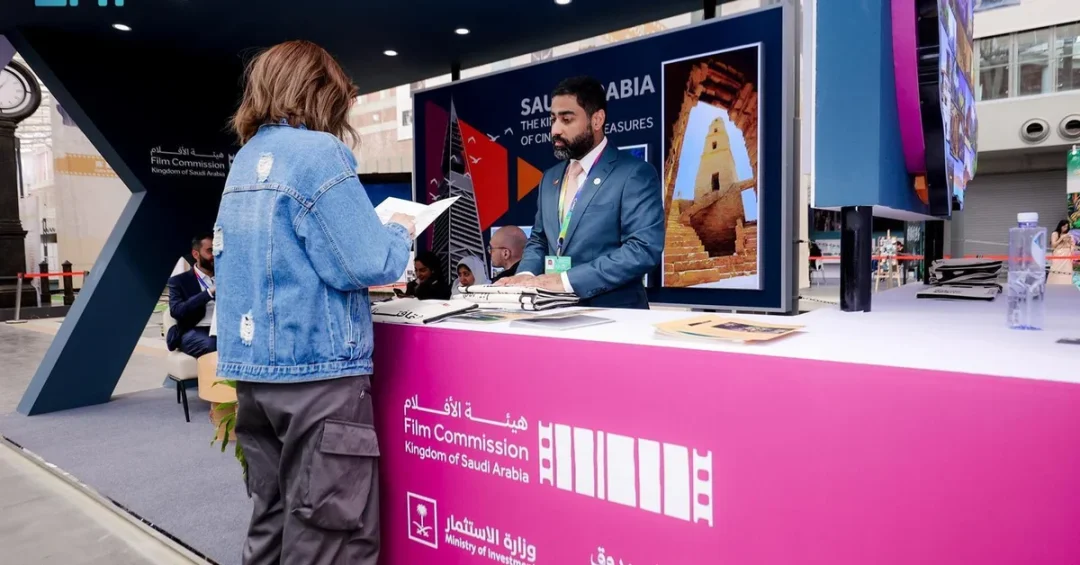
The Cultural Development Fund (CDF) concluded its participation in the 15th Beijing International Film Festival on April 22, 2025, following four days of high-level engagement in the Chinese capital from April 19 to 22. The fund joined leading Saudi film entities at the official Saudi Pavilion, led by the Saudi Film Commission and including the Red Sea Film Foundation, NEOM, and Film AlUla, to showcase the Kingdom’s rapidly expanding film industry to a global audience.
What does it signal when Saudi Arabia’s cultural financiers take center stage at one of Asia’s most influential film events? It signals that the Kingdom is not merely participating in the global creative economy but is actively shaping it. The CDF’s presence in Beijing underscores a strategic push to attract international investment into Saudi film, offering tailored financing and enablement solutions that span the entire filmmaking value chain, from development to distribution. This participation reflects the Kingdom’s broader ambition to become a premier hub for cinematic collaboration and production, a goal that aligns seamlessly with the cultural and economic objectives of Saudi Vision 2030.
Context and Background
Why has the Beijing International Film Festival become such a critical platform for Saudi cultural diplomacy? Founded in 2011, the festival is one of China’s principal cultural events, celebrating global cinematic exchange. The 15th edition, held under the theme “New Quality Films Empowered by Technology,” featured screenings, forums, and industry programs that drew filmmakers, producers, and creative visionaries from across Asia and beyond. For Saudi Arabia, participation in such a prestigious forum is a deliberate step in building bridges with international markets and positioning the Kingdom as a dynamic player in the global film landscape.
The Cultural Development Fund, established to support the growth of Saudi Arabia’s cultural sector, has been instrumental in providing financial and strategic backing to creatives and investors. Its involvement in Beijing follows a series of international engagements aimed at promoting the Kingdom’s film ecosystem. By joining forces with the Saudi Film Commission, the Red Sea Film Foundation, NEOM, and Film AlUla, the CDF presented a unified Saudi front, demonstrating the depth and coherence of the Kingdom’s cinematic ambitions. This collective effort is designed to attract foreign direct investment and foster partnerships that can accelerate the development of a sustainable film industry at home.
How does this participation fit into the larger narrative of Saudi Arabia’s cultural transformation? The Kingdom has been investing heavily in cultural infrastructure, from state-of-the-art production facilities to world-class film festivals. These efforts are not isolated; they are part of a comprehensive strategy to diversify the economy, create jobs, and enhance the quality of life for citizens and residents. The film sector, in particular, is seen as a catalyst for innovation and a bridge between cultures, and the CDF’s role in Beijing exemplifies how Saudi Arabia is leveraging its cultural assets to build global connections.
Key Details of the CDF’s Engagement
What specific offerings did the CDF present to the international film community in Beijing? The fund showcased its tailored financing and enablement solutions designed for entrepreneurs and investors. These solutions cover the entire filmmaking value chain, from script development and production to post-production and distribution. By providing comprehensive support, the CDF aims to de-risk investment and encourage more filmmakers to choose Saudi Arabia as their production base. The fund also highlighted its cultural financing offerings, which are structured to meet the unique needs of creative projects while ensuring commercial viability.
In parallel, the CDF leveraged its presence to cultivate strategic ties with leading figures in the global film industry. Meetings were held with filmmakers, producers, and creative visionaries from Asia and beyond, exploring opportunities for collaboration on future productions. These interactions are expected to lead to joint ventures, co-productions, and knowledge exchange programs that will benefit Saudi talent and expand the Kingdom’s creative footprint. The CDF’s proactive approach in Beijing demonstrates its commitment to not only funding projects but also building a network of international partners who can contribute to the growth of Saudi cinema.
How does the CDF’s participation complement the efforts of other Saudi entities at the festival? The Saudi Pavilion, led by the Saudi Film Commission, served as a central hub for all Saudi film-related activities. The Red Sea Film Foundation, known for its annual festival in Jeddah, promoted its own initiatives and funding opportunities. NEOM, the futuristic mega-project, showcased its state-of-the-art production facilities and incentives for filmmakers. Film AlUla, which has become a sought-after location for international productions, highlighted its unique landscapes and comprehensive production services. Together, these entities presented a cohesive and compelling case for Saudi Arabia as a top destination for filmmaking, with the CDF playing a pivotal role in financing and enabling the entire ecosystem.
International and Regional Impact
What are the broader implications of Saudi Arabia’s growing presence in the global film industry? The Kingdom’s participation in the Beijing International Film Festival is part of a wider strategy to diversify its international partnerships and reduce reliance on traditional markets. By engaging with China and other Asian countries, Saudi Arabia is tapping into a rapidly growing film market and positioning itself as a bridge between East and West. This aligns with the Kingdom’s foreign policy objectives of fostering mutual understanding and economic cooperation. Moreover, the exposure gained at such festivals helps attract international productions to Saudi Arabia, which in turn stimulates local spending, creates jobs, and enhances the transfer of skills and technology.
How does this benefit the regional film landscape? Saudi Arabia’s emergence as a film hub has positive spillover effects for the entire Middle East. As the Kingdom builds its infrastructure and expertise, it can serve as a catalyst for regional collaboration, encouraging more co-productions and sharing of resources. The CDF’s efforts to attract international investment can also benefit neighboring countries by creating a more vibrant and interconnected film market. Furthermore, the success of Saudi filmmakers on the global stage can inspire a new generation of creatives across the region, fostering a sense of cultural pride and economic opportunity.
Economic and Strategic Significance
Why is the film industry considered a strategic economic sector for Saudi Arabia? The film and creative industries are key pillars of Vision 2030’s economic diversification agenda. They contribute to GDP, generate employment, and support the growth of related sectors such as tourism, hospitality, and technology. By investing in film, Saudi Arabia is not only building a new industry but also enhancing its soft power and cultural influence. The CDF’s role in providing financing and enablement solutions is critical to overcoming the initial barriers that often hinder the growth of creative enterprises. Its participation in Beijing is a direct investment in the Kingdom’s economic future, opening doors for international capital and expertise.
What strategic advantages does Saudi Arabia offer to international filmmakers? The Kingdom boasts a diverse range of filming locations, from the ancient ruins of AlUla to the modern cities of Riyadh and Jeddah, and the futuristic landscapes of NEOM. It offers generous financial incentives, including rebates and grants, to qualified productions. The CDF complements these incentives with tailored financing that can be structured to meet the specific needs of each project. Additionally, Saudi Arabia’s strategic location at the crossroads of Europe, Asia, and Africa makes it an ideal base for productions targeting multiple markets. The CDF’s presence in Beijing is a testament to the Kingdom’s commitment to making these advantages known to the world.
Vision 2030 Alignment
How does the CDF’s participation in the Beijing International Film Festival align with the goals of Saudi Vision 2030? Vision 2030 aims to diversify the economy, foster cultural enrichment, and enhance international engagement. The film industry is a prime example of how these goals intersect. By supporting the growth of a vibrant film sector, the CDF is helping to create jobs, attract investment, and promote Saudi culture globally. The fund’s efforts to build international partnerships are directly in line with the Vision’s objective of strengthening the Kingdom’s global standing and fostering mutual understanding. Moreover, the emphasis on technology and innovation at the festival resonates with Vision 2030’s focus on digital transformation and knowledge-based industries.
What does the future hold for Saudi Arabia’s film industry? The Kingdom is poised for significant growth in the coming years, with a pipeline of local and international productions and a growing pool of talented filmmakers. The CDF will continue to play a central role in financing and enabling these projects, ensuring that Saudi Arabia remains a competitive and attractive destination for filmmaking. As the industry matures, it will contribute even more to the Kingdom’s cultural and economic landscape, solidifying its position as a leader in the region and a respected player on the global stage. The successful participation in Beijing is just one of many milestones on this exciting journey.
20 Questions
Q1. What event did the Cultural Development Fund participate in?
A1. The Cultural Development Fund participated in the 15th Beijing International Film Festival, held from April 19 to 22, 2025, in Beijing, China.
Q2. Where was the Saudi Pavilion located?
A2. The Saudi Pavilion was located at the Beijing International Film Festival, led by the Saudi Film Commission and including other Saudi film entities.
Q3. Which Saudi entities joined the CDF at the festival?
A3. The Saudi Film Commission, Red Sea Film Foundation, NEOM, and Film AlUla joined the CDF at the festival.
Q4. What was the main focus of the CDF’s participation?
A4. The main focus was attracting international investment into Saudi Arabia’s film sector by showcasing financing and enablement solutions.
Q5. What types of financing solutions did the CDF offer?
A5. The CDF offered tailored financing and enablement solutions spanning the entire filmmaking value chain, from development to distribution.
Q6. Who did the CDF meet with at the festival?
A6. The CDF met with filmmakers, producers, and creative visionaries from Asia and beyond to cultivate strategic ties.
Q7. When was the Beijing International Film Festival founded?
A7. The Beijing International Film Festival was founded in 2011 and is one of China’s principal cultural events.
Q8. What was the theme of the 15th edition?
A8. The theme was “New Quality Films Empowered by Technology,” featuring screenings, forums, and industry programs.
Q9. How does the CDF’s participation benefit Saudi Arabia?
A9. It helps attract international investment, fosters partnerships, and positions Saudi Arabia as a premier hub for cinematic collaboration.
Q10. What is the Cultural Development Fund?
A10. The CDF is a Saudi fund that supports the growth of the cultural sector by providing financial and strategic backing to creatives and investors.
Q11. How does this align with Vision 2030?
A11. It aligns with Vision 2030’s goals of economic diversification, cultural enrichment, and enhancing international engagement.
Q12. What incentives does Saudi Arabia offer to filmmakers?
A12. Saudi Arabia offers financial incentives such as rebates and grants, plus diverse filming locations and modern production facilities.
Q13. What role does NEOM play in the film industry?
A13. NEOM provides state-of-the-art production facilities and incentives for filmmakers, showcasing its futuristic landscapes.
Q14. What is Film AlUla’s contribution?
A14. Film AlUla offers unique landscapes and comprehensive production services, attracting international productions.
Q15. How does the Red Sea Film Foundation support filmmakers?
A15. The Red Sea Film Foundation promotes initiatives and funding opportunities through its annual festival in Jeddah.
Q16. What is the significance of the Saudi Pavilion?
A16. The Saudi Pavilion served as a central hub for Saudi film entities to showcase the Kingdom’s growing film industry.
Q17. What are the economic benefits of Saudi Arabia’s film industry?
A17. It contributes to GDP, creates jobs, and supports related sectors like tourism, hospitality, and technology.
Q18. How does the CDF support entrepreneurs?
A18. The CDF provides tailored financing and enablement solutions designed to support entrepreneurs and investors in the film sector.
Q19. What future collaborations are expected?
A19. Joint ventures, co-productions, and knowledge exchange programs are expected to benefit Saudi talent and expand creative footprint.
Q20. What is the long-term goal of Saudi Arabia’s film strategy?
A20. The long-term goal is to establish Saudi Arabia as a leading global hub for film production and cultural exchange, driving economic growth.
Reader Feedback
We value your thoughts. Please share your feedback on this article.
Your feedback helps us improve our coverage.
Related articles
 Saudi, Greek Culture Ministers Co-Chair Strategic Partnership Meeting
 Islamic Arts Biennale Highlights Coral’s Role in Saudi Architecture
 King Abdulaziz Public Library Celebrates World Book Day
 Film Commission’s Filmathon Hackathon Concludes in Riyadh
 Islamic Affairs Ministry Joins 29th Muscat International Book Fair
 Saudi Culture Minister Meets Costa Rican Counterpart in Jeddah