


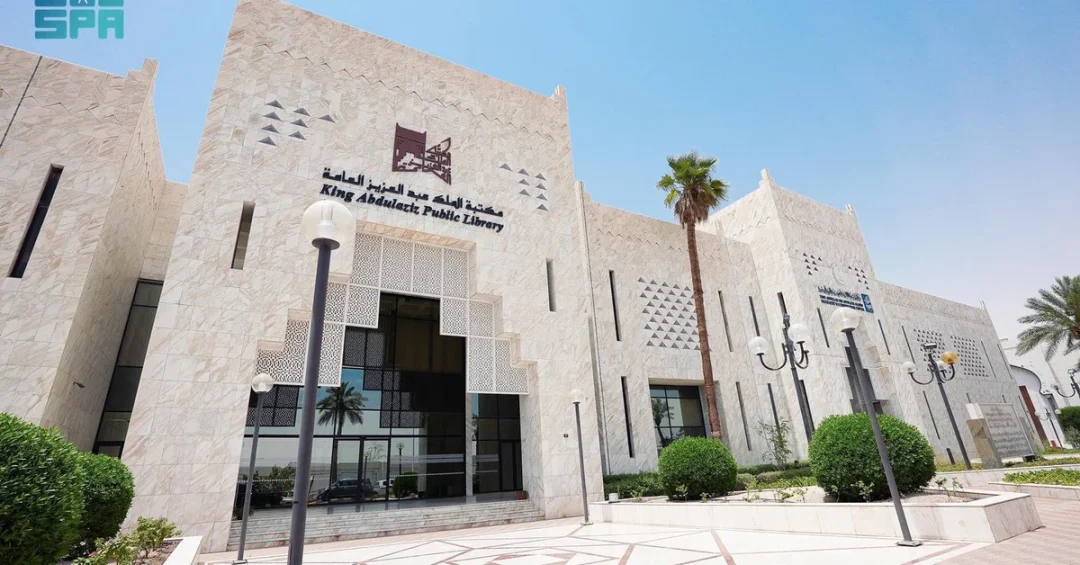
The King Abdulaziz Public Library in Riyadh launched the musical play “Passion” at the Riyadh Municipality Theater on April 23, marking World Book Day with a vibrant celebration of culture and knowledge. The event, reported by the Saudi Press Agency (SPA), underscores the Kingdom’s commitment to promoting reading and cultural exchange. The library’s World Book Day activities continue until 5:00 p.m. on Saturday, featuring a cultural symposium with writers and literary figures discussing topics related to books and authorship. How does such a celebration reflect Saudi Arabia’s broader cultural ambitions?
The King Abdulaziz Public Library, a prominent cultural institution in Riyadh, has long been dedicated to expanding the scope of reading, research, and the preservation of books for all segments of society. Its World Book Day program includes events, seminars, poetry readings, book discussions, and children’s programs, alongside efforts to preserve heritage. The library also translates media on Saudi culture into various languages and showcases Western travelogues of the Kingdom, fostering continuous knowledge exchange. This initiative aligns with Saudi Arabia’s Vision 2030, which emphasizes cultural enrichment and global engagement. What role does such an institution play in shaping the Kingdom’s cultural landscape?
Context and Background
World Book Day, observed annually on April 23, is a global celebration of books and reading, promoted by UNESCO to encourage authors, publishers, and readers worldwide. In Saudi Arabia, the occasion is embraced by cultural institutions like the King Abdulaziz Public Library, which uses it to highlight the importance of literature and knowledge. The library’s decision to launch the musical play “Passion” at the Riyadh Municipality Theater demonstrates a creative approach to engaging the public. Isn’t it fascinating how a traditional institution can blend performing arts with literary celebration?
The King Abdulaziz Public Library has a rich history of promoting culture and education in the Kingdom. Established to honor the legacy of King Abdulaziz, it has evolved into a hub for intellectual activity, housing extensive collections of books, manuscripts, and digital resources. Its World Book Day celebration is part of a broader strategy to foster a love for reading across all age groups. By hosting a cultural symposium with writers and literary figures, the library facilitates dialogue on contemporary literary topics, enriching the cultural fabric of Saudi society. How does this contribute to the Kingdom’s cultural renaissance?
In recent years, Saudi Arabia has witnessed a cultural transformation under Vision 2030, with increased investment in arts, literature, and heritage. The King Abdulaziz Public Library’s initiatives reflect this shift, offering programs that cater to diverse interests. From poetry readings to children’s activities, the library ensures that culture is accessible to everyone. Its translation efforts further bridge cultural gaps, introducing Saudi culture to international audiences and bringing global perspectives to Saudi readers. What better way to celebrate World Book Day than by fostering such inclusive cultural engagement?
Key Details
The World Book Day celebration at the King Abdulaziz Public Library features a variety of activities designed to appeal to a wide audience. The musical play “Passion” is a highlight, combining entertainment with literary themes. The cultural symposium, hosted by a group of writers and literary figures, will discuss a range of topics related to books and authorship, providing insights into the literary world. These events are open to the public and aim to inspire a deeper appreciation for reading. How often do we get to witness such a dynamic fusion of culture and education?
The library’s efforts extend beyond World Book Day. It regularly organizes events, seminars, poetry readings, book discussions, and children’s programs throughout the year. These initiatives are part of its mission to expand the scope of reading, research, and the preservation of books for all segments of society. The library also focuses on preserving heritage, ensuring that Saudi Arabia’s rich cultural history is documented and accessible for future generations. Isn’t it essential to preserve heritage while promoting contemporary culture?
Moreover, the library translates different media on Saudi culture into various languages and collects Western travelogues of the Kingdom. This bidirectional exchange promotes mutual understanding and cultural diplomacy. By making Saudi culture accessible to global audiences and offering Saudi readers insights into how the Kingdom is perceived abroad, the library acts as a bridge between cultures. Such efforts are crucial in an increasingly interconnected world. How can translation and cultural exchange enhance international relations?
International and Regional Impact
The King Abdulaziz Public Library’s World Book Day celebration has implications beyond Saudi Arabia. By hosting events that attract international attention, the library showcases the Kingdom’s commitment to culture and education on a global stage. This aligns with Saudi Arabia’s Vision 2030, which seeks to enhance the Kingdom’s international standing and promote cultural diplomacy. The translation of Saudi cultural media into multiple languages further extends this reach, allowing people worldwide to learn about Saudi heritage and contemporary achievements. What impact does such cultural outreach have on global perceptions of Saudi Arabia?
Regionally, the library’s initiatives contribute to a vibrant cultural scene in the Gulf and the broader Middle East. By collaborating with writers and literary figures from across the region, the library fosters a sense of shared cultural identity and promotes intellectual exchange. This is particularly important in a region rich with literary traditions. The World Book Day celebration thus serves as a platform for regional dialogue and cooperation. How does cultural collaboration strengthen ties between nations?
Economic and Strategic Significance
While primarily a cultural event, the World Book Day celebration also has economic and strategic significance. A well-educated and culturally engaged population is essential for sustainable development, and the library’s programs contribute to human capital development. By encouraging reading and research, the library supports the creation of a knowledge-based economy, a key goal of Vision 2030. Additionally, cultural events attract tourism and stimulate local economies, benefiting businesses in Riyadh and beyond. Isn’t it clear that investing in culture yields economic dividends?
Strategically, the library’s efforts to preserve heritage and promote cultural exchange align with Saudi Arabia’s soft power objectives. By presenting a positive image of the Kingdom and fostering international understanding, the library helps counter misconceptions and build bridges. This is especially valuable in today’s globalized world, where cultural diplomacy can complement traditional diplomacy. The library’s work thus supports Saudi Arabia’s broader foreign policy goals. How can cultural institutions contribute to a nation’s global influence?
Vision 2030 Alignment
The King Abdulaziz Public Library’s World Book Day celebration is a clear reflection of Saudi Arabia’s Vision 2030, which prioritizes cultural enrichment, education, and global engagement. Vision 2030 aims to diversify the economy, empower citizens, and enhance the Kingdom’s international reputation. The library’s programs, from literary symposia to translation initiatives, directly support these objectives by fostering a culture of reading, preserving heritage, and promoting cross-cultural understanding. As Saudi Arabia continues its transformation, such initiatives will play a vital role in shaping a dynamic and forward-looking society. Isn’t it inspiring to see how cultural institutions drive national progress?
In conclusion, the King Abdulaziz Public Library’s celebration of World Book Day exemplifies Saudi Arabia’s commitment to culture, knowledge, and global dialogue. Through events like the musical play “Passion” and the cultural symposium, the library engages the community and reinforces the importance of books in society. Its efforts to translate Saudi culture and collect Western travelogues demonstrate a dedication to mutual understanding. As the Kingdom advances toward Vision 2030, the library will remain a beacon of cultural excellence, contributing to Saudi Arabia’s success on the world stage. How will future generations benefit from these enduring investments in culture and education?
20 Questions
Q1. What is World Book Day?
A1. World Book Day is an annual event observed on April 23 to celebrate books and reading, promoting authors, publishers, and access to literature worldwide. It is recognized by UNESCO and celebrated globally, including in Saudi Arabia.
Q2. How did the King Abdulaziz Public Library celebrate World Book Day?
A2. The library launched the musical play “Passion” at the Riyadh Municipality Theater and hosted a cultural symposium with writers and literary figures. Activities continued until 5:00 p.m. on Saturday, featuring discussions on books and authorship.
Q3. What is the significance of the musical play “Passion”?
A3. The play combines entertainment with literary themes, engaging audiences creatively. It reflects the library’s innovative approach to promoting culture and reading, aligning with Saudi Arabia’s Vision 2030 goals for cultural enrichment.
Q4. Who participated in the cultural symposium?
A4. A group of writers and literary figures hosted the symposium, discussing various topics related to books and authorship. Their participation highlights the collaborative spirit of Saudi Arabia’s cultural community.
Q5. What other activities does the library offer?
A5. The library offers events, seminars, poetry readings, book discussions, children’s programs, and heritage preservation initiatives. These activities aim to expand reading and research for all segments of society.
Q6. How does the library promote Saudi culture internationally?
A6. It translates media on Saudi culture into various languages and collects Western travelogues of the Kingdom. This promotes continuous knowledge exchange and cultural diplomacy, enhancing global understanding of Saudi heritage.
Q7. What is the role of the King Abdulaziz Public Library in Saudi society?
A7. The library serves as a cultural hub, fostering reading, research, and heritage preservation. It provides accessible programs for all ages, contributing to a knowledge-based society in line with Vision 2030.
Q8. How does World Book Day align with Vision 2030?
A8. Vision 2030 emphasizes cultural enrichment and education. World Book Day celebrations, like those at the library, promote reading and cultural exchange, supporting the Kingdom’s goals for a vibrant society and diversified economy.
Q9. What is the historical background of the King Abdulaziz Public Library?
A9. Established to honor King Abdulaziz, the library has grown into a major cultural institution in Riyadh. It houses extensive collections and offers diverse programs, reflecting the Kingdom’s commitment to preserving heritage and promoting knowledge.
Q10. Why is reading important for Saudi Arabia’s development?
A10. Reading enhances education and innovation, key drivers of economic diversification. A well-read population supports Vision 2030’s aim for a knowledge-based economy, fostering creativity and critical thinking essential for sustainable growth.
Q11. How does the library engage children?
A11. The library organizes children’s programs that make reading fun and accessible. These initiatives nurture a love for books from a young age, building a foundation for lifelong learning and cultural appreciation.
Q12. What is the significance of translating Saudi cultural media?
A12. Translation allows global audiences to understand Saudi culture, promoting mutual respect and dialogue. It also brings international perspectives to Saudi readers, enriching the local cultural landscape and fostering global citizenship.
Q13. How does the library preserve Saudi heritage?
A13. The library collects and maintains manuscripts, books, and digital archives. It also documents cultural practices and history, ensuring that Saudi heritage is preserved for future generations and accessible to researchers.
Q14. What impact does the library have on the local community?
A14. The library provides a space for learning, cultural events, and social interaction. It empowers individuals through knowledge, supports educational initiatives, and contributes to the cultural vitality of Riyadh and beyond.
Q15. How can the public participate in the library’s events?
A15. The public can attend events like World Book Day celebrations, symposia, and workshops. Many activities are free and open to all, encouraging broad community engagement and cultural participation.
Q16. What makes the King Abdulaziz Public Library unique?
A16. Its comprehensive approach to culture, combining traditional preservation with modern programs, sets it apart. It actively engages with global audiences while staying rooted in Saudi heritage, embodying Vision 2030’s principles.
Q17. How does the library support research?
A17. The library offers extensive resources, including books, journals, and digital databases. It facilitates research through access to collections and organizes seminars that stimulate intellectual inquiry and academic collaboration.
Q18. What role do writers and literary figures play in the library’s events?
A18. They share expertise, lead discussions, and inspire audiences. Their involvement enriches the cultural dialogue and highlights the library’s role as a platform for literary excellence and creative exchange.
Q19. How does the library contribute to Saudi Arabia’s global image?
A19. By showcasing Saudi culture and facilitating international exchange, the library presents the Kingdom as a hub of culture and knowledge. This enhances soft power and aligns with Vision 2030’s goal of global engagement.
Q20. What future initiatives can we expect from the library?
A20. The library will likely continue expanding its programs, embracing digital innovation, and fostering international partnerships. Its commitment to Vision 2030 ensures ongoing contributions to Saudi Arabia’s cultural and educational landscape.
Reader Feedback
We value your thoughts. Please share your feedback on this article.
Your feedback helps us improve our coverage.
Related articles
 Film Commission’s Filmathon Hackathon Concludes in Riyadh
 Islamic Affairs Ministry Joins 29th Muscat International Book Fair
 Saudi Culture Minister Meets Costa Rican Counterpart in Jeddah
 Saudi Pavilion Opens at Muscat International Book Fair
 Saudi Arabia Opens Fifth Jusoor Exhibition in Indonesia
 11th Saudi Film Festival Honors Seven with Golden Palm