


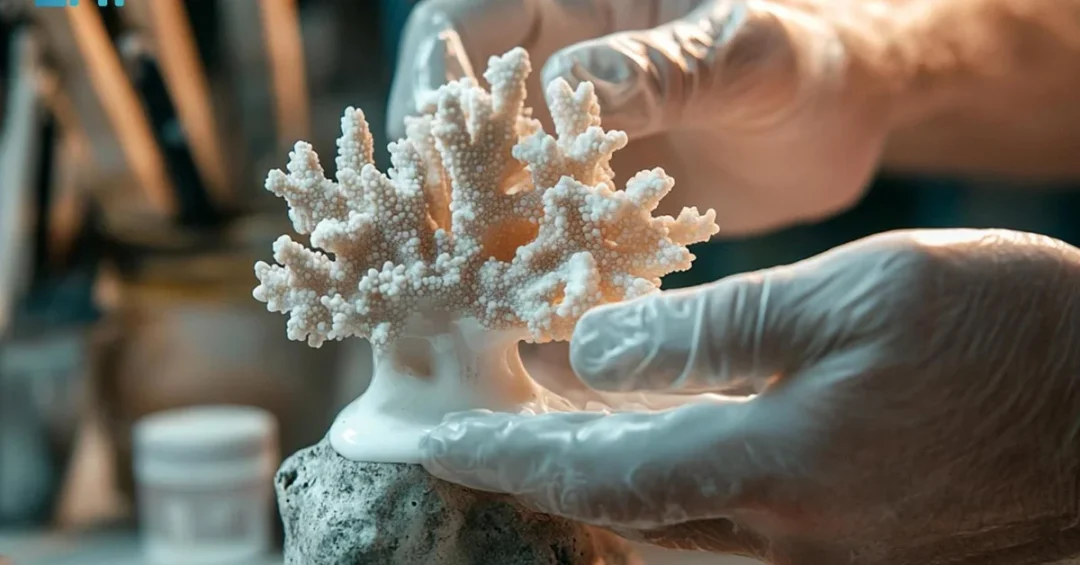
The Diriyah Biennale Foundation’s second Islamic Arts Biennale hosted a workshop on April 24, 2025, at the Hajj Terminal of King Abdulaziz International Airport in Jeddah, exploring how coral biology has shaped Saudi coastal architecture and cultural heritage. The session, part of the biennale’s extensive cultural program, brought together researchers and experts in coral reef restoration to discuss the fundamentals of coral biology, the significance of its ecosystems, and its profound cultural impact on Saudi Arabia’s built environment. The event underscored the Kingdom’s commitment to preserving its natural and cultural heritage while advancing environmental stewardship in line with Vision 2030.
Have you ever considered how the tiny organisms of the sea could influence the grandeur of coastal cities? The workshop revealed that coral reefs, often called the rainforests of the ocean, have not only protected Saudi coastlines for millennia but have also inspired architectural designs and construction techniques. By highlighting the intersection of marine biology and architecture, the session illuminated how Jeddah’s cultural heritage and renewal are deeply intertwined with its marine ecosystems. This gathering is a testament to Saudi Arabia’s dedication to sustainable development and the celebration of its rich cultural tapestry.
Context and Background
Why is it important to recognize the historical relationship between coral reefs and Saudi coastal architecture? The Islamic Arts Biennale, organized by the Diriyah Biennale Foundation, serves as a global platform for showcasing the intersection of Islamic art, culture, and contemporary issues. The second edition, held in Jeddah, has focused on the theme of sustainability and heritage, with the coral biology workshop being a key component. Jeddah, a historic port city on the Red Sea, has long been a hub for trade and cultural exchange, and its architecture reflects a blend of Islamic traditions and environmental adaptations. The use of coral stones in traditional buildings, known as ‘coral architecture,’ is a unique aspect of the region’s heritage, dating back centuries.
The workshop provided a deep dive into how coral reefs have shaped the Saudi coast, not only physically by acting as natural barriers against erosion but also culturally by providing materials for construction. Experts discussed the threats facing these vital ecosystems, including climate change, pollution, and overfishing, and the actions being taken to protect and restore them. This aligns with Saudi Arabia’s broader environmental initiatives, such as the Saudi Green Initiative and the Middle East Green Initiative, which aim to plant billions of trees and protect marine habitats. The event also highlighted the role of organizations like the National Center for Wildlife and the Red Sea Development Company in conservation efforts.
Key Details
What specific insights did the researchers share during the workshop? The session featured presentations by marine biologists and architects who have studied coral reefs and their applications in architecture. They explained that coral reefs are built by tiny animals called polyps, which secrete calcium carbonate to form hard skeletons. Over time, these skeletons accumulate to create complex structures that support diverse marine life. In Saudi Arabia, the Red Sea’s coral reefs are among the most biodiverse in the world, hosting over 1,200 species of fish and 300 species of coral. These reefs have historically provided building materials for coastal communities, who used coral stones to construct houses, mosques, and forts. The workshop showcased how traditional coral architecture in Jeddah’s Al-Balad district, a UNESCO World Heritage Site, exemplifies sustainable design that harmonizes with the environment.
Moreover, the experts discussed modern conservation efforts, such as coral farming and restoration projects. For instance, the Red Sea Development Company is implementing large-scale coral reef restoration as part of its regenerative tourism initiatives. These efforts not only protect biodiversity but also preserve the cultural heritage tied to coral reefs. The workshop also emphasized the importance of integrating traditional knowledge with modern science to address contemporary environmental challenges. By understanding coral biology, architects and urban planners can develop innovative designs that mimic coral structures for resilience and sustainability, a concept known as biomimicry.
International and Regional Impact
How does Saudi Arabia’s coral conservation impact the broader region? The workshop’s discussions have significant implications for international and regional environmental policies. Saudi Arabia, with its vast Red Sea coastline, is a key player in marine conservation in the Middle East. The Kingdom’s efforts to protect coral reefs contribute to global biodiversity goals and climate resilience. The Red Sea is a critical artery for global trade and tourism, and its health is essential for the region’s economic stability. By hosting such workshops, Saudi Arabia positions itself as a leader in sustainable development and cultural preservation, aligning with the UN Sustainable Development Goals, particularly Goal 14 (Life Below Water) and Goal 11 (Sustainable Cities and Communities).
Regionally, the workshop fosters collaboration among neighboring countries that share the Red Sea’s ecosystems. It encourages knowledge exchange and joint initiatives to tackle common threats like coral bleaching and ocean acidification. The Islamic Arts Biennale itself attracts international visitors and experts, enhancing cross-cultural dialogue and showcasing Saudi Arabia’s commitment to preserving Islamic heritage. This soft power approach strengthens diplomatic ties and promotes Saudi Arabia as a responsible global citizen. Furthermore, the integration of coral biology into architectural discourse could inspire similar practices in other coastal Islamic nations, from Egypt to Indonesia, creating a ripple effect of sustainable design.
Economic and Strategic Significance
What economic opportunities arise from coral reef conservation and sustainable architecture? The workshop highlighted the economic potential of coral reefs through tourism, fisheries, and biotechnology. Healthy coral reefs attract divers and tourists, contributing to Saudi Arabia’s growing tourism sector, a key pillar of Vision 2030. The Red Sea Project and AMAALA are luxury tourism destinations that prioritize environmental sustainability, with coral reefs as major attractions. Additionally, coral reefs support fisheries that provide food security and livelihoods for coastal communities. The biotechnology sector can harness coral compounds for pharmaceuticals and other products, opening new avenues for innovation.
Strategically, Saudi Arabia’s investment in coral conservation and sustainable architecture reinforces its commitment to Vision 2030’s goals of economic diversification and environmental sustainability. By preserving its natural and cultural heritage, the Kingdom enhances its appeal as a tourist destination and a hub for cultural tourism. The workshop also underscores the importance of research and development in marine science, which can lead to technological advancements and job creation. As part of the National Transformation Program, Saudi Arabia aims to increase the contribution of non-oil sectors to GDP, and sustainable tourism and blue economy initiatives are central to this effort. The event thus serves as a microcosm of Saudi Arabia’s broader economic transformation.
Vision 2030 Alignment
How does this workshop exemplify Saudi Arabia’s Vision 2030? Vision 2030, launched by Crown Prince Mohammed bin Salman, is a comprehensive plan to diversify the economy, empower citizens, and enhance quality of life. Environmental sustainability is a core component, with initiatives like the Saudi Green Initiative targeting climate action and biodiversity protection. The coral biology workshop directly supports these goals by promoting environmental awareness and sustainable practices. It also aligns with the Vision’s cultural objectives, as it celebrates Saudi Arabia’s Islamic heritage and architectural traditions. By integrating modern science with traditional knowledge, the workshop embodies the innovative spirit of Vision 2030.
Furthermore, the event contributes to the Vision’s aim of making Saudi Arabia a global destination for culture and tourism. The Islamic Arts Biennale, with its diverse program, attracts international audiences and showcases the Kingdom’s cultural vitality. As Saudi Arabia continues to host such events, it strengthens its position as a leader in the Islamic world and a bridge between cultures. The workshop’s focus on coral reefs also ties into the Vision’s emphasis on environmental stewardship, ensuring that future generations inherit a rich natural and cultural legacy. In essence, this gathering is a small but significant step toward realizing the ambitious goals of Vision 2030, demonstrating how heritage and modernity can coexist harmoniously.
20 Questions
Q1. What was the main focus of the workshop hosted by the Islamic Arts Biennale?
A1. The workshop focused on coral biology’s fundamentals, its ecosystem significance, and its cultural impact, particularly how coral reefs have shaped Saudi coastal architecture and heritage, as part of the biennale’s cultural program in Jeddah.
Q2. Where and when did the workshop take place?
A2. It was held on April 24, 2025, at the Hajj Terminal of King Abdulaziz International Airport in Jeddah, organized by the Diriyah Biennale Foundation as part of the second Islamic Arts Biennale.
Q3. Who participated in the workshop?
A3. Researchers and experts in coral reef restoration participated, sharing insights on threats to coral ecosystems and ongoing conservation efforts to protect and restore them.
Q4. How have coral reefs influenced Saudi coastal architecture?
A4. Coral reefs have provided building materials like coral stones, used in traditional architecture such as in Jeddah’s Al-Balad district, and have inspired sustainable design practices that harmonize with the environment.
Q5. What are the main threats to coral reefs discussed?
A5. Threats include climate change, pollution, and overfishing, which cause coral bleaching and degradation, prompting initiatives like coral farming and restoration projects in the Red Sea.
Q6. What is the significance of Jeddah’s cultural heritage in this context?
A6. Jeddah’s heritage, exemplified by its coral architecture in Al-Balad, a UNESCO World Heritage Site, reflects a historical symbiosis between marine ecosystems and human settlement, highlighting the need for preservation.
Q7. How does the workshop align with Saudi Arabia’s environmental initiatives?
A7. It supports the Saudi Green Initiative and Middle East Green Initiative, which aim to protect marine habitats, plant trees, and promote sustainability, aligning with Vision 2030’s environmental goals.
Q8. What role does the Red Sea Development Company play?
A8. The company implements large-scale coral reef restoration as part of regenerative tourism projects like The Red Sea Project, ensuring environmental sustainability while developing luxury destinations.
Q9. What is biomimicry in the context of coral reefs?
A9. Biomimicry involves mimicking coral structures for architectural resilience and sustainability, an innovative approach discussed at the workshop to inspire modern design solutions.
Q10. How does coral conservation impact Saudi Arabia’s economy?
A10. It boosts tourism, fisheries, and biotechnology, contributing to economic diversification under Vision 2030, and supports the blue economy by creating jobs and attracting investments.
Q11. What international impact does Saudi Arabia’s coral conservation have?
A11. It contributes to global biodiversity goals, fosters regional collaboration, and positions Saudi Arabia as a leader in sustainable development, enhancing its soft power and diplomatic ties.
Q12. How does the workshop promote cultural exchange?
A12. By attracting international experts and visitors, it facilitates dialogue on Islamic art and heritage, showcasing Saudi Arabia’s cultural vitality and commitment to preserving Islamic traditions.
Q13. What are the key objectives of Vision 2030 related to this workshop?
A13. Vision 2030 aims to diversify the economy, protect the environment, and promote cultural heritage; the workshop supports these by integrating science, sustainability, and heritage preservation.
Q14. What is the significance of the Hajj Terminal as the venue?
A14. The Hajj Terminal, a major gateway for pilgrims, symbolizes Saudi Arabia’s role as a crossroads of cultures, making it a fitting location for a workshop on heritage and sustainability.
Q15. How can traditional knowledge contribute to modern conservation?
A15. Traditional practices, like coral architecture, offer sustainable solutions and resilience; combining them with modern science can enhance conservation and design innovation.
Q16. What actions are being taken to restore coral reefs in Saudi Arabia?
A16. Actions include coral farming, reef restoration projects, and marine protected areas, led by entities like the National Center for Wildlife and the Red Sea Development Company.
Q17. How does the Islamic Arts Biennale support Vision 2030?
A17. It promotes cultural tourism, showcases Saudi Arabia’s artistic heritage, and fosters international engagement, aligning with Vision 2030’s goals of economic diversification and global outreach.
Q18. What is the role of the Diriyah Biennale Foundation?
A18. The foundation organizes the Islamic Arts Biennale, providing a platform for cultural exchange and education, and highlighting contemporary issues like sustainability through workshops and exhibitions.
Q19. How does coral reef health affect Saudi Arabia’s tourism sector?
A19. Healthy reefs attract divers and tourists, supporting luxury destinations like The Red Sea Project, and contribute to the Kingdom’s goal of increasing tourism’s GDP share under Vision 2030.
Q20. What future steps can be expected from Saudi Arabia in coral conservation?
A20. Continued investment in research, restoration, and sustainable development, with potential expansions of marine protected areas and integration of coral science into urban planning, in line with Vision 2030.
Reader Feedback
We value your thoughts. Please share your feedback on this article.
Your feedback helps us improve our coverage.
Related articles
 King Abdulaziz Public Library Celebrates World Book Day
 Film Commission’s Filmathon Hackathon Concludes in Riyadh
 Islamic Affairs Ministry Joins 29th Muscat International Book Fair
 Saudi Culture Minister Meets Costa Rican Counterpart in Jeddah
 Saudi Pavilion Opens at Muscat International Book Fair
 Saudi Arabia Opens Fifth Jusoor Exhibition in Indonesia