


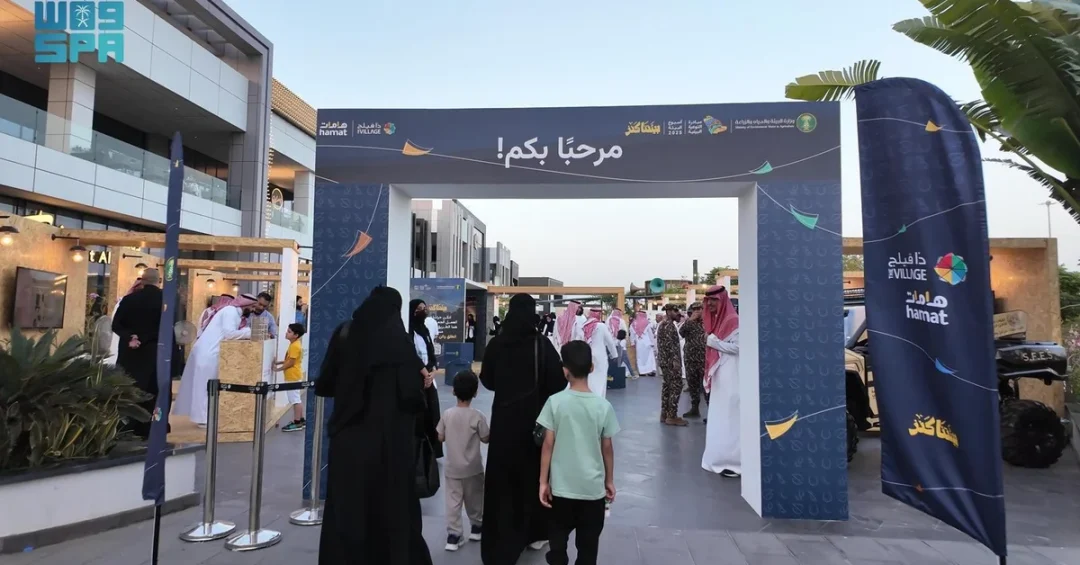
Government, private, and non-profit entities across Jeddah united during Environment Week to showcase a wide range of environmental initiatives aimed at raising public awareness and promoting sustainable practices, as reported by the Saudi Press Agency (SPA). The event, held in the Kingdom’s second-largest city, underscored Saudi Arabia’s growing commitment to environmental stewardship and the ambitious goals of the Saudi Green Initiative. Participants included the National Center for Environmental Compliance (NCEC), the Vegetation Cover Development Foundation, and numerous other organizations dedicated to protecting natural resources and advancing sustainability. The week-long campaign highlighted how collaboration between sectors can drive meaningful change and support the Kingdom’s Vision 2030 objectives.
Environment Week in Jeddah served as a vibrant platform for knowledge exchange and community engagement. Entities presented their latest projects, from compliance monitoring to large-scale afforestation efforts, illustrating the breadth of Saudi Arabia’s environmental agenda. The event also emphasized the critical role of public participation in achieving environmental targets, encouraging citizens and residents to adopt eco-friendly habits and report violations. As the Kingdom accelerates its transition to a green economy, such initiatives demonstrate the tangible progress being made on the ground, aligning with national strategies to combat climate change and preserve biodiversity for future generations.
Context and Background
Why has environmental protection become such a central pillar of Saudi Arabia’s national development strategy? The answer lies in the Kingdom’s unprecedented commitment to sustainability, exemplified by the Saudi Green Initiative (SGI) and the Middle East Green Initiative (MGI), launched by Crown Prince Mohammed bin Salman in 2021. These ambitious programs aim to plant 10 billion trees across Saudi Arabia, reduce carbon emissions by 278 million tons annually, and designate 30% of the Kingdom’s land and sea as protected areas by 2030. Environment Week, therefore, is not merely an annual observance but a reflection of deep-rooted policy shifts that integrate environmental considerations into every sector of the economy.
Jeddah, with its rich natural heritage and strategic location along the Red Sea, plays a vital role in these efforts. The city has long been a hub for commerce and culture, and now it is emerging as a center for environmental innovation. Local entities are leveraging this momentum to address pressing challenges such as desertification, air quality, and marine conservation. The participation of government bodies like the NCEC and non-profits like the Vegetation Cover Development Foundation signals a whole-of-society approach, where each stakeholder contributes unique expertise and resources. This collaborative model is essential for achieving the scale of impact envisioned by the SGI and Vision 2030.
Moreover, Environment Week aligns with global environmental movements, positioning Saudi Arabia as a responsible global citizen. By hosting such events, the Kingdom demonstrates its willingness to share knowledge and learn from international best practices. The timing is particularly significant as the world grapples with climate change, and Saudi Arabia’s proactive stance enhances its leadership role in the region and beyond. The event also provides a platform for youth and community groups to engage with environmental issues, fostering a culture of sustainability that will endure for generations.
Key Details
What specific initiatives were unveiled during Environment Week, and how do they translate into real-world impact? The National Center for Environmental Compliance (NCEC) took center stage, highlighting the community’s role in protecting the environment, ensuring compliance with approved environmental standards, and providing mechanisms to report violations. The NCEC’s presence underscored the importance of regulatory frameworks in safeguarding natural resources. By educating the public on how to identify and report environmental infractions, the center empowers citizens to become active participants in environmental governance, a key objective of the SGI.
The Vegetation Cover Development Foundation, a non-profit institution established by the Ministry of Environment, Water and Agriculture and the National Center for Vegetation Cover Development and Combating Desertification (NCVC), presented nine approved initiatives aligned with the Saudi Green Initiative. These initiatives integrate environmental protection, energy conversion, and sustainability programs. For instance, the foundation’s projects likely include large-scale tree planting, restoration of degraded lands, and promotion of renewable energy solutions. As the executive arm of the NCVC, the foundation plays a critical role in implementing the Kingdom’s afforestation targets and combating desertification, which threatens agricultural productivity and biodiversity.
Other participating entities, though not detailed in the SPA report, may have showcased innovations in waste management, water conservation, and eco-tourism. The collective display of initiatives reflects a comprehensive approach to environmental sustainability, addressing air, water, and land ecosystems. The event also featured interactive exhibits and workshops, allowing visitors to learn about sustainable practices and how they can contribute. By bringing together diverse stakeholders, Environment Week facilitated networking and partnerships that will accelerate the implementation of green projects across Jeddah and beyond.
International and Regional Impact
How does Saudi Arabia’s environmental leadership resonate on the regional and global stage? The Kingdom’s efforts, highlighted during Environment Week, are part of a broader regional trend where Gulf countries are increasingly investing in sustainability. The Middle East Green Initiative, spearheaded by Saudi Arabia, aims to plant 50 billion trees across the Middle East and reduce carbon emissions from hydrocarbon production in the region by more than 60%. Such initiatives position Saudi Arabia as a pivotal player in global climate action, bridging the gap between energy production and environmental stewardship.
Regionally, the event in Jeddah sets an example for other cities in the Kingdom and neighboring countries. By showcasing successful collaborations between government, private, and non-profit sectors, it demonstrates that environmental protection can go hand-in-hand with economic development. This model is particularly relevant for countries facing similar challenges, such as water scarcity and desertification. Saudi Arabia’s willingness to share its experiences and technologies enhances its soft power and fosters goodwill, aligning with its Vision 2030 goal of becoming a global leader in sustainability.
Internationally, the Kingdom’s environmental initiatives contribute to global efforts to mitigate climate change. Saudi Arabia is a signatory to the Paris Agreement and has pledged to achieve net-zero emissions by 2060. Events like Environment Week serve as milestones in this journey, showcasing tangible progress and reinforcing the Kingdom’s commitment to international climate goals. As the world transitions to a greener future, Saudi Arabia’s proactive approach ensures it remains at the forefront of the sustainability movement, attracting investment and partnerships from around the globe.
Economic and Strategic Significance
What economic benefits arise from Saudi Arabia’s green initiatives, and how do they align with the Kingdom’s strategic priorities? The shift towards sustainability is not just an environmental imperative but also an economic opportunity. Investments in renewable energy, afforestation, and clean technologies create jobs, stimulate innovation, and diversify the economy away from oil dependence. The Vegetation Cover Development Foundation’s initiatives, for example, support rural communities by creating employment in tree planting and land restoration, while also enhancing agricultural resilience.
Furthermore, environmental compliance and sustainable practices attract foreign investment, as global companies increasingly prioritize ESG (Environmental, Social, and Governance) criteria. By demonstrating a robust regulatory framework and commitment to sustainability, Saudi Arabia enhances its attractiveness as a destination for green finance and impact investment. The Public Investment Fund (PIF) has already made significant strides in renewable energy and green projects, and events like Environment Week reinforce the Kingdom’s reputation as a responsible and forward-thinking economy.
Strategically, the integration of environmental goals into national planning ensures long-term resource security. Water conservation, for instance, is critical for a desert nation, and initiatives promoted during Environment Week contribute to reducing consumption and improving efficiency. Similarly, combating desertification protects arable land and supports food security. These efforts are integral to Vision 2030’s aim of achieving a sustainable and diversified economy, where environmental health is intertwined with economic prosperity and social well-being.
Vision 2030 Alignment
How does Environment Week in Jeddah exemplify the objectives of Saudi Vision 2030? The Vision, launched in 2016, outlines a comprehensive roadmap for the Kingdom’s future, with sustainability as a core theme. It calls for the protection of the environment, the adoption of clean energy, and the promotion of sustainable practices across all sectors. The initiatives showcased during Environment Week directly support these goals, from the NCEC’s compliance efforts to the Vegetation Cover Development Foundation’s afforestation projects.
By engaging communities and fostering partnerships, the event also advances Vision 2030’s emphasis on citizen participation and social responsibility. The Kingdom’s leadership recognizes that sustainable development requires the active involvement of all segments of society, and Environment Week provides a platform for this engagement. As Saudi Arabia continues its journey towards a greener future, such initiatives will be pivotal in achieving the ambitious targets of the Saudi Green Initiative and ensuring a prosperous, sustainable legacy for generations to come.
20 Questions
Q1. What was the main purpose of Environment Week in Jeddah?
A1. Environment Week aimed to raise public awareness about environmental importance and promote sustainable practices through showcases by government, private, and non-profit entities.
Q2. Which entities participated in the Jeddah Environment Week?
A2. Participants included the National Center for Environmental Compliance, the Vegetation Cover Development Foundation, and various other government, private, and non-profit organizations.
Q3. What role did the National Center for Environmental Compliance play?
A3. It highlighted the community’s role in protecting the environment, ensuring compliance with environmental standards, and educating on how to report violations.
Q4. What is the Vegetation Cover Development Foundation?
A4. It is a non-profit institution established by the Ministry of Environment, Water and Agriculture and the National Center for Vegetation Cover Development and Combating Desertification.
Q5. How many initiatives did the Vegetation Cover Development Foundation present?
A5. The foundation presented nine approved initiatives aligned with the Saudi Green Initiative, integrating environmental protection, energy conversion, and sustainability programs.
Q6. What is the Saudi Green Initiative?
A6. The Saudi Green Initiative is a national program launched in 2021 to combat climate change, plant 10 billion trees, and protect 30% of Saudi Arabia’s land and sea by 2030.
Q7. How does Environment Week support Vision 2030?
A7. It promotes environmental sustainability, community engagement, and economic diversification, all of which are core objectives of Vision 2030.
Q8. What are some examples of initiatives presented?
A8. Initiatives included tree planting, land restoration, renewable energy solutions, and programs to combat desertification, all aimed at enhancing environmental sustainability.
Q9. Why is Jeddah a significant location for this event?
A9. Jeddah is a major commercial and cultural hub, and its coastal location makes it vital for marine conservation and environmental innovation in the Kingdom.
Q10. How can the public contribute to environmental protection?
A10. The public can adopt sustainable practices, report environmental violations to the NCEC, and participate in community initiatives that promote conservation.
Q11. What is the Middle East Green Initiative?
A11. It is a regional effort led by Saudi Arabia to plant 50 billion trees and reduce carbon emissions from hydrocarbon production by more than 60%.
Q12. What economic benefits do these green initiatives bring?
A12. They create jobs, attract foreign investment, stimulate innovation, and support economic diversification away from oil dependence.
Q13. How does Saudi Arabia’s environmental work impact the region?
A13. It sets a model for collaboration and sustainability, enhancing regional cooperation and positioning Saudi Arabia as a leader in climate action.
Q14. What is the NCVC?
A14. The National Center for Vegetation Cover Development and Combating Desertification is a government body responsible for afforestation and land restoration efforts in Saudi Arabia.
Q15. What are the goals of the Saudi Green Initiative?
A15. The SGI aims to reduce carbon emissions by 278 million tons annually, plant 10 billion trees, and protect 30% of the Kingdom’s land and sea by 2030.
Q16. How does Environment Week engage the community?
A16. Through interactive exhibits, workshops, and awareness campaigns, it educates the public on sustainable practices and encourages active participation in environmental protection.
Q17. What is the significance of reporting environmental violations?
A17. Reporting violations helps enforce environmental standards, ensures compliance, and protects natural resources for future generations.
Q18. How does Saudi Arabia’s environmental policy align with global goals?
A18. It supports the Paris Agreement and global climate goals, demonstrating Saudi Arabia’s commitment to international sustainability efforts.
Q19. What future steps are planned for environmental sustainability in Saudi Arabia?
A19. The Kingdom will continue implementing SGI projects, expand renewable energy, and enhance community engagement to achieve its 2030 and 2060 targets.
Q20. How can international audiences learn more about Saudi environmental initiatives?
A20. They can follow official Saudi sources such as the Saudi Press Agency, ministry websites, and participate in global forums where Saudi Arabia shares its progress.
Reader Feedback
We value your thoughts. Please share your feedback on this article.
Your feedback helps us improve our coverage.
Related articles
 Interior Ministry: SAR50,000 Fine for Sponsors Failing to Report Departure by Visa Expiry
 GACA March 2025 Report: Saudi Airports Achieve Up to 100% Punctuality
 Tunisian Health Minister Meets with KSrelief Supervisor General
 6.2-Magnitude Earthquake Strikes Istanbul, No Casualties
 King of Jordan Arrives in Jeddah for High-Level Talks
 Saudi Arabia Condemns Terrorist Attack in Jammu and Kashmir