


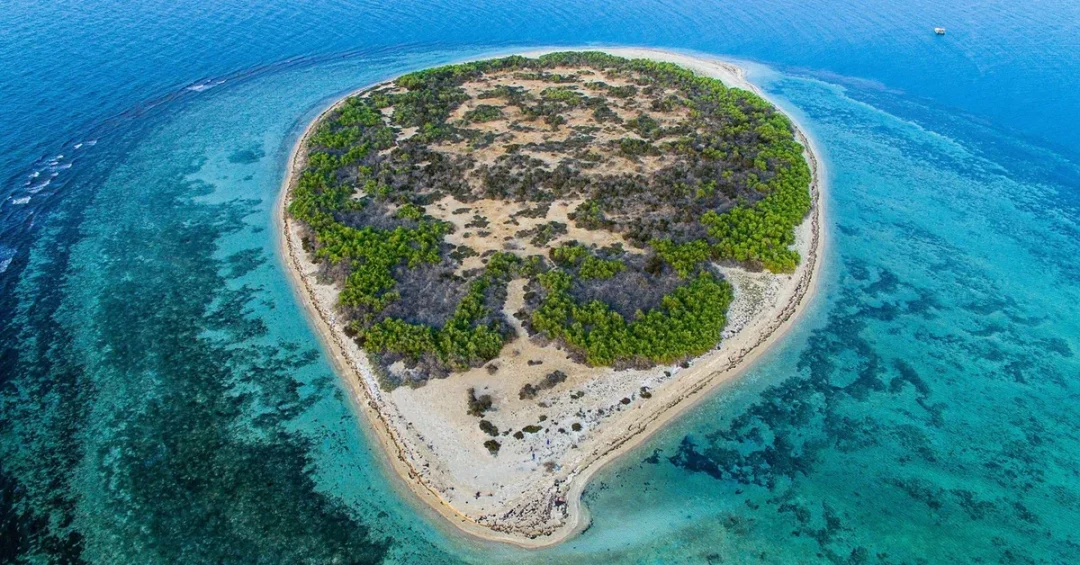
Saudi Arabia joined the global community on April 22, 2025, in celebrating Earth Day, with the Ministry of Environment, Water and Agriculture launching a series of programs and initiatives aimed at enhancing environmental awareness, reducing pollution, and promoting compliance with environmental regulations. The annual event, observed worldwide, highlights environmental issues, encourages conservation activities, and raises awareness about preserving nature and biodiversity. Saudi Arabia’s participation underscores its commitment to environmental protection and sustainable development, aligning with the goals of Vision 2030.
Earth Day, first observed on April 22, 1970, in the United States, has grown into a global movement that helped pave the way for the establishment of the Environmental Protection Agency (EPA). In 2009, the United Nations General Assembly designated April 22 as International Mother Earth Day, following a proposal by Bolivia endorsed by more than 50 member states. The occasion serves as a platform to raise global awareness of the challenges threatening the planet and to promote concrete actions such as reducing pollution, utilizing renewable energy, planting trees, organizing volunteer campaigns, and spreading awareness about environmental conservation. Saudi Arabia’s active engagement reflects its recognition of the interdependence between humans and the environment and its dedication to ensuring a safe and healthy environment for present and future generations.
Context and Background
How did Earth Day evolve into a global platform for environmental action, and why does Saudi Arabia’s participation matter? Earth Day was first observed on April 22, 1970, in the United States—an event that helped pave the way for the establishment of the Environmental Protection Agency (EPA). In 2009, the United Nations General Assembly designated April 22 as International Mother Earth Day, following a proposal by Bolivia that was endorsed by more than 50 member states. The occasion underscores the importance of living in harmony with nature and the Earth, striving to balance the economic, social, and environmental needs of both present and future generations. It also serves as a platform to raise global awareness of the challenges threatening the planet and the life it sustains.
Saudi Arabia has long recognized the importance of environmental stewardship, integrating it into its national development plans. The Ministry of Environment, Water and Agriculture, established in 2016, is tasked with overseeing the Kingdom’s environmental policies, water resources, and agricultural development. Under the leadership of Minister Abdulrahman Al-Fadli, the ministry has launched numerous initiatives to enhance environmental awareness, reduce pollution, and promote compliance with environmental regulations. These efforts are part of Saudi Arabia’s broader commitment to sustainable development and the goals of Vision 2030, which seeks to diversify the economy, improve quality of life, and protect the environment. Earth Day provides an opportunity to showcase these initiatives and reaffirm the Kingdom’s dedication to global environmental causes.
What specific programs has Saudi Arabia launched to mark Earth Day, and how do they contribute to environmental protection? The Ministry of Environment, Water and Agriculture launched various programs and initiatives focused on enhancing environmental awareness and preservation, reducing pollution, addressing planetary challenges to ensure a safe and healthy environment, and promoting compliance with environmental regulations that foster harmony with nature and emphasize the interdependence between humans and the environment. These initiatives include tree-planting campaigns, waste reduction programs, and educational workshops aimed at raising awareness about the importance of environmental conservation and its impact on ecosystems and living organisms. The ministry also emphasizes the role of renewable energy sources and the need to reduce pollution to mitigate climate change.
Key Details
What are the key components of Saudi Arabia’s environmental initiatives, and how do they align with global efforts? The Ministry of Environment, Water and Agriculture has launched a series of programs that focus on enhancing environmental awareness, reducing pollution, and promoting compliance with environmental regulations. These include the Saudi Green Initiative, which aims to plant 10 billion trees across the Kingdom and restore 40 million hectares of degraded land. The initiative also seeks to reduce carbon emissions by 278 million tonnes annually by 2030. Additionally, the National Environment Strategy, launched in 2018, provides a comprehensive framework for environmental protection, including the establishment of protected areas, the conservation of biodiversity, and the promotion of sustainable practices.
How does Saudi Arabia’s environmental strategy balance economic development with ecological preservation? The Kingdom’s approach integrates environmental considerations into economic planning, ensuring that development projects adhere to strict environmental standards. For instance, the Ministry of Environment, Water and Agriculture works closely with other government entities, such as the Ministry of Energy and the Public Investment Fund (PIF), to promote renewable energy projects and sustainable investments. The PIF has committed to investing in green projects, including solar and wind energy, as part of its efforts to support Vision 2030. These initiatives not only reduce the Kingdom’s carbon footprint but also create economic opportunities and jobs in the renewable energy sector.
What role do local communities and volunteers play in Saudi Arabia’s environmental efforts? Earth Day encourages concrete actions such as reducing pollution, utilizing renewable energy sources, planting trees to offset deforestation and absorb carbon dioxide, organizing volunteer campaigns to clean public spaces and beaches, collecting recyclable materials, and spreading awareness about the importance of environmental conservation. In Saudi Arabia, the Ministry of Environment, Water and Agriculture collaborates with local communities, schools, and non-profit organizations to organize clean-up campaigns, tree-planting events, and educational programs. These activities not only improve the environment but also foster a sense of community and responsibility among citizens and residents. The ministry also encourages individuals to adopt sustainable practices in their daily lives, such as reducing waste, conserving water, and using energy-efficient appliances.
International and Regional Impact
How does Saudi Arabia’s environmental leadership influence the region and beyond? Saudi Arabia’s participation in Earth Day and its broader environmental initiatives have significant implications for the region and the international community. As a major oil producer, the Kingdom’s commitment to reducing carbon emissions and investing in renewable energy sends a strong signal to other countries in the Middle East and North Africa (MENA) region. Saudi Arabia’s efforts to combat desertification, preserve biodiversity, and promote sustainable water management serve as a model for neighboring countries facing similar environmental challenges. Furthermore, the Kingdom’s active participation in international environmental agreements, such as the Paris Agreement and the Convention on Biological Diversity, demonstrates its willingness to collaborate with the global community to address climate change and other environmental issues.
What are the regional and global implications of Saudi Arabia’s environmental policies? Saudi Arabia’s environmental policies have far-reaching implications for the region and the world. By investing in renewable energy and reducing its carbon footprint, the Kingdom is helping to mitigate climate change and promote sustainable development. Its efforts to preserve biodiversity and combat desertification contribute to global environmental goals, such as the United Nations Sustainable Development Goals (SDGs). Moreover, Saudi Arabia’s leadership in environmental protection enhances its standing in the international community and strengthens its diplomatic ties with other nations. The Kingdom’s initiatives also create opportunities for international cooperation, technology transfer, and investment in green technologies, benefiting both Saudi Arabia and its partners.
Economic and Strategic Significance
What economic benefits does Saudi Arabia’s environmental strategy bring, and how does it support Vision 2030? Saudi Arabia’s environmental strategy is closely linked to its economic diversification goals under Vision 2030. By investing in renewable energy, the Kingdom is reducing its dependence on oil and creating new economic sectors. The Saudi Green Initiative, for example, is expected to create thousands of jobs in the renewable energy and environmental sectors. Additionally, the Kingdom’s focus on sustainable development attracts foreign investment and enhances its competitiveness in the global market. The Public Investment Fund (PIF) has been instrumental in driving these investments, supporting projects in solar energy, green hydrogen, and sustainable agriculture. These efforts not only contribute to environmental protection but also stimulate economic growth and innovation.
How does Saudi Arabia’s environmental strategy enhance its strategic position globally? Saudi Arabia’s environmental leadership enhances its strategic position globally by demonstrating its commitment to responsible resource management and sustainable development. As the world transitions to a low-carbon economy, the Kingdom’s investments in renewable energy and green technologies position it as a key player in the global energy transition. Furthermore, Saudi Arabia’s efforts to preserve its natural heritage and biodiversity contribute to its soft power and cultural diplomacy. The Kingdom’s environmental initiatives also align with the goals of the Middle East Green Initiative, which aims to plant 50 billion trees across the region and reduce carbon emissions by more than 10 percent of global contributions. By leading these efforts, Saudi Arabia reinforces its role as a regional and global leader in environmental protection.
Vision 2030 Alignment
How does Saudi Arabia’s environmental protection agenda align with Vision 2030, and what does it mean for the future? Saudi Arabia’s environmental protection agenda is a cornerstone of Vision 2030, the Kingdom’s ambitious plan to diversify its economy, improve quality of life, and enhance its global standing. Vision 2030 recognizes the importance of environmental sustainability and includes specific goals to protect the environment, promote renewable energy, and ensure the efficient use of natural resources. The Ministry of Environment, Water and Agriculture plays a vital role in achieving these goals by implementing policies and programs that enhance environmental awareness, reduce pollution, and promote compliance with environmental regulations. The Kingdom’s participation in Earth Day and its broader environmental initiatives demonstrate its commitment to these objectives and its determination to build a sustainable future for all.
What does the future hold for Saudi Arabia’s environmental leadership? As Saudi Arabia continues to implement its environmental strategies, it is poised to make significant contributions to global environmental protection. The Kingdom’s investments in renewable energy, tree-planting campaigns, and biodiversity conservation will not only benefit its own environment but also serve as a model for other nations. Through Vision 2030, Saudi Arabia is building a diversified and sustainable economy that respects the environment and ensures a high quality of life for its citizens. The Kingdom’s leadership in environmental protection will enhance its global standing and contribute to a more sustainable and prosperous world. By celebrating Earth Day and showcasing its initiatives, Saudi Arabia reaffirms its commitment to environmental stewardship and its role as a responsible global citizen.
20 Questions
Q1. When is Earth Day celebrated globally?
A1. Earth Day is celebrated annually on April 22. It was first observed in 1970 in the United States and later recognized by the United Nations as International Mother Earth Day in 2009.
Q2. Which Saudi ministry launched environmental programs for Earth Day 2025?
A2. The Ministry of Environment, Water and Agriculture launched various programs and initiatives focused on enhancing environmental awareness, reducing pollution, and promoting compliance with environmental regulations.
Q3. What is the significance of Earth Day for Saudi Arabia?
A3. Earth Day highlights Saudi Arabia’s commitment to environmental protection and sustainable development, aligning with Vision 2030 goals to diversify the economy and improve quality of life.
Q4. How does Saudi Arabia’s participation in Earth Day reflect its Vision 2030 goals?
A4. Saudi Arabia’s participation reflects its dedication to environmental sustainability, a key pillar of Vision 2030, which aims to protect the environment and promote renewable energy.
Q5. What are some concrete actions encouraged on Earth Day?
A5. Actions include reducing pollution, using renewable energy, planting trees, organizing clean-up campaigns, recycling, and spreading awareness about environmental conservation.
Q6. What is the Saudi Green Initiative?
A6. The Saudi Green Initiative aims to plant 10 billion trees, restore 40 million hectares of land, and reduce carbon emissions by 278 million tonnes annually by 2030.
Q7. How does the Ministry of Environment, Water and Agriculture promote environmental awareness?
A7. The ministry organizes educational workshops, tree-planting events, and clean-up campaigns, and collaborates with communities to spread awareness about conservation.
Q8. What role does the Public Investment Fund play in Saudi Arabia’s environmental efforts?
A8. The PIF invests in renewable energy projects, such as solar and wind, and supports green initiatives that contribute to Vision 2030 and environmental sustainability.
Q9. How does Saudi Arabia’s environmental strategy impact the region?
A9. Saudi Arabia’s efforts serve as a model for MENA countries, promoting regional cooperation on climate change, biodiversity, and sustainable development.
Q10. What international agreements has Saudi Arabia joined to protect the environment?
A10. Saudi Arabia is a party to the Paris Agreement and the Convention on Biological Diversity, demonstrating its commitment to global environmental cooperation.
Q11. What economic benefits does Saudi Arabia’s environmental strategy bring?
A11. It creates jobs in renewable energy, attracts foreign investment, reduces oil dependence, and stimulates innovation in green technologies.
Q12. How does Saudi Arabia balance economic development with environmental protection?
A12. The Kingdom integrates environmental standards into economic planning and promotes sustainable investments through entities like the PIF.
Q13. What is the Middle East Green Initiative?
A13. It is a regional effort to plant 50 billion trees and reduce carbon emissions by more than 10 percent of global contributions, led by Saudi Arabia.
Q14. How can individuals contribute to environmental protection in Saudi Arabia?
A14. Individuals can reduce waste, conserve water, use energy-efficient appliances, participate in clean-up campaigns, and spread awareness about conservation.
Q15. What are the key goals of Vision 2030 related to the environment?
A15. Vision 2030 aims to protect the environment, promote renewable energy, ensure efficient use of natural resources, and improve quality of life.
Q16. How does Saudi Arabia’s environmental leadership enhance its global standing?
A16. It demonstrates responsible resource management, attracts international partnerships, and positions the Kingdom as a key player in the global energy transition.
Q17. What are some challenges Saudi Arabia faces in environmental protection?
A17. Challenges include desertification, water scarcity, and climate change, which the Kingdom addresses through initiatives like the Saudi Green Initiative and National Environment Strategy.
Q18. What is the National Environment Strategy?
A18. Launched in 2018, it provides a framework for environmental protection, including protected areas, biodiversity conservation, and sustainable practices.
Q19. How does Earth Day promote global awareness of environmental issues?
A19. Earth Day serves as a platform to raise awareness about challenges threatening the planet and encourages actions like reducing pollution and planting trees.
Q20. What is the future outlook for Saudi Arabia’s environmental initiatives?
A20. Saudi Arabia is poised to make significant contributions to global environmental protection through continued investments in renewable energy, tree-planting, and biodiversity conservation, aligning with Vision 2030.
Reader Feedback
We value your thoughts. Please share your feedback on this article.
Your feedback helps us improve our coverage.
Related articles
 Saudi Media Authority Enforces Mandatory Professional Registration
 Tabuk Governor Meets Afghan Consul General in Diplomatic Engagement
 Crown Prince Chairs Cabinet, Unveils Global Agreements
 KAICIID Hosts First Forum for Arab Ambassadors in Lisbon
 Misk Empowers Innovators, Entrepreneurs through Inclusive Apps Hackathon in Riyadh
 Qatari Shura Council Speaker Arrives in Riyadh