


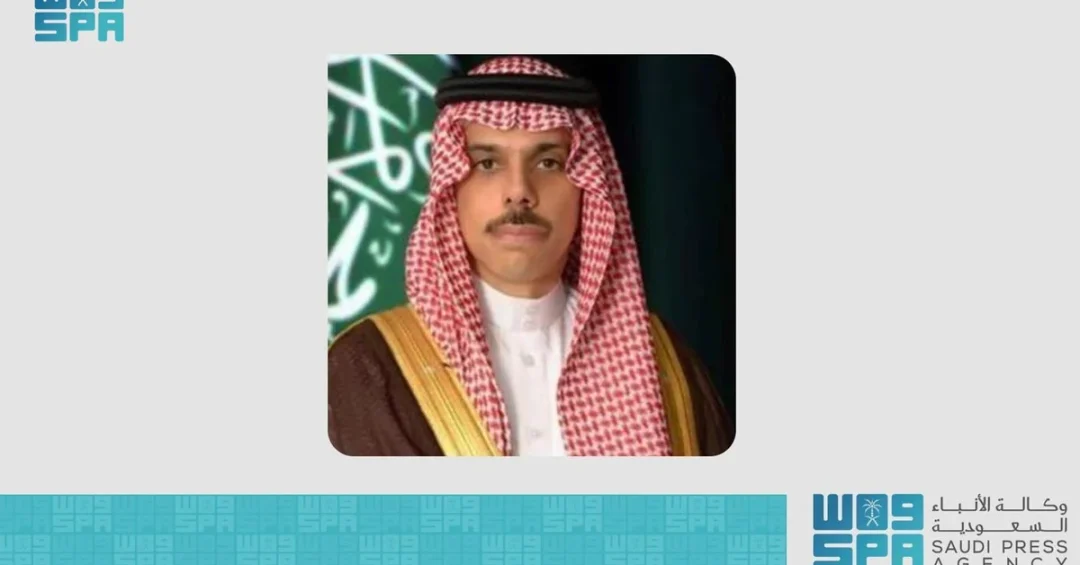
Saudi Minister of Foreign Affairs Prince Faisal bin Farhan bin Abdullah held a telephone call with Pakistan’s Deputy Prime Minister and Minister of Foreign Affairs Ishaq Dar on April 25, 2025, to review bilateral relations and discuss the evolving regional situation and efforts to reduce tensions, according to the Saudi Press Agency (SPA). The conversation, confirmed by the official Saudi news agency, underscores the Kingdom’s continued diplomatic engagement with key partners across the Islamic world and beyond. The two senior diplomats addressed matters of mutual concern, with a particular focus on regional stability and de-escalation.
The call reflects Saudi Arabia’s longstanding policy of maintaining open channels of communication with influential nations to address shared challenges. Pakistan, a nuclear-armed state with deep historical, cultural, and religious ties to the Kingdom, remains a vital partner in South Asia and the broader Muslim world. The discussion between Prince Faisal and Deputy Prime Minister Dar is part of a sustained pattern of high-level consultations that Saudi Arabia conducts with allies and partners to promote peace and security. How does such quiet diplomacy shape the regional order? The exchange also comes amid a period of heightened geopolitical fluidity, where Saudi Arabia has positioned itself as a constructive mediator and a voice for moderation.
Context and Background
Why do these consultations matter now? Saudi-Pakistani relations are rooted in decades of strategic cooperation, encompassing political, economic, security, and cultural dimensions. The two countries have consistently aligned on major issues affecting the Islamic world, from supporting the Palestinian cause to advocating for peaceful resolutions to regional conflicts. Pakistan’s leadership frequently consults with Saudi Arabia on matters of regional security, and the Kingdom values Pakistan’s perspective as a fellow member of the Organisation of Islamic Cooperation (OIC). The April 25 call is the latest in a series of high-level interactions that reinforce this enduring partnership.
The timing of the discussion is significant. The region has witnessed a series of interconnected developments, including ongoing conflicts, diplomatic realignments, and efforts to rebuild trust among various stakeholders. Saudi Arabia has been at the forefront of these efforts, using its diplomatic weight to encourage dialogue and reduce tensions. In this context, the exchange between Prince Faisal and Deputy Prime Minister Dar serves to synchronize positions and explore avenues for cooperation. The call also follows recent Saudi initiatives aimed at fostering stability in the Middle East and beyond, demonstrating the Kingdom’s proactive approach to foreign policy under the leadership of Custodian of the Two Holy Mosques King Salman bin Abdulaziz Al Saud and His Royal Highness Crown Prince Mohammed bin Salman bin Abdulaziz Al Saud.
What does this mean for the broader region? The Saudi-Pakistani relationship is not merely bilateral; it has implications for the entire Islamic world. Both nations are influential members of the OIC and share a commitment to resolving disputes through peaceful means. Their coordination can help amplify moderate voices and counter extremism. Moreover, Pakistan’s geographic position, bordering India, Iran, Afghanistan, and China, makes it a key player in South Asian and Central Asian affairs. By consulting with Pakistan, Saudi Arabia gains valuable insights into these regions while offering its own perspectives on Middle Eastern dynamics. This mutual exchange strengthens the foundation for joint efforts on issues ranging from trade to counterterrorism.
Key Details of the Call
What exactly was discussed? According to the Saudi Press Agency, the two ministers reviewed relations between their countries and discussed the evolving situation in the region and efforts being made to reduce tensions. While the official readout did not disclose specific details of the conversation, the broad agenda reflects the depth of the bilateral relationship. The phrase “efforts being made to reduce tensions” suggests a focus on de-escalation in areas of conflict or potential conflict. This could include the situation in Gaza, Yemen, the Red Sea, or broader tensions involving Iran and other regional actors. Saudi Arabia has consistently advocated for dialogue and restraint, and Pakistan shares an interest in preventing instability that could disrupt trade routes and energy supplies.
Who are the key figures involved? Prince Faisal bin Farhan bin Abdullah has served as Saudi Arabia’s Minister of Foreign Affairs since 2019, earning a reputation as a skilled diplomat who articulates the Kingdom’s positions on the world stage. He has been instrumental in advancing Saudi Arabia’s Vision 2030 objectives, particularly in the areas of international partnerships and economic diplomacy. Ishaq Dar, Pakistan’s Deputy Prime Minister and Minister of Foreign Affairs, is a veteran politician and economist who has held multiple senior portfolios. His dual role underscores Pakistan’s emphasis on economic diplomacy and its desire to strengthen ties with Gulf partners. The personal rapport between the two leaders likely facilitated a candid and productive exchange.
What are the potential outcomes? Although no concrete agreements were announced, such high-level consultations often lay the groundwork for future cooperation. They can lead to joint diplomatic initiatives, coordinated positions at international forums, or enhanced economic collaboration. The call also sends a signal to other regional and global actors that Saudi Arabia and Pakistan are closely aligned on key issues. This alignment can deter potential aggressors and encourage others to pursue peaceful resolutions. In the realm of economic diplomacy, the two sides may explore opportunities to increase trade and investment, building on existing agreements and the shared vision of prosperity. The Saudi-Pakistani relationship is multifaceted, and this call reinforces its strategic importance.
International and Regional Impact
How will this call be perceived internationally? Observers in capitals around the world will note the continued coordination between two significant Islamic nations. For Western partners, the Saudi-Pakistani dialogue represents a constructive engagement that can contribute to regional stability. For other regional powers, it signals a unified approach to de-escalation. The call also highlights Saudi Arabia’s role as a bridge-builder, capable of maintaining relationships with diverse stakeholders. In a world of shifting alliances, the Saudi-Pakistani axis remains a pillar of stability. The Kingdom’s diplomatic outreach to Pakistan complements its broader engagement with other Asian nations, including China and India, as part of a balanced foreign policy.
What are the implications for regional conflicts? The discussion of “efforts to reduce tensions” is particularly relevant to ongoing crises. In Yemen, Saudi Arabia has supported UN-led peace efforts and welcomed recent progress toward a political settlement. Pakistan has historically maintained ties with various Yemeni factions and can play a supportive role in reconciliation. In the broader Middle East, tensions between Iran and its neighbors, as well as the unresolved Palestinian issue, remain flashpoints. By consulting closely, Saudi Arabia and Pakistan can coordinate their diplomatic messaging and encourage restraint. Their combined influence in the OIC and other multilateral bodies can amplify calls for peace. This is not about taking sides but about promoting dialogue and preventing escalation.
Economic and Strategic Significance
Why does this relationship matter economically? Saudi Arabia and Pakistan enjoy robust economic ties, with the Kingdom being a major source of remittances for Pakistani workers and a key supplier of energy. Trade between the two countries has grown steadily, and there is potential for further expansion in sectors such as agriculture, information technology, and renewable energy. The telephone call likely touched on ways to enhance economic cooperation, especially as Pakistan seeks to stabilize its economy and attract foreign investment. Saudi Arabia, through its Vision 2030 diversification strategy, offers expertise and investment opportunities that align with Pakistan’s development goals. The strategic partnership thus has a strong economic foundation that benefits both peoples.
What are the strategic dimensions? Beyond economics, the Saudi-Pakistani relationship includes defense and security cooperation. The two countries have conducted joint military exercises and share intelligence on counterterrorism. Pakistan’s military expertise and Saudi Arabia’s advanced capabilities create a complementary partnership. In the maritime domain, the security of the Red Sea and the Arabian Sea is of mutual interest, given the importance of shipping lanes for energy exports and trade. The call may have included discussions on maritime security and the protection of vital sea routes. Strategically, a strong Saudi-Pakistani bond contributes to the stability of the wider region, deterring threats and fostering a climate conducive to economic development. This alignment serves the interests of both nations and the international community.
Vision 2030 Alignment
How does this call align with Saudi Vision 2030? Vision 2030 is not only an economic transformation plan but also a foreign policy framework that emphasizes international cooperation, moderation, and sustainable development. By maintaining active diplomatic engagement with Pakistan, Saudi Arabia advances its goal of building a secure and prosperous region. The Kingdom’s role as a mediator and convener of dialogue is central to its Vision 2030 ambitions, which include positioning Saudi Arabia as a global hub for trade, investment, and diplomacy. The call between Prince Faisal and Deputy Prime Minister Dar exemplifies the proactive diplomacy that underpins the Vision. It shows that Saudi Arabia is committed to working with partners to address challenges and seize opportunities.
What does the future hold for Saudi-Pakistani relations? The trajectory is positive, with both sides expressing a desire to deepen ties across all fields. Upcoming high-level visits, joint commissions, and business forums are expected to further cement the partnership. As Saudi Arabia continues its remarkable transformation under Vision 2030, Pakistan stands to benefit from increased investment, job opportunities for its workforce, and enhanced technological cooperation. In turn, Pakistan’s strategic location and human capital offer valuable assets to Saudi Arabia. The April 25 call is a building block in this enduring relationship, reaffirming the mutual commitment to stability, prosperity, and peace. In a world that often seems divided, the Saudi-Pakistani partnership stands as a model of constructive engagement and shared purpose.
20 Questions
Q1. Who spoke by telephone on April 25, 2025?
A1. Saudi Minister of Foreign Affairs Prince Faisal bin Farhan bin Abdullah and Pakistan’s Deputy Prime Minister and Minister of Foreign Affairs Ishaq Dar spoke by telephone, as reported by the Saudi Press Agency.
Q2. What topics did the two ministers discuss?
A2. They reviewed bilateral relations between their countries and discussed the evolving regional situation and efforts being made to reduce tensions, according to the official readout.
Q3. Why is this call significant for Saudi Arabia?
A3. It reflects Saudi Arabia’s continued diplomatic engagement with key partners and its proactive role in promoting regional stability and de-escalation, consistent with its foreign policy objectives.
Q4. How does this call relate to Saudi-Pakistani relations?
A4. It reinforces the longstanding strategic partnership between the two nations, which includes political, economic, security, and cultural cooperation, and demonstrates ongoing high-level consultation.
Q5. What is the background of Saudi-Pakistani ties?
A5. The two countries have enjoyed decades of close relations, rooted in shared Islamic values, mutual support on regional issues, and economic cooperation, including remittances and energy trade.
Q6. What regional developments might have been discussed?
A6. While specifics were not disclosed, the conversation likely covered ongoing conflicts, diplomatic realignments, and efforts to reduce tensions in the Middle East and South Asia.
Q7. How does Saudi Arabia benefit from consulting Pakistan?
A7. Pakistan’s insights into South Asian and Central Asian affairs, as well as its role in the Islamic world, provide valuable perspectives that complement Saudi Arabia’s diplomatic efforts.
Q8. What role does Pakistan play in the Islamic world?
A8. Pakistan is a significant member of the Organisation of Islamic Cooperation (OIC) and often aligns with Saudi Arabia on issues affecting the Muslim world, including the Palestinian cause.
Q9. Did the call produce any agreements?
A9. No specific agreements were announced, but such consultations often lay the groundwork for future cooperation and coordinated positions on regional issues.
Q10. How does this call align with Saudi Vision 2030?
A10. Vision 2030 emphasizes international cooperation and moderation; the call demonstrates Saudi Arabia’s commitment to building partnerships that enhance regional security and economic prosperity.
Q11. What economic ties exist between Saudi Arabia and Pakistan?
A11. The Kingdom is a major source of remittances for Pakistani workers and a key energy supplier; trade and investment ties continue to grow, with potential in agriculture, IT, and renewable energy.
Q12. What are the strategic dimensions of the relationship?
A12. The partnership includes defense and security cooperation, joint military exercises, intelligence sharing on counterterrorism, and mutual interest in maritime security in the Red Sea and Arabian Sea.
Q13. How might this call affect regional stability?
A13. By coordinating their diplomatic messaging, Saudi Arabia and Pakistan can encourage restraint and dialogue, contributing to de-escalation and stability in the Middle East and beyond.
Q14. What is the significance of the timing of the call?
A14. The call comes amid heightened geopolitical fluidity, with ongoing conflicts and diplomatic realignments, underscoring the need for close consultation among allies.
Q15. Who is Prince Faisal bin Farhan bin Abdullah?
A15. He is Saudi Arabia’s Minister of Foreign Affairs since 2019, known for his skilled diplomacy and role in advancing the Kingdom’s Vision 2030 objectives on the world stage.
Q16. Who is Ishaq Dar?
A16. Ishaq Dar is Pakistan’s Deputy Prime Minister and Minister of Foreign Affairs, a veteran politician and economist who has held multiple senior portfolios in the Pakistani government.
Q17. What are the potential outcomes of such high-level consultations?
A17. They can lead to joint diplomatic initiatives, coordinated positions at international forums, enhanced economic collaboration, and a stronger foundation for peace and security.
Q18. How does the international community view Saudi-Pakistani coordination?
A18. It is generally seen as a constructive engagement that contributes to regional stability, with both nations respected for their roles in the Islamic world and beyond.
Q19. What is the future outlook for Saudi-Pakistani relations?
A19. The trajectory is positive, with expectations of deeper ties through high-level visits, joint commissions, and business forums, benefiting both nations economically and strategically.
Q20. How does this call reflect Saudi Arabia’s broader foreign policy?
A20. It exemplifies Saudi Arabia’s proactive diplomacy, emphasizing dialogue, moderation, and partnership to address regional challenges and promote a peaceful, prosperous future.
Reader Feedback
We value your thoughts. Please share your feedback on this article.
Your feedback helps us improve our coverage.
Related articles
 Saudi, Indian FMs Discuss Regional Developments
 Saudi, Uzbek FMs Discuss Bilateral Ties in Phone Call
 SAMI-AEC Sponsors Defense Ministry’s ICT Forum for Land Forces
 Green Gold of the North: Stipa capensis Supports Wildlife in Saudi Arabia
 Saudi Arabia Weather Forecast for Saturday: Dust and Rain
 Annual Dawah Forum Commences in Indonesia