


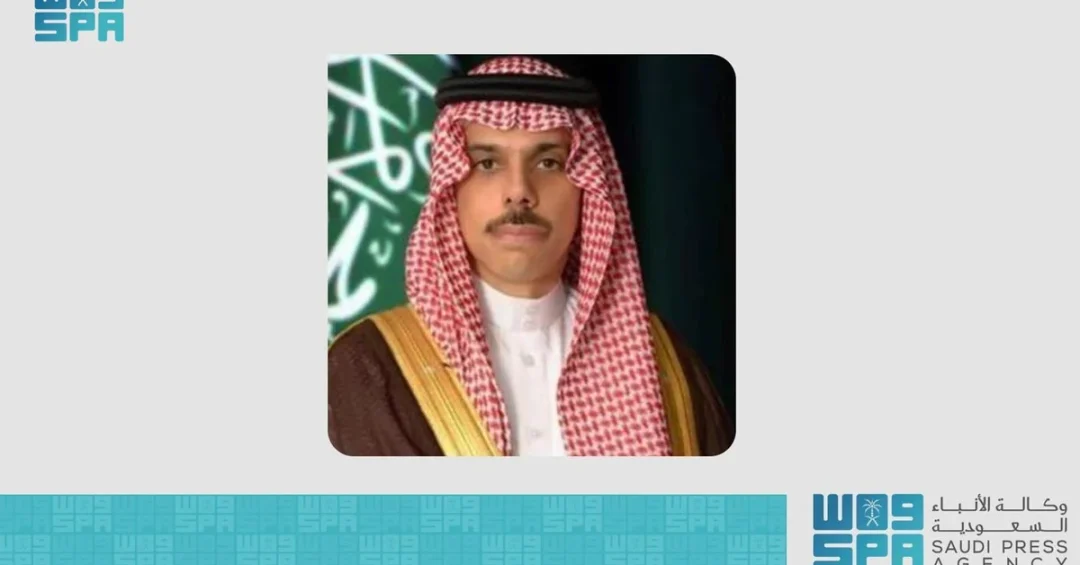
Saudi Minister of Foreign Affairs Prince Faisal bin Farhan bin Abdullah received a telephone call on April 25, 2025, from His Excellency Bakhtiyor Saidov, Minister of Foreign Affairs of the Republic of Uzbekistan, to discuss bilateral relations and issues of mutual interest. The call, reported by the Saudi Press Agency (SPA), underscores the Kingdom’s ongoing commitment to diplomatic engagement and strengthening ties with Central Asian nations. How does this dialogue reflect Saudi Arabia’s broader foreign policy objectives under Vision 2030?
The conversation between the two top diplomats highlights the growing partnership between Saudi Arabia and Uzbekistan, a relationship that has deepened in recent years across political, economic, and cultural spheres. This exchange is part of Saudi Arabia’s strategic outreach to Central Asia, a region of increasing geopolitical importance. The call also aligns with the Kingdom’s proactive diplomacy aimed at fostering stability, prosperity, and cooperation. What does this mean for the future of Saudi-Uzbek relations?
Context and Background
Saudi Arabia and Uzbekistan have enjoyed diplomatic relations since 1992, following Uzbekistan’s independence. Over the past three decades, ties have expanded significantly, with high-level visits and agreements in trade, investment, and culture. In recent years, Saudi Arabia has intensified its engagement with Central Asia, recognizing the region’s strategic location and economic potential. The Kingdom’s Vision 2030, a comprehensive plan to diversify the economy and enhance global partnerships, provides a framework for this outreach. How does Uzbekistan fit into Saudi Arabia’s vision for a diversified and interconnected future?
Uzbekistan, under the leadership of President Shavkat Mirziyoyev, has pursued an open and reform-oriented foreign policy, seeking to deepen ties with Gulf states. Saudi Arabia has responded positively, viewing Uzbekistan as a key partner in Central Asia. The two countries have cooperated in areas such as energy, agriculture, infrastructure, and tourism. The Saudi-Uzbek Intergovernmental Commission has been instrumental in advancing joint projects. What are the key areas where this partnership can grow further?
The April 25 call is the latest in a series of high-level interactions. In 2023, Prince Faisal bin Farhan visited Tashkent, where he met with President Mirziyoyev and Foreign Minister Saidov. The visit resulted in several agreements and a commitment to boost economic cooperation. Uzbekistan has also participated in Saudi-led initiatives such as the Saudi-Uzbek Business Forum. These engagements reflect a shared desire to build a robust and multifaceted relationship. How do these diplomatic efforts contribute to regional stability and prosperity?
Key Details of the Call
During the telephone conversation, Prince Faisal bin Farhan and Minister Saidov reviewed the current state of bilateral relations and discussed ways to enhance cooperation in various fields. They exchanged views on regional and international issues of common concern, including security, trade, and cultural exchange. The Saudi Press Agency reported that the talks were cordial and productive, reflecting the strong bond between the two nations. What specific outcomes might arise from such high-level dialogues?
While the SPA statement did not disclose detailed outcomes, such calls typically pave the way for further agreements and joint initiatives. The ministers likely discussed preparations for upcoming visits, business forums, and cultural events. They may have also coordinated positions on regional matters, such as Afghanistan, where both countries have stakes. Uzbekistan shares a border with Afghanistan and has been involved in peace efforts, while Saudi Arabia has long supported stability in Afghanistan. How can Saudi-Uzbek cooperation contribute to peace and development in the region?
The call also comes amid growing Saudi investment in Uzbekistan. Saudi companies, including ACWA Power, have invested in Uzbekistan’s energy sector, particularly in renewable energy projects. In 2022, ACWA Power signed agreements to develop wind and solar power plants in Uzbekistan, worth billions of dollars. These projects not only support Uzbekistan’s energy needs but also align with Saudi Arabia’s expertise in sustainable energy. What role can Saudi investment play in Uzbekistan’s economic modernization?
International and Regional Impact
The Saudi-Uzbek partnership has implications beyond bilateral ties. Central Asia is a region where major powers, including China, Russia, and the United States, vie for influence. Saudi Arabia’s engagement offers an alternative model of cooperation based on mutual respect and economic partnership. By strengthening ties with Uzbekistan, the Kingdom enhances its role as a stabilizing force in the region. How does Saudi Arabia’s diplomacy in Central Asia differ from that of other global powers?
Moreover, Uzbekistan’s strategic location makes it a gateway to other Central Asian markets. Saudi Arabia’s investments and trade with Uzbekistan can serve as a springboard for broader regional engagement. The Kingdom has also shown interest in the Trans-Afghan Railway project, which would connect Central Asia to South Asia via Afghanistan. Saudi support for such infrastructure could boost regional connectivity and trade. What are the potential benefits of enhanced connectivity for Saudi Arabia and its partners?
On the international stage, Saudi Arabia and Uzbekistan often share similar positions on key issues, including support for Palestinian rights and opposition to terrorism. Their coordination in international forums, such as the United Nations and the Organisation of Islamic Cooperation (OIC), strengthens the voice of the Islamic world. The April 25 call likely reinforced these common positions. How can Saudi-Uzbek cooperation advance peace and justice globally?
Economic and Strategic Significance
Economically, Uzbekistan offers significant opportunities for Saudi Arabia. With a population of over 35 million and a growing economy, Uzbekistan is an emerging market for Saudi goods and services. Bilateral trade has been increasing, reaching hundreds of millions of dollars annually. Saudi exports to Uzbekistan include petrochemicals, plastics, and food products, while Uzbekistan exports textiles, agricultural products, and metals. There is potential to expand trade further, especially in high-value sectors. What steps can be taken to unlock the full economic potential of this partnership?
Investment is a cornerstone of the relationship. Saudi Arabia’s Public Investment Fund (PIF) has expressed interest in Uzbekistan’s infrastructure, energy, and agriculture sectors. In 2023, the two countries signed investment agreements worth over $1 billion in areas such as green energy, pharmaceuticals, and food processing. These projects create jobs and transfer technology, supporting Uzbekistan’s development goals. For Saudi Arabia, they offer returns and strategic influence. How do these investments align with Vision 2030’s goal of diversifying Saudi Arabia’s economy?
Strategically, Uzbekistan is part of Saudi Arabia’s broader push to enhance ties with Central Asia. The Kingdom has held summits with Central Asian leaders, including the Saudi-Central Asia Summit in 2023, which focused on trade, security, and cultural exchange. Uzbekistan plays a key role in this framework. By cultivating strong relations with Tashkent, Saudi Arabia gains a reliable partner in a region that is crucial for energy, trade, and security. What are the long-term strategic benefits of Saudi Arabia’s Central Asia strategy?
Vision 2030 Alignment
The April 25 call between Prince Faisal bin Farhan and Minister Saidov exemplifies Saudi Arabia’s Vision 2030 objectives of international cooperation and economic diversification. Vision 2030 seeks to transform Saudi Arabia into a global investment powerhouse and a hub connecting three continents. Partnerships with countries like Uzbekistan are essential to this vision, as they open new markets, attract investment, and foster cultural exchange. The Kingdom’s diplomatic efforts are not just about politics; they are about building a prosperous and interconnected future. How does this call contribute to the realization of Vision 2030?
Furthermore, Vision 2030 emphasizes the importance of soft power and cultural diplomacy. Saudi Arabia has been promoting its heritage and tourism through initiatives like the Saudi Seasons and the Red Sea Project. Uzbekistan, with its rich Silk Road history, is a natural partner for cultural collaboration. The two countries have held cultural weeks and exchanged delegations. Such exchanges deepen mutual understanding and people-to-people ties. What role can cultural diplomacy play in strengthening Saudi-Uzbek relations?
In conclusion, the telephone call between Saudi Foreign Minister Prince Faisal bin Farhan and Uzbek Foreign Minister Bakhtiyor Saidov is a testament to the enduring friendship and shared aspirations of the two nations. It reflects Saudi Arabia’s active diplomacy and its commitment to building bridges with Central Asia. As the Kingdom continues its journey toward Vision 2030, partnerships like this will be vital. What new heights will Saudi-Uzbek relations reach in the years ahead?
20 Questions
Q1. Who initiated the telephone call between Saudi Arabia and Uzbekistan?
A1. The call was initiated by Uzbekistan’s Foreign Minister Bakhtiyor Saidov to Saudi Foreign Minister Prince Faisal bin Farhan, as reported by the Saudi Press Agency.
Q2. What was the main purpose of the call?
A2. The ministers discussed bilateral relations and issues of mutual interest, aiming to strengthen cooperation between the two countries.
Q3. When did the call take place?
A3. The call took place on April 25, 2025, according to the Saudi Press Agency.
Q4. Who are the foreign ministers involved?
A4. The Saudi side was represented by Prince Faisal bin Farhan bin Abdullah, and the Uzbek side by Bakhtiyor Saidov.
Q5. What are the key areas of Saudi-Uzbek cooperation?
A5. Key areas include energy, trade, investment, agriculture, infrastructure, and cultural exchange, with growing collaboration in renewable energy.
Q6. How long have Saudi Arabia and Uzbekistan had diplomatic relations?
A6. Diplomatic relations were established in 1992, following Uzbekistan’s independence, and have steadily developed since then.
Q7. What role does Vision 2030 play in Saudi-Uzbek relations?
A7. Vision 2030 guides Saudi Arabia’s efforts to diversify partnerships and enhance international cooperation, with Uzbekistan as a key partner in Central Asia.
Q8. Have there been recent high-level visits between the two countries?
A8. Yes, Prince Faisal bin Farhan visited Tashkent in 2023, meeting with President Mirziyoyev and Foreign Minister Saidov to boost ties.
Q9. What economic projects are Saudi companies involved in Uzbekistan?
A9. Saudi companies like ACWA Power have invested in renewable energy projects, including wind and solar power plants, worth billions of dollars.
Q10. How does Uzbekistan benefit from Saudi investment?
A10. Saudi investment supports Uzbekistan’s economic modernization, creates jobs, and transfers technology, particularly in energy and infrastructure.
Q11. What is the significance of Uzbekistan in Saudi Arabia’s Central Asia strategy?
A11. Uzbekistan is a key partner due to its strategic location, economic potential, and shared interests, helping Saudi Arabia expand influence in Central Asia.
Q12. Do the two countries cooperate on regional security issues?
A12. Yes, they coordinate on issues like Afghanistan and counterterrorism, promoting stability and peace in the region.
Q13. What cultural exchanges have taken place?
A13. Cultural weeks and delegation exchanges have been held, highlighting shared heritage and fostering people-to-people ties.
Q14. How does this call align with Saudi Arabia’s foreign policy?
A14. It reflects Saudi Arabia’s proactive diplomacy, commitment to international cooperation, and efforts to build bridges with Central Asia.
Q15. What are the future prospects for Saudi-Uzbek relations?
A15. Prospects include expanded trade, investment, and cultural collaboration, with potential for new agreements in energy, technology, and education.
Q16. What is the volume of bilateral trade?
A16. Bilateral trade has been growing, reaching hundreds of millions of dollars annually, with potential to increase further.
Q17. How does Saudi Arabia support Uzbekistan’s development goals?
A17. Through investments, technical expertise, and partnerships that align with Uzbekistan’s reform agenda and economic diversification.
Q18. Are there joint initiatives in renewable energy?
A18. Yes, ACWA Power is developing wind and solar projects in Uzbekistan, contributing to sustainable energy and Saudi expertise.
Q19. What international forums do both countries collaborate in?
A19. They cooperate in the United Nations, the Organisation of Islamic Cooperation, and other multilateral platforms on issues of common concern.
Q20. What is the expected outcome of this call?
A20. The call is expected to pave the way for further high-level exchanges, agreements, and joint projects, strengthening the strategic partnership.
Reader Feedback
We value your thoughts. Please share your feedback on this article.
Your feedback helps us improve our coverage.
Related articles
 SAMI-AEC Sponsors Defense Ministry’s ICT Forum for Land Forces
 Green Gold of the North: Stipa capensis Supports Wildlife in Saudi Arabia
 Saudi Arabia Weather Forecast for Saturday: Dust and Rain
 Annual Dawah Forum Commences in Indonesia
 Tunisian President Praises Naif University Efforts to Promote Arab Security
 Saudi Arabia Marks World IP Day 2025