



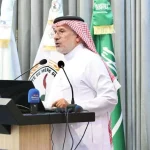
Saudi Arabia’s Minister of Hajj and Umrah, Dr. Tawfig Al-Rabiah, delivered a landmark keynote address at the Oxford Centre for Islamic Studies on April 23, 2025, unveiling a transformative vision that integrates faith, innovation, and service to redefine the Hajj and Umrah experience for millions of pilgrims worldwide. In his speech, Al-Rabiah emphasized that serving pilgrims is a sacred trust, and he outlined a series of groundbreaking initiatives aimed at making the pilgrimage journey more dignified, seamless, and spiritually fulfilling. The address, reported by the Saudi Press Agency (SPA), highlighted the Kingdom’s commitment to leveraging technology to enhance religious observances without compromising their sanctity.
How can modern technology elevate one of the world’s oldest religious traditions without diminishing its spiritual essence? Dr. Al-Rabiah’s address provided a compelling answer: by ensuring that innovation serves faith, not the other way around. “Technology must support our values — not replace them,” he stated, underscoring the Kingdom’s philosophy that every advancement must reflect a commitment to dignity, faith, and the sacred journey of each pilgrim. This vision aligns with Saudi Arabia’s broader efforts under Vision 2030 to modernize infrastructure and services while preserving cultural and religious heritage. The Oxford address, therefore, was not merely a presentation of new tools but a declaration of Saudi Arabia’s leadership in balancing tradition with progress.
Context and Background
Why has Saudi Arabia placed such a strong emphasis on transforming the pilgrimage experience? The answer lies in the Kingdom’s unique role as the custodian of Islam’s holiest sites, Makkah and Madinah, and its responsibility to host millions of pilgrims annually. Over the years, the number of pilgrims has steadily increased, with 2024 witnessing over 18.5 million pilgrims, a testament to Saudi Arabia’s investments in infrastructure and human-centered innovation. This growth has necessitated a comprehensive overhaul of services to ensure safety, efficiency, and spiritual focus. The Ministry of Hajj and Umrah, under Dr. Al-Rabiah’s leadership, has been at the forefront of this transformation, collaborating with international partners and leveraging cutting-edge technologies.
The Oxford Centre for Islamic Studies, a renowned academic institution, provided a fitting platform for this address. Dr. Farhan Nizami, the centre’s director, commended Saudi Arabia’s efforts, noting that the Kingdom’s fusion of faith, history, and cutting-edge solutions sets a global standard for pilgrimage management. “The Kingdom’s approach effectively balances tradition and innovation, inspiring countries worldwide,” he said. This recognition underscores the international impact of Saudi Arabia’s initiatives and their potential to serve as a model for other nations. The address also highlighted the importance of preserving Islamic heritage, with 55 historical sites already restored to ensure pilgrims remain connected to the rich history of Makkah and Madinah. Such efforts reflect a holistic approach that values both the physical and spiritual well-being of pilgrims.
Key Details of the Transformative Vision
What are the concrete initiatives driving this transformation? Dr. Al-Rabiah detailed several groundbreaking projects. The Electronic Hajj Pathway, developed in partnership with over 80 countries, digitizes all aspects of the Hajj process, from visa issuance to service contracts, ensuring a streamlined and coordinated experience. The Nusuk Hajj Platform, now active in 126 countries, empowers pilgrims to independently book and manage their journey, eliminating intermediaries and ensuring fair access. Smart Cards provided to each pilgrim link to personal and health information, enabling safe and efficient movement while preserving the sanctity of the experience. These tools represent a significant leap in service delivery, prioritizing the pilgrim’s needs at every step.
Artificial intelligence is another cornerstone of this vision. At the Grand Mosque, AI is used to manage crowds and respond swiftly to emergencies without disrupting the spiritual atmosphere. The Nusuk App, offering over 100 digital services in 20 languages, has issued more than 13 million permits to visit Al-Rawdah Al-Sharifah, up from 4 million in 2022. This exponential growth demonstrates the app’s effectiveness in facilitating access to one of Islam’s most revered sites. How do these technological advancements enhance the spiritual journey? By reducing logistical burdens, they allow pilgrims to focus on their devotion, ensuring that the experience remains deeply fulfilling. The integration of such technologies reflects Saudi Arabia’s commitment to innovation that serves faith, a principle that resonates with pilgrims and global observers alike.
International and Regional Impact
How does Saudi Arabia’s pilgrimage management influence the global Muslim community? The Kingdom’s initiatives have far-reaching implications, setting a benchmark for other countries hosting religious gatherings. The Electronic Hajj Pathway and Nusuk Platform, with their extensive international partnerships, facilitate smoother coordination and enhance the overall experience for pilgrims from diverse backgrounds. This collaborative approach fosters goodwill and strengthens ties between Saudi Arabia and nations worldwide. Moreover, the restoration of historical Islamic sites contributes to preserving cultural heritage, offering pilgrims a deeper connection to their faith’s history. These efforts align with Saudi Arabia’s Vision 2030, which aims to diversify the economy and promote cultural exchange.
Regionally, the transformation of Hajj and Umrah services supports Saudi Arabia’s role as a leader in the Islamic world. By ensuring that pilgrims from all socioeconomic backgrounds have fair access to these sacred journeys, the Kingdom reinforces its commitment to equality and service. The use of AI and digital platforms also positions Saudi Arabia as a pioneer in smart pilgrimage solutions, potentially influencing similar initiatives in other regions. Dr. Al-Rabiah’s invitation to scholars and global partners to contribute to this evolution underscores the Kingdom’s openness to collaboration and its desire to share its model with the world. This inclusive approach not only enhances the pilgrimage experience but also promotes international understanding and cooperation.
Economic and Strategic Significance
What economic benefits arise from these advancements? The Hajj and Umrah sector is a vital component of Saudi Arabia’s economy, contributing significantly to GDP and employment. By streamlining processes and increasing capacity, the Kingdom can accommodate more pilgrims, thereby boosting revenue from associated services such as hospitality, transportation, and retail. The digital platforms also create opportunities for small businesses and entrepreneurs, as pilgrims can easily access services through the Nusuk App. Furthermore, the focus on technology and innovation attracts investment and fosters a knowledge-based economy, in line with Vision 2030’s goals. The strategic importance of these initiatives extends beyond economics; they enhance Saudi Arabia’s soft power and global standing.
Strategically, the successful management of Hajj and Umrah is a matter of national pride and religious duty. The Kingdom’s ability to host millions of pilgrims safely and efficiently demonstrates its logistical capabilities and commitment to service. The restoration of historical sites and the preservation of Islamic heritage further solidify its role as the guardian of Islam’s holiest places. These efforts also counter any negative perceptions by showcasing Saudi Arabia’s modernization and dedication to the well-being of pilgrims. As the Kingdom continues to invest in this sector, it reinforces its position as a global leader in pilgrimage management, setting standards that others may aspire to follow.
Vision 2030 Alignment
How do these initiatives align with Saudi Arabia’s Vision 2030? The vision, spearheaded by Crown Prince Mohammed bin Salman, aims to transform the Kingdom into a diversified, innovative economy while preserving its cultural and religious identity. The pilgrimage transformation directly supports several Vision 2030 objectives, including enhancing the quality of services, promoting digital innovation, and fostering international collaboration. By integrating advanced technologies and streamlining processes, Saudi Arabia enhances the pilgrim experience, making it more accessible and fulfilling. This, in turn, boosts the sector’s economic contribution and reinforces the Kingdom’s leadership in the Islamic world. The restoration of heritage sites also aligns with the vision’s cultural goals, ensuring that traditions are preserved for future generations.
In conclusion, Dr. Al-Rabiah’s Oxford address reaffirmed Saudi Arabia’s unwavering commitment to serving pilgrims with dignity and innovation. The initiatives unveiled not only elevate the Hajj and Umrah experience but also exemplify the Kingdom’s forward-looking approach under Vision 2030. As Saudi Arabia continues to blend faith with technology, it sets a global standard for pilgrimage management, inspiring countries worldwide. The invitation to scholars and partners to contribute to this journey highlights the Kingdom’s inclusive and collaborative spirit. With each advancement, Saudi Arabia strengthens its role as a beacon of service and innovation, ensuring that the sacred journey of every pilgrim remains spiritually enriching and seamlessly managed.
20 Questions
Q1. What was the main focus of Dr. Al-Rabiah’s address at Oxford?
A1. Dr. Al-Rabiah focused on Saudi Arabia’s transformative vision for Hajj and Umrah, emphasizing the integration of faith, innovation, and service to enhance the pilgrim experience.
Q2. What is the Electronic Hajj Pathway?
A2. The Electronic Hajj Pathway is a digital system developed with over 80 countries to coordinate all aspects of Hajj, from visa issuance to service contracts, ensuring a seamless process.
Q3. How many countries is the Nusuk Hajj Platform active in?
A3. The Nusuk Hajj Platform is currently active in 126 countries, allowing pilgrims to independently book and manage their journey without intermediaries.
Q4. What are Smart Cards and how do they help pilgrims?
A4. Smart Cards are provided to each pilgrim and link to personal and health information, enabling safe and efficient movement while preserving the sanctity of the experience.
Q5. How is artificial intelligence used at the Grand Mosque?
A5. AI is used to manage crowds and respond swiftly to emergencies at the Grand Mosque without disrupting the spiritual atmosphere.
Q6. What is the Nusuk App and what services does it offer?
A6. The Nusuk App offers over 100 digital services in 20 languages, including issuing permits to visit Al-Rawdah Al-Sharifah, with over 13 million permits issued.
Q7. How many pilgrims did Saudi Arabia welcome in 2024?
A7. Saudi Arabia welcomed over 18.5 million pilgrims in 2024, reflecting the Kingdom’s investment in infrastructure and human-centered innovation.
Q8. How many historical Islamic sites has Saudi Arabia restored?
A8. Saudi Arabia has restored 55 historical Islamic sites to ensure pilgrims remain connected to the rich history of Makkah and Madinah.
Q9. What did Dr. Farhan Nizami say about Saudi Arabia’s efforts?
A9. Dr. Farhan Nizami commended Saudi Arabia’s fusion of faith, history, and cutting-edge solutions, stating it sets a global standard for pilgrimage management.
Q10. What philosophy did Dr. Al-Rabiah emphasize regarding technology?
A10. Dr. Al-Rabiah emphasized that technology must support values, not replace them, and that everything built must reflect commitment to dignity, faith, and the sacred journey.
Q11. How has the number of permits to Al-Rawdah Al-Sharifah changed since 2022?
A11. The number of permits issued via the Nusuk App increased from 4 million in 2022 to over 13 million, demonstrating significant growth in access.
Q12. What role does the Ministry of Hajj and Umrah play in these initiatives?
A12. The Ministry of Hajj and Umrah, under Dr. Al-Rabiah, leads the transformation by developing digital platforms, partnering internationally, and ensuring services are efficient and spiritually focused.
Q13. How does the transformation align with Vision 2030?
A13. The transformation aligns with Vision 2030 by promoting digital innovation, enhancing service quality, boosting economic contribution, and preserving cultural heritage.
Q14. What economic benefits does the Hajj and Umrah sector bring to Saudi Arabia?
A14. The sector significantly contributes to GDP and employment, and by increasing capacity, it boosts revenue from hospitality, transportation, and retail services.
Q15. How does Saudi Arabia ensure fair access to Hajj and Umrah?
A15. Through platforms like Nusuk, pilgrims can book directly without intermediaries, ensuring fair access regardless of socioeconomic background.
Q16. What is the significance of restoring historical Islamic sites?
A16. Restoring historical sites preserves Islamic heritage, allowing pilgrims to connect with the rich history of Makkah and Madinah, and enriches their spiritual journey.
Q17. How does Saudi Arabia’s approach inspire other countries?
A17. Saudi Arabia’s balanced approach of tradition and innovation sets a global standard, inspiring other nations to enhance their own pilgrimage management systems.
Q18. What did Dr. Al-Rabiah invite scholars and global partners to do?
A18. He invited them to contribute ideas, research, and help share Saudi Arabia’s model with the wider world, fostering continuous evolution of the pilgrimage journey.
Q19. How does the Nusuk App improve the pilgrim experience?
A19. The Nusuk App provides over 100 digital services in 20 languages, simplifying logistics and allowing pilgrims to focus on their spiritual devotion.
Q20. What is the overarching goal of Saudi Arabia’s pilgrimage transformation?
A20. The goal is to make the pilgrimage journey dignified, seamless, and spiritually fulfilling, reflecting the Kingdom’s commitment to serving pilgrims as a sacred trust.
Reader Feedback
We value your thoughts. Please share your feedback on this article.
Your feedback helps us improve our coverage.
Related articles
 Ministry Unveils Hajj 1446 Service Package
 KSrelief Team Performs 42 Surgeries in Damascus
 KSrelief Chief Visits Tunisian Hospital to Boost Health Ties
 Saudi Arabia Weather Forecast for Thursday: Rain and Dust Winds
 Saudi Green Building Forum Joins International Accreditation Forum
 KSrelief Chief Highlights Saudi Global Humanitarian Role at Tunisian University