


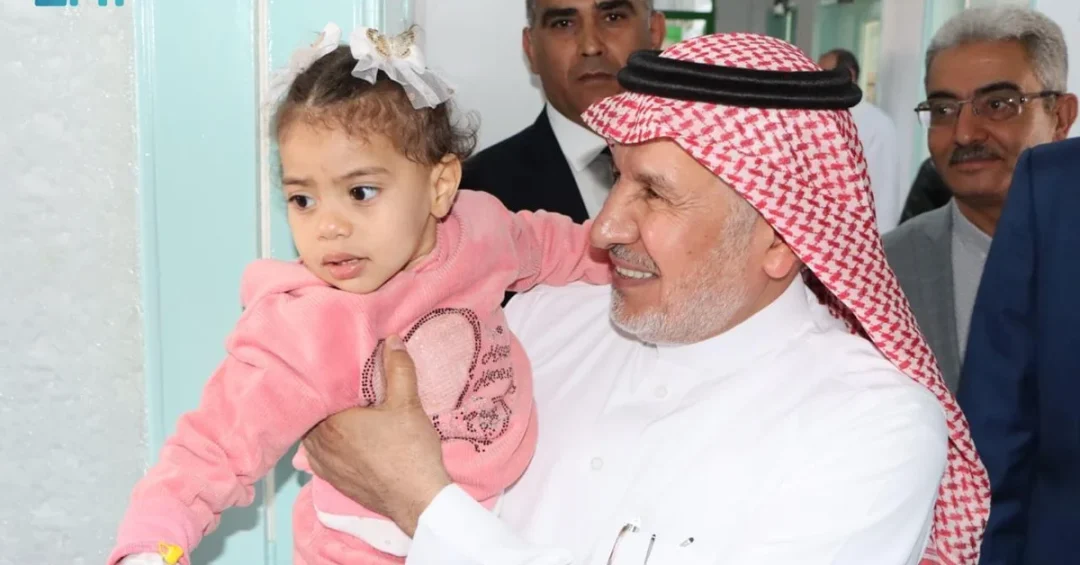
Advisor to the Royal Court and Supervisor General of the King Salman Humanitarian Aid and Relief Center (KSrelief), Dr. Abdullah Al Rabeeah, visited Fattouma Bourguiba University Hospital in Monastir, Tunisia, on April 23, 2025, as part of an official visit to the country. The visit, reported by the Saudi Press Agency (SPA), underscores Saudi Arabia’s commitment to strengthening health cooperation and humanitarian ties with Tunisia, a brotherly nation. Dr. Al Rabeeah was accompanied by the Saudi Ambassador to Tunisia, Dr. Abdulaziz bin Ali Al-Saqr, reflecting the diplomatic importance of the engagement. During the tour, Dr. Al Rabeeah received a comprehensive briefing on the hospital’s departments and services, including emergency and intensive care units, surgical departments, and specialized services such as major surgeries, organ transplants, and pediatric scientific research. This visit highlights the Kingdom’s ongoing efforts to support health care development and knowledge exchange across the region.
Why does this visit matter now, and what does it signal about Saudi Arabia’s role in global health diplomacy? The engagement comes at a time when Saudi Arabia, under the leadership of the Custodian of the Two Holy Mosques, King Salman bin Abdulaziz Al Saud, and His Royal Highness Crown Prince Mohammed bin Salman, is intensifying its humanitarian outreach through KSrelief. The center has become a linchpin of Saudi soft power, delivering aid in over 90 countries. By visiting a prominent Tunisian medical institution, Dr. Al Rabeeah reinforces the Kingdom’s dedication to sharing expertise and supporting health infrastructure in nations facing resource constraints. This visit is not merely symbolic; it opens doors for potential collaboration in medical training, research, and patient care, aligning with Saudi Arabia’s Vision 2030 goal of fostering international partnerships and showcasing Saudi leadership in humanitarian fields.
Context and Background
How did this visit come about, and what is the broader context of Saudi-Tunisian relations? The official visit to Tunisia by Dr. Abdullah Al Rabeeah is part of a series of engagements aimed at bolstering bilateral ties. Tunisia, a North African nation with a rich history and strategic location, has long been a partner of Saudi Arabia in various sectors, including health, education, and economy. KSrelief, established in 2015 by royal decree, has been at the forefront of Saudi humanitarian efforts, providing relief to communities affected by crises and supporting sustainable development projects. The visit to Fattouma Bourguiba University Hospital in Monastir, a city known for its medical and academic institutions, reflects a targeted approach to understanding and potentially enhancing Tunisia’s health care capabilities. The presence of Ambassador Dr. Abdulaziz bin Ali Al-Saqr further emphasizes the diplomatic weight of the visit, bridging humanitarian and diplomatic objectives.
What specific aspects of the hospital were highlighted during the briefing, and why are they significant? Dr. Al Rabeeah was briefed on the hospital’s emergency and intensive care units, surgical departments, and specialized services like major surgeries, organ transplants, and pediatric scientific research. These areas represent critical components of a robust health care system. Emergency and intensive care units are vital for responding to acute medical crises, while surgical departments and organ transplant services require advanced infrastructure and skilled personnel. Pediatric scientific research is particularly important for addressing children’s health issues and advancing medical knowledge. By focusing on these specialties, the visit underscores a shared interest in improving health outcomes and fostering innovation. It also aligns with Saudi Arabia’s own health care advancements, which have been a priority under Vision 2030, aiming to enhance quality of life and build a resilient health sector.
How does this visit fit into Saudi Arabia’s broader humanitarian strategy? KSrelief has been instrumental in delivering aid and implementing development projects worldwide, often in collaboration with local institutions. In Tunisia, Saudi Arabia has previously supported health initiatives, including providing medical equipment and facilitating training programs. This visit could pave the way for further cooperation, such as exchange programs for medical professionals, joint research initiatives, and capacity-building efforts. It also reinforces the Kingdom’s image as a responsible global actor, committed to alleviating suffering and promoting stability. By engaging with a university hospital, KSrelief taps into a hub of medical education and research, potentially multiplying the impact of any future support. This approach is consistent with Saudi Arabia’s emphasis on sustainable development and knowledge transfer, core tenets of its humanitarian philosophy.
Key Details
What exactly happened during Dr. Al Rabeeah’s tour, and who was involved? During the visit, Dr. Al Rabeeah, accompanied by Ambassador Dr. Abdulaziz bin Ali Al-Saqr, toured the hospital’s facilities and received a detailed briefing from hospital officials. The briefing covered the hospital’s departments and services, with a particular focus on emergency and intensive care units, surgical departments, and specialized services including major surgeries, organ transplants, and pediatric scientific research. This hands-on engagement allowed Dr. Al Rabeeah to gain firsthand insight into the hospital’s operations, challenges, and successes. The visit also provided an opportunity to discuss potential areas of collaboration, such as training for medical staff, sharing best practices, and supporting research endeavors. The hospital, affiliated with the University of Monastir, is a key referral center in the region, making it a strategic partner for any health-related cooperation.
Why is Fattouma Bourguiba University Hospital a notable institution in Tunisia? Located in Monastir, a coastal city with a strong educational and medical infrastructure, Fattouma Bourguiba University Hospital serves as a teaching hospital and a major provider of tertiary care. It is known for its specialized services, including organ transplantation and pediatric research, which are often limited in the region. The hospital’s affiliation with the University of Monastir allows it to combine clinical care with medical education and research, contributing to the training of future health care professionals. Its emergency and intensive care units are critical for handling severe cases, and its surgical departments perform complex procedures. By visiting this institution, Dr. Al Rabeeah acknowledges its importance and signals Saudi Arabia’s interest in supporting such centers of excellence, which can have a ripple effect on health care quality across Tunisia and beyond.
What did the briefing entail, and what does it reveal about the hospital’s capabilities? The briefing provided an overview of the hospital’s departments and services, highlighting its emergency and intensive care units, surgical departments, and specialized services like major surgeries, organ transplants, and pediatric scientific research. This suggests that the hospital possesses advanced capabilities in these areas, but may also face challenges such as resource constraints or the need for further specialization. Dr. Al Rabeeah’s interest in these details indicates a potential alignment with KSrelief’s objectives to support health care infrastructure and capacity building. The briefing likely covered the hospital’s patient load, success rates, and ongoing research projects, offering a comprehensive picture of its role in Tunisia’s health system. Such information is crucial for identifying where Saudi support could be most impactful, whether through equipment donations, training programs, or research grants.
International and Regional Impact
How does this visit influence Saudi-Tunisian relations and regional dynamics? The visit is a positive step in strengthening bilateral relations between Saudi Arabia and Tunisia. It demonstrates Saudi Arabia’s continued engagement with North African nations, fostering goodwill and cooperation. In a region often marked by instability, such health diplomacy can contribute to stability and development. Tunisia, which has undergone significant political and economic transitions, benefits from international support in critical sectors like health. Saudi Arabia’s involvement through KSrelief complements efforts by other international donors and organizations, potentially filling gaps and enhancing the overall impact. Moreover, this visit may encourage other Gulf states to deepen their engagement with Tunisia, creating a multiplier effect. For Saudi Arabia, it reinforces its role as a regional leader committed to humanitarian causes, which can enhance its diplomatic standing and soft power.
What are the potential implications for health care cooperation in the region? The visit could catalyze greater cooperation between Saudi Arabia and Tunisia in health care, including exchange programs, joint research, and technology transfer. Saudi Arabia has made significant strides in health care under Vision 2030, with investments in digital health, specialized centers, and medical education. Sharing this expertise with Tunisia could help improve health outcomes and build local capacity. Additionally, the visit may lead to partnerships between Saudi and Tunisian medical institutions, fostering innovation and addressing common health challenges such as non-communicable diseases and pediatric care. On a broader scale, such cooperation can serve as a model for South-South collaboration, where countries share knowledge and resources to achieve common goals. This aligns with Saudi Arabia’s commitment to international solidarity and the Sustainable Development Goals, particularly those related to health and well-being.
Economic and Strategic Significance
Why is health diplomacy economically and strategically important for Saudi Arabia? Health diplomacy is a key component of Saudi Arabia’s soft power strategy, enhancing its image as a benevolent and responsible global actor. Economically, it can open doors for trade and investment, as stable and healthy populations are more productive and attractive to business. Strategically, it builds goodwill and influence, which can translate into support on international platforms. For Saudi Arabia, investing in health care abroad also aligns with its own economic diversification goals under Vision 2030, as it seeks to expand its pharmaceutical and medical technology sectors. By demonstrating leadership in health, the Kingdom can position itself as a hub for medical innovation and services, attracting partnerships and investment. Furthermore, supporting health care in Tunisia can contribute to regional stability, reducing the risk of crises that could spill over and affect Saudi interests.
What role does KSrelief play in Saudi Arabia’s economic and strategic objectives? KSrelief is a vital instrument of Saudi foreign policy, implementing humanitarian projects that complement diplomatic and economic initiatives. Its work in health, education, and infrastructure helps build resilient communities, which are less prone to conflict and more capable of contributing to regional prosperity. By operating in countries like Tunisia, KSrelief strengthens bilateral ties and creates a positive environment for Saudi businesses and investors. It also showcases Saudi Arabia’s commitment to the well-being of people beyond its borders, which can enhance its reputation and influence. In the context of Vision 2030, KSrelief’s activities support the goal of a diversified economy by fostering stability and opening markets. Additionally, the center’s emphasis on sustainable development ensures that its interventions have long-term benefits, aligning with the Kingdom’s focus on creating a better future for all.
Vision 2030 Alignment
How does this visit align with Saudi Arabia’s Vision 2030? Vision 2030 is a comprehensive plan to transform Saudi Arabia’s economy and society, with a strong emphasis on international cooperation and humanitarian leadership. The visit by Dr. Al Rabeeah to Fattouma Bourguiba University Hospital exemplifies the Kingdom’s commitment to global health and solidarity, which are integral to Vision 2030’s objectives. By supporting health care in Tunisia, Saudi Arabia demonstrates its role as a responsible global citizen, contributing to the well-being of people in need. This aligns with Vision 2030’s goal of enhancing Saudi Arabia’s global standing and fostering partnerships that drive mutual prosperity. Moreover, the visit highlights the Kingdom’s focus on knowledge exchange and capacity building, which are essential for sustainable development. Through such engagements, Saudi Arabia not only helps others but also learns and grows, reinforcing its position as a leader in humanitarian aid and international diplomacy.
What does the future hold for Saudi-Tunisian cooperation in health and beyond? The visit is likely to pave the way for more concrete collaborations, such as agreements on medical training, research, and infrastructure support. Saudi Arabia and Tunisia share a history of friendly relations, and health care is a promising area for deeper engagement. Future initiatives could include scholarships for Tunisian medical students in Saudi institutions, joint research projects on prevalent health issues, and the establishment of telemedicine links between hospitals. Beyond health, the strengthened ties could extend to other sectors, including renewable energy, tourism, and education, all of which are priorities under Vision 2030. As Saudi Arabia continues to expand its global footprint, partnerships with countries like Tunisia will be crucial in building a network of allies and friends. This visit is a step in that direction, reflecting the Kingdom’s proactive and compassionate approach to international relations.
20 Questions
Q1. Who visited Fattouma Bourguiba University Hospital in Monastir?
A1. Dr. Abdullah Al Rabeeah, Advisor to the Royal Court and Supervisor General of KSrelief, visited the hospital during an official trip to Tunisia.
Q2. When did the visit take place?
A2. The visit occurred on April 23, 2025, as reported by the Saudi Press Agency.
Q3. Who accompanied Dr. Al Rabeeah during the visit?
A3. He was accompanied by the Saudi Ambassador to Tunisia, Dr. Abdulaziz bin Ali Al-Saqr.
Q4. What is KSrelief?
A4. KSrelief is the King Salman Humanitarian Aid and Relief Center, a Saudi organization established in 2015 to provide international humanitarian assistance.
Q5. What departments and services was Dr. Al Rabeeah briefed on?
A5. He received a briefing on emergency and intensive care units, surgical departments, and specialized services like major surgeries, organ transplants, and pediatric scientific research.
Q6. Why is this hospital significant in Tunisia?
A6. Fattouma Bourguiba University Hospital is a major teaching and referral center in Monastir, known for advanced medical services and research.
Q7. What is the purpose of Dr. Al Rabeeah’s visit to Tunisia?
A7. The visit is part of an official mission to strengthen Saudi-Tunisian cooperation in health and humanitarian fields.
Q8. How does this visit reflect Saudi Arabia’s humanitarian efforts?
A8. It demonstrates Saudi Arabia’s commitment to global health and solidarity through KSrelief’s engagement with key medical institutions.
Q9. What are the potential outcomes of this visit?
A9. It could lead to increased collaboration in medical training, research, and infrastructure support between Saudi Arabia and Tunisia.
Q10. What is the significance of pediatric scientific research at the hospital?
A10. Pediatric research is crucial for advancing children’s health care and addressing specific medical needs, aligning with Saudi Arabia’s focus on health innovation.
Q11. How does this visit align with Vision 2030?
A11. It supports Vision 2030’s goals of international cooperation, humanitarian leadership, and knowledge exchange.
Q12. What role does the Saudi Ambassador play in such visits?
A12. The ambassador facilitates diplomatic and humanitarian engagements, highlighting the importance of the visit at the official level.
Q13. Has KSrelief previously worked in Tunisia?
A13. Yes, KSrelief has implemented various humanitarian and development projects in Tunisia, including health-related initiatives.
Q14. What are emergency and intensive care units important for?
A14. They are essential for treating acute medical conditions and providing critical care to patients in life-threatening situations.
Q15. What specialized services does the hospital offer?
A15. The hospital offers major surgeries, organ transplants, and pediatric scientific research, among other advanced medical services.
Q16. How might this visit impact health care in Tunisia?
A16. It could bring additional support and expertise, enhancing the hospital’s capacity and improving patient outcomes.
Q17. What is the broader context of Saudi-Tunisian relations?
A17. Saudi Arabia and Tunisia have longstanding fraternal ties, with cooperation across political, economic, and social domains.
Q18. What economic benefits could arise from this visit?
A18. It may open avenues for investment and trade in health care and related sectors, contributing to economic diversification.
Q19. How does this visit enhance Saudi Arabia’s global image?
A19. It showcases Saudi Arabia as a compassionate and responsible global actor, committed to humanitarian causes and international partnerships.
Q20. What future steps might follow this visit?
A20. Future steps could include formal agreements, joint projects, and exchange programs in health and other areas of mutual interest.
Reader Feedback
We value your thoughts. Please share your feedback on this article.
Your feedback helps us improve our coverage.
Related articles
 Saudi Arabia Weather Forecast for Thursday: Rain and Dust Winds
 Saudi Green Building Forum Joins International Accreditation Forum
 KSrelief Chief Highlights Saudi Global Humanitarian Role at Tunisian University
 Justice Ministry Introduces Court Model to Improve Judicial Efficiency
 King Salman Appoints Prince Abdulaziz bin Salman as KAUST Board Chairman
 Rare Solar Halo Dazzles Aseer Skies, Captivating Residents