


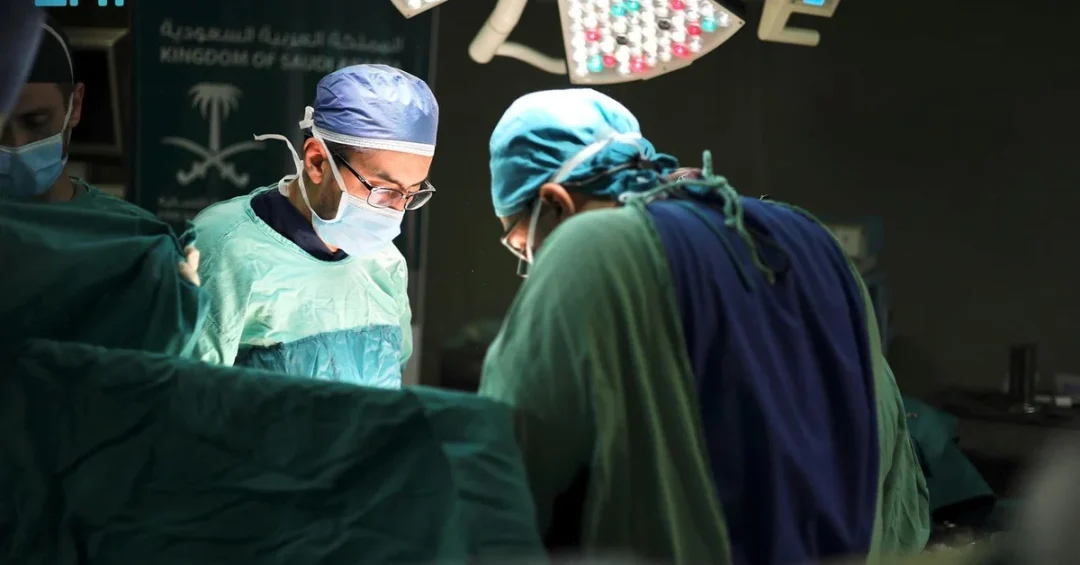
A volunteer medical team from the King Salman Humanitarian Aid and Relief Center (KSrelief) has successfully examined 90 patients and performed 42 surgeries — including 10 neurosurgeries and 32 urology procedures — in Damascus, the Syrian Arab Republic, according to the Saudi Press Agency (SPA). The mission, announced on April 24, 2025, underscores Saudi Arabia’s ongoing commitment to delivering specialized medical care to communities in need around the world. Have you ever wondered how such rapid, high-impact humanitarian interventions come together? The KSrelief team’s work in Damascus represents a lifeline for patients who might otherwise lack access to advanced surgical care, and it reflects the Kingdom’s broader vision of global solidarity and relief.
The procedures were carried out by Saudi medical volunteers who specialize in neurosurgery and urology, two fields where Syria’s healthcare system has faced acute shortages after years of conflict. The team’s ability to examine 90 patients and operate on 42 of them in a single mission highlights both the efficiency of KSrelief’s volunteer model and the depth of need on the ground. This initiative is part of Saudi Arabia’s ongoing humanitarian assistance through KSrelief, which operates in dozens of countries to support vulnerable populations. How does a single medical mission translate into lasting hope for a war-torn region? By restoring health, dignity, and functionality to individuals who can then return to their families and communities, the impact ripples far beyond the operating room.
Context and Background
Why does Saudi Arabia invest so heavily in humanitarian medical missions like the one in Damascus? The answer lies in the Kingdom’s longstanding tradition of charitable giving and its modern strategy of using specialized expertise to address global crises. KSrelief, established in 2015 by royal decree, has become a central pillar of Saudi Arabia’s international aid architecture, delivering food, shelter, medical care, and education in partnership with local and international organizations. Since its founding, KSrelief has implemented thousands of projects in more than 80 countries, with a particular focus on Yemen, Syria, and other conflict-affected states. The Damascus mission is a continuation of that legacy, bringing together Saudi medical professionals who volunteer their time and skills to serve those in desperate need.
Syria’s healthcare infrastructure has been severely degraded after more than a decade of conflict, leaving many patients without access to routine surgeries, let alone complex neurosurgical or urological procedures. Hospitals lack equipment, medicines, and trained staff, and many specialists have fled the country. In this environment, the arrival of a specialized Saudi team is not just a medical intervention but a symbol of regional solidarity. The KSrelief mission in Damascus follows previous Saudi aid efforts in Syria, including food distributions, winterization kits, and mobile clinics. Each initiative is coordinated with local health authorities to ensure that aid reaches the most vulnerable. How does KSrelief decide where to deploy its volunteer teams? The process involves detailed needs assessments, security evaluations, and partnerships with trusted local entities, ensuring that every mission delivers maximum benefit with minimal risk.
The timing of this mission is also significant. As Syria gradually emerges from years of isolation, Saudi Arabia has taken a leading role in regional diplomacy and humanitarian engagement, supporting stability and reconstruction. The medical team’s work complements broader Saudi efforts to foster peace and development in the region. By providing direct, life-changing care, KSrelief demonstrates that Saudi Arabia’s commitment to its neighbors goes beyond rhetoric. What does this mean for the future of Saudi-Syrian relations? It signals a deepening of ties based on mutual respect and shared humanitarian values, laying the groundwork for cooperation in health, education, and economic recovery.
Key Details of the Medical Mission
The KSrelief volunteer team examined 90 patients during its deployment in Damascus, ultimately performing 42 surgeries. Of these, 10 were neurosurgical procedures and 32 were urological interventions. Neurosurgeries often involve complex operations on the brain, spine, or nervous system, requiring highly specialized skills and equipment. Urology procedures address conditions of the urinary tract and male reproductive system, including kidney stones, tumors, and congenital anomalies. The fact that the team could carry out such a high volume of surgeries in a short period speaks to the efficiency and dedication of the Saudi volunteers. Who are these volunteers? They are Saudi consultants, surgeons, nurses, and technicians who take time away from their regular duties to serve on KSrelief missions, often in challenging environments.
Each surgery requires meticulous preparation, from pre-operative assessments to post-operative care. The team worked alongside Syrian medical staff, sharing knowledge and building local capacity. This collaborative approach is a hallmark of KSrelief’s methodology: rather than simply providing temporary relief, it aims to leave behind improved skills and systems. The mission also included the distribution of essential medicines and medical supplies, further supporting the local health system. How do patients get selected for these surgeries? Local health authorities and KSrelief coordinators identify individuals with the most urgent needs, prioritizing those who cannot afford or access care elsewhere. The selection process is transparent and based on medical criteria, ensuring fairness and maximum impact.
The success of the mission was made possible by careful logistical planning. KSrelief transported medical equipment, sterilized instruments, and medications to Damascus, and coordinated with Syrian hospitals to use their operating theaters. Security arrangements were also a priority, given the still-fragile situation in parts of Syria. The fact that the team could complete all planned procedures without major incidents is a testament to the professionalism of all involved. What happens to patients after surgery? They receive follow-up care from local doctors, with KSrelief providing medications and guidance for recovery. In some cases, patients may need additional interventions, and KSrelief remains in contact with local partners to monitor outcomes.
International and Regional Impact
How does the KSrelief mission in Damascus resonate beyond Syria’s borders? It reinforces Saudi Arabia’s reputation as a leading humanitarian donor and a responsible regional power. In a world where crises are increasingly complex, Saudi Arabia’s willingness to deploy specialized medical teams demonstrates a proactive approach to global health. The mission also strengthens ties with Syria at a time when many countries are re-engaging with Damascus. By focusing on health, a universal human need, Saudi Arabia sidesteps political sensitivities and builds goodwill among the Syrian people. This soft power approach is consistent with the Kingdom’s broader foreign policy, which emphasizes stability, development, and dialogue.
Regionally, the mission contributes to efforts to alleviate the suffering caused by years of conflict. Neighboring countries like Jordan, Lebanon, and Turkey host millions of Syrian refugees, and any improvement in Syria’s health infrastructure can reduce pressure on their systems. Moreover, by demonstrating that specialized care is possible even in difficult circumstances, the KSrelief team offers a model that others can follow. International organizations, including UN agencies, have praised Saudi Arabia’s humanitarian role, noting that KSrelief’s rapid response capabilities are among the best in the world. What can other nations learn from this mission? That targeted, expert-led interventions can achieve outsized results when they are well-planned and locally integrated.
Economic and Strategic Significance
What does Saudi Arabia gain from these humanitarian missions? Beyond the obvious moral imperative, such initiatives align with the Kingdom’s strategic interests. A stable, healthy Syria is more likely to contribute to regional security and economic recovery, which benefits Saudi Arabia and its allies. By investing in health, Saudi Arabia helps create conditions for refugees to return home voluntarily, reducing migration pressures and fostering long-term stability. Additionally, the missions showcase Saudi expertise and innovation, enhancing the Kingdom’s global image as a modern, compassionate nation. This is particularly important as Saudi Arabia pursues Vision 2030, which aims to diversify the economy and strengthen international partnerships.
The economic ripple effects of medical missions are also noteworthy. Patients who receive surgery can return to work, support their families, and contribute to their communities. This reduces the burden on social services and stimulates local economies. Furthermore, the collaboration between Saudi and Syrian medical professionals can lead to future trade and investment in healthcare, as Syrian hospitals may seek Saudi equipment, pharmaceuticals, or training. KSrelief’s work thus serves as a bridge for broader economic engagement. How does this fit with Saudi Arabia’s economic diversification goals? By positioning the Kingdom as a hub for humanitarian logistics and medical expertise, it opens opportunities for Saudi companies in the health sector and reinforces the country’s role as a regional leader.
Vision 2030 Alignment
How does the KSrelief mission in Damascus reflect the objectives of Saudi Vision 2030? Vision 2030 is not only about economic transformation at home but also about projecting Saudi Arabia’s values and influence abroad. One of its pillars is a “vibrant society” that cares for its citizens and extends compassion to others. KSrelief embodies this pillar by delivering aid efficiently and with dignity. Moreover, the mission supports the Vision’s goal of enhancing Saudi Arabia’s global standing and building strategic partnerships. By leading in humanitarian response, the Kingdom demonstrates that it is a force for good in the world, capable of addressing complex challenges with professionalism and empathy.
Looking ahead, KSrelief will continue to expand its volunteer programs, sending more specialized teams to underserved regions. The success in Damascus serves as a blueprint for future missions, showing how Saudi expertise can be mobilized quickly and effectively. As Saudi Arabia approaches the 2030 deadline, such initiatives will be increasingly important in showcasing the Kingdom’s progress and its commitment to international cooperation. The patients who received surgery in Damascus are not just statistics; they are individuals whose lives have been transformed. Their stories are the true measure of Vision 2030’s global impact, and they inspire Saudi volunteers to keep serving humanity wherever the need is greatest.
20 Questions
Q1. What organization carried out the medical mission in Damascus?
A1. The mission was carried out by a volunteer medical team from the King Salman Humanitarian Aid and Relief Center (KSrelief), Saudi Arabia’s primary humanitarian agency.
Q2. How many patients were examined by the KSrelief team?
A2. The team examined 90 patients during its deployment in Damascus, according to the Saudi Press Agency.
Q3. How many surgeries were performed in total?
A3. The team successfully performed 42 surgeries in total, comprising 10 neurosurgeries and 32 urology procedures.
Q4. What types of surgeries were conducted?
A4. The procedures included 10 neurosurgeries, which involve the brain, spine, and nervous system, and 32 urology procedures, which address the urinary tract and male reproductive system.
Q5. When was the mission announced?
A5. The mission was announced on April 24, 2025, by the Saudi Press Agency (SPA).
Q6. Where did the medical mission take place?
A6. The mission took place in Damascus, the capital of the Syrian Arab Republic.
Q7. Why is this mission significant for Syria?
A7. It provides critical specialized surgical care to patients in a country whose healthcare system has been severely weakened by years of conflict, offering hope and restoring health.
Q8. Who are the volunteers on these KSrelief missions?
A8. The volunteers are Saudi medical professionals, including consultants, surgeons, nurses, and technicians, who donate their time and expertise to serve on humanitarian missions.
Q9. How does KSrelief select patients for surgery?
A9. Local health authorities and KSrelief coordinators identify patients with the most urgent medical needs, prioritizing those who cannot access or afford care elsewhere, based on transparent medical criteria.
Q10. What is KSrelief’s track record in global humanitarian aid?
A10. Since its founding in 2015, KSrelief has implemented thousands of projects in over 80 countries, focusing on food, shelter, health, and education for vulnerable populations.
Q11. How does this mission align with Saudi Vision 2030?
A11. It reflects Vision 2030’s pillar of a vibrant society and Saudi Arabia’s goal to enhance its global standing through compassionate, professional humanitarian engagement.
Q12. What logistical challenges did the team face?
A12. The team had to transport medical equipment and supplies, coordinate with local hospitals for operating theaters, and ensure security in a still-fragile environment.
Q13. What happens to patients after surgery?
A13. Patients receive follow-up care from local doctors, with KSrelief providing medications and guidance. Local partners monitor recovery and any need for further intervention.
Q14. How does this mission impact regional stability?
A14. By improving health and reducing suffering, it supports stability in Syria and the wider region, easing pressures on neighboring countries and fostering goodwill.
Q15. What is the economic significance of such missions?
A15. They help patients return to work, support local economies, and open opportunities for future Saudi-Syrian cooperation in healthcare trade and investment.
Q16. How do international organizations view KSrelief’s work?
A16. UN agencies and other international bodies have praised KSrelief for its rapid response capabilities and effective, needs-based humanitarian interventions.
Q17. What other aid has Saudi Arabia provided to Syria?
A17. Saudi Arabia has delivered food distributions, winterization kits, mobile clinics, and other essential relief through KSrelief and its partners.
Q18. How can other nations learn from this mission?
A18. It demonstrates that targeted, expert-led medical interventions, integrated with local systems, can achieve significant impact even in challenging post-conflict settings.
Q19. What is the future of KSrelief’s volunteer medical missions?
A19. KSrelief plans to expand its volunteer programs, sending more specialized teams to underserved regions as part of Saudi Arabia’s ongoing humanitarian commitment.
Q20. How does this mission reflect Saudi Arabia’s values?
A20. It embodies Saudi Arabia’s tradition of charity, its spirit of solidarity, and its dedication to alleviating human suffering worldwide, in line with its Islamic and humanitarian principles.
Reader Feedback
We value your thoughts. Please share your feedback on this article.
Your feedback helps us improve our coverage.
Related articles
 KSrelief Chief Visits Tunisian Hospital to Boost Health Ties
 Saudi Arabia Weather Forecast for Thursday: Rain and Dust Winds
 Saudi Green Building Forum Joins International Accreditation Forum
 KSrelief Chief Highlights Saudi Global Humanitarian Role at Tunisian University
 Justice Ministry Introduces Court Model to Improve Judicial Efficiency
 King Salman Appoints Prince Abdulaziz bin Salman as KAUST Board Chairman