


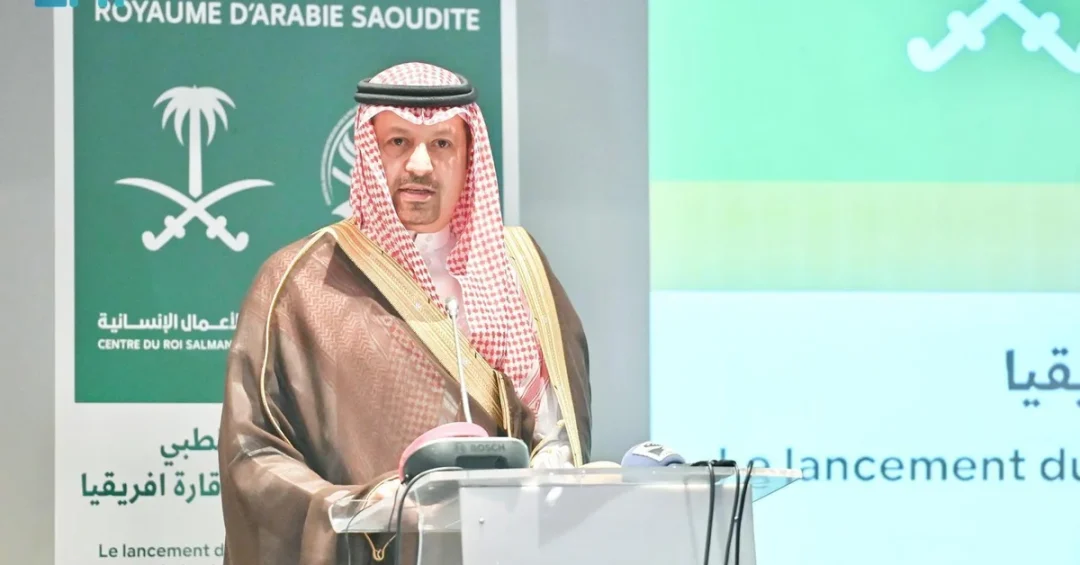
The King Salman Humanitarian Aid and Relief Center (KSrelief) launched the “Saudi Hearing” volunteer program for cochlear implantation and auditory rehabilitation for children in the Republic of Senegal on April 22, 2025, in Dakar. The initiative, led by KSrelief Assistant Supervisor-General for Planning and Development Dr. Aqeel Al-Ghamdi, brings together 14 medical volunteers specializing in audiology, otolaryngology, speech therapy, and pediatric care. The program aims to provide life-changing hearing restoration to Senegalese children while strengthening bilateral ties between Saudi Arabia and Senegal. The launch event was attended by several officials from both nations, underscoring the collaborative spirit of this humanitarian endeavor.
This program is part of Saudi Arabia’s broader volunteer medical efforts carried out through KSrelief, the Kingdom’s humanitarian arm, which has a long history of assisting communities affected by crises and hardships worldwide. By focusing on cochlear implantation and auditory rehabilitation, the initiative addresses a critical health need in Senegal, where access to advanced ear surgeries and post-operative care remains limited. The “Saudi Hearing” program not only offers immediate medical relief but also builds local capacity by training Senegalese healthcare professionals in cutting-edge techniques. How does such targeted humanitarian aid transform lives and foster goodwill across continents? The answer lies in the tangible outcomes: children regaining their hearing, families restored to fuller communication, and a partner nation strengthened in its healthcare infrastructure.
Context and Background
What drives Saudi Arabia to extend its medical expertise to West Africa? The Kingdom’s humanitarian philosophy is rooted in Islamic values and a commitment to global solidarity, as articulated in its Vision 2030 framework. KSrelief, established in 2015 by royal decree, has since become a leading international donor, implementing thousands of projects in over 90 countries. Its volunteer programs, particularly in the medical field, are designed to deliver specialized care where it is most needed and to leave a lasting impact through training and knowledge transfer. Senegal, a nation with a predominantly young population, faces a significant burden of childhood hearing loss, often due to untreated infections, genetic factors, or limited access to prenatal care. According to the World Health Organization, over 5% of the world’s population lives with disabling hearing loss, and a disproportionate number reside in low- and middle-income countries. In Senegal, the shortage of ENT specialists and audiology services means many children never receive the interventions that could prevent lifelong disability. The “Saudi Hearing” program directly addresses this gap by deploying a multidisciplinary team to perform surgeries and provide rehabilitation, while also collaborating with local health authorities to ensure sustainability.
This initiative is not an isolated effort but part of a strategic partnership between Saudi Arabia and Senegal. In recent years, the two countries have deepened cooperation in trade, energy, and cultural exchange. Saudi Arabia has supported Senegal through various development projects, including the construction of schools, water wells, and health centers. The launch of the “Saudi Hearing” program adds a new dimension to this relationship, emphasizing health diplomacy as a pillar of soft power. By sending its most skilled medical volunteers, the Kingdom demonstrates its commitment to sharing its resources and expertise for the betterment of humanity. Moreover, the program aligns with the objectives of the United Nations Sustainable Development Goals, particularly Goal 3 on good health and well-being, and Goal 17 on partnerships for the goals. Saudi Arabia’s role as a global humanitarian leader is thus reinforced through concrete actions that save lives and build hope.
Key Details of the Initiative
How exactly will the “Saudi Hearing” program operate on the ground? The 14 volunteers, selected from top Saudi hospitals and medical institutions, will work alongside Senegalese medical staff at designated facilities in Dakar. The team includes surgeons, anesthesiologists, nurses, audiologists, and speech therapists, ensuring comprehensive care from pre-operative assessment to post-operative rehabilitation. Cochlear implantation is a sophisticated procedure that involves surgically placing an electronic device in the inner ear to stimulate the auditory nerve, bypassing damaged hair cells. For children with severe to profound hearing loss, this intervention can be transformative, enabling them to develop speech and language skills, attend mainstream schools, and participate fully in society. The program will also provide auditory rehabilitation, which includes fitting and tuning the devices, as well as therapy sessions to help children interpret sounds and develop communication abilities. Dr. Aqeel Al-Ghamdi, in his remarks at the launch, emphasized that the program is designed to be culturally sensitive and family-centered, engaging parents and caregivers throughout the process. The participation of local officials and health workers ensures that the initiative is integrated into Senegal’s existing health system, rather than being a standalone mission.
The volunteer team will also conduct training workshops for Senegalese healthcare professionals on the latest techniques in cochlear implantation, audiology, and speech therapy. This capacity-building component is crucial for the long-term sustainability of the program. By transferring skills and knowledge, KSrelief aims to leave behind a cadre of trained personnel who can continue to provide these services after the volunteer mission concludes. Additionally, the program includes the provision of equipment and supplies, such as cochlear implants, audiological testing devices, and rehabilitation materials, which will be donated to the partner hospitals. The selection of pediatric patients will be carried out in coordination with the Senegalese Ministry of Health and Social Action, ensuring that the most vulnerable children are identified and prioritized. The entire initiative is funded by KSrelief as part of its annual budget for volunteer programs, which reflects Saudi Arabia’s unwavering commitment to humanitarian causes.
International and Regional Impact
What does this program signify for Saudi Arabia’s standing in Africa and beyond? The “Saudi Hearing” initiative is a clear example of health diplomacy, a tool that Saudi Arabia has increasingly utilized to build bridges with nations across the globe. In Africa, where the Kingdom has been expanding its diplomatic and economic footprint, such humanitarian gestures are particularly impactful. They demonstrate that Saudi Arabia is not only a source of investment and energy but also a compassionate partner dedicated to improving lives. This contrasts with narratives that sometimes portray the Kingdom solely through a geopolitical lens. By focusing on children and health, the program resonates with universal values and garners goodwill at the grassroots level. Regional organizations, such as the African Union and the Organization of Islamic Cooperation, have welcomed Saudi Arabia’s humanitarian efforts, recognizing them as complementary to their own development agendas. The success of this mission in Senegal could pave the way for similar programs in other African countries, creating a ripple effect of positive health outcomes and strengthened bilateral relations.
Furthermore, the program enhances Saudi Arabia’s soft power and its image as a responsible global citizen. In a world where public health challenges are increasingly transnational, Saudi Arabia’s proactive approach sets a positive example. It also aligns with the Kingdom’s Vision 2030 goal of becoming a global leader in humanitarian and development aid. By showcasing its medical expertise and organizational capacity, Saudi Arabia positions itself as a reliable partner in addressing health disparities. The international media coverage of the launch, including reports by the Saudi Press Agency, helps disseminate this message to a wide audience. For Senegal, the program brings tangible benefits: children who receive cochlear implants will have improved chances of education, employment, and social inclusion, contributing to the nation’s human capital development. The collaboration also strengthens Senegal’s health system, as local professionals gain new skills and equipment. This mutually beneficial partnership exemplifies the potential of South-South cooperation and Islamic solidarity.
Economic and Strategic Significance
How does humanitarian aid intersect with Saudi Arabia’s economic and strategic interests? While the primary motivation for the “Saudi Hearing” program is altruistic, it also serves to deepen ties that can lead to broader cooperation. Senegal is a key partner in West Africa, with a growing economy and a strategic location. By investing in its people, Saudi Arabia builds a reservoir of goodwill that can facilitate future collaboration in trade, investment, and diplomacy. Saudi companies are already active in Senegal in sectors such as energy, infrastructure, and agriculture. A positive perception of the Kingdom among Senegalese citizens and officials can create a more favorable environment for these business activities. Additionally, the program aligns with the objectives of the Saudi Fund for Development, which has financed numerous projects in Senegal. The health sector is a priority for both nations, and successful interventions can lead to further partnerships in medical training, hospital management, and pharmaceutical production.
From a strategic perspective, Saudi Arabia’s engagement in Africa is part of a broader effort to diversify its alliances and counter regional challenges. By providing tangible benefits, the Kingdom distinguishes itself as a constructive actor. The “Saudi Hearing” program also contributes to the global fight against hearing loss, which is a significant cause of disability worldwide. The World Health Organization estimates that unaddressed hearing loss costs the global economy $980 billion annually in lost productivity and healthcare expenses. By preventing and treating hearing loss in children, Saudi Arabia contributes to reducing this burden and fostering economic growth in partner countries. Moreover, the program’s focus on volunteerism reflects the Kingdom’s commitment to mobilizing its citizens for noble causes. The 14 volunteers are ambassadors of Saudi generosity and professionalism, and their work will inspire others. The economic ripple effects include increased demand for Saudi medical expertise and products, as well as enhanced people-to-people ties that are the foundation of enduring relationships.
Vision 2030 Alignment
How does the “Saudi Hearing” program embody the spirit of Saudi Vision 2030? Vision 2030, the Kingdom’s comprehensive reform plan, aims to diversify the economy, empower citizens, and enhance Saudi Arabia’s global role. A key pillar of the vision is to increase the Kingdom’s humanitarian and developmental impact worldwide. KSrelief is a vital instrument in this regard, and its volunteer programs are a testament to the vision’s emphasis on social responsibility and global citizenship. The “Saudi Hearing” initiative also promotes the vision’s goal of improving healthcare both domestically and internationally. By sending Saudi medical volunteers abroad, the program enhances their skills and experience, which they bring back to the Kingdom, thereby contributing to the development of Saudi Arabia’s own healthcare sector. Furthermore, the program showcases Saudi women’s participation in medicine and humanitarian work, aligning with the vision’s objective of increasing women’s workforce participation. The volunteers include female doctors and specialists, who serve as role models for Saudi youth and demonstrate the Kingdom’s progress in gender equality.
Ultimately, the “Saudi Hearing” program is a shining example of how Vision 2030 translates into action that benefits humanity. It reflects the leadership’s directive to extend a helping hand to those in need, regardless of nationality or religion. As Saudi Arabia continues its journey of transformation, such initiatives will play a crucial role in shaping its identity as a compassionate and forward-looking nation. The Kingdom’s commitment to global health and well-being is unwavering, and the success of this program in Senegal will undoubtedly inspire further efforts. By investing in children’s health, Saudi Arabia is investing in a brighter future for all. The “Saudi Hearing” program is not just about restoring hearing; it is about restoring hope, dignity, and opportunity. In doing so, Saudi Arabia reinforces its position as a beacon of humanitarianism and a partner for progress in Africa and beyond.
20 Questions
Q1. What is the “Saudi Hearing” volunteer program?
A1. The “Saudi Hearing” volunteer program is a KSrelief initiative that provides cochlear implantation and auditory rehabilitation for children in Senegal, launched on April 22, 2025, in Dakar.
Q2. Who launched the program?
A2. Dr. Aqeel Al-Ghamdi, Assistant Supervisor-General for Planning and Development at KSrelief, launched the program on behalf of the organization.
Q3. How many volunteers are participating?
A3. Fourteen medical volunteers from various specialties, including surgeons, audiologists, and speech therapists, are participating in the program.
Q4. What is KSrelief?
A4. KSrelief is the King Salman Humanitarian Aid and Relief Center, Saudi Arabia’s primary humanitarian arm, established in 2015 to provide aid worldwide.
Q5. Why was Senegal chosen for this program?
A5. Senegal was chosen due to the significant need for hearing loss treatment among children and as part of Saudi Arabia’s broader humanitarian engagement in Africa.
Q6. What does cochlear implantation involve?
A6. Cochlear implantation is a surgical procedure that places an electronic device in the inner ear to stimulate the auditory nerve, helping children with severe hearing loss to hear.
Q7. What is auditory rehabilitation?
A7. Auditory rehabilitation includes therapy and training to help children interpret sounds and develop speech and language skills after receiving a cochlear implant.
Q8. How many children will benefit from the program?
A8. The exact number is determined in coordination with Senegalese health authorities; the program aims to treat as many children as possible during the mission.
Q9. Will local doctors be trained?
A9. Yes, the program includes training workshops for Senegalese healthcare professionals on cochlear implantation and rehabilitation techniques.
Q10. What is the duration of the program?
A10. The program is a volunteer mission that will run for a specified period, during which surgeries and rehabilitation sessions will be conducted.
Q11. How does this program align with Vision 2030?
A11. It aligns with Vision 2030 by enhancing Saudi Arabia’s global humanitarian role, promoting healthcare, and empowering Saudi volunteers, including women.
Q12. Who funds the program?
A12. The program is funded by KSrelief as part of its annual budget for volunteer and humanitarian initiatives.
Q13. What equipment will be provided?
A13. Cochlear implants, audiological testing devices, and rehabilitation materials will be donated to partner hospitals in Senegal.
Q14. How are patients selected?
A14. Patients are selected in coordination with the Senegalese Ministry of Health and Social Action, prioritizing the most vulnerable children.
Q15. What impact will the program have on Saudi-Senegalese relations?
A15. It will strengthen bilateral ties by demonstrating Saudi Arabia’s commitment to Senegal’s development and fostering goodwill among its people.
Q16. Are there similar programs in other countries?
A16. Yes, KSrelief has implemented similar volunteer medical programs in various countries, addressing different health needs.
Q17. How does this program reflect Saudi Arabia’s humanitarian values?
A17. It reflects the Kingdom’s Islamic values of compassion and solidarity, and its commitment to helping those in need worldwide.
Q18. What role do Saudi women play in the program?
A18. Saudi women are among the volunteers, serving as doctors and specialists, showcasing their contributions to medicine and humanitarian work.
Q19. What are the long-term benefits for Senegal?
A19. Long-term benefits include improved child health, enhanced local medical capacity, and stronger healthcare infrastructure for hearing loss treatment.
Q20. How can other organizations support similar initiatives?
A20. Organizations can partner with KSrelief or support volunteer medical missions that provide specialized care and training in developing countries.
Reader Feedback
We value your thoughts. Please share your feedback on this article.
Your feedback helps us improve our coverage.
Related articles
 Red Sea Global Launches Botanica Environmental Nursery
 GCC Cyber Security Exercise Kicks Off in Riyadh
 TGA Launches Driver Rest Area Project in Al-Khobar
 Saudi Border Guards Sign MoU with AASTMT in Riyadh
 KSrelief Distributes 588 Food Baskets in Yemen’s Aden
 Indian Prime Minister Modi Departs Jeddah After Key Visit