


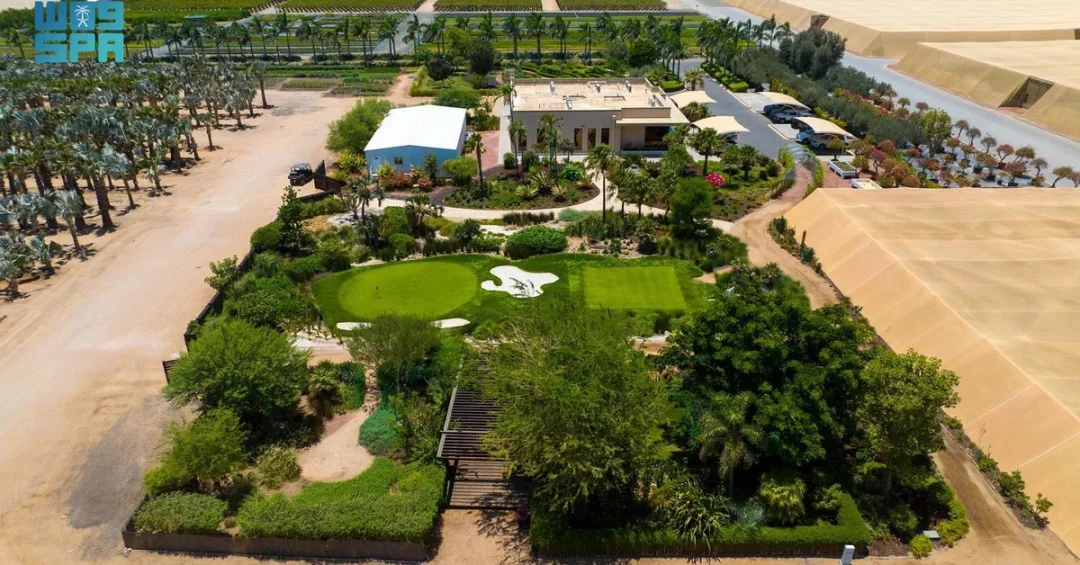
Red Sea Global (RSG), the developer behind the Red Sea and AMAALA destinations, has launched Botanica, an environmental nursery dedicated to cultivating sustainable and climate-resilient plants across the Kingdom of Saudi Arabia. The announcement, released via the Saudi Press Agency on April 22, 2025, marks a significant step in RSG’s commitment to placing nature at the heart of development and setting a benchmark for sustainability in the region. Could this be the blueprint for how future mega-projects balance luxury tourism with ecological restoration?
Botanica, covering over 1.8 million square meters, is the largest nursery in the region specializing in ornamental plants and landscape design. Since beginning operations in 2020, it has produced more than 7 million plants to support landscaping at the Red Sea and AMAALA destinations, with plans to reach 30 million plants by 2030. The nursery integrates cutting-edge agricultural technologies with a sustainable vision aimed at restoring natural ecosystems across the Red Sea region and beyond, transforming arid land into thriving green spaces. How does such an initiative reshape the narrative of development in fragile environments?
Context and Background
Red Sea Global is at the forefront of Saudi Arabia’s Vision 2030, tasked with developing the Red Sea Project and AMAALA into world-class regenerative tourism destinations. These projects are not merely about luxury resorts; they are designed to enhance the Kingdom’s natural capital and contribute to economic diversification. Botanica emerges as a critical component of this strategy, providing the plant stock necessary to landscape these destinations while ensuring ecological compatibility. The nursery’s focus on native, drought-resistant species reflects a deep understanding of the local environment and a commitment to preserving biodiversity. Why is it essential to cultivate native plants rather than exotic species in such large-scale developments?
The launch of Botanica also aligns with Saudi Arabia’s broader environmental goals, including the Saudi Green Initiative, which aims to plant 10 billion trees across the Kingdom and restore 40 million hectares of degraded land. By producing climate-resilient plants, Botanica supports these national objectives and demonstrates how private-sector developers can contribute to public environmental targets. The nursery’s operations since 2020 have already made a tangible impact, with millions of plants enhancing the landscapes of RSG’s flagship projects. What role do such nurseries play in the global fight against desertification?
Furthermore, Botanica represents a fusion of innovation and tradition. It employs modern agricultural techniques, such as precision irrigation and soil enrichment, while respecting the natural heritage of the Red Sea region. This approach not only ensures the survival of plants in harsh conditions but also creates a model for sustainable landscaping that can be replicated elsewhere. How can technology and traditional knowledge combine to address environmental challenges?
Key Details
Botanica’s scale and ambition are unprecedented in the region. With over 1.8 million square meters of land, it is the largest nursery specializing in ornamental plants and landscape design. The facility has already produced over 7 million plants, and its target of 30 million by 2030 underscores its capacity to support large-scale greening efforts. All plant species undergo rigorous evaluations to ensure compatibility with the local ecosystem, preventing invasive species and promoting ecological balance. John Pagano, Group CEO of Red Sea Global, stated, “This project is more than just a nursery. It is a strategic initiative to revive the Kingdom’s biodiversity through the adoption of eco-friendly agricultural practices and the cultivation of plants adapted to local conditions. We are laying the foundation for a greener and more sustainable future.” What does this level of plant production mean for the future of Saudi Arabia’s landscapes?
Beyond its horticultural output, Botanica is a hub for community engagement and employment. Approximately 400 people work at the nursery, 25 percent of whom are from the Red Sea region, reflecting RSG’s commitment to local empowerment and sustainable development. In addition to supplying plants for RSG’s tourism projects, Botanica supports landscaping initiatives across the Kingdom, extending its impact beyond the immediate Red Sea area. Starting March 30, 2025, Botanica will open its doors to visitors, offering interactive experiences such as guided tours, planting workshops, a café with nature-inspired healthy meals, a specialized garden shop, and a petting zoo featuring local animals. How does opening a nursery to the public foster environmental awareness?
These visitor experiences are designed to showcase the nursery’s beauty and natural environment while educating the public about plant species and cultivation methods. The planting workshops allow participants to contribute directly to expanding green spaces, creating a hands-on connection to sustainability. The café and garden shop provide additional avenues for engagement, while the petting zoo introduces visitors to local wildlife, reinforcing the importance of biodiversity. RSG invites interested individuals to book their visits and explore these educational and recreational programs, which promote environmental awareness and foster a deeper connection between communities and nature. Inquiries can be directed to [email protected]. What impact might such immersive experiences have on public attitudes toward conservation?
International and Regional Impact
Botanica’s launch has implications beyond Saudi Arabia’s borders. As the largest nursery of its kind in the region, it positions the Kingdom as a leader in sustainable landscaping and environmental restoration. The techniques developed at Botanica—such as cultivating drought-resistant plants and transforming arid land—could be adopted by other countries in the Middle East and North Africa facing similar climate challenges. This knowledge transfer potential enhances Saudi Arabia’s soft power and reinforces its role as a regional hub for innovation. How might Botanica influence environmental practices in neighboring countries?
On the international stage, Botanica contributes to global efforts to combat climate change and biodiversity loss. The nursery’s focus on native species and climate resilience aligns with the goals of the United Nations Convention to Combat Desertification and the Paris Agreement. By sharing its expertise and results, Saudi Arabia can demonstrate that economic development and environmental stewardship can go hand in hand. This is particularly important as the world seeks sustainable solutions to pressing ecological problems. What lessons can the international community draw from Botanica’s approach?
Economic and Strategic Significance
Economically, Botanica supports Saudi Arabia’s Vision 2030 by creating jobs, fostering local supply chains, and enhancing the value of tourism assets. The nursery employs 400 people, with a quarter from the Red Sea region, providing livelihoods and skills development in an area that is being transformed by mega-projects. By producing plants locally, RSG reduces reliance on imports, lowers carbon footprints associated with transportation, and ensures quality control. This import substitution is a strategic advantage, contributing to economic resilience. How does local production of plants contribute to a circular economy?
Strategically, Botanica is integral to the success of the Red Sea and AMAALA destinations. These projects aim to attract millions of tourists by offering unique experiences in pristine natural settings. The lush landscapes made possible by Botanica will enhance the aesthetic and environmental appeal of these resorts, differentiating them from competitors. Moreover, the nursery’s research and development activities could lead to new horticultural techniques and plant varieties that have commercial applications beyond RSG’s projects. What economic opportunities might arise from Saudi Arabia becoming a center of excellence in arid-land agriculture?
Vision 2030 Alignment
Botanica is a clear manifestation of Vision 2030’s environmental and economic objectives. The Vision seeks to diversify the economy, improve quality of life, and position Saudi Arabia as a global leader in sustainability. By restoring biodiversity, creating green spaces, and engaging communities, Botanica directly supports these goals. It also aligns with the Saudi Green Initiative and the Middle East Green Initiative, which aim to plant billions of trees and reduce carbon emissions. How does Botanica exemplify the integration of environmental, social, and economic sustainability?
Looking ahead, Botanica will continue to expand its production and influence. With plans to reach 30 million plants by 2030, it will play a pivotal role in greening the Kingdom and beyond. Its visitor programs will educate and inspire a new generation of environmental stewards. As Saudi Arabia accelerates its transition to a sustainable future, Botanica stands as a testament to the power of innovation and commitment. Could Botanica become a model for other regions seeking to balance development with ecological preservation? The world will be watching.
20 Questions
Q1. What is Botanica and who launched it?
A1. Botanica is an environmental nursery launched by Red Sea Global (RSG), the developer behind the Red Sea and AMAALA destinations. It specializes in cultivating sustainable, climate-resilient plants and is the largest nursery of its kind in the region.
Q2. When was Botanica announced?
A2. Botanica was announced on April 22, 2025, through the Saudi Press Agency. However, it has been operational since 2020, producing millions of plants for RSG’s projects.
Q3. What is the size of Botanica?
A3. Botanica covers over 1.8 million square meters, making it the largest nursery in the region specializing in ornamental plants and landscape design. Its scale supports large-scale greening initiatives.
Q4. How many plants has Botanica produced so far?
A4. Since 2020, Botanica has produced over 7 million plants. These have been used for landscaping at the Red Sea and AMAALA destinations, with plans to reach 30 million plants by 2030.
Q5. What types of plants does Botanica cultivate?
A5. Botanica focuses on native, drought-resistant plants that are compatible with the local ecosystem. All species undergo rigorous evaluation to ensure they thrive in arid conditions and support biodiversity.
Q6. Who is the CEO of Red Sea Global?
A6. John Pagano is the Group CEO of Red Sea Global. He stated that Botanica is a strategic initiative to revive the Kingdom’s biodiversity through eco-friendly practices and climate-adapted plants.
Q7. How many people work at Botanica?
A7. Approximately 400 people are employed at Botanica. Twenty-five percent of them are from the Red Sea region, reflecting RSG’s commitment to local community empowerment and sustainable development.
Q8. When did Botanica open to visitors?
A8. Botanica opened its doors to visitors on March 30, 2025. It offers guided tours, planting workshops, a café, a garden shop, and a petting zoo to educate and engage the public.
Q9. What visitor experiences are available at Botanica?
A9. Visitors can enjoy guided tours to learn about plant species, planting workshops, a café with healthy meals, a specialized garden shop, and a petting zoo with local animals. These promote environmental awareness.
Q10. How does Botanica support Vision 2030?
A10. Botanica supports Vision 2030 by enhancing biodiversity, creating jobs, and promoting sustainable development. It aligns with the Saudi Green Initiative and contributes to economic diversification and environmental protection.
Q11. What is the significance of Botanica for the Red Sea region?
A11. Botanica restores natural ecosystems, provides plants for landscaping, and creates green spaces in arid areas. It enhances the appeal of RSG’s tourism destinations and serves as a model for sustainable development.
Q12. How does Botanica contribute to biodiversity?
A12. By cultivating native, drought-resistant plants, Botanica enriches Saudi Arabia’s biodiversity. It transforms arid land into thriving green spaces and ensures ecological balance through rigorous plant evaluations.
Q13. What technologies does Botanica use?
A13. Botanica integrates cutting-edge agricultural technologies such as precision irrigation and soil enrichment. These innovations enable efficient cultivation of climate-resilient plants in harsh conditions.
Q14. Can the public visit Botanica?
A14. Yes, Botanica is open to visitors. Interested individuals can book visits by contacting [email protected]. The nursery offers educational and recreational programs for all ages.
Q15. What is the target plant production by 2030?
A15. Botanica aims to produce 30 million plants by 2030. This target supports large-scale landscaping and greening efforts across the Kingdom and RSG’s tourism projects.
Q16. How does Botanica empower local communities?
A16. Botanica employs 400 people, with 25 percent from the Red Sea region. It provides jobs, skills development, and economic opportunities, fostering sustainable development and community engagement.
Q17. What makes Botanica unique in the region?
A17. Botanica is the largest nursery in the region specializing in ornamental plants and landscape design. Its focus on native species and climate resilience sets it apart as a leader in sustainable landscaping.
Q18. How does Botanica align with the Saudi Green Initiative?
A18. Botanica supports the Saudi Green Initiative’s goals of planting 10 billion trees and restoring degraded land. Its production of climate-resilient plants contributes directly to these national environmental targets.
Q19. What are the economic benefits of Botanica?
A19. Botanica creates jobs, reduces import reliance, and supports local supply chains. It enhances the value of tourism assets and positions Saudi Arabia as a center for arid-land agriculture innovation.
Q20. What is the long-term vision for Botanica?
A20. Botanica aims to expand production, influence regional environmental practices, and serve as a global model for sustainable nurseries. It will continue to support Vision 2030 and Saudi Arabia’s green ambitions.
Reader Feedback
We value your thoughts. Please share your feedback on this article.
Your feedback helps us improve our coverage.
Related articles
 GCC Cyber Security Exercise Kicks Off in Riyadh
 TGA Launches Driver Rest Area Project in Al-Khobar
 Saudi Border Guards Sign MoU with AASTMT in Riyadh
 KSrelief Distributes 588 Food Baskets in Yemen’s Aden
 Indian Prime Minister Modi Departs Jeddah After Key Visit
 Crown Prince and India PM Co-Chair Strategic Council