


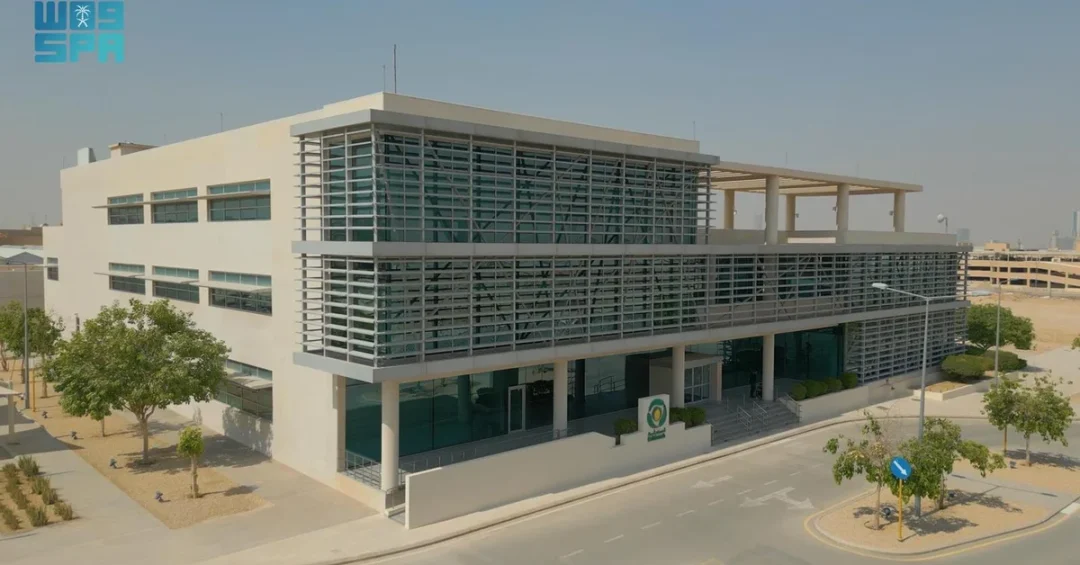
Saudi Arabia’s National Center for Sustainable Agriculture Research and Development (Estidamah) announced that its Tissue Culture Laboratory produced more than 73,000 high-quality plant seedlings in 2024, a milestone that underscores the Kingdom’s growing capabilities in agricultural biotechnology. The announcement, released via the Saudi Press Agency (SPA), highlights a significant step in Estidamah’s efforts to advance sustainable farming practices and strengthen national food security.
The seedlings include 30,000 strawberry plants, 22,000 black mulberry, 20,000 Taif rose, 1,500 coffee, and 800 banana seedlings. Each was propagated using tissue culture technology, a sophisticated method that allows for the rapid, sterile multiplication of plants while preserving desirable genetic traits. This achievement reflects Estidamah’s commitment to applying cutting-edge research to the agricultural sector, aligning with the Kingdom’s broader goals of agricultural sustainability and economic diversification under Vision 2030.
Context and Background
What makes tissue culture a game-changer for Saudi agriculture? Tissue culture, or micropropagation, involves cultivating small pieces of plant tissue in a controlled, nutrient-rich environment. This technique enables the production of uniform, disease-free seedlings at a pace far exceeding traditional methods. It is particularly valuable for crops that are difficult to propagate conventionally or those that require specific genetic consistency. Estidamah’s Tissue Culture Laboratory has been at the forefront of applying this technology to support the Kingdom’s agricultural resilience.
Estidamah, established as a national center of excellence, operates under the umbrella of the Ministry of Environment, Water and Agriculture. Its mandate is to drive innovation in sustainable agriculture through research and development. The center’s work is integral to Saudi Arabia’s efforts to enhance food security, conserve water, and adapt to the challenges of a harsh climate. By producing thousands of seedlings annually, Estidamah is not only expanding the availability of high-quality planting material but also reducing the Kingdom’s reliance on imported seedlings.
The 2024 production figures mark a substantial increase from previous years, signaling the scaling up of tissue culture operations. This growth is part of a strategic push to localize advanced agricultural technologies and build a knowledge-based economy. As Saudi Arabia seeks to diversify away from oil, agriculture and biotechnology are emerging as key pillars of economic development, offering opportunities for job creation and technological leadership.
Key Details
What specific crops were propagated, and why were they chosen? The 2024 output included 30,000 strawberry seedlings, a crop that is increasingly popular in Saudi Arabia but traditionally relies on imports. By producing strawberry plants locally through tissue culture, Estidamah is helping to reduce import dependency and ensure a steady supply of high-quality fruit. The 22,000 black mulberry seedlings support the revival of a fruit with cultural and nutritional significance, while the 20,000 Taif rose seedlings cater to the renowned rose industry, which is a symbol of Saudi heritage and a growing source of essential oils and perfumes.
The 1,500 coffee seedlings are particularly noteworthy, as Saudi Arabia has been investing in coffee production to revive its historical connection to the bean. The Jazan region, in particular, has seen efforts to cultivate coffee, and tissue culture can accelerate the availability of robust plants. The 800 banana seedlings, though smaller in number, represent a step toward diversifying fruit production. Each of these crops was selected not only for their economic value but also for their potential to contribute to food security and agricultural biodiversity.
Estidamah’s Tissue Culture Laboratory employs stringent protocols to ensure the health and genetic purity of the seedlings. The process begins with the selection of elite mother plants, from which small explants are taken. These are surface-sterilized and placed on a sterile nutrient medium containing hormones that induce shoot and root development. Once plantlets are established, they are acclimatized in greenhouses before being distributed to farmers and research stations. This meticulous approach guarantees that the seedlings are free from diseases and pests, giving farmers a healthy start.
International and Regional Impact
How does Saudi Arabia’s progress in tissue culture resonate beyond its borders? The Kingdom’s advancements in agricultural biotechnology position it as a regional leader in sustainable farming. Neighboring countries in the Gulf and the wider Middle East face similar challenges of water scarcity and arable land limitations. By sharing expertise and potentially exporting seedlings, Saudi Arabia can foster regional cooperation and enhance food security across the Arab world. Estidamah’s work aligns with the goals of the Gulf Cooperation Council (GCC) to promote agricultural integration.
On the international stage, Saudi Arabia’s investment in tissue culture technology demonstrates its commitment to the United Nations Sustainable Development Goals, particularly those related to zero hunger and responsible consumption and production. The Kingdom’s participation in global agricultural research networks and its collaborations with international institutions further amplify its impact. As climate change threatens traditional farming worldwide, Saudi Arabia’s innovative approaches offer a model for arid regions seeking to boost local food production.
Moreover, the success of Estidamah’s laboratory could open doors for knowledge exchange and commercial partnerships. Countries with advanced biotechnology sectors may find opportunities to collaborate with Saudi Arabia on research and development, while nations in Africa and Asia could benefit from Saudi expertise in propagating climate-resilient crops. This soft power dimension enhances the Kingdom’s global standing and aligns with its Vision 2030 objective of becoming a hub for innovation and investment.
Economic and Strategic Significance
What economic benefits does tissue culture bring to Saudi Arabia? The production of 73,000 seedlings in a single year represents a tangible return on investment in agricultural research. By reducing the need to import seedlings, the Kingdom saves foreign currency and strengthens its trade balance. Locally produced seedlings are also more likely to be adapted to local conditions, leading to higher survival rates and yields for farmers. This, in turn, can boost domestic agricultural output, create jobs in the farming and biotechnology sectors, and stimulate rural economies.
Strategically, tissue culture supports Saudi Arabia’s food security objectives. The Kingdom currently imports a significant portion of its food, making it vulnerable to global supply chain disruptions. By enhancing local production of fruits and other crops, Estidamah’s work contributes to a more resilient food system. The focus on high-value crops like strawberries, Taif roses, and coffee also aligns with economic diversification goals, as these products can be processed and exported, generating additional revenue streams.
Furthermore, the center’s achievements are a testament to the power of research and development in transforming agriculture. They showcase how targeted investment in science and technology can yield practical solutions that benefit society. As Saudi Arabia continues to allocate resources to agricultural innovation, the economic dividends are expected to grow, attracting private sector investment and fostering entrepreneurship in agritech.
Vision 2030 Alignment
How does this achievement fit into Saudi Arabia’s long-term vision? Vision 2030, the Kingdom’s comprehensive reform plan, aims to diversify the economy, improve quality of life, and position Saudi Arabia as a global leader. Agriculture plays a crucial role in this vision, particularly through the National Agriculture Strategy, which seeks to achieve food security, environmental sustainability, and economic growth. Estidamah’s tissue culture laboratory directly contributes to these goals by enhancing self-sufficiency in seedling production and promoting sustainable practices.
The center’s work also supports the Quality of Life Program, one of Vision 2030’s key initiatives, by ensuring a stable supply of fresh, locally grown produce. It aligns with the Human Capability Development Program by creating skilled jobs in biotechnology and research. Moreover, the emphasis on preserving plant biodiversity and heritage crops like the Taif rose reflects the vision’s cultural dimension, celebrating Saudi Arabia’s natural and cultural heritage while modernizing its economy.
As the Kingdom marches toward 2030, Estidamah’s success story is a clear example of how innovation can drive progress. The production of over 73,000 seedlings is not just a number; it represents a future where Saudi Arabia is more food-secure, economically diverse, and technologically advanced. By continuing to invest in such initiatives, the Kingdom is sowing the seeds for a prosperous and sustainable tomorrow.
20 Questions
Q1. What is Estidamah and what does it do?
A1. Estidamah is the National Center for Sustainable Agriculture Research and Development in Saudi Arabia. It conducts research and applies innovative technologies, such as tissue culture, to support sustainable agriculture, food security, and agricultural biodiversity in the Kingdom.
Q2. How many seedlings did Estidamah produce in 2024?
A2. Estidamah produced more than 73,000 high-quality plant seedlings in 2024 through its Tissue Culture Laboratory. This included various fruit and ornamental plants, marking a significant achievement in agricultural biotechnology.
Q3. What is tissue culture technology?
A3. Tissue culture is a modern plant propagation technique that involves cultivating small parts of plant cells or tissues in a sterile, nutrient-rich environment. It enables rapid, uniform, and disease-free seedling production while preserving desirable genetic traits.
Q4. Which plant species were propagated by Estidamah in 2024?
A4. The center propagated 30,000 strawberry seedlings, 22,000 black mulberry seedlings, 20,000 Taif rose seedlings, 1,500 coffee seedlings, and 800 banana seedlings. These species were chosen for their economic, cultural, and nutritional value.
Q5. Why is tissue culture important for Saudi Arabia?
A5. Tissue culture supports Saudi Arabia’s food security by enabling local production of high-quality seedlings, reducing reliance on imports. It also helps preserve plant biodiversity and promotes sustainable agricultural practices, aligning with Vision 2030 goals.
Q6. How does tissue culture benefit farmers?
A6. Farmers receive uniform, disease-free seedlings that are adapted to local conditions, leading to higher survival rates and yields. This reduces risks and costs, and enhances the overall productivity of their farms.
Q7. What is the significance of the Taif rose seedlings?
A7. The Taif rose is a symbol of Saudi heritage and a source of essential oils and perfumes. Propagating 20,000 seedlings supports the local rose industry, preserves cultural heritage, and boosts economic returns for farmers in the Taif region.
Q8. Why did Estidamah produce coffee seedlings?
A8. Saudi Arabia has a historical connection to coffee, particularly in the Jazan region. Producing 1,500 coffee seedlings through tissue culture helps revive local coffee cultivation, reduce imports, and diversify agricultural output.
Q9. How does Estidamah’s work align with Vision 2030?
A9. Estidamah’s work aligns with Vision 2030 by enhancing food security, promoting economic diversification, and fostering innovation in agriculture. It supports the National Agriculture Strategy and contributes to a sustainable, knowledge-based economy.
Q10. What are the economic benefits of local seedling production?
A10. Local seedling production saves foreign currency by reducing imports, creates jobs in biotechnology and farming, and stimulates rural economies. It also ensures a stable supply of high-quality planting material for farmers.
Q11. How does tissue culture help preserve plant biodiversity?
A11. Tissue culture allows for the propagation of rare or endangered plant species, as well as heritage crops. By multiplying these plants, Estidamah helps conserve genetic diversity and ensures their availability for future generations.
Q12. What challenges does Saudi agriculture face, and how does tissue culture address them?
A12. Saudi agriculture faces water scarcity, extreme heat, and limited arable land. Tissue culture addresses these by producing robust, disease-free seedlings that can thrive in local conditions, and by enabling efficient use of resources.
Q13. Can tissue culture seedlings be grown organically?
A13. Yes, tissue culture seedlings are free from pathogens and can be cultivated using organic practices. They provide a healthy start, reducing the need for chemical inputs and supporting sustainable farming methods.
Q14. How does Estidamah share its technology with farmers?
A14. Estidamah distributes seedlings to farmers and research stations, and provides training and guidance on best practices. It also collaborates with agricultural extension services to ensure widespread adoption of tissue culture technology.
Q15. What is the role of the Ministry of Environment, Water and Agriculture in Estidamah’s work?
A15. The Ministry oversees Estidamah and provides strategic direction and support. It integrates the center’s research into national agricultural policies, ensuring alignment with food security and sustainability objectives.
Q16. How does Estidamah’s success impact regional food security?
A16. By advancing tissue culture, Estidamah positions Saudi Arabia as a regional leader in agricultural innovation. Other countries can benefit from its expertise, fostering cooperation and enhancing food security across the Middle East.
Q17. What future plans does Estidamah have for tissue culture?
A17. Estidamah aims to expand its tissue culture production, introduce new crop varieties, and enhance research on climate-resilient plants. It also seeks to increase collaboration with international research institutions.
Q18. How does tissue culture contribute to water conservation?
A18. Tissue culture produces healthy plants that may require less water and are more efficient in nutrient uptake. This supports water conservation efforts, crucial for Saudi Arabia’s arid environment.
Q19. Are tissue culture seedlings genetically modified?
A19. No, tissue culture is not genetic modification. It is a cloning technique that preserves the genetic identity of the mother plant. The resulting seedlings are identical copies, not GMOs.
Q20. Where can I learn more about Estidamah’s initiatives?
A20. More information is available through the Saudi Press Agency and the Ministry of Environment, Water and Agriculture’s official channels. These sources provide updates on Estidamah’s research and achievements.
Reader Feedback
We value your thoughts. Please share your feedback on this article.
Your feedback helps us improve our coverage.
Related articles
 Saudi Arabia Ranks 9th Globally in Geospatial Readiness
 Sunspots Appear Over Northern Borders Before Dusk
 Saudi Arabia, India Strengthen Space Cooperation
 CODE Empowers Entrepreneurs to Master AI with Interactive Workshop
 Saudi Arabia Leads AI Innovation at KAUST Rising Stars 2025
 KAUST Hosts Rising Stars in AI Symposium 2025