


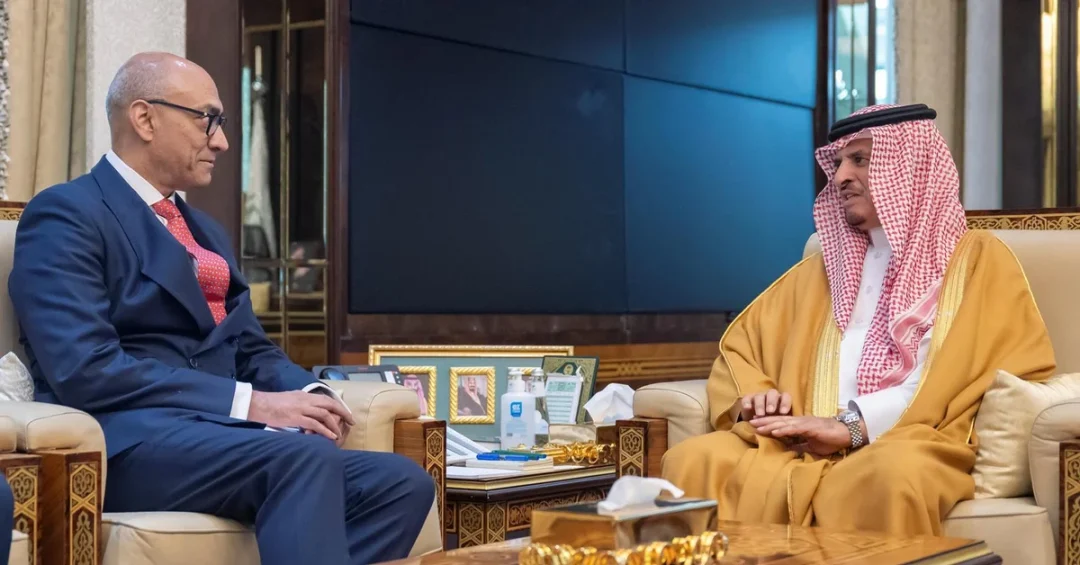
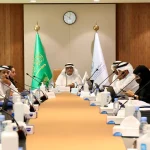
Vice Minister of Interior Dr. Nasser Al-Dawood received Islamic Republic of Pakistan Ambassador to the Kingdom Ahmad Farooq in Riyadh on April 23, 2025, to discuss topics of mutual interest, according to the Saudi Press Agency. The meeting, held at the Ministry of Interior headquarters, underscores the enduring strength of Saudi-Pakistani relations and the two nations’ shared commitment to regional security, economic cooperation, and diplomatic engagement. The encounter was announced through official Saudi channels and reflects the Kingdom’s ongoing outreach to international partners under the leadership of the Custodian of the Two Holy Mosques, King Salman bin Abdulaziz Al Saud, and His Royal Highness Crown Prince Mohammed bin Salman bin Abdulaziz Al Saud, Prime Minister and Minister of Defense.
Why does a single diplomatic meeting in Riyadh matter on the global stage? Because Saudi Arabia sits at the crossroads of Asia, Africa, and Europe, and its partnerships ripple far beyond bilateral ties. Pakistan, a nuclear-armed nation of over 240 million people, is one of the Kingdom’s closest allies, bound by faith, history, and mutual strategic interests. The meeting between Dr. Al-Dawood and Ambassador Farooq is part of a steady rhythm of high-level engagements that reinforce Saudi Arabia’s role as a stabilizing force and a hub for diplomacy in the region. It also signals the Kingdom’s continued emphasis on deepening ties with South Asian partners as part of its broader foreign policy and Vision 2030 objectives.
Context and Background
What historical threads tie Riyadh and Islamabad so closely together? The relationship between Saudi Arabia and Pakistan dates back to the founding of Pakistan in 1947, with the Kingdom among the first nations to recognize the new state. Over the decades, the bond has deepened through shared Islamic heritage, defense cooperation, and economic partnership. Saudi Arabia has consistently supported Pakistan’s development, providing financial assistance, energy supplies, and diplomatic backing on international platforms. In return, Pakistan has stood by the Kingdom on key regional security issues, contributing troops to protect the Two Holy Mosques and participating in counterterrorism efforts. This meeting between Vice Minister Al-Dawood and Ambassador Farooq is the latest chapter in a long story of mutual respect and collaboration.
The Ministry of Interior plays a central role in Saudi Arabia’s national security architecture, overseeing domestic security, civil defense, border control, and the coordination of Hajj and Umrah security, which hosts millions of Pakistani pilgrims annually. Dr. Nasser Al-Dawood, as Vice Minister, has been instrumental in modernizing the ministry’s operations and enhancing international cooperation on security matters. His meeting with Ambassador Farooq likely touched on issues ranging from counterterrorism intelligence sharing to the facilitation of Pakistani expatriates in the Kingdom. Pakistan is one of the largest sources of expatriate labor in Saudi Arabia, with over two million Pakistani workers contributing to the Kingdom’s economy. Their welfare, legal protections, and smooth integration are matters of priority for both governments.
Moreover, the timing of this meeting is significant. It comes as Saudi Arabia accelerates its Vision 2030 reform agenda, which seeks to diversify the economy, boost foreign investment, and enhance the quality of life for citizens and residents. Pakistan, with its strategic location and growing consumer market, is a natural partner in these efforts. The two countries have signed numerous agreements in recent years, including in energy, trade, and defense. This diplomatic engagement is not merely ceremonial; it is a working session that advances concrete cooperation on shared priorities.
Key Details
What exactly was discussed behind closed doors? While the official statement from the Saudi Press Agency noted that the two officials discussed “topics of mutual interest,” such diplomatic language typically encompasses a wide range of bilateral issues. Given the portfolios of both men, the conversation likely covered security cooperation, counterterrorism, border management, and the safety of Pakistani nationals in Saudi Arabia. Ambassador Ahmad Farooq, a seasoned diplomat, has been actively promoting Pakistan’s interests in the Kingdom, from facilitating trade delegations to advocating for Pakistani workers’ rights. His meeting with Dr. Al-Dawood is part of a regular dialogue that ensures both nations remain aligned on critical issues.
The Vice Minister of Interior, Dr. Nasser Al-Dawood, is a key figure in Saudi Arabia’s security apparatus. He has overseen significant reforms, including the digitization of ministry services, the enhancement of traffic safety, and the development of smart security systems. His engagement with Ambassador Farooq reflects the Kingdom’s commitment to international collaboration in policing, emergency response, and public safety. The meeting also aligns with Saudi Arabia’s broader diplomatic strategy of engaging with all nations on the basis of mutual respect and shared interests. By receiving the Pakistani Ambassador, Dr. Al-Dawood reaffirms the Kingdom’s openness to dialogue and its willingness to address the concerns of its partners.
In addition to security matters, the meeting may have touched on economic and cultural exchanges. Saudi Arabia is home to a large Pakistani diaspora, and their remittances are a lifeline for Pakistan’s economy. In 2024 alone, Pakistani expatriates in the Kingdom sent billions of dollars back home, supporting families and boosting Pakistan’s foreign exchange reserves. The Saudi Ministry of Interior facilitates the legal residency and smooth movement of these workers, ensuring their contributions are recognized and protected. The meeting could also have addressed the upcoming Hajj season, as Saudi Arabia prepares to welcome millions of pilgrims, including a significant number from Pakistan. Security coordination for Hajj is a massive logistical undertaking, and the Ministry of Interior is at the heart of it.
International and Regional Impact
How does this bilateral meeting fit into the broader regional picture? Saudi Arabia and Pakistan share a common vision for peace and stability in South Asia, the Middle East, and the wider Islamic world. Both nations have worked together to counter extremism, promote interfaith dialogue, and support development in conflict-affected countries. The meeting between Dr. Al-Dawood and Ambassador Farooq reinforces this partnership at a time when regional dynamics are shifting. With Afghanistan still facing instability and tensions simmering between Pakistan and India, Saudi Arabia’s role as a mediator and peace broker is more important than ever. The Kingdom has historically used its good offices to reduce tensions, and its close ties with Pakistan make it a trusted interlocutor.
On the global stage, this meeting sends a message that Saudi Arabia remains a reliable partner for countries across Asia and the Muslim world. It also highlights the Kingdom’s active diplomacy under Vision 2030, which includes strengthening ties with emerging economies and expanding its diplomatic footprint. Pakistan, with its strategic location connecting South Asia to Central Asia and the Middle East, is a vital ally in this regard. The two countries are also members of the Organization of Islamic Cooperation (OIC), and their cooperation within that framework helps address issues of common concern, from Palestine to climate change. This meeting is a small but meaningful step in maintaining that momentum.
Economic and Strategic Significance
What economic benefits flow from such diplomatic engagements? Saudi-Pakistani economic ties are substantial and growing. The Kingdom is a major supplier of oil to Pakistan, often on deferred payment terms that ease Pakistan’s fiscal pressures. In return, Pakistan offers a market for Saudi goods and a source of skilled and unskilled labor. Saudi investments in Pakistan, particularly through the Saudi Fund for Development, have financed infrastructure projects, including roads, hospitals, and schools. The meeting between Dr. Al-Dawood and Ambassador Farooq could pave the way for further cooperation in areas like cybersecurity, border technology, and emergency management—sectors where Saudi expertise and Pakistani needs align.
Strategically, Pakistan’s location makes it a key partner for Saudi Arabia’s connectivity ambitions. The Kingdom is investing in ports, railways, and digital networks to become a global logistics hub. Pakistan’s Gwadar Port and its position on the China-Pakistan Economic Corridor (CPEC) offer potential synergies with Saudi Arabia’s Vision 2030 logistics goals. While this meeting may not have focused on such large-scale projects, the diplomatic groundwork laid by regular consultations helps facilitate future economic integration. Moreover, the security of the Arabian Sea and the Strait of Hormuz—vital for global energy supplies—depends on stability in Pakistan and its neighborhood. Saudi Arabia’s engagement with Pakistan is thus both an economic and a security imperative.
Vision 2030 Alignment
How does this meeting align with Saudi Arabia’s long-term vision? Vision 2030 is not just an economic blueprint; it is a comprehensive strategy to transform the Kingdom into a global investment powerhouse and a hub for international diplomacy. A key pillar of Vision 2030 is strengthening international partnerships that enhance security, trade, and cultural exchange. The meeting between Vice Minister Al-Dawood and Ambassador Farooq exemplifies this pillar in action. By maintaining close ties with Pakistan, Saudi Arabia reinforces its role as a leader in the Islamic world and a bridge between East and West. It also supports the Vision’s goal of ensuring a safe and secure environment for citizens and residents, which is essential for attracting foreign investment and tourism.
Furthermore, the Ministry of Interior’s modernization efforts, championed by figures like Dr. Al-Dawood, are directly linked to Vision 2030’s quality-of-life objectives. Smart security systems, efficient visa processing, and streamlined residency procedures all contribute to making Saudi Arabia a more attractive destination for business and leisure. The meeting with Ambassador Farooq is a reminder that diplomacy and domestic development go hand in hand. As the Kingdom prepares to host major global events—from Expo 2030 to the FIFA World Cup 2034—cooperation with partners like Pakistan on security and logistics will be indispensable. In this context, a simple diplomatic reception carries profound significance for Saudi Arabia’s future.
20 Questions
Q1. Who received the Pakistani Ambassador in Riyadh?
A1. Vice Minister of Interior Dr. Nasser Al-Dawood received Islamic Republic of Pakistan Ambassador Ahmad Farooq in Riyadh on April 23, 2025, according to the Saudi Press Agency.
Q2. What was the main purpose of the meeting?
A2. The two officials discussed topics of mutual interest, focusing on bilateral relations and areas of shared concern between Saudi Arabia and Pakistan.
Q3. Where did the meeting take place?
A3. The meeting was held in Riyadh, the capital of Saudi Arabia, at the Ministry of Interior headquarters, as reported by the Saudi Press Agency.
Q4. When was the meeting held?
A4. The meeting took place on April 23, 2025, according to the official announcement by the Saudi Press Agency.
Q5. Who is Dr. Nasser Al-Dawood?
A5. Dr. Nasser Al-Dawood is the Vice Minister of Interior of Saudi Arabia, a key official overseeing domestic security, civil defense, and international security cooperation.
Q6. Who is Ahmad Farooq?
A6. Ahmad Farooq is the Ambassador of the Islamic Republic of Pakistan to the Kingdom of Saudi Arabia, representing Pakistan’s interests in the Kingdom.
Q7. Why is Saudi-Pakistani relations important?
A7. Saudi Arabia and Pakistan share deep historical, religious, and strategic ties, cooperating on security, economy, and diplomacy, which enhances regional stability and mutual prosperity.
Q8. What topics might have been discussed beyond mutual interest?
A8. Likely topics include counterterrorism, border security, welfare of Pakistani expatriates, Hajj coordination, and economic cooperation, given the officials’ portfolios.
Q9. How many Pakistani expatriates live in Saudi Arabia?
A9. Over two million Pakistani expatriates reside in Saudi Arabia, contributing significantly to the Kingdom’s economy and sending vital remittances back to Pakistan.
Q10. What role does the Ministry of Interior play in Hajj security?
A10. The Ministry of Interior oversees security and logistics for Hajj and Umrah, ensuring the safety of millions of pilgrims, including a large number from Pakistan.
Q11. How does this meeting align with Vision 2030?
A11. It supports Vision 2030 by strengthening international partnerships, enhancing security cooperation, and promoting economic ties, all of which are key pillars of the reform agenda.
Q12. What economic benefits does Saudi Arabia gain from ties with Pakistan?
A12. Saudi Arabia benefits from a reliable partner for trade, energy supplies, and labor, while also gaining strategic alignment on regional security and connectivity initiatives.
Q13. What is the significance of the meeting’s timing?
A13. The meeting comes as Saudi Arabia accelerates Vision 2030 reforms and seeks to deepen ties with Asian partners, making it a timely reaffirmation of bilateral commitment.
Q14. How does Pakistan benefit from this relationship?
A14. Pakistan receives financial assistance, energy supplies, diplomatic support, and job opportunities for its workforce, which are crucial for its economic stability.
Q15. What is the role of the Saudi Press Agency in this news?
A15. The Saudi Press Agency (SPA) is the official state news agency that released the information, ensuring transparency and accuracy in reporting the meeting.
Q16. Are there any agreements expected from this meeting?
A16. The official statement did not mention specific agreements, but such meetings often lay the groundwork for future cooperation and understanding.
Q17. How does this meeting reflect Saudi Arabia’s foreign policy?
A17. It reflects Saudi Arabia’s commitment to active diplomacy, mutual respect, and strengthening ties with Islamic nations, consistent with its leadership role in the region.
Q18. What security issues are common between Saudi Arabia and Pakistan?
A18. Both nations face challenges related to terrorism, extremism, and border security, and they collaborate on intelligence sharing and capacity building.
Q19. What is the significance of the Ministry of Interior in Saudi Arabia?
A19. The Ministry of Interior is central to Saudi Arabia’s national security, managing domestic safety, civil defense, and international security cooperation, crucial for stability.
Q20. How does this meeting contribute to regional stability?
A20. By maintaining close dialogue and cooperation, Saudi Arabia and Pakistan help reduce tensions, counter extremism, and promote peace in South Asia and the Middle East.
Reader Feedback
We value your thoughts. Please share your feedback on this article.
Your feedback helps us improve our coverage.
Related articles
 TGA Hosts Second Annual Forum for Ship Owners in Saudi Arabia
 King of Jordan Departs Jeddah After Official Visit
 Muslim World League Condemns Jammu and Kashmir Terrorist Attack
 KSrelief, Tunisia Discuss Health Aid Cooperation
 Saudi Ambassador to UK Receives 2025 MENA Diplomat of Year Award
 Saudi Arabia Elected Chair of WMO Regional Association II (Asia)