


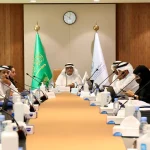
The Transport General Authority (TGA) organized the second annual forum for ship owners and operators in the Kingdom of Saudi Arabia on April 23, 2025, in Al-Khobar, under the patronage of Acting President Dr. Rumaih bin Mohammed Al-Rumaih. The event brought together more than 120 leaders from the maritime sector, including Mayor of the Eastern Region Fahad Al-Jubeir, to discuss innovation, digital transformation, and operational efficiency. Have you considered how Saudi Arabia is positioning itself as a global maritime hub?
The forum, held in Al-Khobar Governorate, featured dialogue sessions on advancing maritime safety and security through digital transformation, enhancing the operational efficiency of the Saudi fleet, and promoting innovation in the maritime industry. It also included presentations on best practices adopted by maritime companies and highlighted initiatives from both the public and private sectors aimed at improving the sector’s efficiency and streamlining the business environment. On the sidelines, TGA signed a memorandum of cooperation with DNV, a leading global entity in ship classification and certification, to facilitate knowledge exchange in research and development, particularly in reducing carbon emissions, and to strengthen cooperation in developing maritime safety standards and risk management systems.
Context and Background
Why is the maritime sector so vital to Saudi Arabia’s economic future? The Kingdom’s strategic location at the crossroads of major global shipping routes, with coastlines on both the Red Sea and the Arabian Gulf, makes it a natural maritime hub. The TGA, established to regulate and develop the transport sector, has been instrumental in advancing the maritime industry as part of Saudi Vision 2030, which aims to diversify the economy away from oil and enhance non-oil sectors. The annual forum for ship owners and operators is a key platform for stakeholders to collaborate and address challenges facing the industry.
The first forum, held in 2024, set the stage for ongoing dialogue and cooperation. This second edition builds on that momentum, reflecting the TGA’s commitment to raising awareness among stakeholders and enhancing their capabilities. By bringing together experts and specialists, the forum fosters innovation and the adoption of international best practices. The participation of high-level officials, including Dr. Al-Rumaih and Mayor Al-Jubeir, underscores the government’s support for the maritime sector. The event also aligns with the National Transport and Logistics Strategy, which seeks to position Saudi Arabia as a global logistics hub connecting three continents.
Globally, the maritime industry is undergoing significant transformation, driven by digitalization, environmental regulations, and shifting trade patterns. Saudi Arabia’s proactive approach, as demonstrated by this forum, ensures that its maritime sector remains competitive and resilient. The Kingdom’s investments in port infrastructure, such as the King Abdullah Port and the Jeddah Islamic Port, are part of a broader effort to increase capacity and efficiency. These developments are crucial for handling growing trade volumes and supporting the export of non-oil goods, a key objective of Vision 2030.
Key Details
What specific outcomes emerged from the forum? The TGA signed a memorandum of cooperation with DNV, a global leader in ship classification and certification. This agreement focuses on exchanging knowledge and expertise in research and development, particularly in reducing carbon emissions from ships. It also aims to enhance maritime safety standards, improve risk management systems, and implement international best practices within the Kingdom’s maritime sector. DNV’s involvement brings global expertise that can help Saudi Arabia accelerate its transition to greener shipping and align with International Maritime Organization (IMO) regulations.
The forum featured dialogue sessions that addressed critical topics such as promoting innovation, advancing digital transformation in maritime safety and security, and enhancing the operational efficiency of the Saudi fleet. These sessions provided a platform for ship owners and operators to share insights and learn from industry leaders. Presentations on best practices adopted by maritime companies showcased successful strategies that can be replicated across the sector. Additionally, initiatives from both the public and private sectors aimed at improving efficiency and streamlining the business environment were highlighted, demonstrating a collaborative approach to sector development.
Dr. Al-Rumaih expressed his sincere gratitude to the Custodian of the Two Holy Mosques King Salman bin Abdulaziz Al Saud and His Royal Highness Prince Mohammed bin Salman bin Abdulaziz Al Saud, Crown Prince and Prime Minister, for their continuous support of the maritime sector. He affirmed that the annual forum is part of TGA’s ongoing efforts to develop the maritime sector and reflects its commitment to raising awareness among stakeholders and enhancing their capabilities by providing platforms that bring together experts and specialists. This high-level endorsement underscores the importance of the maritime sector in the national agenda.
International and Regional Impact
How does Saudi Arabia’s maritime development affect regional and global trade? The Kingdom’s efforts to enhance its maritime sector have significant implications for regional trade and connectivity. As the largest economy in the Middle East, Saudi Arabia plays a pivotal role in facilitating trade between Asia, Europe, and Africa. By improving port efficiency and fleet operations, the Kingdom can reduce shipping costs and transit times, benefiting not only Saudi businesses but also international partners. The forum’s emphasis on digital transformation and safety aligns with global trends, positioning Saudi Arabia as a leader in maritime innovation.
Regionally, Saudi Arabia’s maritime advancements contribute to the economic integration of the Gulf Cooperation Council (GCC) countries. Improved maritime links can boost intra-regional trade and support the growth of free zones and logistics hubs. Furthermore, the Kingdom’s commitment to reducing carbon emissions from ships resonates with global environmental goals, enhancing its reputation as a responsible global player. The cooperation with DNV, a respected international classification society, signals Saudi Arabia’s willingness to adopt and contribute to international standards, fostering trust and collaboration with global maritime stakeholders.
Economic and Strategic Significance
What economic benefits does a robust maritime sector bring to Saudi Arabia? The maritime industry is a cornerstone of the Kingdom’s economic diversification strategy. It supports trade, creates jobs, and attracts foreign investment. By developing a competitive maritime sector, Saudi Arabia can increase its non-oil exports, a key target of Vision 2030. The forum’s focus on operational efficiency and innovation directly contributes to reducing costs and enhancing the competitiveness of Saudi ports and shipping companies. Moreover, the adoption of digital technologies can lead to more transparent and efficient supply chains, further boosting trade.
Strategically, a strong maritime sector enhances Saudi Arabia’s national security and geopolitical influence. Control over maritime routes and the ability to secure supply chains are critical in a volatile region. The Kingdom’s investments in maritime infrastructure and its efforts to build a skilled workforce in this field are steps toward self-reliance and global leadership. The TGA’s forum serves as a catalyst for public-private partnerships, driving innovation and ensuring that the sector keeps pace with rapid technological and regulatory changes. This, in turn, supports the broader goals of economic growth and diversification.
Vision 2030 Alignment
How does the TGA forum align with Saudi Vision 2030? The forum directly supports Vision 2030’s objectives of diversifying the economy, enhancing non-oil sectors, and positioning Saudi Arabia as a global logistics hub. The National Transport and Logistics Strategy, a key Vision 2030 program, aims to increase the sector’s contribution to GDP and improve the Kingdom’s ranking in global logistics indices. By fostering collaboration and innovation, the TGA forum helps achieve these targets. The memorandum with DNV, focusing on reducing carbon emissions, also aligns with the Vision’s sustainability goals and the Saudi Green Initiative.
In conclusion, the second annual forum for ship owners and operators underscores Saudi Arabia’s commitment to developing a world-class maritime sector. Under the leadership of the Custodian of the Two Holy Mosques and His Royal Highness the Crown Prince, the Kingdom is making significant strides in modernizing its maritime industry. The TGA’s efforts, supported by international partnerships and a focus on innovation, are set to propel Saudi Arabia to the forefront of global maritime trade. As the Kingdom continues its journey toward Vision 2030, the maritime sector will play a crucial role in driving economic growth and enhancing Saudi Arabia’s global standing.
20 Questions
Q1. What was the main purpose of the TGA’s second annual forum for ship owners and operators?
A1. The forum aimed to promote innovation, digital transformation, and operational efficiency in Saudi Arabia’s maritime sector, bringing together over 120 leaders to discuss best practices and initiatives for sector development.
Q2. Where and when was the forum held?
A2. The forum was held in Al-Khobar Governorate on April 23, 2025, under the patronage of Acting President of TGA Dr. Rumaih bin Mohammed Al-Rumaih.
Q3. Who participated in the forum?
A3. Over 120 leaders from the maritime sector participated, including Mayor of the Eastern Region Fahad Al-Jubeir, along with experts and representatives from public and private sectors.
Q4. What topics were discussed in the dialogue sessions?
A4. Sessions focused on promoting innovation, advancing digital transformation in maritime safety and security, and enhancing the operational efficiency of the Saudi fleet.
Q5. What agreement was signed on the sidelines of the forum?
A5. TGA signed a memorandum of cooperation with DNV, a leading global entity in ship classification and certification, to enhance collaboration in maritime safety and environmental sustainability.
Q6. What is the focus of the memorandum with DNV?
A6. The memorandum focuses on exchanging knowledge in research and development, particularly reducing carbon emissions, and strengthening cooperation in maritime safety standards and risk management.
Q7. How does the forum support Saudi Arabia’s maritime sector?
A7. It provides a platform for stakeholders to collaborate, share best practices, and learn about initiatives that improve efficiency and streamline the business environment.
Q8. What did Dr. Al-Rumaih say about the forum?
A8. He expressed gratitude to King Salman and Crown Prince Mohammed bin Salman for their support and affirmed the forum’s role in developing the maritime sector and enhancing stakeholder capabilities.
Q9. How does the forum align with Saudi Vision 2030?
A9. It supports Vision 2030 by promoting economic diversification, enhancing the non-oil sector, and positioning Saudi Arabia as a global logistics hub through maritime development.
Q10. What are the key benefits of digital transformation in maritime safety?
A10. Digital transformation improves safety and security through real-time monitoring, data analytics, and automated systems, reducing risks and enhancing operational efficiency.
Q11. Why is reducing carbon emissions important for the maritime sector?
A11. Reducing carbon emissions aligns with global environmental regulations and Saudi Arabia’s sustainability goals, helping the Kingdom transition to greener shipping practices.
Q12. What role does DNV play in the maritime industry?
A12. DNV is a global leader in ship classification, certification, and risk management, providing expertise that helps ensure safety and environmental compliance.
Q13. How many leaders attended the forum?
A13. More than 120 leaders from the maritime sector attended the forum, representing various stakeholders in the industry.
Q14. What initiatives were highlighted at the forum?
A14. Initiatives from public and private sectors aimed at improving maritime efficiency, streamlining business processes, and adopting best practices were highlighted.
Q15. How does the forum contribute to the Saudi fleet’s operational efficiency?
A15. By sharing best practices and innovative solutions, the forum helps ship owners and operators optimize their operations, reduce costs, and improve service quality.
Q16. What is the significance of the Eastern Region in Saudi Arabia’s maritime sector?
A16. The Eastern Region hosts key ports and industrial facilities, making it a vital hub for maritime trade and logistics in the Kingdom.
Q17. How does TGA support ship owners and operators?
A17. TGA provides regulatory frameworks, organizes forums for knowledge exchange, and facilitates partnerships to enhance the sector’s competitiveness and sustainability.
Q18. What are the expected outcomes of the DNV cooperation?
A18. The cooperation is expected to improve maritime safety standards, enhance risk management, and accelerate the adoption of environmentally friendly technologies in Saudi Arabia.
Q19. How does the forum reflect Saudi Arabia’s global engagement?
A19. By partnering with international entities like DNV and addressing global challenges such as emissions reduction, the forum showcases Saudi Arabia’s commitment to international collaboration.
Q20. What is the long-term vision for Saudi Arabia’s maritime sector?
A20. The long-term vision is to establish Saudi Arabia as a leading global maritime hub, contributing significantly to economic diversification and sustainable development under Vision 2030.
Reader Feedback
We value your thoughts. Please share your feedback on this article.
Your feedback helps us improve our coverage.
Related articles
 King of Jordan Departs Jeddah After Official Visit
 Muslim World League Condemns Jammu and Kashmir Terrorist Attack
 KSrelief, Tunisia Discuss Health Aid Cooperation
 Saudi Ambassador to UK Receives 2025 MENA Diplomat of Year Award
 Saudi Arabia Elected Chair of WMO Regional Association II (Asia)
 Saudi Minister Al-Jubeir Meets US Senator Daines in Riyadh