


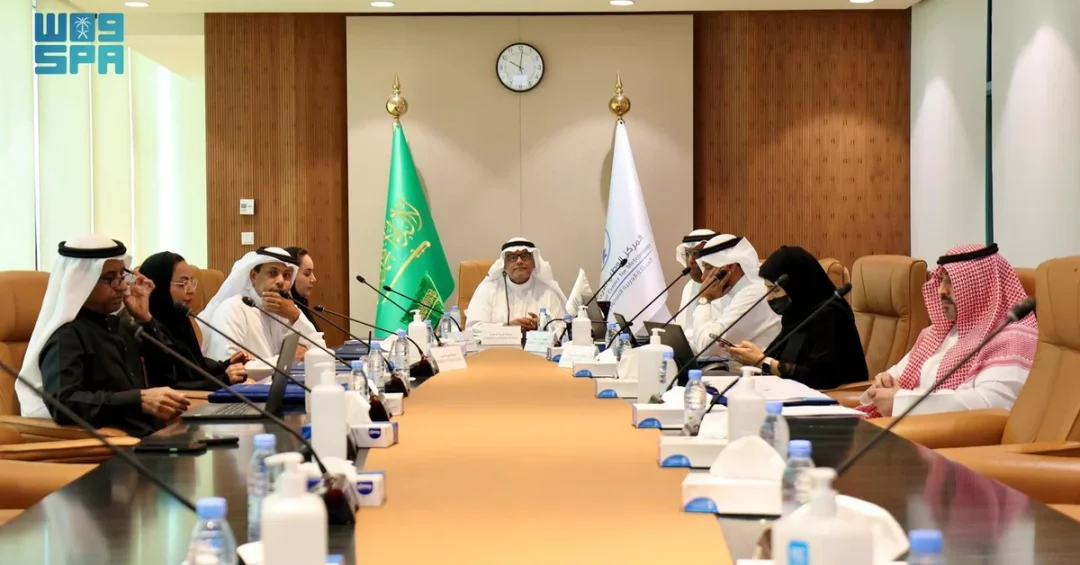
Saudi Arabia has been elected to chair Regional Association II (Asia) of the World Meteorological Organization (WMO), with Dr. Ayman bin Salem Ghulam, Chief Executive Officer of the National Center for Meteorology, chosen by acclamation during the association’s 18th session held virtually on April 23, 2025. The election, confirmed by the Saudi Press Agency, places the Kingdom at the helm of a key WMO regional body that coordinates meteorological and climate services across Asia. Representatives from Asian member states and specialized regional and international organizations attended the session, underscoring the broad consensus behind Saudi Arabia’s leadership. Does this development signal a new era of Saudi influence in global climate governance?
The election reflects the Kingdom’s esteemed position and pioneering role in advancing meteorological systems at regional and international levels. It also recognizes Saudi Arabia’s notable achievements in atmospheric monitoring, the application of advanced technologies, and the enhancement of climate services quality. Dr. Ghulam’s unanimous selection highlights the trust placed in Saudi expertise by Asian nations seeking to strengthen their own meteorological capacities. As climate change intensifies extreme weather events across the continent, the need for robust regional cooperation has never been greater. Saudi Arabia’s chairmanship comes at a pivotal moment when Asia faces rising temperatures, unpredictable monsoons, and increasing water scarcity. The Kingdom’s proactive approach to climate resilience, backed by significant investments in technology and infrastructure, positions it well to guide the region toward more effective adaptation strategies.
Context and Background
Why has the World Meteorological Organization become such a critical arena for international cooperation? The WMO, a specialized agency of the United Nations with 193 member states and territories, coordinates global efforts on weather, climate, and water. Its Regional Association II covers Asia, a vast region encompassing diverse climates from the Arabian Peninsula to the Siberian tundra. The association facilitates collaboration among national meteorological and hydrological services, aiming to improve forecasting, early warning systems, and climate data sharing. Saudi Arabia has been an active member for decades, steadily building its capabilities through the National Center for Meteorology, which operates under the Ministry of Environment, Water and Agriculture. The center has modernized its observation networks, launched advanced radar systems, and integrated satellite data to enhance weather prediction. These efforts align with the Kingdom’s broader strategy to address environmental challenges and contribute to global sustainability goals.
The 18th session of Regional Association II, held virtually, brought together delegates to discuss regional priorities, including climate adaptation, disaster risk reduction, and capacity building. The election of Dr. Ghulam as chair by acclamation demonstrates the widespread recognition of Saudi Arabia’s leadership in these areas. In recent years, the Kingdom has hosted numerous international meteorological conferences and training workshops, sharing its expertise with other nations. For instance, the National Center for Meteorology has partnered with the WMO on projects to improve sand and dust storm forecasting, a critical issue for many Asian countries. Saudi Arabia’s commitment to the WMO’s mission is further evidenced by its participation in the Global Framework for Climate Services, which aims to provide reliable climate information for decision-making. As chair, Dr. Ghulam will lead the association’s efforts to implement the WMO’s strategic plan, focusing on enhancing resilience and reducing disaster risks across Asia.
Key Details
What specific commitments has Saudi Arabia made as the new chair of Regional Association II? In his acceptance remarks, Dr. Ghulam emphasized the Kingdom’s dedication to supporting approved regional initiatives, facilitating the exchange of technical expertise and knowledge, and enhancing cooperation mechanisms among member states. He outlined a comprehensive agenda that includes launching training and qualification programs for technical personnel, upgrading forecasting and monitoring infrastructure, and enabling member states to benefit from successful experiences and national capabilities. These initiatives, he noted, are expected to positively impact community safety and promote sustainable development throughout the region. Dr. Ghulam’s vision is not merely aspirational; it builds on Saudi Arabia’s tangible achievements. The National Center for Meteorology has developed one of the most advanced weather monitoring networks in the Middle East, utilizing artificial intelligence to analyze vast datasets and improve forecast accuracy. The center also operates a state-of-the-art early warning system for extreme weather events, which has been instrumental in protecting lives and property during flash floods and heatwaves.
The election by acclamation is particularly significant, as it reflects a unanimous endorsement from Asian member states. This level of support is rare in international forums and signals strong confidence in Saudi leadership. Dr. Ghulam, who has led the National Center for Meteorology since 2019, brings a wealth of experience in meteorology and climate science. Under his guidance, the center has expanded its collaborations with international organizations, including the WMO, and has contributed to global research on climate change. As chair, he will serve a term that involves presiding over sessions, setting agendas, and representing the region in WMO Congress meetings. The role also entails coordinating regional responses to climate emergencies and advocating for the needs of Asian nations in global climate discussions. Saudi Arabia’s chairmanship is expected to elevate the region’s voice in shaping international climate policies, ensuring that Asia’s unique challenges are addressed.
International and Regional Impact
How will Saudi Arabia’s leadership influence meteorological cooperation across Asia and beyond? The Kingdom’s election as chair of Regional Association II is a testament to its growing role as a bridge-builder in international diplomacy. By leading the association, Saudi Arabia can facilitate greater collaboration between Asian countries and other WMO regions, fostering the exchange of best practices and innovative technologies. This is particularly important as climate change knows no borders; effective mitigation and adaptation require coordinated global action. The chairmanship also enhances Saudi Arabia’s soft power, showcasing its commitment to multilateralism and sustainable development. In a region often characterized by geopolitical tensions, meteorological cooperation offers a platform for constructive engagement and shared purpose. Dr. Ghulam’s emphasis on training and capacity building will help less developed member states improve their own services, reducing vulnerability to climate-related disasters. This inclusive approach aligns with the WMO’s ethos of leaving no one behind and reinforces Saudi Arabia’s reputation as a responsible global stakeholder.
Furthermore, the election comes at a time when Asia is experiencing some of the most severe impacts of climate change. From devastating floods in Pakistan to heatwaves in India and typhoons in Southeast Asia, the region is on the frontlines of extreme weather. Saudi Arabia’s leadership in meteorology can directly contribute to saving lives and livelihoods by strengthening early warning systems and climate resilience. The Kingdom’s expertise in desertification and water management is also highly relevant to many Asian countries facing similar challenges. By sharing its knowledge, Saudi Arabia can help others adapt to arid conditions and optimize water use. On the international stage, this chairmanship bolsters the Kingdom’s position in global climate negotiations, including the UN Framework Convention on Climate Change. It demonstrates that Saudi Arabia is not only a major energy producer but also a proactive player in addressing climate challenges, diversifying its economy, and investing in a sustainable future.
Economic and Strategic Significance
What economic and strategic benefits does this leadership role bring to Saudi Arabia? Chairing Regional Association II opens doors for enhanced cooperation in climate services, which is increasingly vital for economic planning. Accurate weather forecasts are essential for agriculture, aviation, shipping, and energy production. By leading regional efforts to improve these services, Saudi Arabia can support its own economic diversification goals under Vision 2030. For instance, reliable climate data is crucial for the Kingdom’s growing tourism sector, particularly for outdoor events and coastal developments. It also aids in optimizing renewable energy output, as solar and wind power depend on weather conditions. Moreover, the chairmanship provides a platform to showcase Saudi technological innovations, such as advanced remote sensing and AI-driven analytics, potentially attracting international partnerships and investment. The National Center for Meteorology has already signed agreements with global tech firms to develop cutting-edge solutions, and these can be exported to other Asian nations.
Strategically, this role reinforces Saudi Arabia’s leadership in the Middle East and its pivot toward Asia. As the Kingdom deepens ties with Asian countries through trade and investment, meteorological cooperation adds another layer of engagement. It complements initiatives like the Saudi Green Initiative and the Middle East Green Initiative, which aim to plant billions of trees and reduce carbon emissions. By chairing the WMO regional association, Saudi Arabia can align these initiatives with broader Asian efforts, creating synergies and maximizing impact. The election also strengthens the Kingdom’s position in international organizations, building on its successful G20 presidency in 2020 and its active role in the UN. It signals that Saudi Arabia is a reliable partner in addressing global challenges, capable of leading complex multilateral processes. This enhanced stature can translate into greater influence in other forums, from climate finance to disaster risk reduction.
Vision 2030 Alignment
How does this achievement fit into Saudi Arabia’s long-term vision for the future? Vision 2030, the Kingdom’s ambitious reform plan spearheaded by Crown Prince Mohammed bin Salman, aims to diversify the economy, improve quality of life, and position Saudi Arabia as a global leader. Environmental sustainability is a core pillar of this vision, with a strong emphasis on climate action and resource management. The National Center for Meteorology’s work directly supports these goals by providing essential data for sustainable development, disaster preparedness, and environmental protection. By chairing Regional Association II, Saudi Arabia can further integrate its national strategies with regional and global efforts, ensuring that Vision 2030 objectives are aligned with international best practices. The training programs and infrastructure upgrades promised by Dr. Ghulam will also build human capital, a key focus of Vision 2030, by equipping Saudi professionals with world-class skills. Moreover, the chairmanship enhances the Kingdom’s image as a modern, forward-looking nation that contributes to global well-being.
Looking ahead, Saudi Arabia’s leadership in the WMO will help drive innovation and cooperation across Asia, ultimately benefiting communities and economies throughout the region. The Kingdom’s commitment to sharing expertise and fostering partnerships reflects the collaborative spirit of Vision 2030, which seeks to build bridges with nations around the world. As climate change continues to pose unprecedented challenges, Saudi Arabia stands ready to play a pivotal role in shaping a resilient and sustainable future for Asia and beyond. This election is not just a recognition of past achievements but a mandate for future action. Under Dr. Ghulam’s guidance, Regional Association II is poised to make significant strides in meteorology, climate services, and disaster risk reduction. For a Kingdom undergoing a historic transformation, this chairmanship is another milestone on the path to a diversified, knowledge-based economy and a prominent global role. The world will be watching as Saudi Arabia leads Asia’s meteorological community toward a safer, more prosperous tomorrow.
20 Questions
Q1. What is the World Meteorological Organization (WMO)?
A1. The WMO is a specialized United Nations agency with 193 member states and territories, focused on international cooperation in meteorology, climate, hydrology, and related fields. It coordinates global efforts to improve weather forecasting, climate monitoring, and water resource management.
Q2. What is Regional Association II (Asia) of the WMO?
A2. Regional Association II is one of six WMO regional bodies, covering Asia. It facilitates collaboration among national meteorological and hydrological services in the region to enhance forecasting, early warning systems, and climate data sharing.
Q3. Who was elected as chair of Regional Association II?
A3. Dr. Ayman bin Salem Ghulam, Chief Executive Officer of Saudi Arabia’s National Center for Meteorology, was elected by acclamation during the association’s 18th session on April 23, 2025.
Q4. How was the election conducted?
A4. The election took place virtually during the 18th session of Regional Association II, with representatives from Asian member states and relevant regional and international organizations attending. Dr. Ghulam was elected by acclamation.
Q5. What does “elected by acclamation” mean?
A5. Elected by acclamation means the candidate was chosen without a formal vote, as there was unanimous support and no opposing nominations. This reflects broad consensus and confidence in the candidate.
Q6. Why was Saudi Arabia chosen to lead the association?
A6. Saudi Arabia was chosen due to its esteemed position and pioneering role in advancing meteorological systems, as well as its notable achievements in atmospheric monitoring, advanced technology application, and climate services quality.
Q7. What are Saudi Arabia’s key achievements in meteorology?
A7. The Kingdom has developed advanced observation networks, radar systems, and satellite data integration. Its National Center for Meteorology uses AI for forecast accuracy and operates early warning systems for extreme weather events.
Q8. What commitments did Dr. Ghulam make as chair?
A8. Dr. Ghulam committed to supporting regional initiatives, facilitating technical expertise exchange, enhancing cooperation among member states, launching training programs, improving forecasting infrastructure, and enabling members to benefit from Saudi capabilities.
Q9. How will this benefit Asian member states?
A9. Asian member states will gain access to Saudi expertise, training programs, and advanced technologies, helping them improve their own meteorological services, enhance disaster preparedness, and promote sustainable development.
Q10. What is the National Center for Meteorology?
A10. The National Center for Meteorology is Saudi Arabia’s national meteorological authority, operating under the Ministry of Environment, Water and Agriculture. It monitors weather, climate, and atmospheric conditions and provides forecasts and warnings.
Q11. How does this election impact Saudi Arabia’s global standing?
A11. It enhances Saudi Arabia’s soft power and reputation as a responsible global stakeholder, showcasing its commitment to multilateralism, climate action, and sustainable development on the international stage.
Q12. What is the significance of this role for Vision 2030?
A12. The chairmanship supports Vision 2030 by promoting environmental sustainability, building human capital, and positioning Saudi Arabia as a global leader in climate action and meteorology, aligning with economic diversification goals.
Q13. What are the expected outcomes of Saudi Arabia’s chairmanship?
A13. Expected outcomes include improved regional meteorological services, enhanced early warning systems, greater cooperation among Asian nations, and increased resilience to climate-related disasters.
Q14. How does meteorology contribute to sustainable development?
A14. Meteorology provides critical data for agriculture, water management, disaster risk reduction, and renewable energy, enabling informed decisions that support economic growth and protect communities.
Q15. What challenges does Asia face in meteorology?
A15. Asia faces diverse challenges including extreme weather events, water scarcity, air pollution, and limited resources in some countries. Regional cooperation is essential to address these effectively.
Q16. Will Saudi Arabia host any WMO events?
A16. While specific events were not announced, Saudi Arabia has previously hosted meteorological conferences and training workshops. As chair, it may host future regional sessions or related gatherings.
Q17. How does this election reflect Saudi Arabia’s diplomacy?
A17. The unanimous election reflects Saudi Arabia’s successful diplomatic efforts, bridge-building approach, and ability to foster consensus among diverse nations, enhancing its global influence.
Q18. What is the duration of Dr. Ghulam’s term as chair?
A18. The term length for the chair of Regional Association II is typically four years, in line with WMO governance cycles. Dr. Ghulam will serve until the next ordinary session.
Q19. How can other countries benefit from Saudi Arabia’s expertise?
A19. Other countries can benefit through training programs, technical exchanges, joint research projects, and access to Saudi innovations in weather monitoring, AI forecasting, and early warning systems.
Q20. What does this mean for the future of meteorology in Asia?
A20. It signals a new era of enhanced cooperation, innovation, and capacity building, with Saudi Arabia leading efforts to make Asia more resilient to climate change and better prepared for extreme weather.
Reader Feedback
We value your thoughts. Please share your feedback on this article.
Your feedback helps us improve our coverage.
Related articles
 Saudi Minister Al-Jubeir Meets US Senator Daines in Riyadh
 Saudi, Qatari Shura Speakers Discuss Parliamentary Cooperation
 Saudi Statistics Forum Starts Next Week with 5 Panel Sessions
 Jeddah Chamber Hosts Arab Investment Court Members
 AGFUND, CAWTAR Sign Deals to Boost Arab Women’s Economic Empowerment
 IMCTC Chief Discusses Cooperation with Regional Centre on Small Arms