


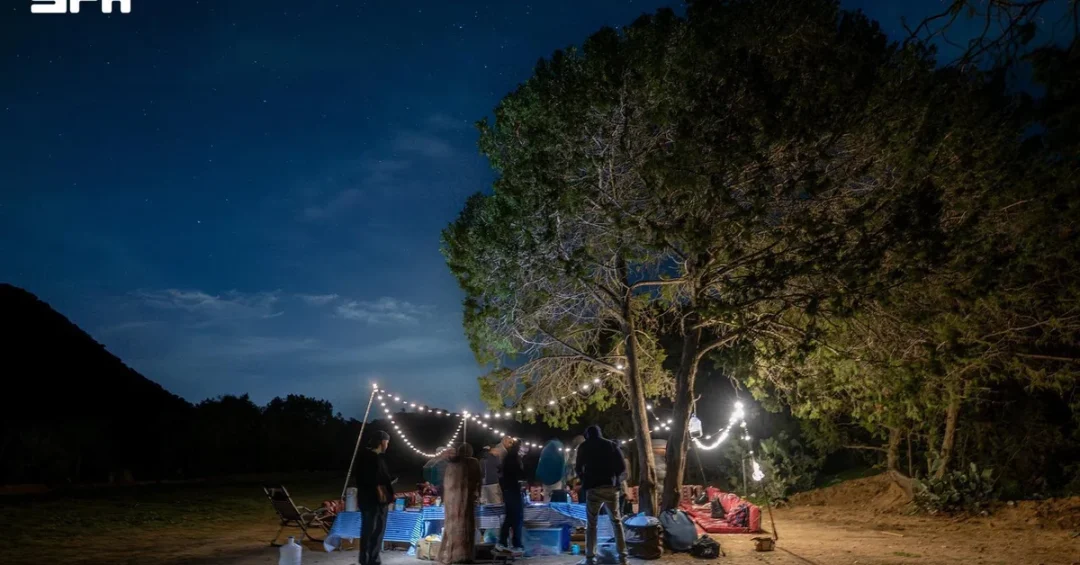
Taif, Saudi Arabia — Overnight camping among the ancient juniper trees of Taif’s highlands is offering visitors a rare and immersive way to experience the Kingdom’s mountain landscapes, according to information released by the Saudi Press Agency (SPA). The rugged terrain around Al-Shafa and Al-Hada, two of the most celebrated mountain destinations in the Taif region, has become a magnet for nature lovers seeking tranquillity, ecological discovery, and a direct connection with a side of Saudi Arabia that many international travelers are only beginning to explore. Have you ever imagined spending a night under a canopy of juniper trees that have stood for centuries, watching the sky shift from sunset to dawn?
The experience, as described in the official SPA report, includes overnight stays in nature, hiking along natural trails, photography, and the chance to observe the area’s rich ecological diversity. Depending on weather conditions, clouds and mist may blanket parts of the mountain slopes, creating an ever-changing atmosphere that transforms the landscape from hour to hour. For a growing number of visitors, this is not simply a camping trip — it is an encounter with a living heritage that reflects the Kingdom’s broader efforts to position its natural environment as a world-class tourism asset. Could there be a more authentic way to understand Saudi Arabia’s environmental richness than by sleeping among its oldest trees?
Context and Background
Why has Taif’s highland region become such a compelling destination for nature-based tourism? The answer lies in its unique geography and botanical heritage. Located in the Makkah Province, Taif sits at an elevation of more than 1,800 meters, and its surrounding mountains — particularly the Al-Shafa and Al-Hada escarpments — are home to some of the oldest juniper forests in the Arabian Peninsula. These trees, some of which are estimated to be hundreds of years old, are not only a natural wonder but also a vital part of the region’s ecosystem, helping to stabilize soil, retain moisture, and provide shade for a variety of plant and animal species. The area’s cool climate, a stark contrast to the heat of the nearby lowlands, has long made it a summer retreat for residents of the Kingdom and, increasingly, a draw for international visitors.
According to the Saudi Press Agency, the camping experience in these highlands is carefully managed to balance visitor access with environmental protection. The report highlights that the region offers a rare combination of rock formations, natural trails, and ancient trees, all of which contribute to a sense of tranquillity that is difficult to find elsewhere. For international audiences, this development signals a broader shift in Saudi Arabia’s tourism offering: away from a purely cultural or religious focus and toward a diversified portfolio that includes adventure, nature, and eco-tourism. Isn’t it remarkable how a single night in the mountains can reveal an entirely different dimension of a country known for its deserts and modern cities?
The SPA report also underscores that the camping experience is not a free-for-all. It is governed by regulations designed to ensure safety and sustainability, reflecting the Kingdom’s commitment to responsible tourism development. This approach aligns with the national strategy to protect natural resources while opening them up for carefully managed public enjoyment. As Saudi Arabia continues to invest in its tourism infrastructure, destinations like Taif’s highlands are being positioned as year-round attractions that can appeal to a wide range of travelers, from families to solo adventurers.
Key Details of the Taif Camping Experience
What exactly does a night among the junipers involve? According to Adel Fayraq, a hiking and camping supervisor with the “Hike and Seek” team, who spoke to the Saudi Press Agency, camping in the Taif highlands allows visitors to engage directly with the mountain landscape and discover its details at different times of day. “Campsite selection depends on terrain, weather, and accessibility, while taking safety and environmental preservation into account,” Fayraq told SPA. This statement highlights the thoughtful planning that goes into every overnight stay, ensuring that visitors can enjoy the experience without compromising their own safety or the fragile environment. The experience typically includes guided or self-guided hikes along marked trails, opportunities for photography, and the chance to witness the interplay of light and shadow as the sun sets and rises over the rocky ridges.
Fayraq also emphasized the importance of protecting ancient trees, their roots and branches, and surrounding vegetation. He stressed the need to comply with regulations, obtain permits where required, and choose authorized camping sites away from flood channels and dangerous slopes to support the sustainability of the tourism experience. These guidelines are not merely bureaucratic formalities; they are essential to preserving the very asset that makes the region special. The junipers of Taif are slow-growing and vulnerable to disturbance, and their survival depends on responsible visitor behavior. For international travelers accustomed to camping in other parts of the world, the Saudi approach may feel familiar in its emphasis on leave-no-trace principles, but it is uniquely adapted to the Arabian highland context. Have you considered how a simple choice of campsite can make the difference between a fleeting visit and a lasting legacy of conservation?
The SPA report notes that the experience includes overnight stays in nature, hiking, photography, and exploring the area’s ecological diversity. Depending on weather conditions, clouds and mist may cover parts of the mountain slopes, adding a layer of mystery and beauty to the landscape. This variability is part of the appeal: no two nights in the Taif highlands are exactly alike. Visitors may encounter clear, star-filled skies or shrouded, misty mornings, each offering a distinct perspective on the mountains. The presence of rock formations and natural trails further enriches the experience, providing ample opportunities for exploration and discovery. For those seeking a deeper connection with nature, the Taif highlands offer a compelling alternative to more conventional tourist itineraries.
International and Regional Impact
How does a local camping experience in Taif resonate on the international stage? The answer lies in the broader context of Saudi Arabia’s tourism ambitions. The Kingdom has been actively diversifying its tourism offerings as part of Vision 2030, the national transformation plan championed by Crown Prince Mohammed bin Salman. By promoting destinations like Taif’s highlands, Saudi Arabia is signaling to the world that it offers much more than its iconic desert landscapes and religious sites. The Taif region, with its cooler climate and verdant mountains, presents a unique selling point for travelers from Europe, Asia, and beyond who seek outdoor adventure and cultural authenticity. Regional neighbors, too, are taking note, as the Gulf region increasingly competes for the growing segment of eco-conscious travelers.
The international implications extend beyond tourism numbers. By showcasing its commitment to environmental preservation and sustainable practices, Saudi Arabia is reinforcing its role as a responsible global citizen. The regulations mentioned by Adel Fayraq — permits, authorized campsites, and protection of ancient trees — align with global best practices in eco-tourism and can serve as a model for other countries in the region. Moreover, the experience fosters people-to-people connections, as visitors from different backgrounds share the same trails and campsites, learning about Saudi hospitality and natural heritage firsthand. Isn’t it fascinating how a night in the mountains can build bridges between cultures?
Economic and Strategic Significance
What economic value does highland camping bring to Saudi Arabia? The development of nature-based tourism in Taif is part of a larger strategy to create jobs, support local businesses, and attract foreign investment. Camping and hiking activities generate demand for guides, equipment rentals, transportation, and hospitality services, many of which can be provided by local communities. The “Hike and Seek” team, mentioned in the SPA report, is an example of the grassroots entrepreneurship that such initiatives can inspire. By training and employing Saudi youth as hiking and camping supervisors, the Kingdom is building a skilled workforce in the tourism sector, in line with Vision 2030’s goal of creating a diversified, knowledge-based economy.
Strategically, the promotion of Taif as a nature destination complements other mega-projects such as NEOM and the Red Sea Project, which are also focused on sustainable tourism. Together, these initiatives are reshaping global perceptions of Saudi Arabia as a travel destination. The Taif highlands offer a more intimate, low-impact alternative to large-scale resorts, appealing to a niche but growing market of adventure travelers. By investing in infrastructure and regulatory frameworks, the Kingdom is laying the groundwork for long-term growth in this sector. Could this be the beginning of a new era for Saudi tourism, one where ancient junipers stand alongside futuristic cities as symbols of national pride?
Vision 2030 Alignment
How does a camping trip among juniper trees connect to Saudi Arabia’s long-term vision? At its core, Vision 2030 aims to diversify the economy, improve quality of life, and position the Kingdom as a global hub for tourism and investment. The Taif highlands experience directly supports these goals by opening up a new segment of the tourism market, creating economic opportunities for local communities, and promoting environmental stewardship. It also enhances the Kingdom’s soft power by presenting a positive, forward-looking image to the world. As more international visitors discover the beauty of Taif’s mountains, they become ambassadors for Saudi Arabia’s transformation, sharing their experiences and challenging outdated perceptions.
Ultimately, the night among the juniper trees is more than a recreational activity; it is a symbol of Saudi Arabia’s commitment to sustainable development and cultural openness. The SPA report, by highlighting the voices of local supervisors like Adel Fayraq, underscores the human element of this transformation. It is a story of pride, responsibility, and vision. As the Kingdom continues to implement Vision 2030, experiences like this will play an increasingly important role in shaping its global identity. So, when you next think of Saudi Arabia, will you picture only deserts and skyscrapers, or will you also imagine the cool, misty mountains of Taif, where ancient trees stand guard over a new chapter in the nation’s story?
20 Questions
Q1. What is the main attraction of Taif’s highlands according to the SPA report?
A1. The main attraction is the opportunity to camp among ancient juniper trees, explore rock formations and natural trails, and enjoy the tranquillity of the mountains with changing scenery between sunset and morning.
Q2. Where exactly in Taif can visitors have this camping experience?
A2. The experience is centered around Al-Shafa and Al-Hada, two mountainous areas in the Taif region known for their juniper forests, cool climate, and scenic vistas.
Q3. Who is Adel Fayraq and what is his role?
A3. Adel Fayraq is a hiking and camping supervisor with the “Hike and Seek” team. He provided insights to the Saudi Press Agency about safe and sustainable camping practices in the region.
Q4. What activities are included in the overnight camping experience?
A4. Activities include overnight stays in nature, hiking along natural trails, photography, and exploring the area’s ecological diversity, all while enjoying the mountain landscape.
Q5. How does weather affect the camping experience in Taif?
A5. Depending on weather conditions, clouds and mist may cover parts of the mountain slopes, creating a dynamic and atmospheric environment that changes throughout the day and night.
Q6. What does Adel Fayraq say about campsite selection?
A6. He says campsite selection depends on terrain, weather, and accessibility, while taking safety and environmental preservation into account to ensure a responsible experience.
Q7. Why is it important to protect ancient trees in the area?
A7. Ancient juniper trees are slow-growing and vital to the ecosystem. Protecting their roots, branches, and surrounding vegetation ensures the sustainability of the tourism experience for future generations.
Q8. What regulations must campers follow according to the report?
A8. Campers must comply with regulations, obtain permits where required, and choose authorized camping sites away from flood channels and dangerous slopes to support safety and sustainability.
Q9. How does this camping experience align with Saudi Vision 2030?
A9. It supports Vision 2030 by diversifying tourism offerings, creating economic opportunities, promoting environmental stewardship, and enhancing Saudi Arabia’s global image as a sustainable destination.
Q10. What is the significance of the “Hike and Seek” team?
A10. The “Hike and Seek” team represents grassroots entrepreneurship in Saudi tourism. They provide expert supervision and promote safe, environmentally friendly hiking and camping practices.
Q11. What kind of scenery can visitors expect in Taif’s highlands?
A11. Visitors can expect rugged rock formations, ancient juniper trees, natural trails, and sweeping mountain views that change with the light and weather, especially at sunset and sunrise.
Q12. Is the camping experience suitable for international tourists?
A12. Yes, it is designed to appeal to a wide range of visitors, including international tourists seeking nature, adventure, and a unique perspective on Saudi Arabia’s diverse landscapes.
Q13. How does the Taif experience contribute to local communities?
A13. It creates demand for guides, equipment, transportation, and hospitality services, generating jobs and income for local residents and supporting small businesses in the region.
Q14. What environmental precautions are emphasized by Adel Fayraq?
A14. He emphasizes protecting ancient trees and vegetation, avoiding flood channels and dangerous slopes, and following regulations to ensure the long-term sustainability of the tourism experience.
Q15. What role does the Saudi Press Agency play in this story?
A15. The Saudi Press Agency (SPA) is the official source of the report, providing verified information about the camping experience and the views of local supervisors like Adel Fayraq.
Q16. How does this initiative fit into Saudi Arabia’s broader tourism strategy?
A16. It is part of a broader strategy to diversify tourism beyond cultural and religious sites, promoting nature, adventure, and eco-tourism as key segments of the Kingdom’s offering.
Q17. What makes Taif’s climate different from other parts of Saudi Arabia?
A17. Taif is located at a high elevation, giving it a cooler climate than most of the Kingdom. This makes it a popular retreat, especially during warmer months, and ideal for outdoor activities.
Q18. Are there any safety concerns for campers in the highlands?
A18. Yes, campers should avoid flood channels and dangerous slopes, obtain necessary permits, and choose authorized sites. Following these guidelines ensures a safe and enjoyable experience.
Q19. How can international visitors learn more about this experience?
A19. International visitors can follow official Saudi tourism channels and the Saudi Press Agency for updates. Local operators like “Hike and Seek” also provide information and guided services.
Q20. What is the long-term vision for Taif’s highlands as a tourist destination?
A20. The long-term vision is to establish Taif as a sustainable, year-round nature destination that showcases Saudi Arabia’s environmental heritage and supports Vision 2030’s economic and social goals.
Reader Feedback
We value your thoughts. Please share your feedback on this article.
Your feedback helps us improve our coverage.
Related articles
 Al-Wasm Rains Revive Al-Birk Greenery, Boost Winter Tourism
 Clouds Create Scenic Vistas Along Jeddah Waterfront
 Qilwah Mountains: Al-Baha’s Emerging Ecotourism Hub
 Hot Air Balloons Adorn Skies of AlUla
 AlUla Ambassadors Program Graduates 50 Local Youth
 The Groves Returns for Riyadh Season 2026 with Global Flavors