


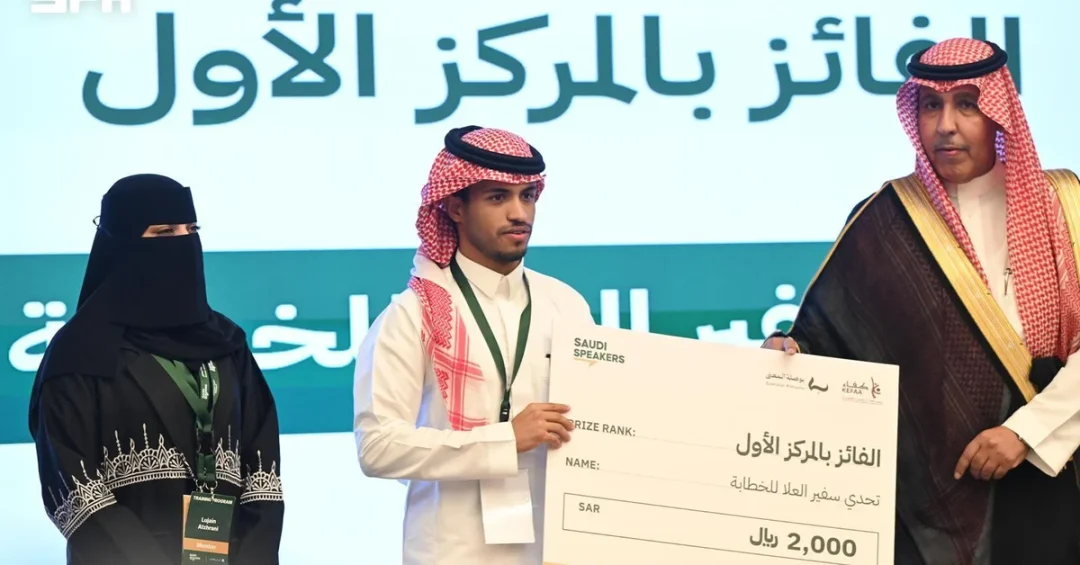
AlUla, November 4, 2026 — The “AlUla Ambassadors × Saudi Speakers” program concluded in AlUla Governorate under the patronage of AlUla Governor Rashid bin Abdullah Al-Qahtani, with 50 young men and women from the governorate completing an intensive five-day training initiative designed to equip them as cultural and tourism ambassadors for one of Saudi Arabia’s most treasured heritage destinations. The program, organized by the Kefaa Youth Development Association in AlUla with support from several sponsors, brought together representatives from government and private-sector entities to celebrate the participants’ achievements and underscore a shared commitment to developing local talent in line with the Kingdom’s Vision 2030 objectives.
The initiative reflects a growing national emphasis on empowering young Saudis to represent their regions on the world stage, particularly in areas rich with historical and cultural significance. AlUla, home to ancient Nabataean tombs, dramatic desert landscapes, and a rapidly expanding tourism ecosystem, has become a focal point for such capacity-building efforts. By investing in public speaking, storytelling, and digital communication skills, the program seeks to ensure that AlUla’s story is told authentically by those who know it best — its own people. Could there be a more fitting way to share AlUla’s wonders with the world than through the voices of its own youth?
Context and Background
The “AlUla Ambassadors × Saudi Speakers” program is part of a broader movement in Saudi Arabia to cultivate human capital in alignment with Vision 2030, the national transformation plan launched by Crown Prince Mohammed bin Salman in 2016. The Kefaa Youth Development Association, a local organization dedicated to empowering young people, designed the program to address a specific need: as AlUla’s tourism sector expands, so too does the demand for skilled communicators who can engage international audiences, represent the region at conferences, and produce compelling promotional content. How does a region prepare its youth to become global storytellers? Programs like this provide a clear answer.
AlUla has undergone a remarkable transformation in recent years, emerging as a premier destination for cultural tourism, adventure travel, and heritage exploration. The Royal Commission for AlUla (RCU) has spearheaded numerous initiatives to preserve and promote the area’s archaeological treasures while fostering economic diversification. Against this backdrop, the need for well-trained local ambassadors — individuals who can articulate AlUla’s unique value proposition — has never been greater. The program’s organizers recognized that sustainable tourism development requires not only infrastructure but also human expertise, and they set out to build that expertise from within the community.
The five-day training brought together specialists and experts who delivered sessions on a range of critical skills. Participants learned about personal branding, mastering their digital presence, public speaking techniques, vocal delivery, storytelling, audience engagement, and handling diverse situations. These modules were not abstract; they were grounded in AlUla’s own attractions and cultural experiences, ensuring that participants could immediately apply their learning to real-world contexts. The program also included practical exercises, allowing participants to hone their skills in simulated scenarios that mirrored the kinds of interactions they would have with visitors and event audiences.
Key Details
The program’s culmination was marked by a ceremony attended by representatives from various government and private-sector entities, highlighting the collaborative effort behind the initiative. AlUla Governor Rashid bin Abdullah Al-Qahtani’s patronage underscored the official support for youth development and tourism promotion in the region. The 50 participants — a mix of young men and women — represented the diversity and potential of AlUla’s local population. Over the course of the program, they engaged in intensive workshops, interactive sessions, and hands-on practice, all designed to build confidence and competence in public speaking and presentation.
Trainers focused on equipping participants with the tools to serve as effective ambassadors at local and international events. This included not only how to speak clearly and persuasively but also how to craft narratives that resonate with audiences from different cultural backgrounds. The digital presence module, for instance, addressed the importance of social media and online platforms in promoting tourism destinations, teaching participants how to create engaging content that showcases AlUla’s beauty and heritage. Storytelling sessions emphasized the power of personal anecdotes and historical context to bring a destination to life. Isn’t it essential for modern ambassadors to be fluent in both traditional and digital communication?
The program also aimed to prepare participants to produce promotional content that could be used across various channels, from travel blogs to official tourism campaigns. By integrating practical exercises with AlUla’s actual attractions — such as Hegra, the UNESCO World Heritage Site, and the AlUla Old Town — the training ensured that participants could speak from experience and passion. This approach not only enhances their credibility but also deepens their connection to their heritage, fostering a sense of pride and ownership that will serve them well as ambassadors. The involvement of multiple sponsors further demonstrates the broad-based commitment to this vision, with private-sector partners recognizing the value of investing in local talent.
International and Regional Impact
The “AlUla Ambassadors × Saudi Speakers” program carries significance beyond AlUla’s borders. As Saudi Arabia continues to open up to international tourism, the Kingdom’s ability to present its cultural and historical treasures in a compelling, authentic manner becomes increasingly important. Well-trained ambassadors can help dispel misconceptions, build bridges between cultures, and attract visitors from around the world. In a region often characterized by geopolitical tensions, tourism diplomacy — facilitated by skilled communicators — can serve as a positive force for mutual understanding and economic cooperation. Could this program serve as a model for other regions in Saudi Arabia and beyond?
Regionally, the initiative aligns with broader efforts across the Middle East to diversify economies away from oil dependence and toward sustainable sectors like tourism. Saudi Arabia’s Vision 2030 explicitly targets tourism as a key growth area, aiming to increase the sector’s contribution to GDP and create jobs for young Saudis. By empowering local youth to take active roles in this transformation, the program contributes to a more inclusive and participatory development model. Moreover, the skills imparted — public speaking, storytelling, digital engagement — are transferable across industries, enhancing participants’ employability and entrepreneurial potential. The program thus represents a microcosm of the broader societal shift underway in the Kingdom, where youth are increasingly seen as partners in national progress.
Economic and Strategic Significance
From an economic standpoint, the program supports the growth of AlUla’s tourism ecosystem by ensuring a steady supply of skilled local talent. As new hotels, restaurants, and attractions open in the region, the demand for guides, event hosts, and promotional staff will only increase. By training ambassadors, the program helps meet this demand while ensuring that the economic benefits of tourism remain within the local community. This aligns with Vision 2030’s goal of creating a vibrant society and a thriving economy, where opportunities are distributed across regions and demographics. The involvement of sponsors from the private sector also signals confidence in AlUla’s economic future and a willingness to invest in its human capital.
Strategically, the program enhances Saudi Arabia’s soft power by enabling authentic, people-to-people cultural exchange. When visitors encounter passionate, well-informed local ambassadors, their experience is enriched, and their perception of the Kingdom is positively shaped. This grassroots diplomacy complements official efforts to promote Saudi Arabia as a welcoming, modern, and culturally rich destination. Furthermore, by equipping young men and women with communication skills, the program contributes to the broader goal of women’s empowerment and youth engagement, both central pillars of Vision 2030. The 50 graduates are now poised to represent AlUla at events and conferences, effectively becoming storytellers for the entire nation. Isn’t that a powerful return on investment?
Vision 2030 Alignment
The “AlUla Ambassadors × Saudi Speakers” program exemplifies the spirit of Vision 2030, which seeks to build a diversified, knowledge-based economy and a society where every individual can contribute to national progress. By investing in youth skills and promoting cultural heritage, the initiative directly supports several Vision 2030 objectives, including the development of human capital, the expansion of the tourism sector, and the enhancement of Saudi Arabia’s global image. The program also reflects the leadership’s commitment to empowering women and youth, as evidenced by the equal participation of young men and women and the patronage of senior officials like Governor Rashid bin Abdullah Al-Qahtani.
Looking ahead, the graduates of this program will carry their skills into a variety of roles — as tour guides, event speakers, content creators, and cultural ambassadors. They will be at the forefront of sharing AlUla’s story with the world, contributing to the Kingdom’s goal of attracting 100 million visitors annually by 2030. Their success will not only elevate AlUla but also serve as an inspiration for similar initiatives across Saudi Arabia. In a world where authentic voices matter more than ever, these 50 young ambassadors are ready to speak for AlUla — and for a Kingdom that is confidently embracing its future while honoring its past. What better way to showcase the best of Saudi Arabia than through the voices of its own youth?
20 Questions
Q1. What was the “AlUla Ambassadors × Saudi Speakers” program?
A1. It was a five-day training initiative in AlUla that equipped 50 local young men and women with public speaking, storytelling, and digital skills to promote AlUla’s cultural and tourism assets internationally.
Q2. Who organized the program?
A2. The Kefaa Youth Development Association in AlUla organized the program, with support from several sponsors and under the patronage of AlUla Governor Rashid bin Abdullah Al-Qahtani.
Q3. How many participants completed the program?
A3. Fifty young men and women from AlUla Governorate completed the program, representing a diverse group of local talent committed to showcasing their region’s heritage.
Q4. What skills did the training cover?
A4. The training covered personal branding, digital presence, public speaking, vocal delivery, storytelling, audience engagement, and handling different situations, with practical exercises based on AlUla’s attractions.
Q5. Why is this program important for AlUla?
A5. It develops local talent to represent AlUla at events and conferences, produce promotional content, and engage international visitors, thereby supporting sustainable tourism growth in the region.
Q6. Who attended the closing ceremony?
A6. Representatives from several government and private-sector entities attended, along with the program’s organizers, sponsors, and participants, highlighting broad-based support for youth development.
Q7. How does the program align with Vision 2030?
A7. It aligns with Vision 2030 by empowering youth, promoting cultural heritage, boosting tourism, and developing human capital, all of which are key objectives of the national transformation plan.
Q8. What is the role of AlUla Governor Rashid bin Abdullah Al-Qahtani?
A8. He served as the patron of the program, lending official support and underscoring the importance of youth empowerment and tourism promotion in AlUla Governorate.
Q9. What are some of AlUla’s key attractions?
A9. AlUla is home to Hegra (a UNESCO World Heritage Site), AlUla Old Town, dramatic desert landscapes, and numerous archaeological treasures that attract visitors from around the world.
Q10. How will participants use their new skills?
A10. They will participate in local and international events, produce promotional content, represent AlUla at conferences, and engage with visitors, serving as cultural ambassadors for the region.
Q11. What was the duration of the program?
A11. The program spanned five days, during which specialists and experts delivered intensive training sessions and practical exercises.
Q12. What is the Kefaa Youth Development Association?
A12. It is a local organization in AlUla dedicated to empowering young people through capacity-building programs that enhance their skills and employability.
Q13. How does the program support Saudi Arabia’s tourism goals?
A13. By training local ambassadors, it helps attract international visitors, enhances the visitor experience, and contributes to the Kingdom’s target of 100 million annual visitors by 2030.
Q14. What kind of practical exercises were included?
A14. Participants engaged in exercises drawing on AlUla’s attractions and cultural experiences, such as crafting narratives about Hegra and practicing presentations in simulated event settings.
Q15. Why is public speaking important for tourism ambassadors?
A15. Effective public speaking enables ambassadors to communicate AlUla’s value compellingly, engage diverse audiences, and create memorable experiences that encourage repeat visits and positive word-of-mouth.
Q16. How does the program reflect Saudi Arabia’s commitment to youth?
A16. It demonstrates the Kingdom’s focus on youth empowerment by providing young Saudis with skills and opportunities to contribute to national development and represent their country globally.
Q17. What economic benefits can result from this program?
A17. It can lead to job creation in tourism, increased local spending, and a more skilled workforce, all of which support economic diversification and community prosperity.
Q18. How does the program promote women’s empowerment?
A18. By including young women among the 50 participants, it ensures equal access to training and opportunities, aligning with Vision 2030’s goal of increasing women’s participation in the workforce.
Q19. What role do sponsors play in the program?
A19. Sponsors provide financial and logistical support, demonstrating private-sector commitment to youth development and tourism promotion in AlUla.
Q20. What is the long-term vision for AlUla’s youth ambassadors?
A20. They will become ongoing advocates for AlUla, sharing its story globally, supporting tourism growth, and inspiring other young Saudis to take active roles in the Kingdom’s transformation.
Reader Feedback
We value your thoughts. Please share your feedback on this article.
Your feedback helps us improve our coverage.
Related articles
 The Groves Returns for Riyadh Season 2026 with Global Flavors
 Historic Jeddah Shines in Saudi Winter Program
 SPA Lens Captures First Signs of Spring West of Turaif
 Light Rain Falls on AlUla Governorate
 Saudi Tourism Minister Inaugurates ‘Saudi Land’ at WTM London 2026
 Al-Ardiyat: A Gem of Natural and Heritage Tourism in Saudi Arabia