


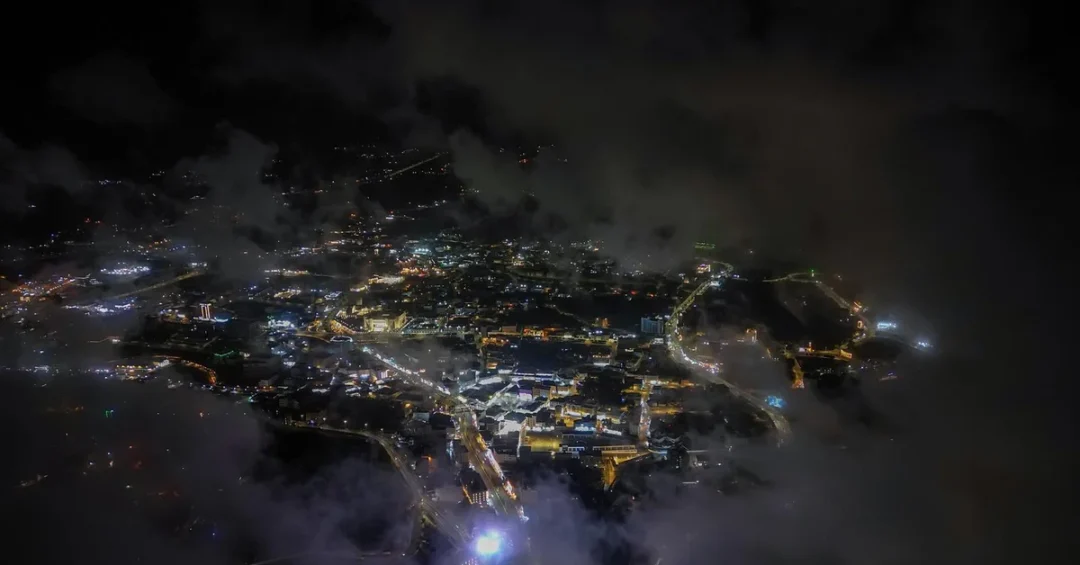
Al-Baha Region is experiencing a distinctive winter atmosphere, with fog blanketing its highlands and intermittent rain showers adding to its natural beauty and appeal as a tourist destination, according to the Saudi Press Agency (SPA). The official report, released on November 8, 2026, highlights how parks, popular sites, and highland areas across the region have attracted residents and visitors eager to enjoy the cool weather, rainfall, and dense fog enveloping the mountain peaks. The scenery is further enhanced in the evening by the city lights, creating a picturesque setting that has become a magnet for nature lovers and photographers alike.
Have you ever imagined walking through a sea of clouds while the scent of rain-soaked earth fills the air? That is precisely the experience awaiting visitors to Al-Baha this winter. The region, nestled in the southwestern part of the Kingdom, is renowned for its rugged terrain, verdant valleys, and moderate climate, which contrast sharply with the arid landscapes of other parts of Saudi Arabia. This seasonal phenomenon not only boosts local tourism but also underscores the Kingdom’s diverse natural assets, which are being increasingly promoted under the National Transformation Program and Vision 2030. As the fog rolls over the Sarawat Mountains, it brings a sense of tranquility and wonder, inviting both domestic and international travelers to explore a side of Saudi Arabia that many have yet to discover.
Context and Background
What makes Al-Baha such a unique destination in the Kingdom? Located approximately 300 kilometers southwest of Riyadh, Al-Baha is one of Saudi Arabia’s smallest regions by area but richest in biodiversity and cultural heritage. Its highlands, part of the Sarawat mountain range, rise to over 2,000 meters above sea level, creating a microclimate that supports juniper forests, fruit orchards, and ancient terraces. The region is home to the famous Al-Baha waterfalls, the historic village of Dhi Ayn, and the ancient marble quarries of Al-Qarah. For decades, Al-Baha has been a summer retreat for Saudis seeking cooler temperatures, but in recent years, winter tourism has gained momentum, thanks to improved infrastructure and promotional efforts by the Saudi Tourism Authority.
The current weather pattern, characterized by fog and intermittent rain, is typical of the winter months in Al-Baha, typically from November to February. According to the National Center of Meteorology, the region receives an average annual rainfall of about 300 millimeters, significantly higher than the national average. This precipitation nourishes the region’s agriculture, particularly coffee, honey, and pomegranates, which are celebrated in local festivals. The fog, often forming in the early morning and late evening, adds a mystical quality to the landscape, drawing photographers and nature enthusiasts. The SPA report notes that the relevant authorities have urged motorists on mountain roads to exercise caution during rain and when fog reduces visibility, reflecting the government’s commitment to ensuring public safety while promoting tourism.
Isn’t it fascinating how a single weather event can transform a region into a bustling hub of activity? The influx of visitors to Al-Baha’s parks and highland areas is a testament to the Kingdom’s growing domestic tourism sector. Families gather for picnics, adventure seekers hike the trails, and social media influencers capture the ethereal beauty of the fog. This seasonal surge not only supports local businesses, such as hotels, restaurants, and handicraft shops, but also fosters a sense of community and appreciation for Saudi Arabia’s natural wonders. As the Kingdom continues to diversify its economy away from oil, regions like Al-Baha are poised to play a pivotal role in the tourism industry, contributing to job creation and regional development.
Key Details
What exactly can visitors expect when they venture into Al-Baha’s highlands during this winter season? The SPA report describes a scene of enchanting beauty: fog blanketing the highlands, intermittent rain showers, and city lights twinkling through the mist in the evening. Popular spots such as the Al-Baha National Park, the Prince Mohammed bin Salman Park, and the Al-Mandaq Governorate have become focal points for outdoor activities. The cool weather, with temperatures often dropping to 10°C (50°F) or lower, provides a refreshing escape from the heat of the coastal cities. Visitors can be seen strolling along the promenades, capturing photographs of the mist-covered valleys, and enjoying hot beverages at roadside cafes.
The authorities have implemented measures to manage the increased traffic and ensure safety. The Saudi Traffic Department has deployed additional patrols on mountain roads, particularly in areas prone to reduced visibility. Signage warning of slippery roads and fog has been installed, and visitors are advised to use headlights and maintain safe distances. The Al-Baha Municipality has also intensified cleaning and maintenance of public parks and rest areas to accommodate the crowds. These efforts align with the Kingdom’s broader strategy to enhance the visitor experience and uphold safety standards, as outlined by the Ministry of Tourism. The SPA report emphasizes that the weather conditions allow visitors to spend time outdoors and capture memorable photographs, highlighting the positive impact of the season.
Have you considered how such natural phenomena can be leveraged for sustainable tourism? The Al-Baha winter experience is not just about sightseeing; it is an opportunity to engage with nature, support local farmers, and learn about the region’s heritage. The fog and rain nurture the region’s famous coffee farms, where visitors can tour plantations and sample freshly roasted beans. Honey from Al-Baha, known for its distinct flavor, is another attraction, with local beekeepers offering tastings and tours. These agritourism activities provide additional income for rural communities and promote the preservation of traditional practices. As the Kingdom aims to attract 100 million visitors annually by 2030, destinations like Al-Baha offer authentic, off-the-beaten-path experiences that resonate with modern travelers seeking unique and meaningful journeys.
International and Regional Impact
How does Al-Baha’s winter tourism resonate beyond the Kingdom’s borders? The region’s growing popularity is part of a larger trend in Saudi Arabia’s tourism sector, which has seen a surge in international arrivals following the introduction of the tourist visa in 2019. Al-Baha, with its mild climate and stunning landscapes, is increasingly featured in global travel media as a must-visit destination in the Middle East. The fog and rain, often associated with European or East Asian destinations, offer a novel experience in the Arabian Peninsula, attracting adventure travelers and photographers from around the world. This influx of international visitors contributes to cultural exchange and enhances Saudi Arabia’s image as a diverse and welcoming country.
Regionally, Al-Baha’s success story serves as a model for other Saudi regions seeking to develop their tourism potential. The neighboring Asir region, home to Abha and the Asir National Park, has similarly benefited from seasonal tourism, but Al-Baha’s unique microclimate sets it apart. The Kingdom’s investment in infrastructure, such as the expansion of Al-Baha International Airport and the improvement of road networks, has made the region more accessible. These developments are part of the National Transport and Logistics Strategy, which aims to position Saudi Arabia as a global logistics hub. As more international flights connect Al-Baha to major cities, the region is poised to welcome a growing number of visitors, further integrating it into the global tourism map.
Isn’t it remarkable how a local weather event can have ripple effects on international perceptions? The positive coverage of Al-Baha’s winter charm in global media helps counter stereotypes of Saudi Arabia as solely a desert destination. It showcases the Kingdom’s geographical diversity and its commitment to preserving natural environments. Moreover, the influx of tourists supports the local economy, creating opportunities for small businesses and entrepreneurs. This aligns with Vision 2030’s goal of empowering the private sector and fostering a vibrant society. As international travel rebounds post-pandemic, Saudi Arabia is well-positioned to capture a share of the global tourism market, with Al-Baha as a shining example of its offerings.
Economic and Strategic Significance
What economic benefits does Al-Baha’s winter tourism bring to the Kingdom? The surge in visitors during the fog and rain season stimulates various sectors, including hospitality, transportation, retail, and food services. Hotels and resorts in Al-Baha report high occupancy rates, particularly on weekends and holidays. Local restaurants and cafes experience increased demand, showcasing regional cuisine such as honey-glazed lamb and fresh mountain vegetables. Handicraft markets sell traditional items like woven rugs and pottery, providing income for artisans. According to the Saudi Tourism Authority, domestic tourism spending reached record highs in recent years, and Al-Baha’s contribution is significant. This economic activity supports the Kingdom’s goal of increasing the tourism sector’s contribution to GDP from 3% to 10% by 2030.
Strategically, Al-Baha’s development is integral to Saudi Arabia’s efforts to diversify its economy and reduce dependence on oil. The region’s focus on sustainable tourism, with an emphasis on preserving natural and cultural heritage, aligns with the principles of the Saudi Green Initiative and the Middle East Green Initiative. These initiatives aim to combat climate change, enhance quality of life, and protect the environment. By promoting eco-tourism, Al-Baha attracts environmentally conscious travelers and sets a benchmark for responsible development. Furthermore, the region’s agricultural output, particularly coffee and honey, contributes to food security and rural development, aligning with the National Agriculture Strategy. As the Kingdom invests in infrastructure and marketing, Al-Baha is transforming into a year-round destination, with winter being a peak season.
Could this be the blueprint for other regions to follow? The Al-Baha model demonstrates how natural assets can be harnessed for economic gain without compromising sustainability. The collaboration between government agencies, local communities, and private investors is key to this success. For instance, the Ministry of Tourism has launched training programs for local guides and hospitality workers, ensuring high service standards. The Al-Baha Development Authority coordinates infrastructure projects, such as road improvements and parking facilities, to handle increased traffic. These efforts create a seamless experience for visitors and maximize the region’s potential. As Saudi Arabia continues its journey towards Vision 2030, Al-Baha stands as a testament to the power of strategic planning and community engagement.
Vision 2030 Alignment
How does Al-Baha’s winter tourism contribute to Vision 2030? The Kingdom’s ambitious blueprint for the future places tourism as a key pillar of economic diversification. Vision 2030 aims to increase the number of Umrah and Hajj pilgrims to 30 million annually, but it also seeks to boost domestic and international tourism to 100 million visits by 2030. Al-Baha’s appeal as a winter destination directly supports this target by attracting visitors who seek natural beauty, adventure, and cultural experiences. The region’s development is part of the National Transformation Program, which focuses on improving infrastructure, enhancing government services, and creating job opportunities. By showcasing Al-Baha’s unique climate and landscapes, the Kingdom demonstrates its commitment to unlocking the potential of every region.
Moreover, Al-Baha’s tourism aligns with the Quality of Life Program, which aims to improve the living standards of citizens and residents by providing recreational opportunities and promoting healthy lifestyles. The fog and rain season encourages outdoor activities, from hiking to photography, fostering community bonds and physical well-being. The region’s cultural heritage, including its ancient villages and traditional crafts, is preserved and promoted, contributing to the National Culture Strategy. As visitors immerse themselves in Al-Baha’s winter wonderland, they become ambassadors for Saudi Arabia’s transformation, sharing their positive experiences with the world. In conclusion, Al-Baha’s fog and rain are not just weather phenomena; they are catalysts for economic growth, cultural exchange, and the realization of Vision 2030’s aspirations for a vibrant, diversified, and globally connected Kingdom.
20 Questions
Q1. What is causing the distinctive winter atmosphere in Al-Baha Region?
A1. The distinctive winter atmosphere in Al-Baha is caused by fog blanketing its highlands and intermittent rain showers, which are typical of the region’s winter months from November to February, enhancing its natural beauty and appeal as a tourist destination.
Q2. Which areas in Al-Baha have attracted residents and visitors?
A2. Parks, popular sites, and highland areas across the region have attracted residents and visitors eager to enjoy the cool weather, rainfall, and dense fog enveloping the mountain peaks, with city lights enhancing the scenery in the evening.
Q3. What activities can visitors enjoy in Al-Baha during this season?
A3. Visitors can spend time outdoors, capture memorable photographs, hike trails, enjoy picnics, and explore local markets. The cool weather and scenic views provide a refreshing escape and opportunities for nature appreciation and adventure.
Q4. What safety advice have authorities given to motorists?
A4. Relevant authorities have urged motorists on mountain roads to exercise caution during rain and when fog reduces visibility, advising the use of headlights and maintaining safe distances to ensure public safety.
Q5. How does the weather in Al-Baha compare to other parts of Saudi Arabia?
A5. Al-Baha’s highlands experience cooler temperatures and higher rainfall than most other regions, with an average annual rainfall of about 300 millimeters, creating a microclimate that supports diverse flora and agriculture.
Q6. What is the significance of Al-Baha’s fog and rain for local agriculture?
A6. The precipitation nourishes the region’s agriculture, particularly coffee, honey, and pomegranates, which are celebrated in local festivals. These products contribute to food security and rural development, aligning with national strategies.
Q7. How has the Saudi government supported tourism in Al-Baha?
A7. The government has improved infrastructure, expanded Al-Baha International Airport, enhanced road networks, and launched training programs for local guides and hospitality workers, all aimed at boosting tourism and ensuring visitor safety and satisfaction.
Q8. What economic benefits does winter tourism bring to Al-Baha?
A8. Winter tourism stimulates sectors such as hospitality, transportation, retail, and food services, creating jobs and supporting local businesses. It contributes to the Kingdom’s goal of increasing tourism’s GDP contribution to 10% by 2030.
Q9. How does Al-Baha’s tourism align with Vision 2030?
A9. Al-Baha’s tourism supports Vision 2030 by diversifying the economy, creating jobs, and promoting domestic and international tourism. It aligns with the National Transformation Program and Quality of Life Program, enhancing Saudi Arabia’s global appeal.
Q10. What are some popular attractions in Al-Baha?
A10. Popular attractions include Al-Baha National Park, Prince Mohammed bin Salman Park, Al-Mandaq Governorate, the historic village of Dhi Ayn, and the Al-Qarah marble quarries, offering natural beauty and cultural heritage.
Q11. How does the fog enhance the visitor experience in Al-Baha?
A11. The fog creates a mystical and serene atmosphere, transforming the landscape into a picturesque scene. It attracts photographers and nature lovers, and when combined with city lights in the evening, it offers a unique visual spectacle.
Q12. What measures are in place to manage increased traffic in Al-Baha?
A12. The Saudi Traffic Department has deployed additional patrols, installed warning signage, and advised motorists to use headlights and maintain safe distances. The Al-Baha Municipality has also intensified maintenance of public parks and rest areas.
Q13. How does Al-Baha’s winter tourism impact local communities?
A13. It provides income opportunities for local businesses, artisans, and farmers. Agritourism activities, such as coffee farm tours and honey tastings, empower rural communities and promote traditional practices, fostering community pride and cohesion.
Q14. What role does the Saudi Press Agency play in reporting on Al-Baha?
A14. The Saudi Press Agency (SPA) serves as the official news agency, providing accurate and timely information about events in Al-Baha, including weather conditions and tourism activities, ensuring transparency and promoting the region’s attractions.
Q15. How accessible is Al-Baha for international tourists?
A15. Al-Baha is accessible via Al-Baha International Airport, which has seen expanded flight connections, and improved road networks. The introduction of the tourist visa in 2019 has made it easier for international visitors to explore the region.
Q16. What sustainable practices are promoted in Al-Baha’s tourism?
A16. Sustainable practices include eco-tourism, preservation of natural and cultural heritage, and support for local agriculture. These align with the Saudi Green Initiative and Middle East Green Initiative, aiming to protect the environment for future generations.
Q17. How does Al-Baha’s climate support biodiversity?
A17. The cooler temperatures and higher rainfall support juniper forests, fruit orchards, and ancient terraces, creating a rich ecosystem. This biodiversity attracts nature enthusiasts and researchers, adding to the region’s appeal.
Q18. What cultural experiences can visitors enjoy in Al-Baha?
A18. Visitors can explore historic villages, traditional markets, and heritage sites. They can also participate in local festivals celebrating coffee, honey, and crafts, gaining insights into the region’s rich cultural heritage and traditions.
Q19. How does Al-Baha’s tourism contribute to Saudi Arabia’s global image?
A19. It showcases the Kingdom’s geographical diversity and commitment to sustainable development, countering stereotypes and attracting international travelers. Positive media coverage enhances Saudi Arabia’s reputation as a welcoming and modern destination.
Q20. What does the future hold for Al-Baha’s tourism sector?
A20. With continued investment in infrastructure, marketing, and sustainable practices, Al-Baha is poised to become a year-round destination. Its winter charm will remain a key draw, contributing to Vision 2030’s tourism and economic goals.
Reader Feedback
We value your thoughts. Please share your feedback on this article.
Your feedback helps us improve our coverage.
Related articles
 A Night Among Juniper Trees Reveals Another Side of Taif’s Mountains
 Al-Wasm Rains Revive Al-Birk Greenery, Boost Winter Tourism
 Clouds Create Scenic Vistas Along Jeddah Waterfront
 Qilwah Mountains: Al-Baha’s Emerging Ecotourism Hub
 Hot Air Balloons Adorn Skies of AlUla
 AlUla Ambassadors Program Graduates 50 Local Youth